
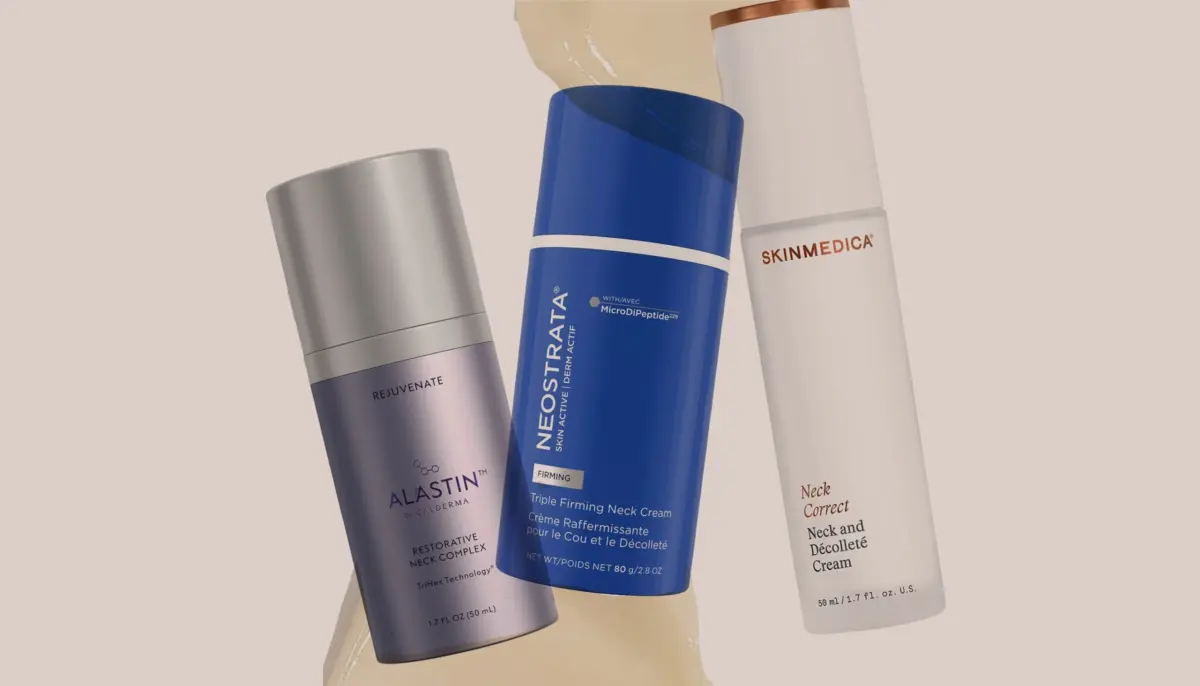
According to leading dermatologists, the skin on the neck possesses a fundamentally different anatomical structure than the skin on the face, making it uniquely vulnerable to premature aging, fine lines, and sagging. Combined with modern lifestyle habits—most notably the constant downward gaze at smartphones and digital devices—the neck is facing unprecedented physical stress. This convergence of biology and modern technology has thrust a phenomenon known as "tech neck" into the skincare spotlight, prompting beauty experts, medical professionals, and consumers alike to rethink how they care for the skin beyond the chin.
Why Does Neck Skin Age Faster?
To understand why the neck often shows age before the face, one must look closely at the skin’s composition. Dr. Hartman, a prominent dermatologist, explains that the skin on the neck is significantly thinner than facial skin. Furthermore, it lacks the same concentration of oil-producing sebaceous glands. This natural deficiency makes the neck far more prone to chronic dryness, which in turn accelerates the formation of fine lines and a loss of elasticity over time.
Layered on top of these inherent biological vulnerabilities are the relentless forces of physics. Gravity constantly pulls downward on the delicate tissues of the neck and jawline. When this natural gravitational pull is compounded by modern daily habits—such as the constant craning, bending, and tilting of the head to look at smartphones, tablets, and computer monitors—the skin experiences repetitive mechanical folding.
This repetitive motion creates horizontal creases and accelerates the breakdown of collagen and elastin fibers. The term "tech neck" was coined precisely to describe this modern affliction, which affects individuals across all age groups who spend hours each day looking down at digital screens. Without adequate structural support and proactive care, the neck becomes one of the body’s primary zones at risk for premature aging and noticeable sagging.
What Ingredients Should I Look for in a Neck Cream?
Because the anatomical landscape of the neck differs so drastically from that of the face, standard facial moisturizers are not always optimized for the region’s specific needs. May Hall, a board-certified dermatologist based in Asheville, North Carolina, notes that because the skin on the neck is more delicate, specialized neck creams are formulated to provide significantly more intense hydration. These products typically feature a higher concentration of active ingredients tailored to the structural peculiarities of the neck.
When shopping for an effective neck cream, dermatologists recommend scanning ingredient labels for potent moisturizing agents. Hyaluronic acid, shea butter, and squalane are among the top recommendations for locking in moisture, keeping the skin smooth, and restoring a plump, youthful appearance. In addition to these classic hydrators, peptides have emerged as a heavily researched and increasingly popular category in neck care formulations. Peptides are frequently praised by skincare specialists for their ability to support skin firmness and smooth out uneven texture.
Beyond hydration and structural support, experts emphasize the inclusion of retinoids. Retinol is widely regarded as a gold standard in anti-aging skincare because it actively promotes cellular turnover and stimulates collagen production. By boosting collagen levels, retinol directly targets the appearance of wrinkles, fine lines, and uneven skin texture.
James Y. Wang, a board-certified dermatologist based in Los Angeles, explains the role of retinoids in treating neck concerns. "This can help with sagging skin, wrinkles, and some crepiness," Dr. Wang notes. However, because the skin of the neck is notably sensitive compared to other parts of the body, dermatologists advise caution. Retinol concentrations in neck-specific products tend to be lower than those found in heavy-duty facial treatments, meaning that while the ingredient is highly effective, the visible results develop gradually and subtly over time.
Application technique is equally as important as the product’s ingredient list. Skincare professionals offer a universal pro tip for applying neck treatments: always use gentle pressure and upward sweeping motions. Rough rubbing or downward pulling can stretch the delicate skin, counteracting the benefits of the active ingredients inside the cream.
When Should I Consult with a Dermatologist?
While over-the-counter neck creams can work wonders for hydration and minor surface texture issues, there are times when professional medical evaluation becomes necessary. Dr. Wang recommends that individuals who notice sudden or significant changes in skin laxity around their neck and chest area should schedule a consultation with a board-certified dermatologist.
A professional evaluation is crucial for ruling out underlying medical concerns, such as inflammation, unusual lumps, or nodules that require clinical attention. Furthermore, advanced stages of skin laxity—often colloquially referred to as "turkey neck"—may not respond fully to topical treatments alone. In such cases, significantly loose skin may require in-office dermatological interventions, ranging from energy-based tightening devices to other clinical procedures. Even so, dermatologists emphasize that incorporating a targeted neck cream into your daily routine remains highly beneficial for maintaining deep hydration and subtly softening the look of surface lines.
How Beauty Products Are Evaluated and Reviewed
The process of determining which skincare products truly deliver on their promises requires rigorous, multi-faceted analysis. Publications and testing organizations like Allure approach product evaluation from every possible angle to serve consumers effectively. This comprehensive review process involves examining raw ingredient lists, scrutinizing bold brand marketing claims, and, when necessary, cross-referencing peer-reviewed scientific and medical literature.
Rather than relying solely on surface-level impressions, testing teams regularly collaborate with leading experts who shape their respective fields—including dermatology, cosmetic chemistry, and general medicine. These professionals play an invaluable role in vetting formulations and ensuring that the science behind a product aligns with its marketing.
When compiling definitive rankings for specialized categories such as the best neck creams, editorial teams evaluate products across five primary performance pillars: product ingredients and overall efficacy, packaging design, fragrance profile, product texture, and wearability throughout the day. Only products that demonstrate excellence across every single category earn a spot on curated recommendation lists, backed by the specialized insights of board-certified dermatologists.
The Importance of Diverse Testing and Representation
The modern beauty landscape recognizes that skincare is deeply personal. A product that performs exceptionally well for one individual may not meet the specific needs of another. Whether a consumer is searching for a rich facial cream to combat persistent dryness, a specialized nail treatment for a weekly self-care routine, or simply browsing the latest innovations in the hair care market, trust and authenticity are paramount.
Achieving true objectivity in product reviews requires more than just laboratory testing; it demands diverse human perspectives. Industry leaders argue that having a multidisciplinary, diverse team of writers, editors, and outside industry experts is essential to delivering fair and accurate beauty journalism.
Evaluating whether a skincare product is genuinely effective for mature skin, for instance, requires feedback from testers across multiple age groups rather than a uniform demographic. Similarly, assessing high-end hair tools or body care formulations requires testing across a wide spectrum of skin tones, hair textures, genders, and personal backgrounds. By embracing diversity within testing panels and editorial staff, beauty journalism can offer a more inclusive, realistic, and reliable guide to the vast array of products available on the market today.