
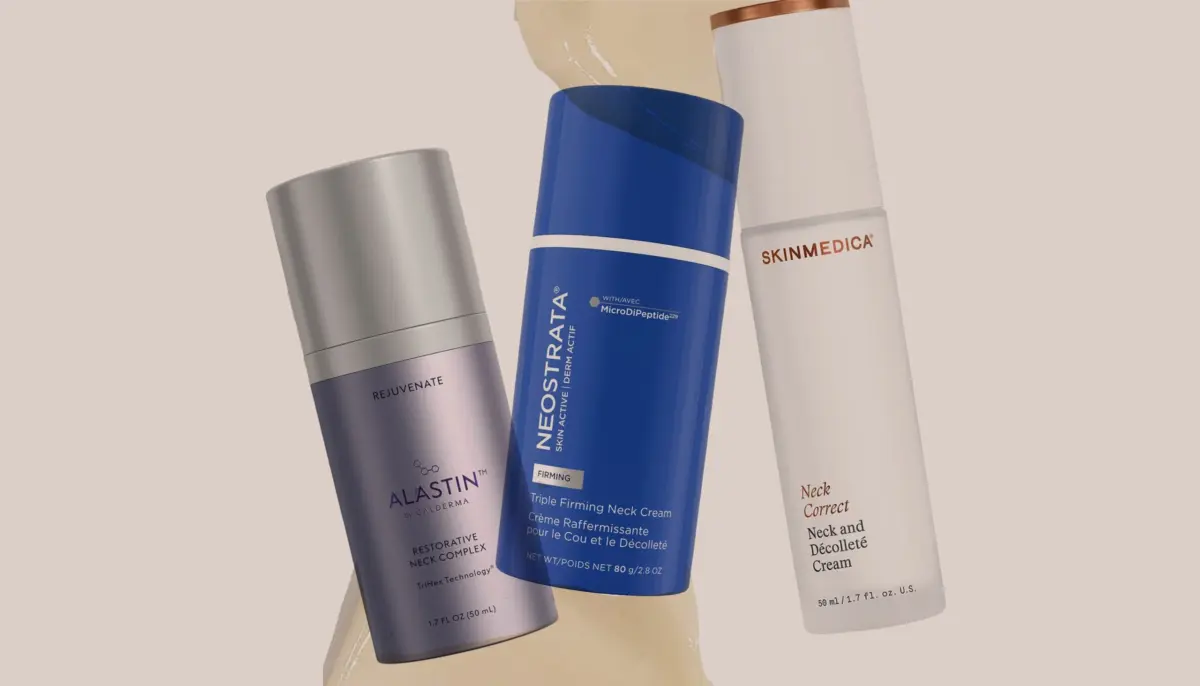
Medical experts emphasize that the skin on the neck is fundamentally different from the skin on the face, requiring a distinct approach to maintenance and care. According to dermatologists, the skin situated on the neck is noticeably thinner than facial skin. Furthermore, it lacks the same robust oil composition and density of sebaceous glands found on the face. This structural difference makes the neck significantly more prone to chronic dryness, loss of elasticity, and eventual sagging over time.
When these inherent biological vulnerabilities are combined with the relentless pull of gravity and modern lifestyle habits, the neck becomes a uniquely high-risk zone for premature aging. Chief among these modern culprits is the constant craning of the neck downward to look at smartphones, tablets, and computers. This repetitive mechanical motion—now widely recognized by medical professionals and beauty experts alike as "tech neck"—forces the neck skin to crease repeatedly throughout the day, accelerating the formation of horizontal fine lines and deep wrinkles long before similar signs of aging might appear on the face.
Because the skin in this region is remarkably delicate, specialized neck creams have been developed to provide a higher level of intensive hydration. Unlike standard facial moisturizers, these products are specifically formulated to deliver a concentrated dose of active ingredients tailored to the unique physiological characteristics of the neck. Board-certified dermatologists note that effective formulations rely heavily on targeted moisturizing agents designed to restore the skin barrier, lock in essential moisture, and maintain a smooth, plump surface appearance.
Among the most common and effective moisturizing agents recommended by skin specialists are hyaluronic acid, shea butter, and squalane. Hyaluronic acid acts as a powerful humectant, drawing moisture into the skin to combat the dryness that accelerates sagging. Shea butter and squalane provide rich, emollient properties that soften the skin and reinforce its natural lipid barrier. In addition to these traditional hydrators, peptides have emerged as a prominent area of exploration and innovation in neck care formulations. Frequently touted for their ability to support skin structure, peptides are widely incorporated into modern neck creams to help promote a smoother and firmer appearance over time.
Beyond essential hydrating agents, dermatologists strongly recommend looking for formulations that include retinol. As a derivative of vitamin A, retinol is celebrated for its ability to promote cellular turnover and stimulate natural collagen production. By boosting collagen levels, retinol directly addresses the structural breakdown that leads to wrinkle formation and uneven skin texture. This ingredient can help mitigate the appearance of sagging skin, stubborn wrinkles, and the fine, paper-like crepiness that often develops on the neck as individuals age.
However, medical professionals urge caution when introducing potent actives like retinol to the neck area. Because the skin here is considerably thinner and more sensitive than facial skin, the concentrations of retinol found in dedicated neck creams tend to be lower, yielding more subtle, gradual results. To minimize the risk of irritation, dermatologists advise users to pay close attention to application techniques. When applying any neck cream, individuals should use gentle pressure paired with upward sweeping motions, which helps prevent unnecessary stretching of the delicate tissue.
While topical treatments can significantly improve hydration and minimize the visual appearance of fine lines, experts emphasize that skincare products have their limitations, particularly when dealing with advanced signs of aging. If individuals notice substantial changes in skin laxity around the neck and chest area, medical professionals recommend scheduling a professional evaluation with a board-certified dermatologist. Such consultations are essential not only for assessing cosmetic concerns but also for ruling out underlying medical issues, such as inflammation, unusual lumps, or nodules.
Dermatologists point out that significantly loose skin—often colloquially referred to as a "turkey neck"—typically stems from deep structural changes that may ultimately require in-office dermatological interventions, such as energy-based tightening devices or other clinical procedures. Even in cases where advanced treatments are warranted, however, specialized neck creams continue to play a valuable role in daily maintenance by replenishing vital moisture and subtly softening the appearance of surface lines.
The process of evaluating and recommending these specialized skincare products requires rigorous methodology and adherence to scientific standards. Industry experts and publication editorial teams analyze products from multiple angles to ensure consumer safety and efficacy. This evaluative process typically involves scrutinizing ingredient lists, assessing brand claims against established scientific principles, and, when necessary, examining peer-reviewed medical and dermatological studies. By collaborating with leading professionals who actively shape fields such as dermatology, cosmetic chemistry, and medicine, reviewers can accurately vet formulations before recommending them to the public.
Comprehensive product assessments generally center on several primary performance categories, including ingredient efficacy and safety, packaging functionality, fragrance profile, overall texture, and product wear throughout the day. In-house writers, editors, and external contributors work collaboratively with board-certified dermatologists to determine which formulations excel across these critical benchmarks. This multifaceted evaluation process ensures that consumers receive guidance grounded in both clinical expertise and practical, real-world application.
Ensuring diversity and representation among product testers and editorial staff remains a critical component of modern beauty reporting. A skincare purchase is inherently personal, with individual needs varying widely based on age, skin tone, skin type, and personal background. Relying on a homogenous group of testers can introduce significant blind spots into product assessments. To maintain journalistic integrity and provide genuinely useful recommendations, editorial teams must incorporate perspectives from a wide range of demographics, ensuring that products designated as top-tier perform effectively across diverse populations and skin profiles.