What’s the Difference Between a Hair-Straightening Brush and a Flatiron?
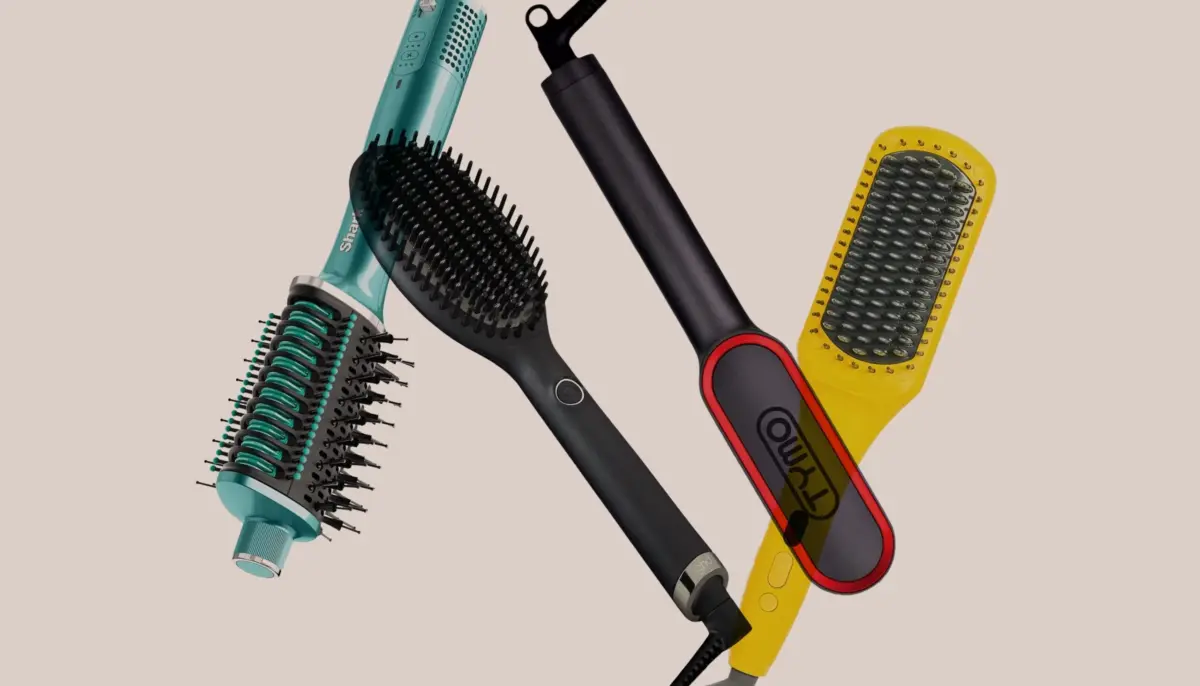
The primary distinction between the two devices lies in their physical design and mechanics. According to New York City-based hairstylist Devin Toth, a hair-straightening brush features bristles, whereas a traditional flatiron does not. Both instruments use thermal energy to manipulate hair strands, but they utilize entirely different structural approaches. A hair-straightening brush typically incorporates either a row of heated bristles or specialized teeth that closely resemble a comb, combined with a brush head.
In contrast, a flatiron relies on two opposing heated plates that clamp down directly onto sections of hair, applying uniform pressure from both sides. This fundamental difference in construction changes how heat is applied to the hair cuticle and how the hair is manipulated during the styling process.
Is a Hair-Straightening Brush Better Than a Flatiron?
Whether a straightening brush is superior to a flatiron ultimately depends on individual styling preferences, hair goals, and time constraints. For many users, a hair-straightening brush offers a significant advantage by essentially combining the functions of a blow-dryer and a flatiron into a single device. This dual-action capability can drastically cut down on morning styling time compared to the traditional multi-step process of drying and then flatironing.
Nashville-based colorist Leslie Shores notes that straightening brushes often yield smoother results with noticeably fewer flyaways than traditional blow-drying alone, leaving the hair looking shinier and silkier. Furthermore, Shores highlights the ergonomic benefits of the tool, pointing out that they can be used on both wet and dry hair. She explains that using a straightening brush is often much easier on the arms, eliminating the awkward physical tension required to coordinate a regular hairbrush and a handheld blow-dryer simultaneously.
What Should I Look for When Choosing a Hair-Straightening Brush?
Choosing the right hair-straightening brush involves weighing several personal factors, including price range, desired barrel shape and size, and overall hair type. Devin Toth suggests that because many tools in this category share similar core features, shoppers should pay close attention to the shape and size of the tool’s barrel to match the specific curl or wave pattern they hope to achieve.
For instance, a flat paddle thermal brush is ideal for individuals seeking strictly straight hair. Meanwhile, a thermal brush featuring a tiny barrel shape is better suited for creating tighter curls, while a larger barrel design lends itself well to achieving a voluminous, bouncy blowout.
In addition to shape, consumers should examine other critical technical features, such as adjustable temperature settings, ionic technology, and even heat distribution systems. These elements work together to help smooth the hair cuticle, eliminate stubborn frizz, and minimize the total amount of heat exposure required for styling. For individuals with fine or thin hair, selecting a brush with comb-like teeth that can effectively separate strands without pulling or snagging is particularly important. A lightweight overall design also ensures the tool remains comfortable to hold and maneuver throughout the entire styling session.
Are Hair-Straightening Brushes Safe?
While hair-straightening brushes generally apply less intense heat pressure compared to traditional blow-dryer and flatiron combinations, proper technique and safety precautions remain essential. Toth advises users to keep the tool moving continuously and to avoid lingering or overheating any single section of hair for too long. He also recommends avoiding the highest temperature settings unless absolutely necessary for coarse or thick hair textures. Prior to applying any form of heat, experts always advise prepping the hair with a reliable heat protectant spray to shield the strands from potential thermal damage.
Proper maintenance is another critical factor in ensuring both safety and optimal performance. Los Angeles-based hairstylist Joseph Maine emphasizes the importance of keeping hot tools clean by removing accumulated hair and product buildup after every use. Regular cleaning ensures that the brush heats evenly across its surface and prevents unwanted snagging or pulling during the styling process.
How Beauty Products and Tools Are Tested and Reviewed
Evaluating hair-care products and styling tools requires a rigorous and thoughtful testing methodology. While certain beauty products can be utilized universally across diverse hair textures, lengths, curl patterns, thicknesses, and color treatments, many are engineered with specific consumer needs in mind. When reviewing modern hair tools, expert reviewers must also account for the user’s experience level. For example, an innovative new hair dryer might feature industry-leading technology, but if the design is only intuitive for professional hairstylists, that usability factor must be weighed heavily before issuing a general recommendation.
To thoroughly evaluate the best hair-straightening brushes on the market, editorial teams typically enlist a diverse group of editors, writers, industry contributors, and professional hairstylists. These testers bring a wide array of hair types, personal concerns, and desired styling outcomes to the evaluation process. Performance is generally assessed across three core pillars: overall efficacy, safety and ease of use, and value.
The Importance of Diverse Staff and Testing Panels
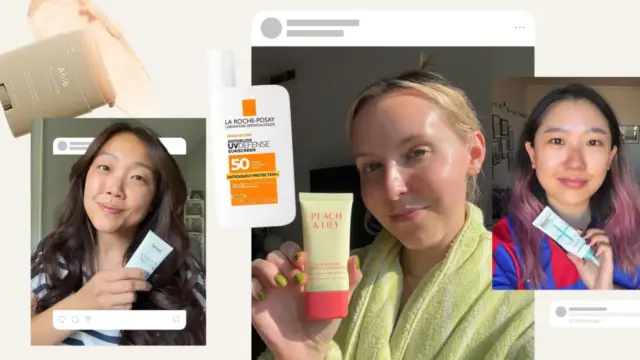
Investing in beauty tools and products is an inherently personal experience. Whether consumers are searching for a specialized face cream to combat persistent dryness, a new nail treatment for a weekly self-care regimen, or simply browsing the latest innovations in the hair care market, trust in expert recommendations is paramount. Achieving that level of trust requires a commitment to diverse perspectives within both the editorial staff and the external testing panels.
A comprehensive evaluation process must account for how products perform across different demographics, ages, skin tones, hair textures, and personal backgrounds. By collaborating with a wide range of outside testers and industry experts alongside a diverse internal team, beauty publications aim to ensure that product recommendations are genuinely inclusive, fair, and reliable for every reader who turns to them for guidance.