
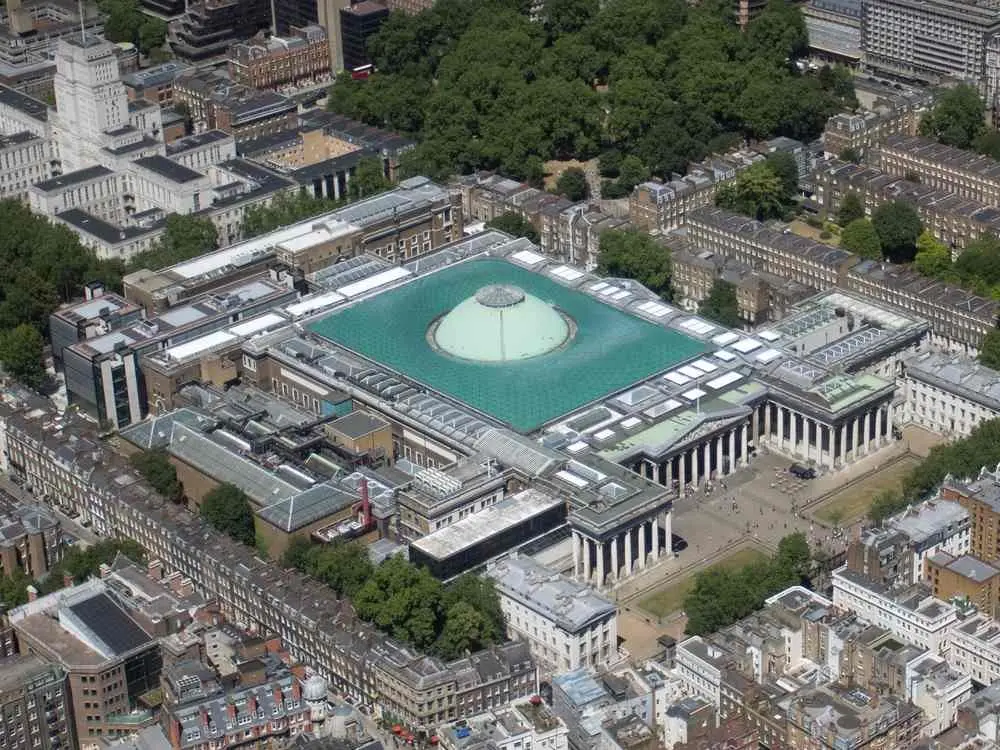
The policy safeguards free admission across 14 of the United Kingdom’s most renowned cultural landmarks. This esteemed group includes the British Museum, the National Gallery, and the Natural History Museum, among several other premier institutions. Together, these venues welcome tens of millions of domestic and international visitors every single year, serving as cornerstones of the nation’s tourism economy and global cultural prestige.
The decision to maintain free access for overseas tourists was prompted by an independent review published in December. Spearheaded by former Labour Party minister Margaret Hodge, the review evaluated various funding and operational models for the nation’s cultural sector. Hodge’s report had suggested that implementing a charging model for international tourists could align the United Kingdom with other global destinations, such as New Zealand and Singapore. Those countries successfully employ a dual-tier framework that charges an entry fee to international visitors while retaining entirely free entry for local citizens and residents.
In response to the recommendation, the Department for Culture, Media and Sport (DCMS) carefully considered the notion of tourist admission fees. The department initiated months of widespread consultations, engaging not only with museum directors and tourism boards but also with local community leaders and cultural stakeholders across the country to gauge the potential ripple effects of such a policy shift.
Ultimately, however, the government concluded that introducing fees would carry unintended negative consequences that outweighed the potential financial benefits. In an official statement detailing the decision, the DCMS explained that the administration firmly believes charging overseas visitors could inadvertently deter domestic visitors as well. Furthermore, the department noted that the impacts and benefits of implementing a charging structure would not be felt equally across the broader museum sector, sealing the decision to reject tourist admission fees.
Free admission to the UK’s national museums has a storied history rooted in modern cultural policy. The landmark initiative was first instituted in 2001 under the Labour government led by then-Prime Minister Tony Blair. Over the past two decades, the abolition of upfront admission fees has been widely credited with democratizing access to art, history, and science, transforming major galleries and museums from exclusive spaces into vibrant public hubs accessible to people from all walks of life.
The decision has been met with widespread enthusiasm from civic leaders and cultural advocates who champion the societal value of open-access education and heritage. London’s Mayor, Sadiq Khan, was among the first to voice his strong support for the government’s commitment.
"It’s great news that the government has committed to continuing to keep museums free for everyone," Sadiq Khan said, emphasizing the profound impact of the policy on both residents and travelers. "By keeping these important venues open to all, we will continue to educate and entertain generations to come and show why we are the culture capital of the world, as we build a fairer, more inclusive London for everyone."
The preservation of free entry ensures that families, students, and travelers from across the globe will continue to enjoy unrestricted access to humanity’s shared heritage, safeguarding the UK’s position as a welcoming destination for global tourism and cultural exchange.