

Life during that initial stay was defined by simplicity. Days melted together through reading on the sand, snorkeling in clear waters, enjoying beers at the island’s single beach bar, and rotating meals among a meager selection of five local restaurants before turning in early. It was an isolated paradise where travelers frequently found themselves losing track of time, allowing days to easily stretch into weeks. For Kepnes, who has traveled extensively across the globe, that prolonged stint on Ko Lipe long stood out as the single greatest highlight of his journeys—a period marked by deep connections with locals, rudimentary Thai language practice, and the creation of lasting friendships.
For nineteen years, however, Kepnes intentionally avoided returning to the island. Fearing the phenomenon of "chasing travel ghosts," he worried that any modern revisit would shatter the powerful, nostalgic memories he held so dearly, especially since he knew the sleepy tropical enclave would inevitably have undergone significant changes. Furthermore, witnessing the rampant and often unsustainable nature of tourism development across Thailand’s islands—where the prevailing trend has historically been continuous, unregulated construction—was a prospect he was eager to miss.
The reunion finally materialized out of logistical convenience during a recent journey through Southeast Asia. While heading down the Indian Ocean coast of Thailand toward Malaysia and searching for a lively destination to spend New Year’s Eve, Ko Lipe re-entered his itinerary. Recognizing that nearby island alternatives were sparse and that Ko Lipe offered direct ferry connections to his subsequent stop in Langkawi, Malaysia, he decided to face his apprehensions and make the return trip.
The reality of contemporary Ko Lipe, however, proved difficult to process. Kepnes reports that the island has fully embraced the heavily developed model of destinations like Ko Phi Phi, resulting in an unsustainable level of commercialization. Much of the island’s interior has been paved over, transforming historic dirt footpaths into concrete roads heavily trafficked by cars and construction trucks. Expansive swaths of native palm trees have been cleared to make way for high-end resorts complete with swimming pools—a particularly troubling addition on an island that lacks any natural freshwater supply.
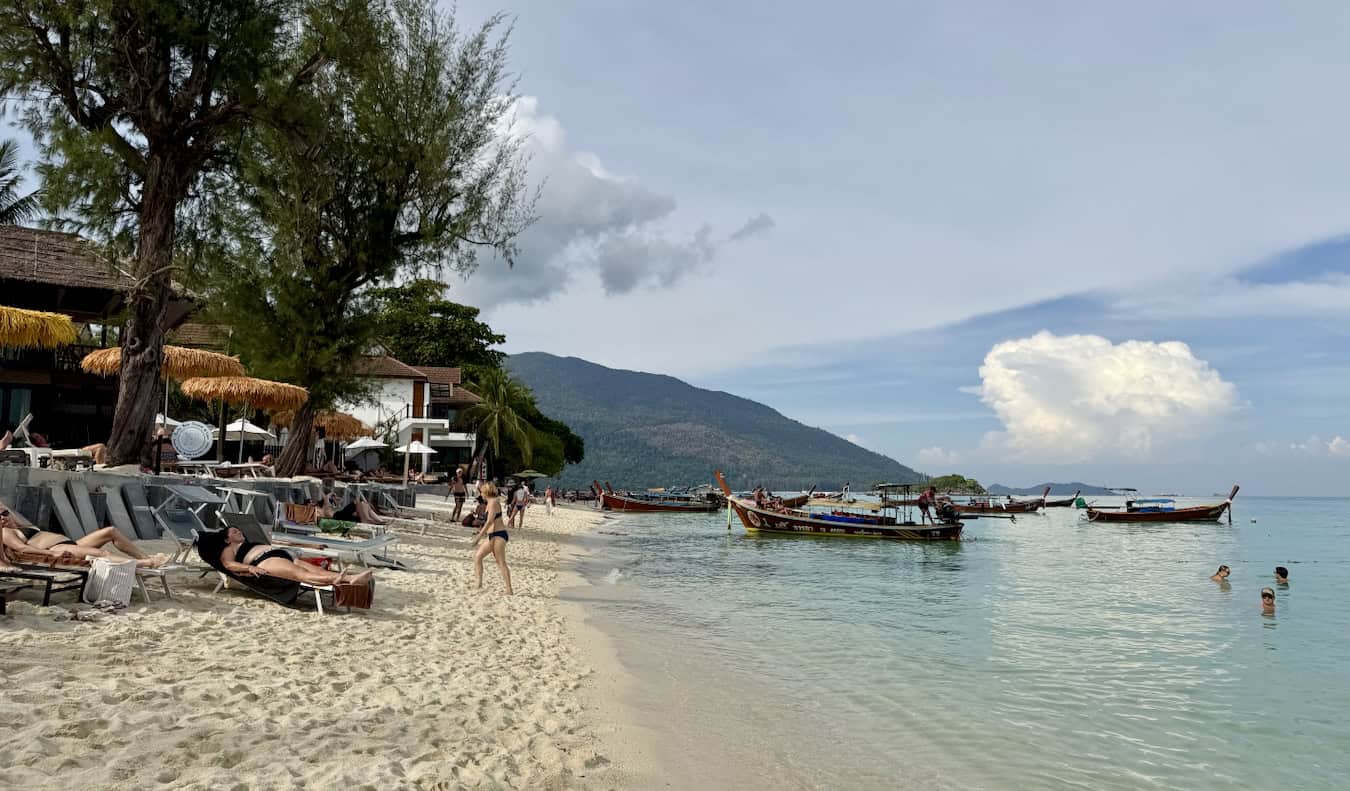
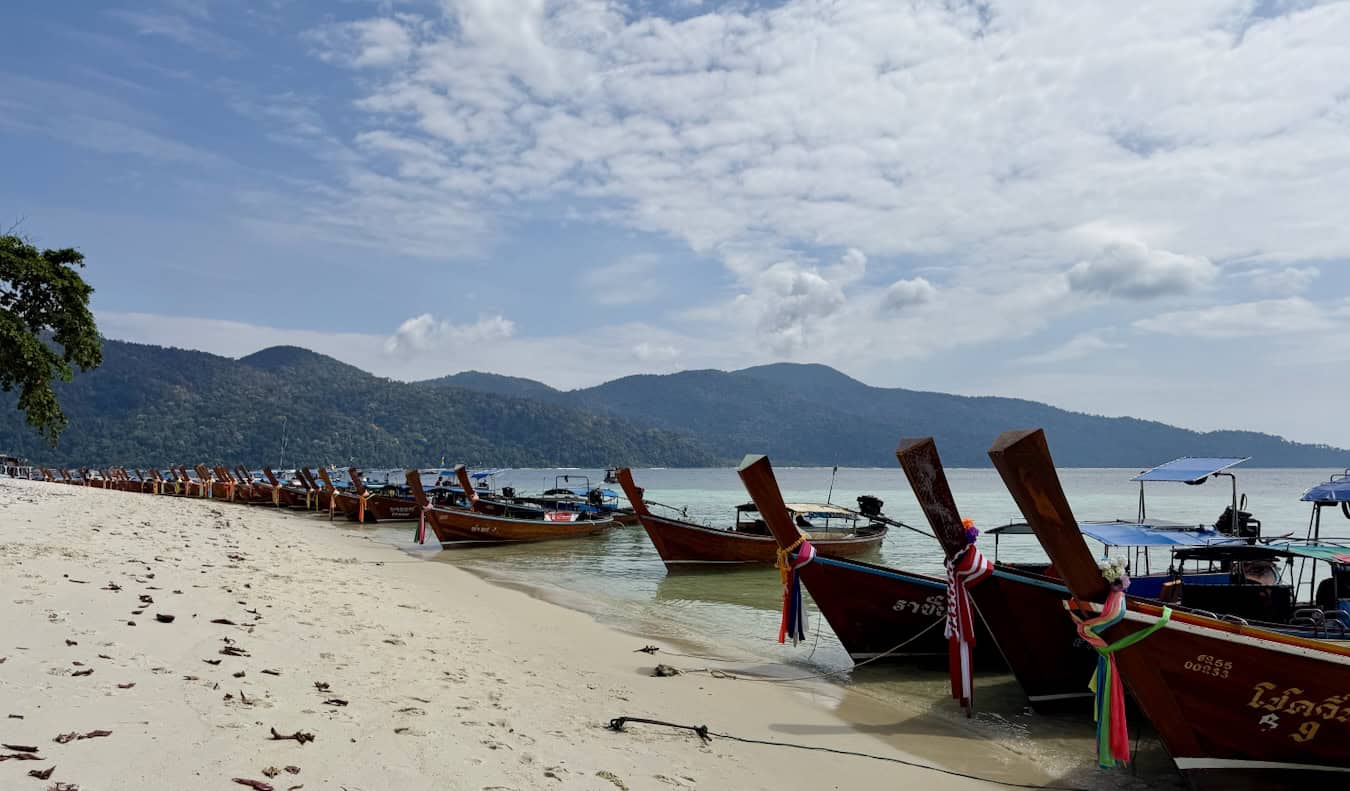
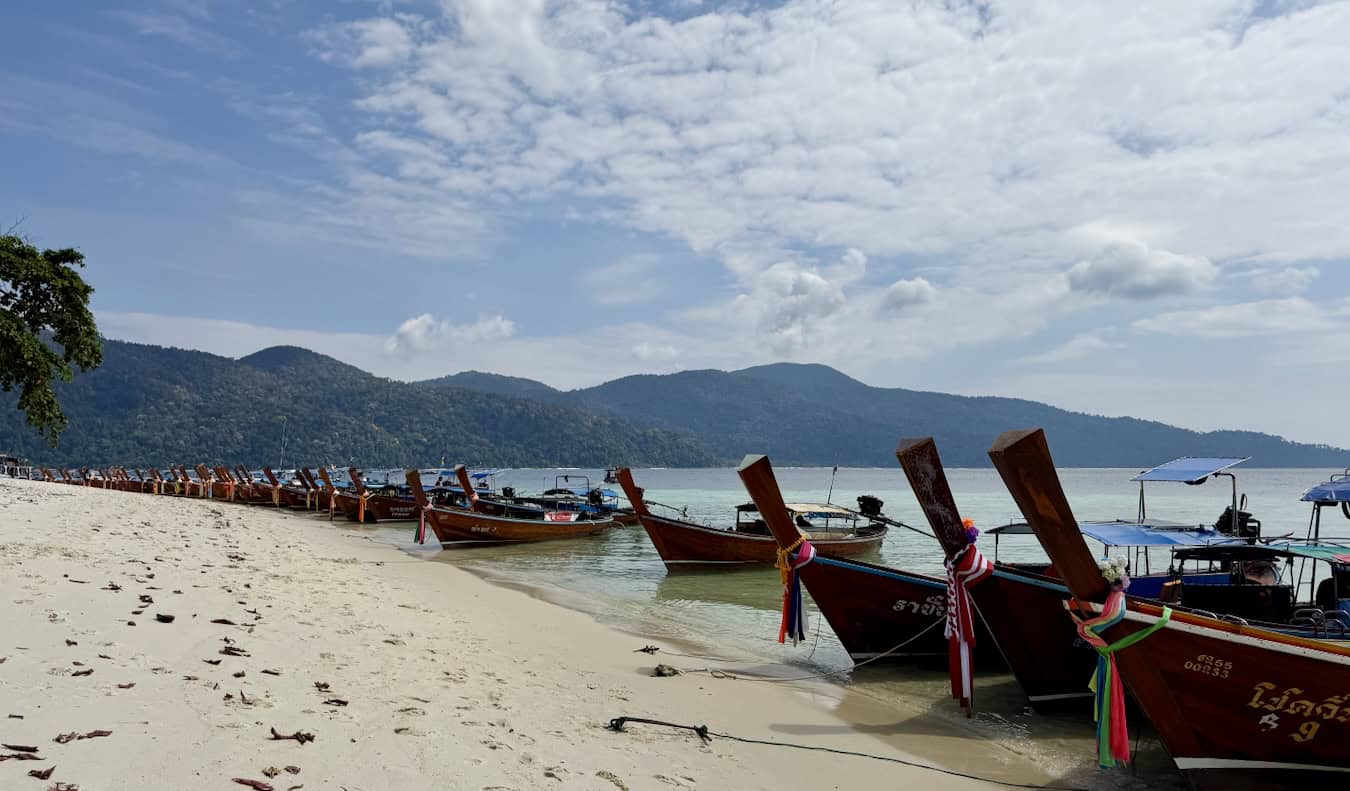
Meanwhile, construction cranes and building projects continue at a frantic pace across the territory. The surrounding marine ecosystem is visibly suffering, with fragile coral reefs dying off under the immense pressure of increased boat traffic, dropped anchors, coastal pollution, and overfishing. The shoreline is now densely packed with longtail boats whose exhaust spills directly into the water, leaving a noticeable chemical sheen that swimmers must navigate. On land, the culinary landscape has shifted away from authentic Thai cuisine to cater heavily to tourists demanding Western fast food and comfort items.
The rapid economic boom has also reshaped the island’s social fabric. Many indigenous residents have been forced to sell their land to mainland developers and relocate, while a significant portion of the island’s current workforce consists of laborers brought in from the mainland who see very little financial benefit from the multi-million-dollar tourism influx. Ko Lipe now stands as yet another cautionary tale of Thailand’s broader struggles with overdevelopment and the aggressive exploitation of fragile island resources.
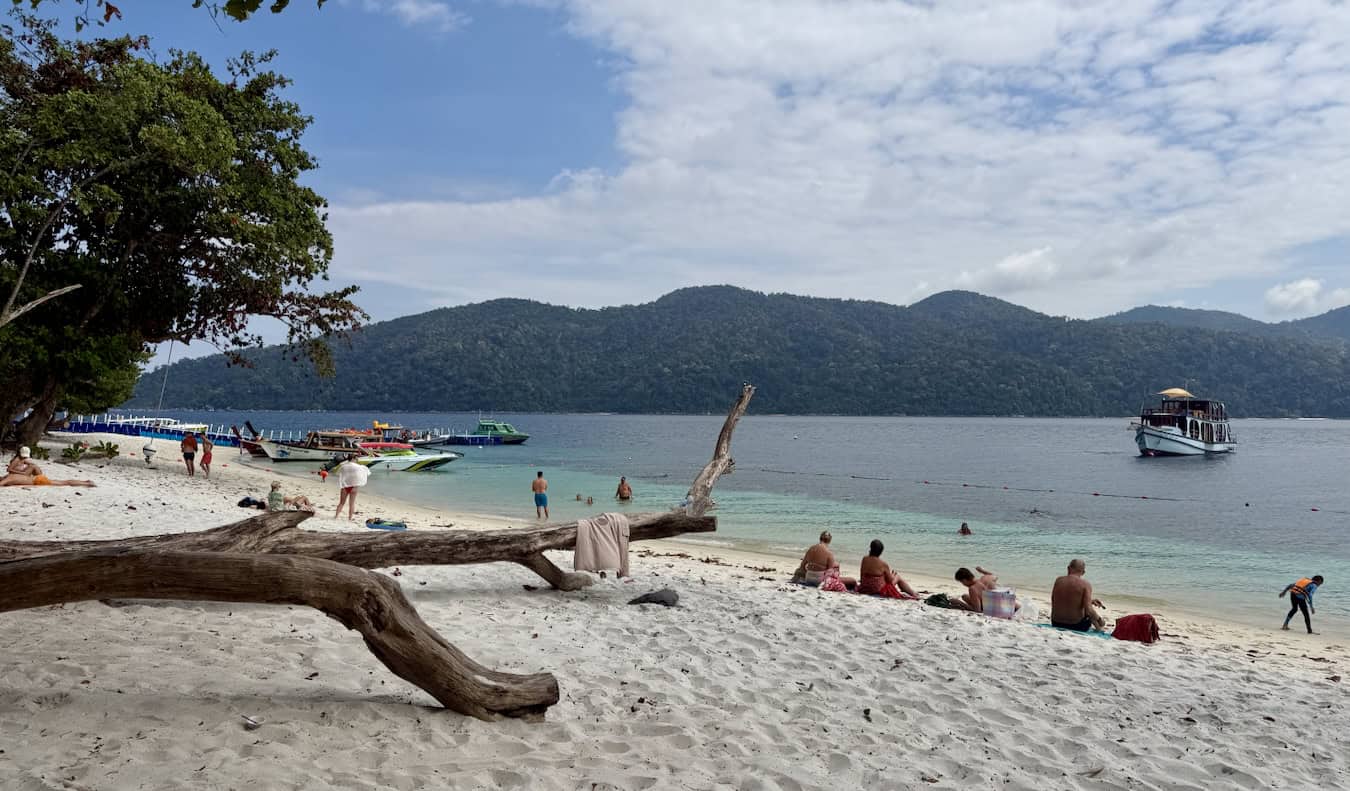
Despite these severe ecological and social transformations, Kepnes acknowledges why first-time visitors continue to fall under the island’s spell. The surrounding natural scenery remains postcard-perfect, featuring vibrant azure waters, powdery white sand beaches, and proximity to a protected national marine park that offers access to stunningly secluded neighboring islands via day tours. Measured against the even heavier congestion found in Phuket, Krabi, or Ko Phi Phi, Ko Lipe can still elicit a sense of awe from newcomers stepping onto its shores for the very first time.
Yet, reflecting on the profound degradation of the island’s environment and infrastructure, Kepnes arrives at a firm and uncompromising conclusion: travelers should actively choose to bypass Ko Lipe. While he stresses that he is not inherently opposed to economic growth or progress, the specific type of unmanaged, exploitative expansion seen on the island places an unsustainable burden on limited local resources. Because the clock cannot be turned back, and local residents cannot be expected to remain impoverished simply to preserve an idealized foreign fantasy of island life, the current trajectory is fundamentally broken.
For conscientious travelers seeking a more balanced experience, Kepnes suggests redirecting their journeys toward better-managed neighboring islands in the region, such as Ko Lanta, Ko Jum, or Ko Mook. He emphasizes that individual consumer choices carry tangible weight within the global tourism industry. Past shifts in consumer consciousness successfully drove widespread changes regarding ethical animal tourism, such as the decline of elephant riding, and fueled the explosive growth of the eco-lodge sector.
Whether a collective boycott or a shift in travel patterns could eventually force a policy reversal on Ko Lipe remains deeply uncertain. However, by choosing alternative destinations, modern travelers can at least ensure they are no longer contributing directly to the ongoing degradation of a once-pristine ecosystem. For Kepnes, walking away from a place that once meant so much is a painful decision, but one made necessary by the simple reality that, in the case of Ko Lipe’s relentless overdevelopment, enough is finally enough.