
Back in 2006, Ko Lipe was a sanctuary for the most intrepid travelers. Electricity was a luxury available for only a few hours each day, basic beachside bungalows cost roughly two dollars a night, and catching the literal last boat of the season meant total isolation. Activities were simple and deliberate: lounging on the pristine white sand, reading, snorkeling, visiting the island’s single beach bar, rotating meals among a handful of local eateries, and turning in early under the stars. It was a place where days easily bled into weeks, and for many, it became the definitive highlight of their global travels—a masterclass in the classic, care-free backpacker lifestyle.
For nineteen years, however, that memory was left untouched. The fear of tarnishing a pristine past kept the traveler away, wary of chasing ghosts in a landscape bound to have changed. Knowing that Thailand’s tourism industry has historically leaned toward aggressive, unregulated development—the familiar pattern of building without restraint—added to the hesitation. Yet, while planning a recent journey down the Indian Ocean side of Thailand toward Malaysia for the New Year holiday, the logistics aligned. Needing a lively destination with an international connection to Langkawi, Ko Lipe re-entered the itinerary.
The reality of the return proved sobering. Ko Lipe, it appears, has fully embraced the Ko Phi Phi model of tourism, resulting in severe overdevelopment that threatens the very ecosystem that put it on the map.
The Changing Face of a Thai Sanctuary
Much of the island’s natural topography has been systematically paved over. The historic dirt footpaths that once crisscrossed the landscape have been replaced by concrete roads designed to accommodate cars and heavy construction trucks. Swaths of native palm trees have been uprooted to clear space for high-end resorts complete with swimming pools—a staggering architectural choice for an island lacking any natural freshwater supply. Meanwhile, construction machinery continues to reshape the interior at a rapid pace.
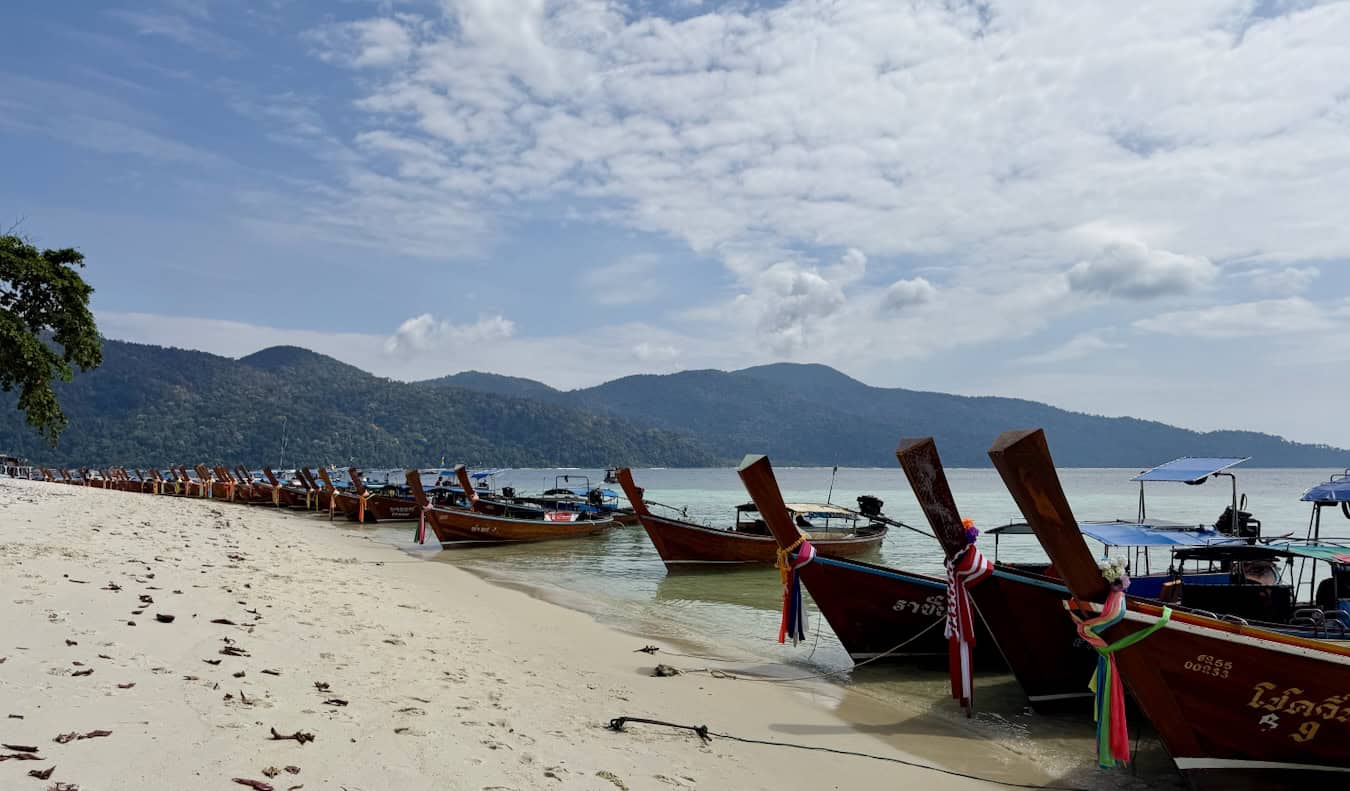
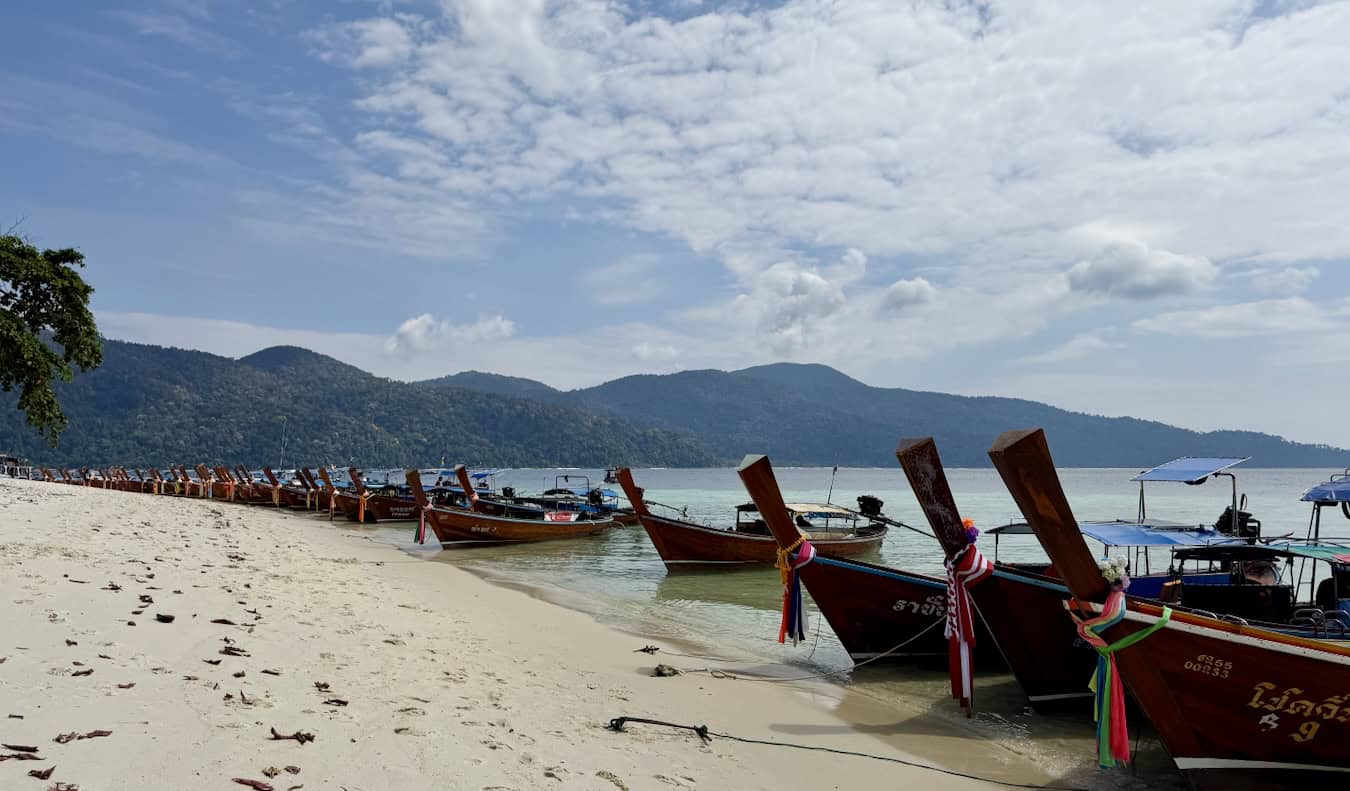
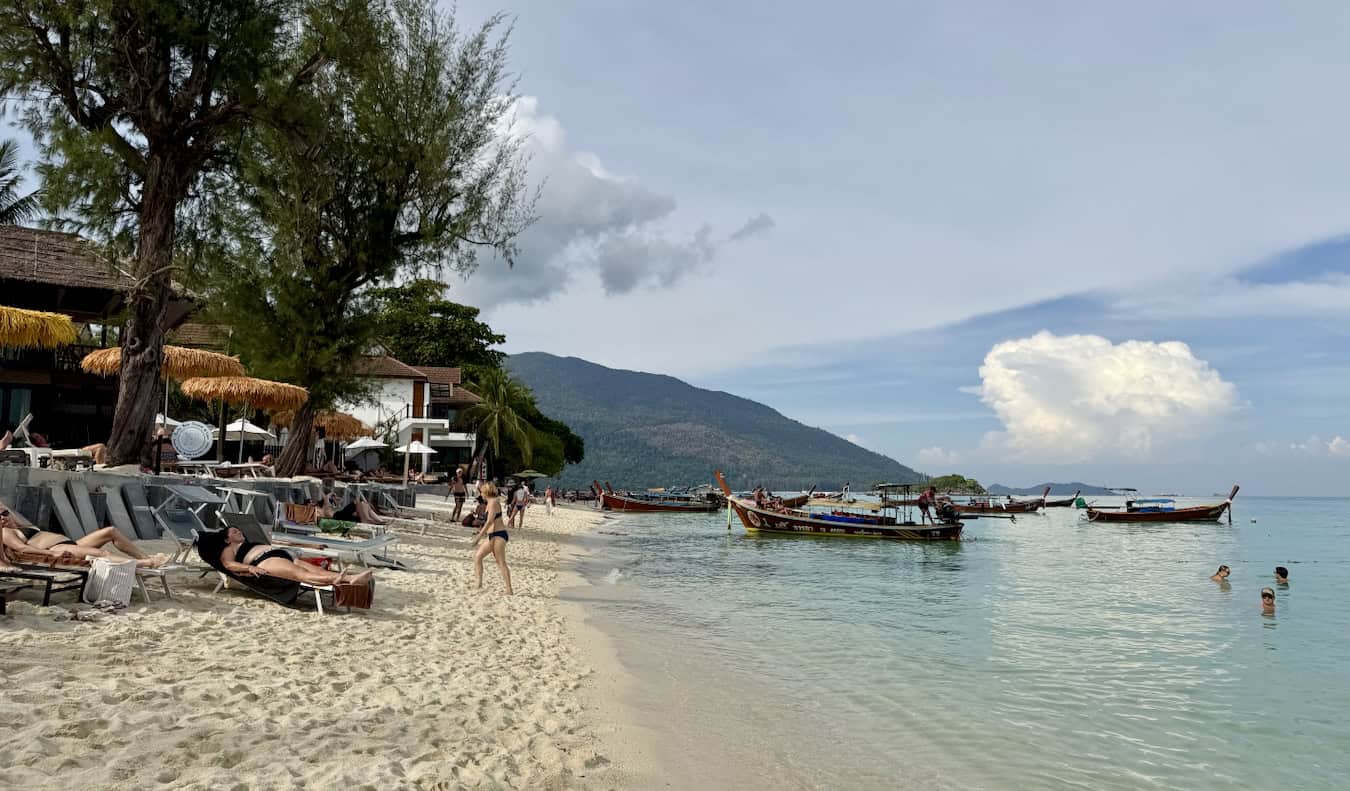
The marine environment has borne an equally heavy cost. The surrounding coral reefs are steadily dying, choked by the relentless traffic of tour boats, dropped anchors, marine pollution, and overfishing. The coastline is now densely lined with longtail boats, their engines spilling exhaust directly into the shallows and leaving a shimmering film of oil visible to swimmers. Ashore, the culinary landscape has shifted away from authentic regional cuisine to cater instead to tourists seeking generic Western fare.
This rapid economic boom has also restructured the local community. Many indigenous residents have been pressured or forced to sell their land to mainland developers. Consequently, a significant portion of the island’s current workforce originates from the mainland, capturing very few of the financial benefits generated by the tourism surge. Ko Lipe now stands as yet another casualty of Thailand’s persistent struggle with overexploitation and the strain placed on finite island resources.
Weighing the Allure Against the Impact
To a first-time visitor, the island’s enduring appeal is still easy to understand. The region retains its postcard-perfect aesthetics: the water shimmers in shades of brilliant azure, the sand remains blindingly white, and its location within a protected national park provides access to stunning, secluded neighboring islands via local boat tours. Measured against the even heavier commercialization of destinations like Ko Phi Phi, Krabi, or Phuket, Ko Lipe can still elicit gasps of awe from newcomers.
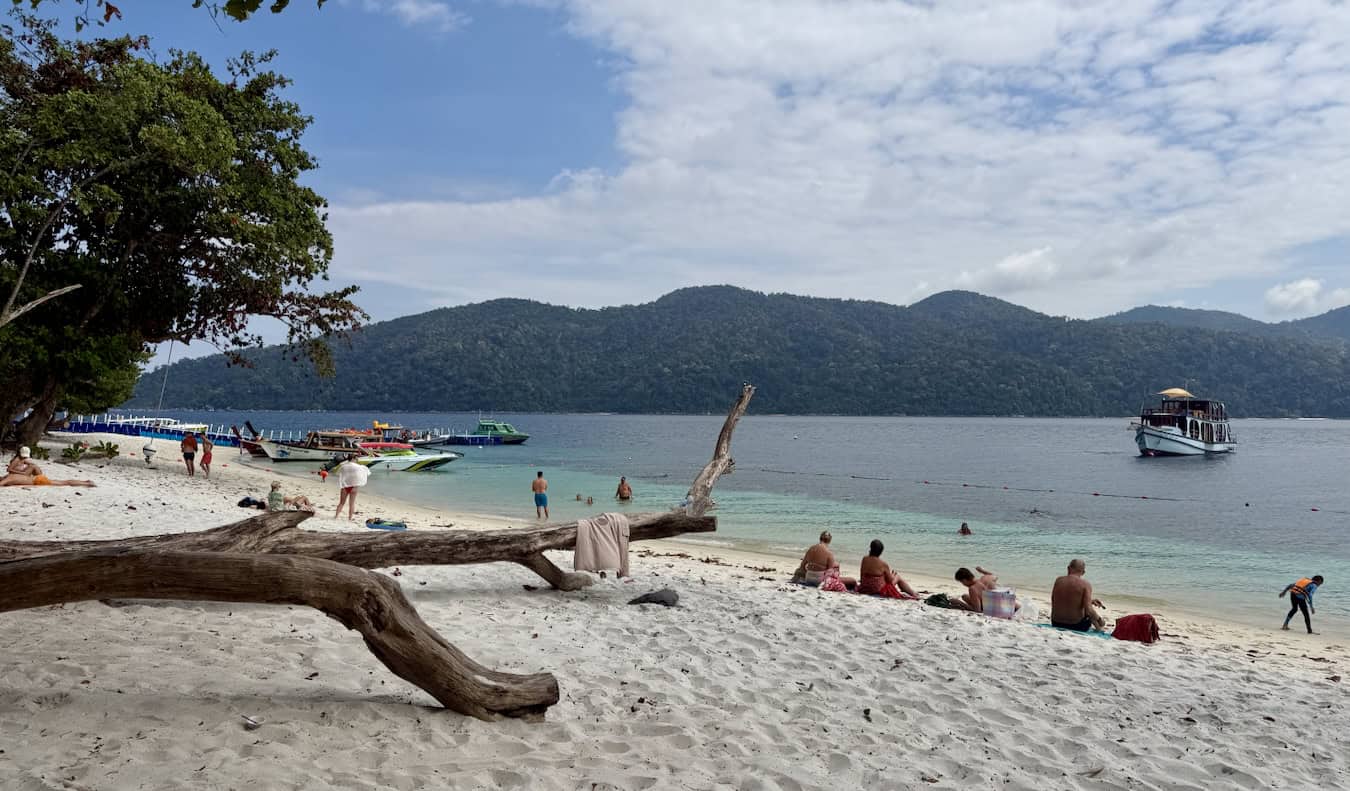
Yet, this superficial charm masks deeper systemic issues. Observers and experienced travelers argue that the responsible choice for conscientious global citizens is to bypass Ko Lipe entirely. Growth in and of itself is not inherently negative, but the poorly managed, reactive expansion seen on the island places an unsustainable burden on fragile local infrastructure and ecosystems. The genie cannot easily be put back into the bottle, and local stakeholders cannot reasonably be expected to reject economic advancement purely to preserve an outsider’s romanticized vision of paradise.
Still, viable alternatives exist. Travelers seeking authentic, well-managed coastal experiences in the region can look to nearby islands such as Ko Lanta, Ko Jum, and Ko Mook, where tourism has been handled with greater regard for sustainability.
The dilemma highlights a broader truth about modern travel: consumer choices carry tangible weight. Historic shifts in travel behavior—such as the widespread decline in elephant riding and the explosive growth of eco-lodges—prove that conscientious consumer demand can drive industry-wide reform. While individual decisions may not immediately reverse decades of infrastructure development on Ko Lipe, opting to visit better-managed destinations ensures that travelers do not actively contribute to the ongoing degradation of overwhelmed ecosystems. Sometimes, being a responsible steward of the earth means simply recognizing when enough is enough.