The 150-year-old sycamore, which stood proudly in a dramatic dip along the rugged, Roman-era Hadrian’s Wall in Northumberland, was cut down by vandals in a late-night incident in 2023 that sent shockwaves of grief and indignation across the United Kingdom. Prior to its destruction, the solitary tree framed by the undulating landscape of the English countryside was widely recognized as one of the most photographed trees in the nation. It had served for generations as a poignant, living symbol of the North of England, drawing millions of sightseers, artists, and nature enthusiasts from across the globe.
When the vandals struck, their chainsaw made a surprisingly clean cut through the trunk. At the time, arborists and forestry experts cautiously suggested that this precise cut might leave the tree’s ancient, deeply established root system intact enough to potentially allow for natural regeneration through a process known as coppicing.
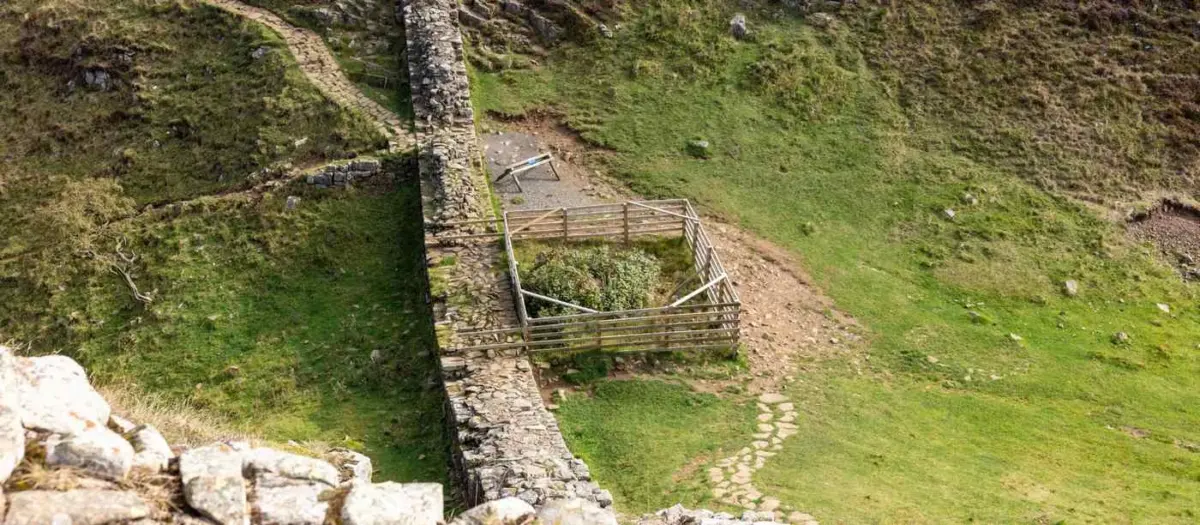
Those early professional hopes are now visibly bearing fruit. Recent inspections and aerial imagery from the site show that the historic stump, nestled against the ancient stone fortifications of Hadrian’s Wall, has sprouted a thick, vibrant ring of healthy new shoots. These vigorous basal sprouts have already reached heights of between two and three feet, transforming the somber grey timber of the leftover stump into a vibrant circle of green foliage.
"These flourishing shoots are really encouraging and show that the special measures we’ve taken—including reducing soil compaction around the roots and limiting human disturbance—are paying off," said Andrew Poad, General Manager for the National Trust at Hadrian’s Wall, reflecting on the arduous conservation efforts required to protect the site during its fragile initial stages of recovery.
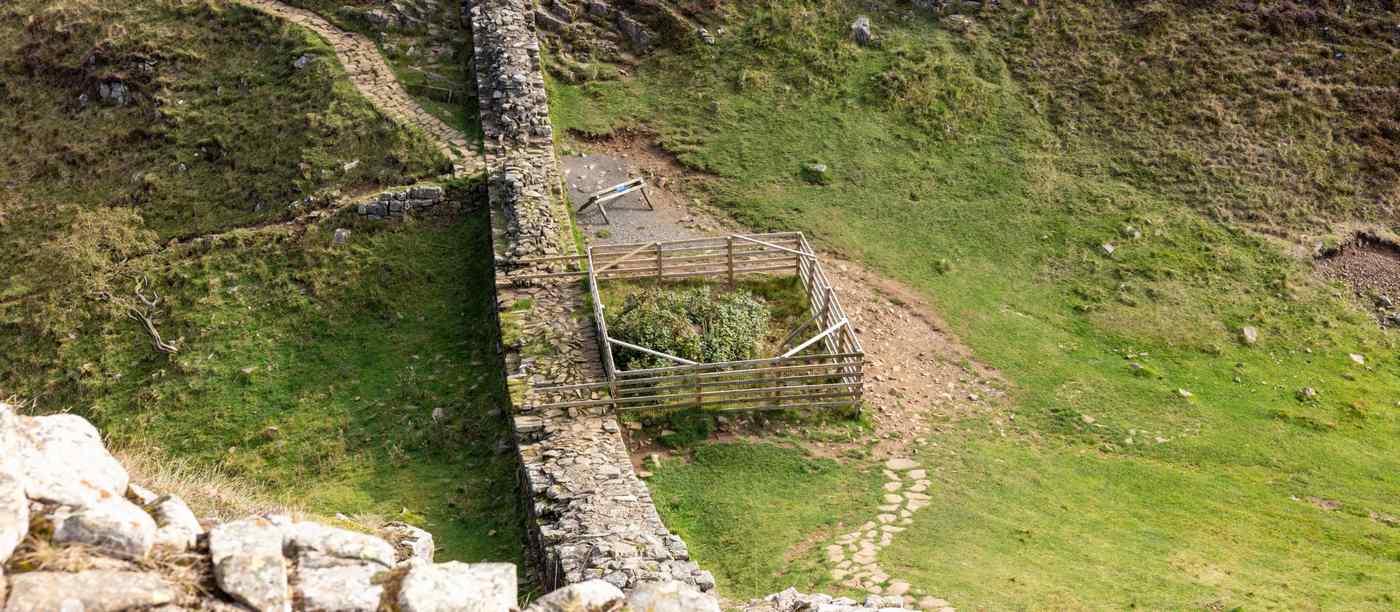
In the wake of the 2023 felling, heritage and conservation organizations faced the immediate challenge of managing the massive influx of grieving visitors while simultaneously safeguarding the exposed stump from further damage. Protective barriers were erected, footpaths were carefully managed to alleviate heavy foot traffic, and soil aeration techniques were applied to give the surviving root network the best possible environment to draw in nutrients and moisture without interference.
"We’re grateful to all the visitors who, through the care they’re taking, are supporting our efforts to protect the tree and give it the best possible chance to thrive," Poad added, emphasizing the vital role that public cooperation has played in the ongoing stewardship of the landmark.
Even as the natural regeneration process unfolds at the historic site in Northumberland, the legacy of the original tree has been actively preserved and multiplied across the broader British landscape. In the months following the incident, experts from the National Trust and partner organizations carefully harvested viable seeds from the fallen branches. From those salvaged seeds, horticulturists successfully cultivated 49 saplings. These young trees have since been distributed to various communities, schools, and public spaces across the UK, ensuring that living descendants of the legendary sycamore will take root far beyond its original home.
Looking ahead, biologists and arborists have offered an optimistic, albeit long-term, outlook for the recovery at Hadrian’s Wall. Thanks to the massive, highly established root system that has fed the tree for a century and a half, scientists estimate that it could take approximately 150 years—ironically, roughly the same age as the original tree when it was cut down—for the regrowing canopy to return to something resembling its former majestic size.
For everyday hikers and travelers visiting the site in the nearer future, the timeline for enjoying the landmark’s physical benefits is much shorter. Experts project that visitors could find themselves sitting comfortably beneath the shade of the growing branches in as little as a decade, as the thicket of young shoots consolidates into a more defined, substantial canopy.
As the site continues its slow yet steady transformation, conservationists remain committed to balancing public access with the delicate needs of the recovering organism. The first chapter of the Sycamore Gap’s story ended in heartbreak three years ago, but these latest developments mark a resilient new beginning for a landmark that refuses to fade into memory.