Increasingly, solo dwellers across the country are confronting that exact scenario and arriving at answers that completely redefine the concept of domestic space. According to the recently released Taskrabbit 2026 Trend Report, individuals living by themselves are moving away from maintaining vacant shrines for occasional visitors. Instead, they are actively transforming their spare bedrooms, dens, and underutilized areas into dedicated sanctuaries tailored entirely to their own personal interests, hobbies, and professional pursuits.
The data highlights a significant cultural shift in how people view residential square footage. Taskrabbit’s reporting reveals a massive surge in project bookings centered around personal enrichment and home lifestyle modifications. Bookings related to podcast studios have skyrocketed by an astonishing 90 percent year over year. At the same time, demand for home gyms has jumped 59 percent, indoor saunas are up 35 percent, and dedicated craft rooms have seen a 33 percent increase.
This widespread architectural and lifestyle pivot forms the backbone of what Taskrabbit defines as "The Independent Home." In this emerging paradigm, solo occupants are refusing to treat their current residences as temporary holding patterns or mere pit stops on the way to some future shared household with a partner or roommate. Rather, they are choosing to invest heavily in their living environments right now, maximizing every square foot to support their current lifestyle rather than theoretical future guests. Without the need to compromise, negotiate layouts, or clear out common areas with a co-habitant, the creative possibilities for these newly liberated spaces are practically limitless.
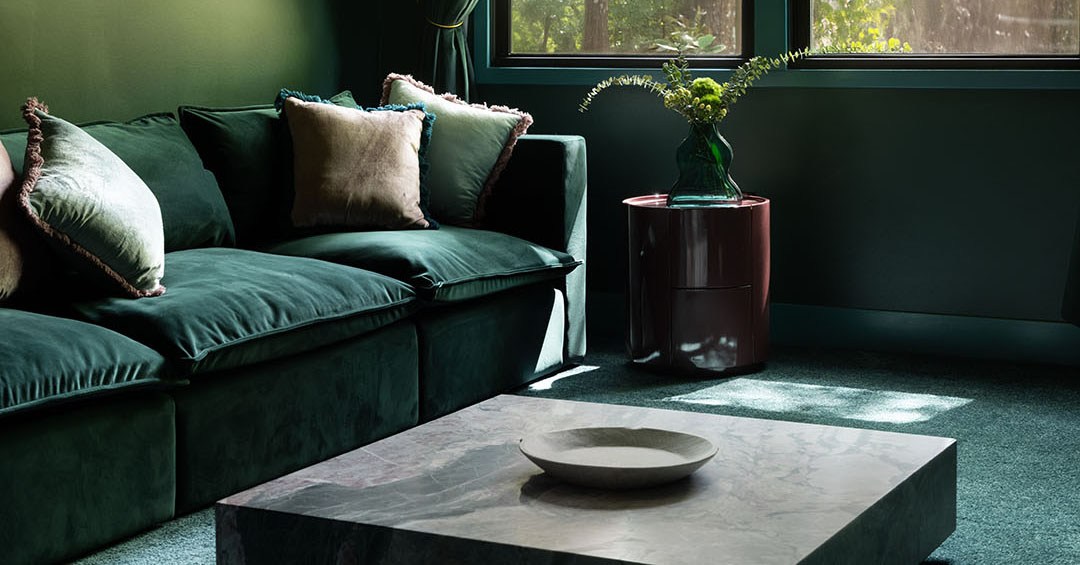
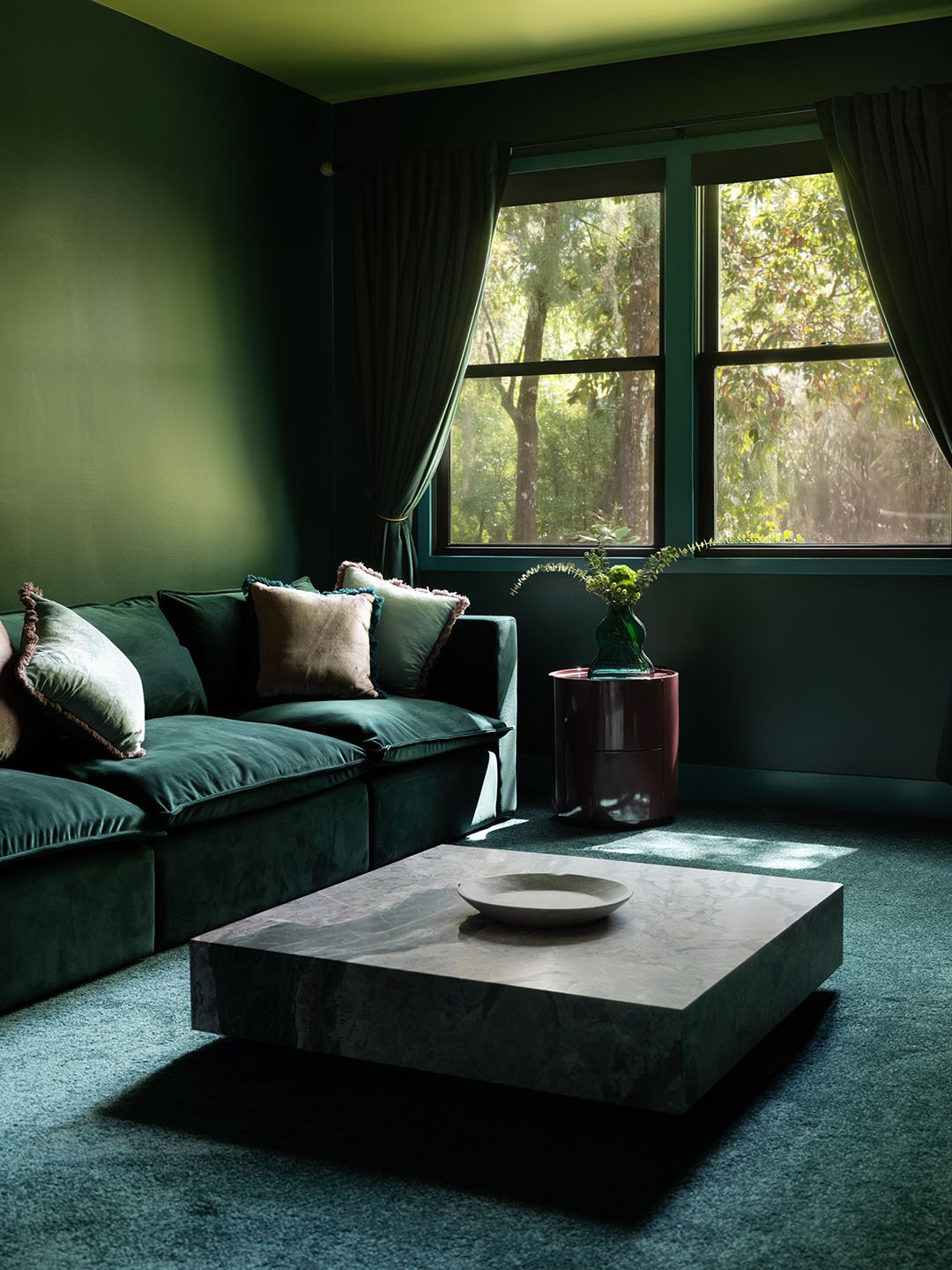
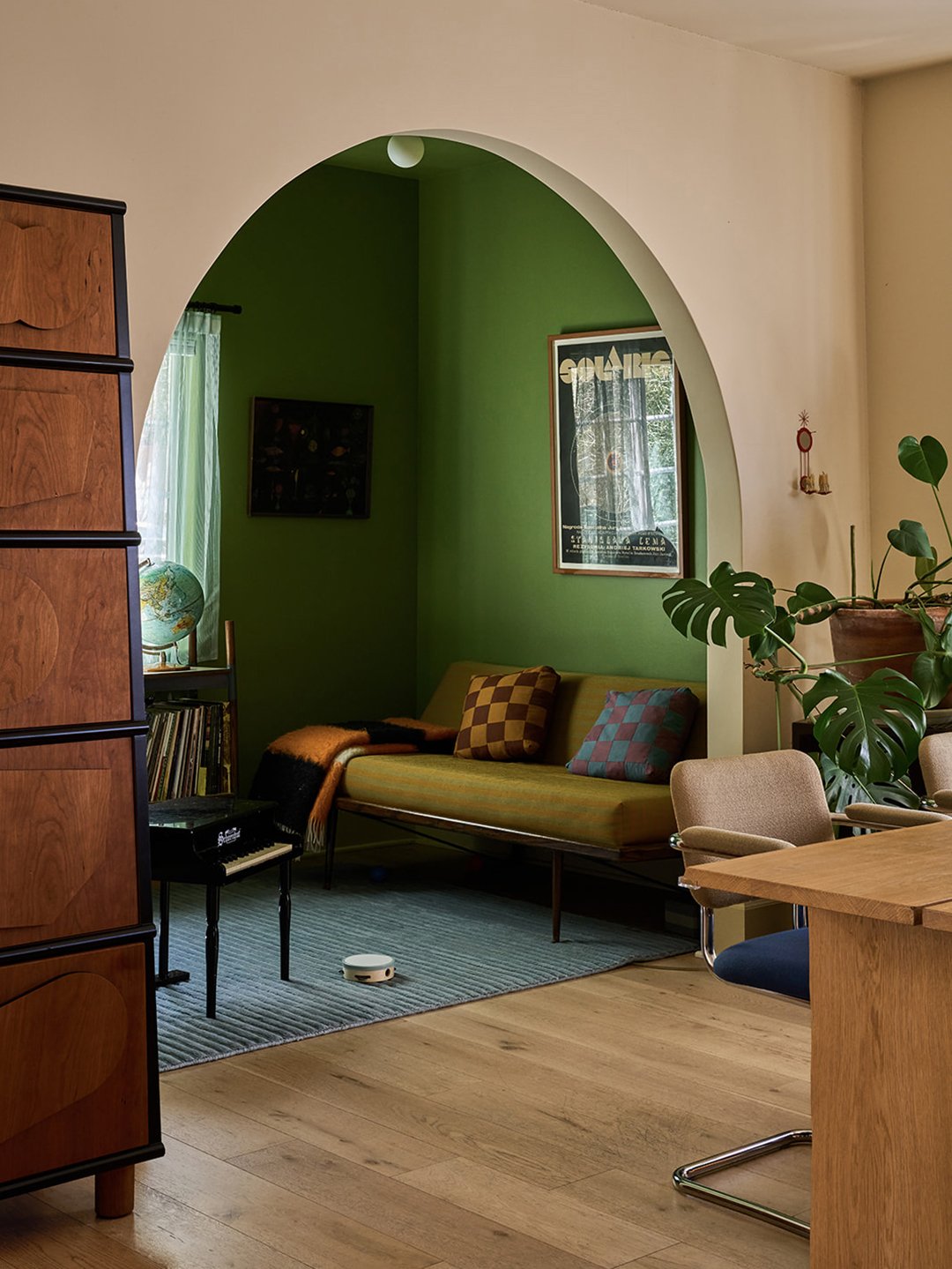
The trend manifests in myriad ways depending on the resident’s specific passions. In Florida, one homeowner famously replaced a traditional guest bed with a moody, immersive home theater, opting for cinematic luxury over a standard mattress. In Los Angeles, an artsy residence utilized an awkward, idiosyncratic pocket of architectural space to construct a dedicated music room. Elsewhere, lifestyle personality Camille Styles made headlines by converting a barely used guest bedroom into a fully functional creative studio complete with a partial kitchen, proving that productivity and aesthetic beauty can seamlessly coexist under one roof.
Yet interior designers and trend analysts note that diving into this movement does not necessarily require massive structural overhauls, high-end audio production gear, or luxury wellness installations like cold plunges and saunas. The foundational philosophy is simply about reclaiming square footage for personal utility. For many, a spare bedroom might easily evolve into a cozy reading retreat, a dedicated sewing and textile workshop, or simply an expansive area to spread out a sprawling creative endeavor without the constant pressure of having to tidy up before dinner time.
Ultimately, the rise of the independent spare room underscores a broader evolution in modern interior design and personal autonomy. It challenges the traditional domestic blueprint by suggesting that a home’s primary duty is to serve the daily well-being and happiness of its actual, everyday inhabitant. For a growing segment of solo dwellers, striking the right balance between occasional hosting duties and personal passion projects has never looked more appealing.