Following a compelling preview of the diverse exhibitions, site-specific installations, open studios, and critical conversations slated for the event, observers and design authorities alike sought to uncover which emerging ideas might endure long after the temporary installations packed up. To capture this pulse, prominent voices across the Los Angeles design scene—ranging from vanguard architects and interior stylists to independent artists and boutique shop owners—were asked to share what currently inspires them, the shifts they anticipate next, and how everyday design lovers can channel that distinct West Coast energy into their own residential spaces.
The prevailing forecast points toward a decisive cultural departure from sterile perfectionism, making room instead for unbridled personality, tactile warmth, and historical juxtaposition. Across the city’s creative enclaves, a diverse cross-section of makers and curators are championing a new era of interiors defined by rich color palettes, honest materials, and thoughtfully curated imperfections.
Hopie Hill, Co-Founder of Block Shop
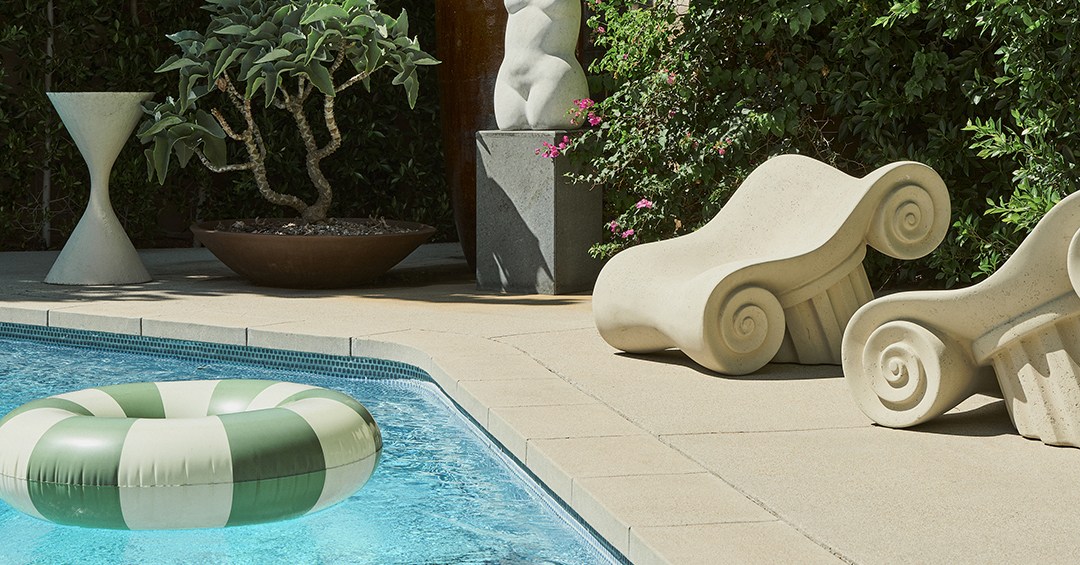
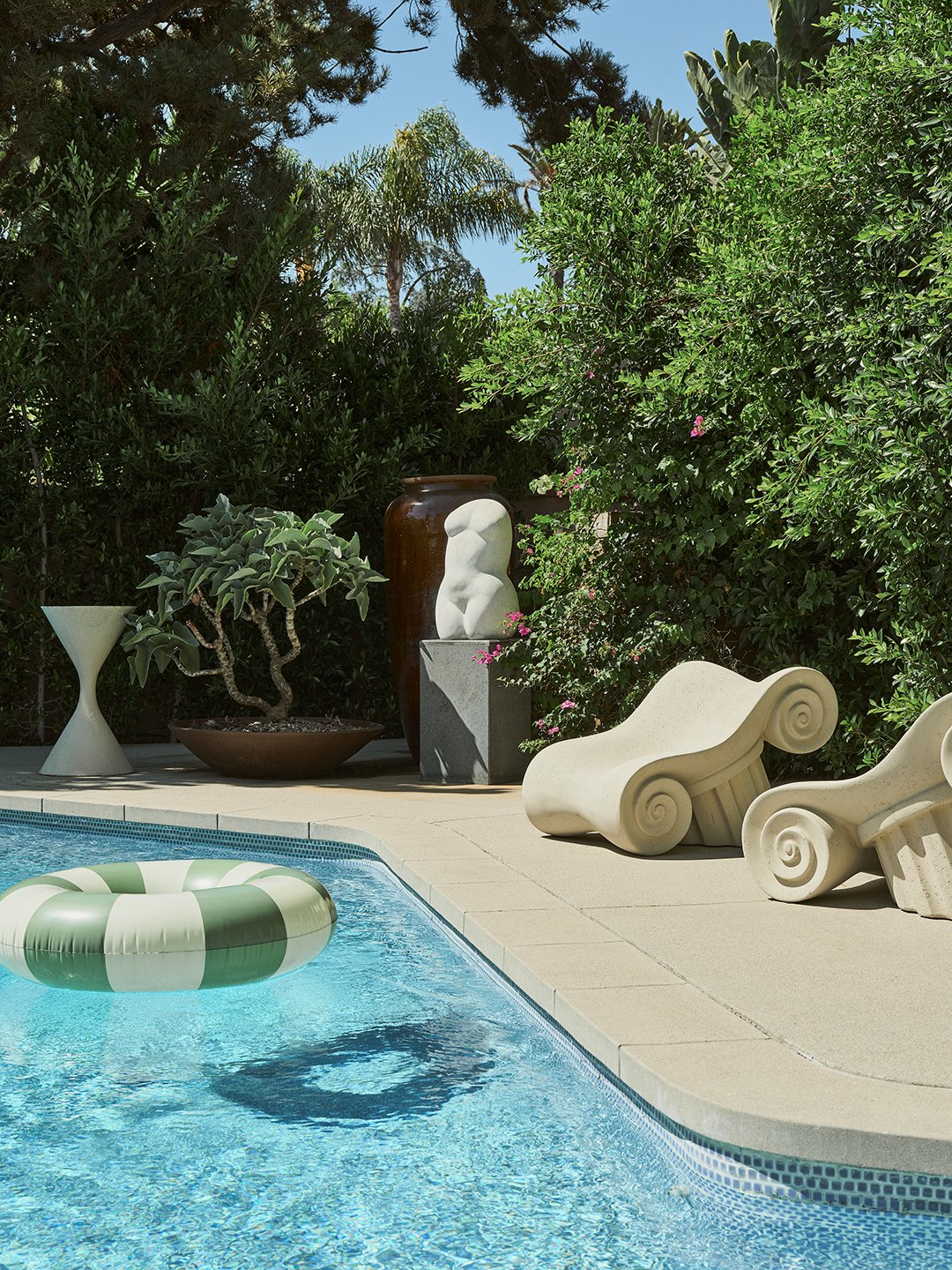
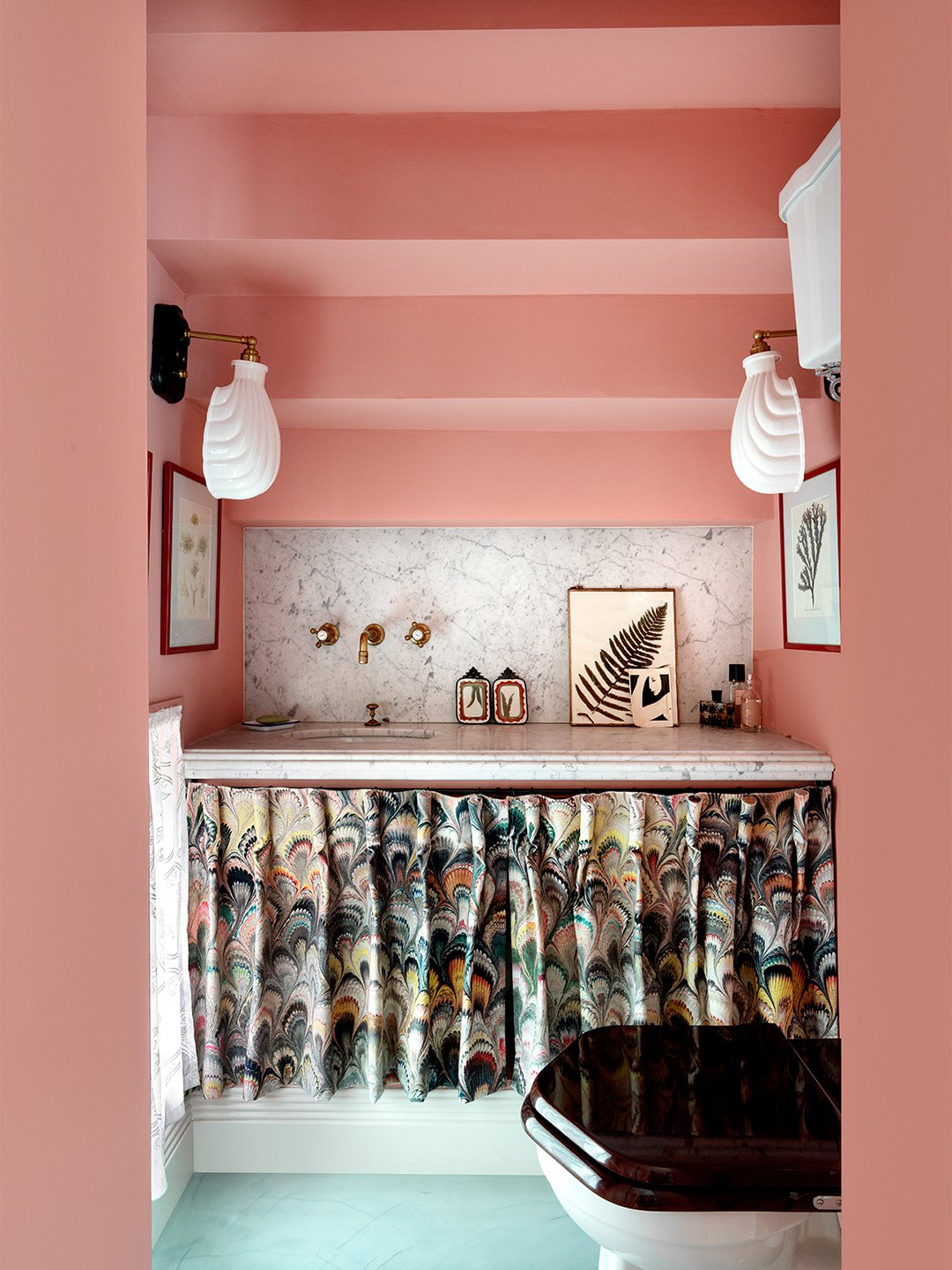
For Hopie Hill, co-founder of the renowned textile brand Block Shop, the current design landscape is heavily influenced by a return to elemental textures paired with unexpected moments of softness. Hill notes a profound appreciation for warm wood surfaces appearing throughout contemporary interiors, particularly in the form of wood-clad walls and ceilings that affectionately echo the architectural legacy of iconic spaces like the Blunk House. Simultaneously, she highlights the ubiquitous return of traditional skirts integrated around beds and beneath sinks, praising the deliberate design tension created by pairing something elemental and raw with something inherently frilly.
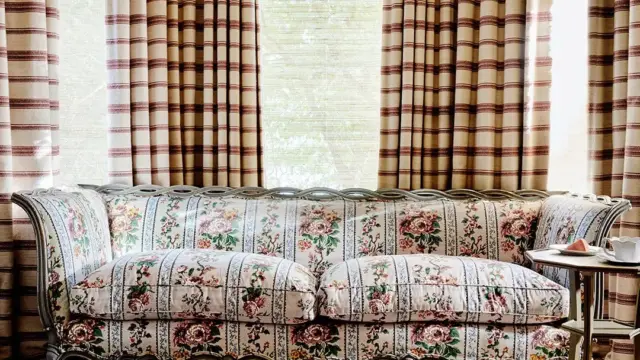
Looking ahead, Hill anticipates that interiors will embrace increasingly playful combinations of disparate time periods. She envisions rooms that seamlessly blend the clean, geometric lines of the 1980s and wild color palettes with the warm, honeyed tones of 1970s wood, weathered plaster, turn-of-the-century chintz, and objects carrying tangible personal histories. For Hill, the future belongs to spaces that feel thoughtfully collected across multiple eras, establishing a happy friction between contrasting pieces. This philosophy aligns with Block Shop’s recent creative trajectory, which includes the debut of brand-new block-printed upholstery fabrics and wallpapers specifically engineered for environments where contrasting patterns and historical periods coexist harmoniously. For homeowners looking to translate this sensibility into their own spaces, Hill suggests a simple pleated skirt around a powder room sink, describing it as a relatively inexpensive upgrade that immediately transforms a utilitarian corner into a charming, deeply considered vignette.
Ben Warwas, Founder of Byben
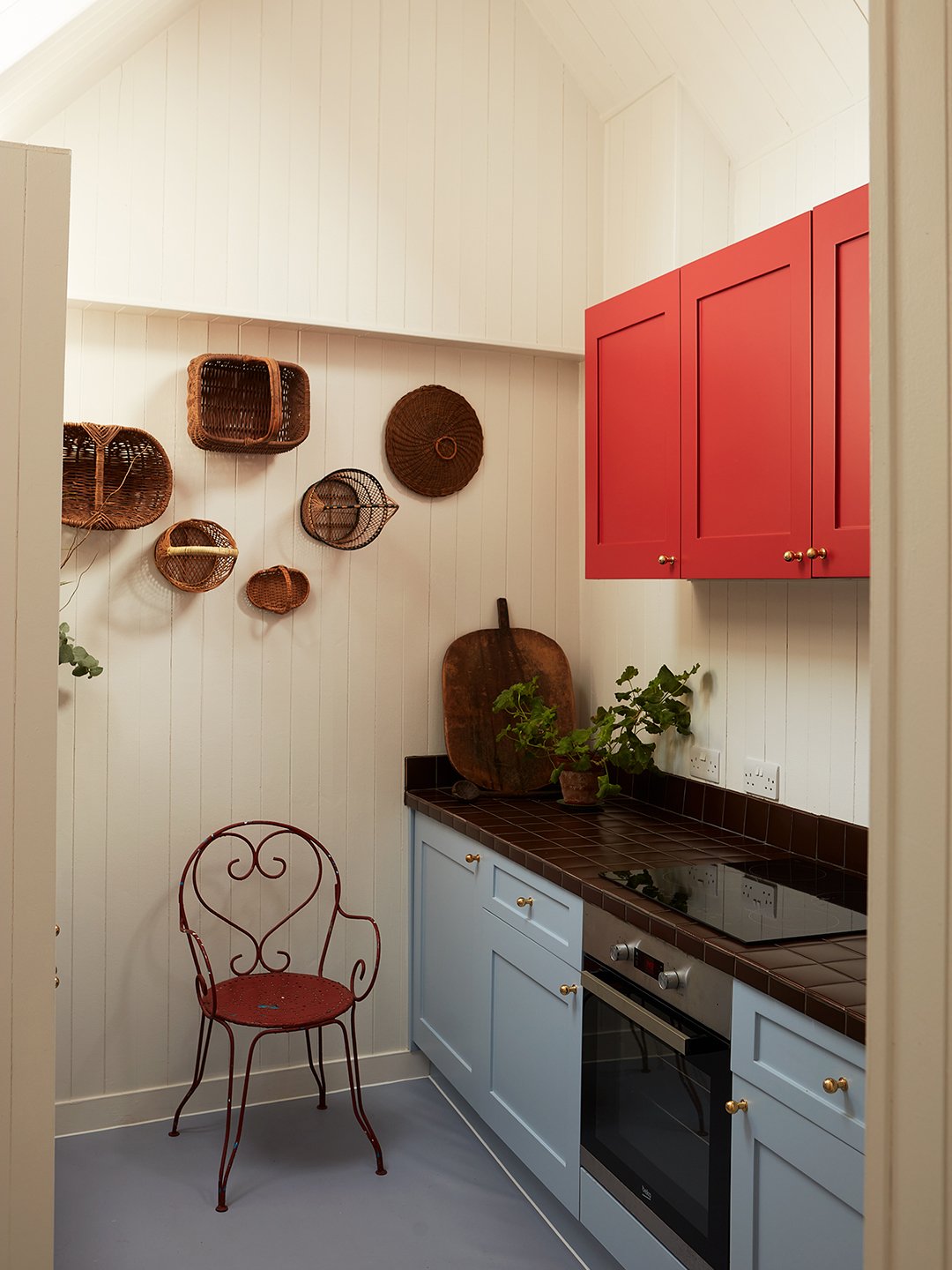
Architectural designer Ben Warwas, founder of Byben, finds immense inspiration in the unpretentious simplicity of laminate. Warwas champions the material for its ability to generate an almost surreal, single-color moment, noting his enthusiasm for crafting kitchen and bathroom cabinetry that utilizes laminate in unconventional, bold ways. During the recent design showcase, Warwas opened the doors to a newly completed JADU—a particularly petite accessory dwelling unit spanning 500 square feet or less—which was thoughtfully furnished with pieces from DEN and ceramics crafted by local artisans, alongside custom curtains showcased at the collaborative space The Feel.
Predicting the trajectory of future spatial design, Warwas asserts that the industry is steadily moving away from the stark austerity of modernism, paving the way for a resurgence of tiled countertops, saturated colors, and uninhibited whimsy. To introduce this evolving atmosphere at home, he encourages the use of expressive curtains, noting that window treatments with rich details, fringe, and structural weight serve as powerful tools for enhancing domestic coziness while expertly framing exterior views.
Jonathon Burford, Designer and Creative Director
Designer and creative director Jonathon Burford observes a long-awaited design breakthrough for a primary color that has historically been approached with caution. While recent years focused heavily on moody oxblood and deep maroon tones, Burford expresses excitement over seeing bright, unadulterated red finally claiming its own independent moment in the spotlight.
Reflecting on broader shifts in aesthetic values, Burford notes a collective fatigue with environments that feel overly pristine and serious. He anticipates a welcome return to messiness, emphasizing a desire to see visible marks of the human hand preserved within everyday objects. His core advice for homeowners centers on authenticity and longevity: investing in pieces driven by genuine affection rather than transient trends. According to Burford, if a cherished object acquires a chip, one should lean gracefully into the developing patina; if it breaks, the appropriate response is restoration rather than replacement.
Olivia Lopez, Decorator and Interior Stylist
Drawing inspiration from international material cultures, decorator and interior stylist Olivia Lopez highlights the profound influence of daily rituals observed during her recent travels to Korea. Lopez points to the extraordinary level of attention dedicated to food presentation and domestic artifacts—ranging from delicate silk fabric covers resting over teacups to intricately carved wooden serving trays, artful ramekins, and distinctive cutlery. In these cultural traditions, items that might Westernize merely as static decor function instead as active, daily ceremonies.
Lopez identifies an emerging design current characterized by the integration of Eastern traditions into international metropolitan markets like Paris, New York, and Los Angeles. This movement introduces elements such as Japanese silk screens, sheer Korean textiles, and the delicate pearl-inlay techniques characteristic of craft traditions throughout the Philippines and the broader South Pacific. For those seeking to incorporate these global narratives domestically, Lopez recommends investing in decorative vases and ceramics, emphasizing how local clays, region-specific pigment choices, and ancestral material cultures physically anchor a space to a distinct geographic origin.
Denise Portmans and Sara Marlowe Hall, Co-Founders of Merchant Modern
Denise Portmans and Sara Marlowe Hall, co-founders of Merchant Modern, are currently captivated by the immense versatility of ceramics. Recognizing clay as a medium capable of shifting fluidly between sculptural and functional, vibrant and muted, textured and minimal, the founders observe contemporary artists pushing ceramics far beyond traditional vessels into the realms of furniture, lighting, and monumental sculpture. This fluidity was central to their recent curatorial projects during the regional design week, including Objects in the Garden, which integrated sculptures, ceramics, and mixed-media objects throughout the showroom and gardens of ORCA in Highland Park, alongside Katie Thompson’s exhibition In the Window, which bridged ceramic vessels, bespoke furniture, and bronze sculptures.
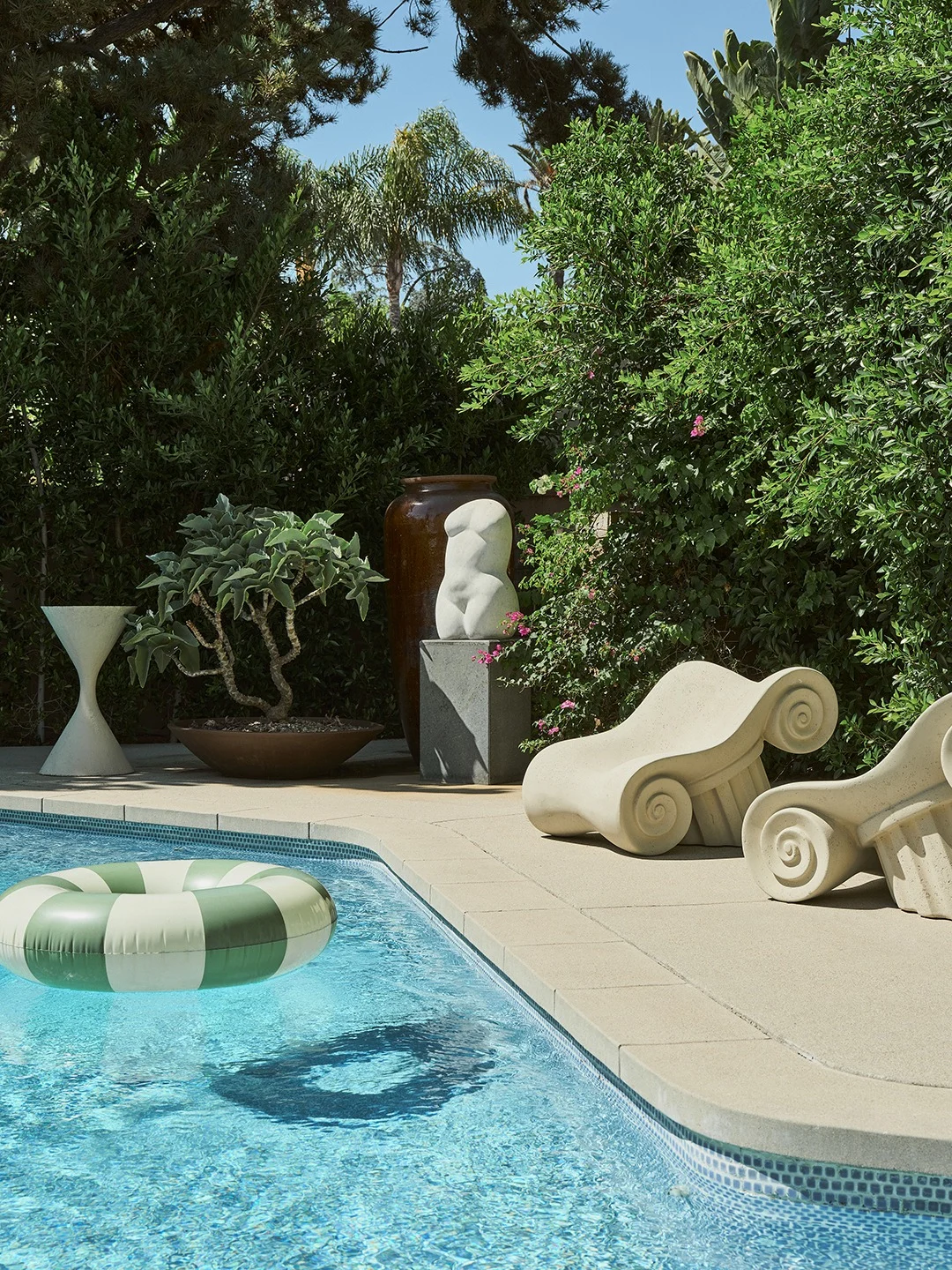
Looking forward, Portmans and Hall predict a continued erosion of boundaries between fine art, traditional craft, and industrial design. They foresee a landscape where artists increasingly produce everyday objects and functional furniture, including ceramic stools, bronze accents, and sculptural lighting fixtures. To capture this spirit at home, the duo advises pairing a unique vintage sculpture with a beautifully crafted chair, advocating intentionally mismatched compositions that impart a deeply personal, collected-over-time narrative rather than a uniform, all-at-once decorating approach.
Andre Herrero, Co-Founder of Charlap Hyman & Herrero
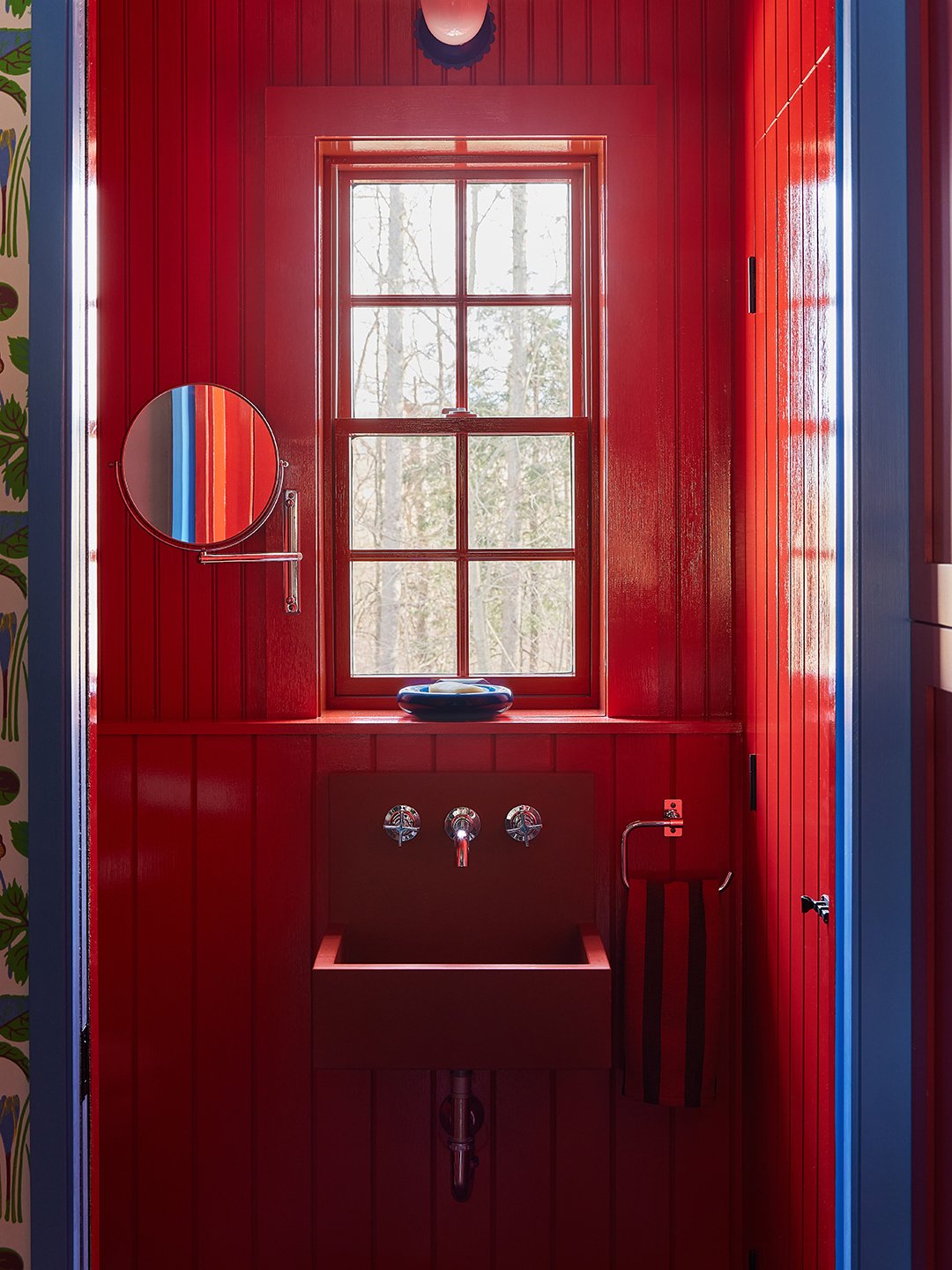
Andre Herrero, co-founder of the acclaimed studio Charlap Hyman & Herrero, continues to find enduring appeal in the striking visual impact of gloss red paint, citing its unique capacity to function as both an energizing and grounding force when applied in the proper architectural context.
Looking toward upcoming aesthetic shifts, Herrero predicts an impending surge of Art Nouveau accessories integrated unexpectedly into contemporary residential spaces that otherwise follow divergent architectural styles. To experiment with this dynamic at home, he suggests exploring unconventional bedroom still lifes, such as utilizing decorative screens as improvised headboards or repurposing industrial elements to frame the sleeping quarters.
Bryan Young, Founder of Young Projects
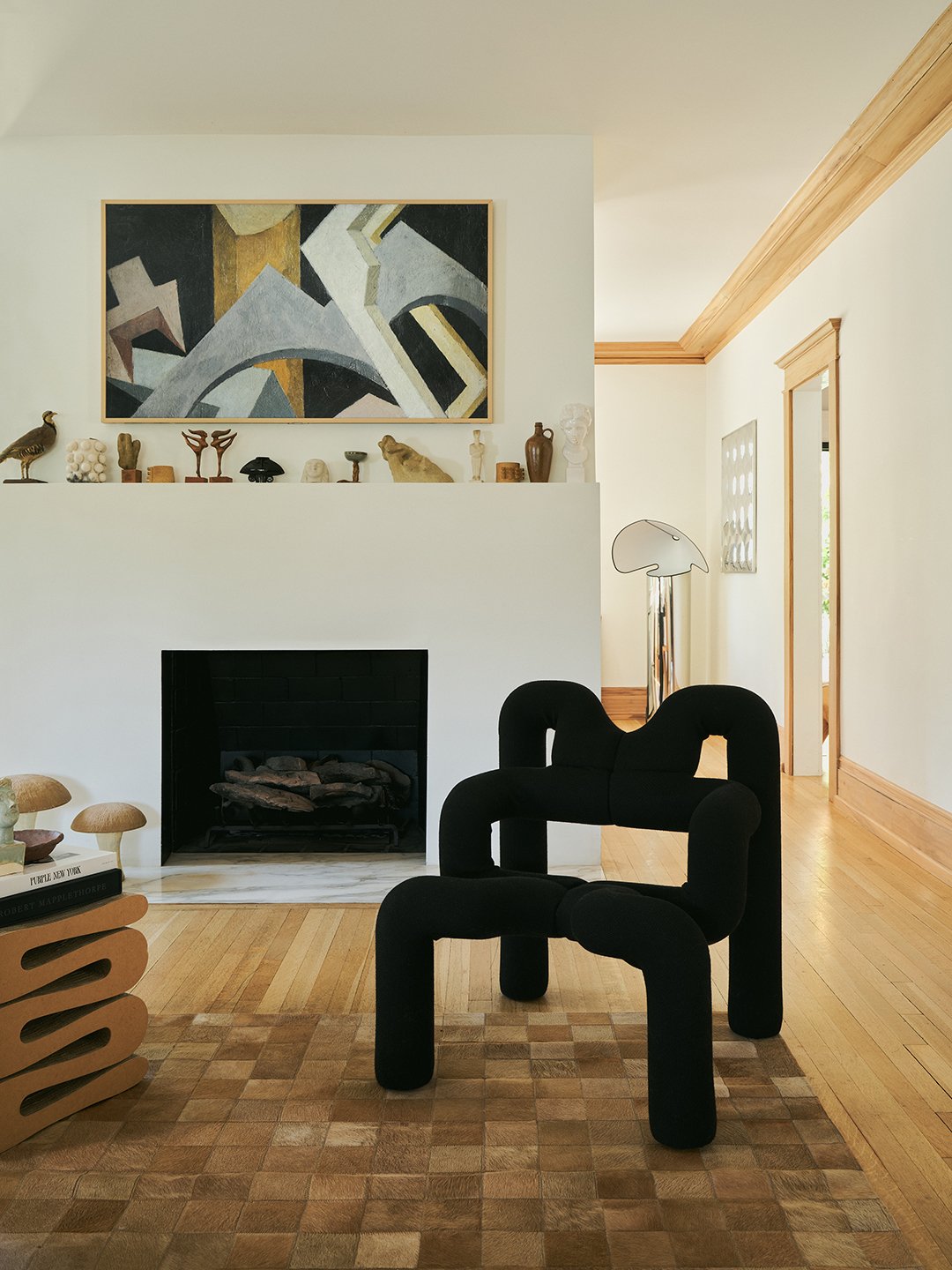
At Young Projects, founder Bryan Young and his team are actively exploring the use of unified color palettes and surface finishes to bridge disparate objects within a single spatial vignette. By employing specific finishes as a unifying device, the studio successfully merges objects originating from entirely different historical eras.
Describing the studio’s broader trajectory, Young points toward the development of "hybrid aesthetics"—an approach that merges historical references and sensibilities with contemporary fabrication techniques. This intermediate design language deliberately blurs chronological boundaries, prompting observers to question the exact era of the pieces they encounter. To translate this conceptual layering into a domestic environment, Young suggests utilizing shoebox dioramas, noting that while individual boxes maintain independent narratives, positioning them adjacently establishes complex new dialogues between historical pastiche and fictional fiction.
Madelynn Scheinberg, Founder of HAKO Vintage
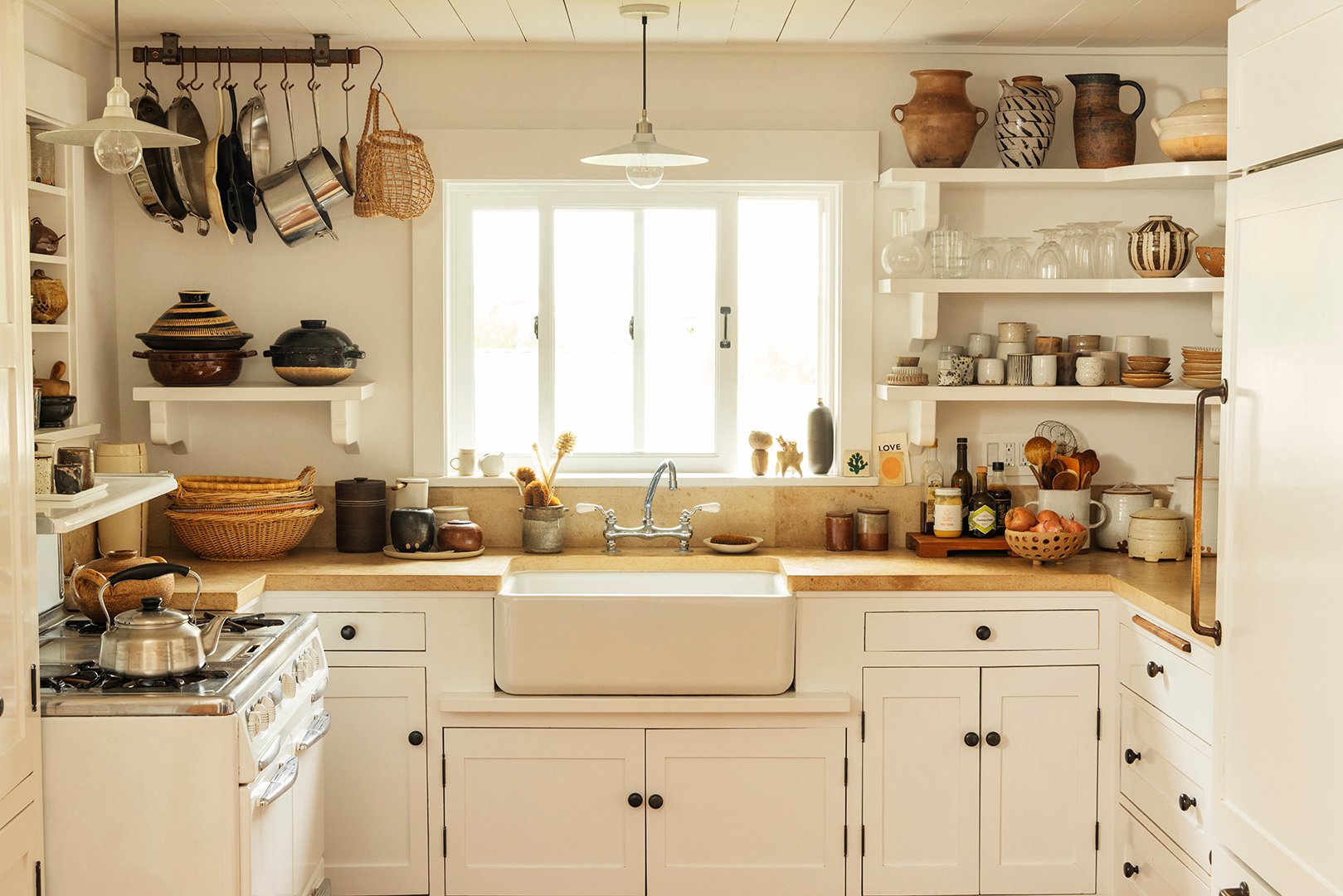
Madelynn Scheinberg, founder of HAKO Vintage, has turned her attention to the transformative power of painted floors, particularly rich brick and oxblood hues. Upon opening her own studio space, painting the floor a deep brick red served as an immediate source of spatial grounding and visual warmth.
As artificial intelligence and automated design tools become increasingly prevalent, Scheinberg observes a parallel surge in public appreciation for tangible human touch and traditional craftsmanship. She anticipates that future interior landscapes will place an even greater emphasis on honest materials and authentic artisanal production, encouraging homeowners to anchor their living spaces with handcrafted furniture and vetted vintage pieces that reflect genuine regional craft traditions.
Candace Shure, Founder of Shure Design Studio
Candace Shure, founder of Shure Design Studio, finds inspiration in the evolution of cerused wood finishes, particularly when applied beyond traditional white-on-oak treatments. Shure revels in highlighting wood grain with saturated, unexpected pigments such as deep burgundy, cobalt, chartreuse, lavender, and rich chocolate, transforming a classical woodworking technique into a graphic, playful statement.
Echoing the sentiments of her contemporaries, Shure forecasts a growing appetite for whimsy and localized eccentricity within residential design, citing playful ceramics, sculptural lighting, and idiosyncratic objects as essential components for cultivating personal spaces. She advises homeowners to prioritize acquisitions bearing the tangible mark of human hands over mass-produced or algorithmically generated replicas, whether through a hand-thrown ceramic vessel or a bespoke textile.
Laura Niles, Designer and Curator of Showroom LA
Designer and curator Laura Niles approaches contemporary design through the lens of adaptive reuse and context shifting. By collecting vintage furniture and ephemera, Niles gravitates toward materials that improve, or at least acquire character, through active wear and sustained utility over time. During the recent design week, Niles contributed to the exhibition Our Joy is Resistance and debuted Farmette, a functional three-sided steel table featuring an integrated planter for cultivating microgreens, effectively merging adaptable furniture design with sustainable urban living concepts.
Looking ahead, Niles emphasizes that adaptability will define the future of interior spaces through modular configurations, folding furniture, and multi-functional objects that resist rigid definitions. For those seeking immediate transformation without permanent architectural alteration, she recommends introducing a singular, high-impact element—such as a vibrant chartreuse carpet—capable of shifting the psychological identity of an entire room and turning the floor itself into an immersive spatial installation.