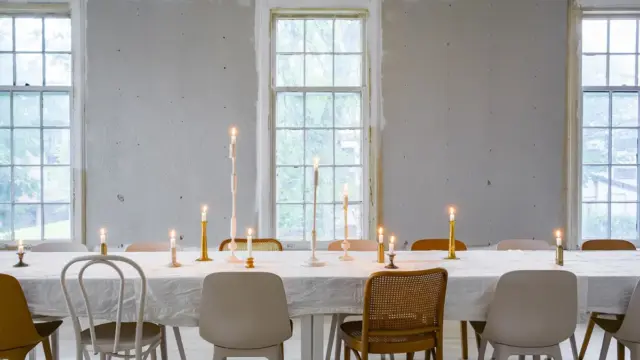
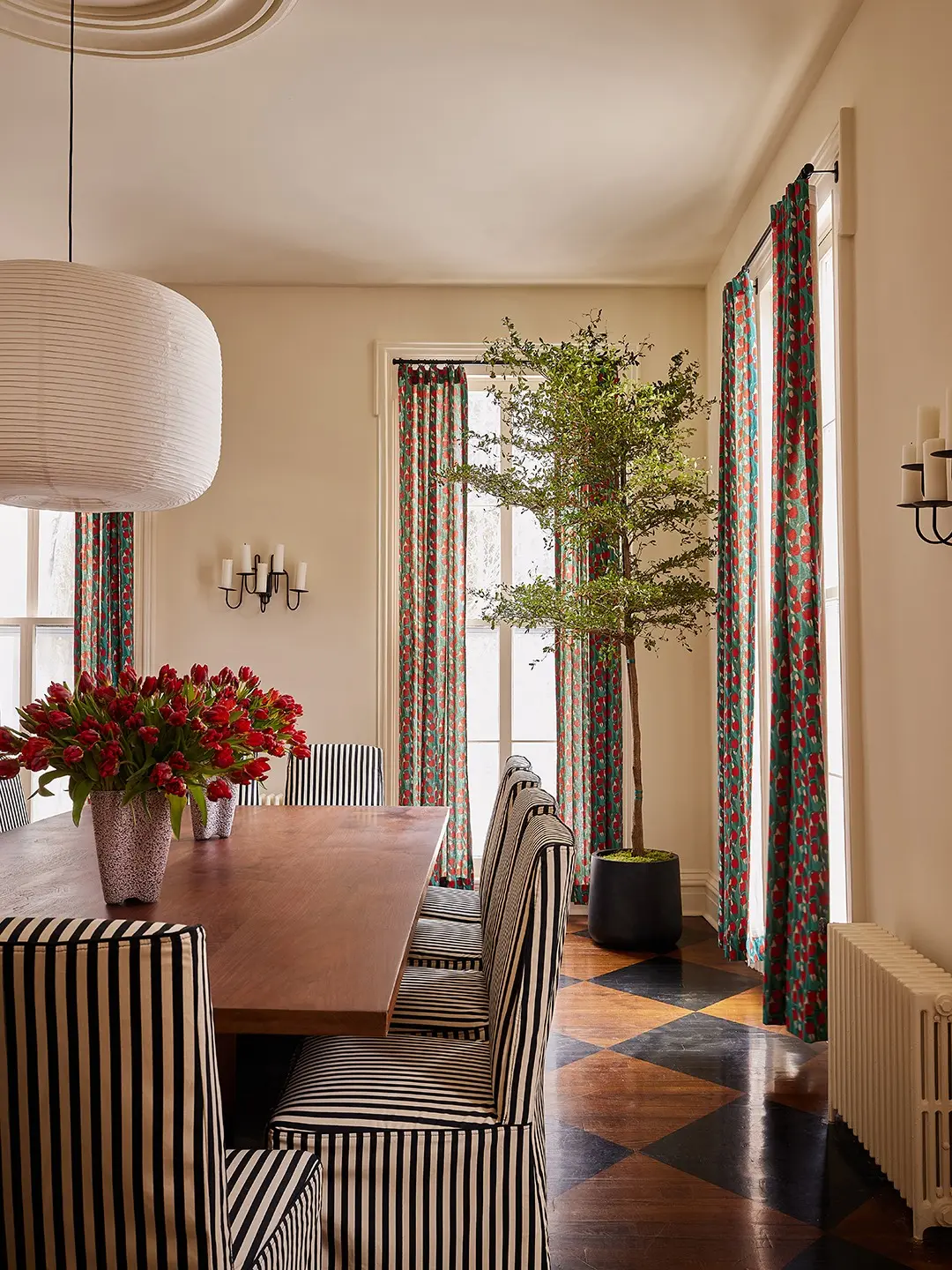
According to a recent survey conducted by Rocket Mortgage, an overwhelming 93 percent of prospective home buyers are actively searching for properties featuring a dedicated dining space designed specifically for hosting and gathering. This statistical shift aligns with a broader cultural reassessment of how people live in and use their homes. The hyper-open floor plans that once reigned supreme are increasingly being viewed as lacking in acoustic privacy, spatial definition, and distinct atmosphere.
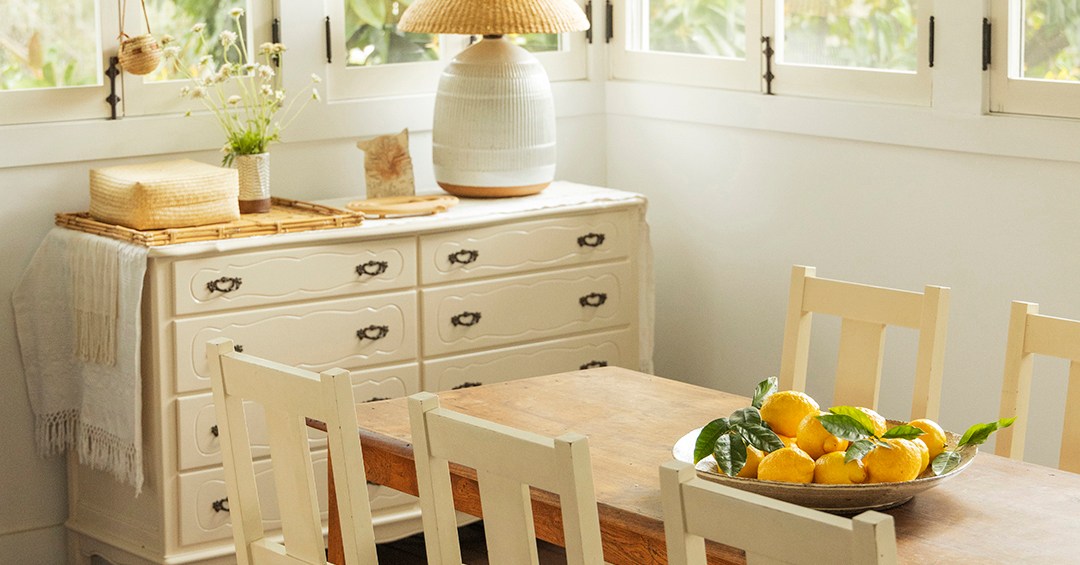
However, today’s iteration of the dining room bears little resemblance to the formal, stiff spaces of previous generations. Those mid-century or Victorian-era rooms often sat completely untouched for three hundred and sixty-four days a year, preserved exclusively for major holiday meals while collecting dust the rest of the time. In contrast, modern homeowners are reclaiming the concept of a separate dining room with the explicit intention of using it frequently, blending functionality, personality, and comfort.
Across the country, designers, creatives, and homeowners are demonstrating how a dedicated dining space can anchor a home’s social ecosystem without feeling overly rigid or formal.
Make Room for More
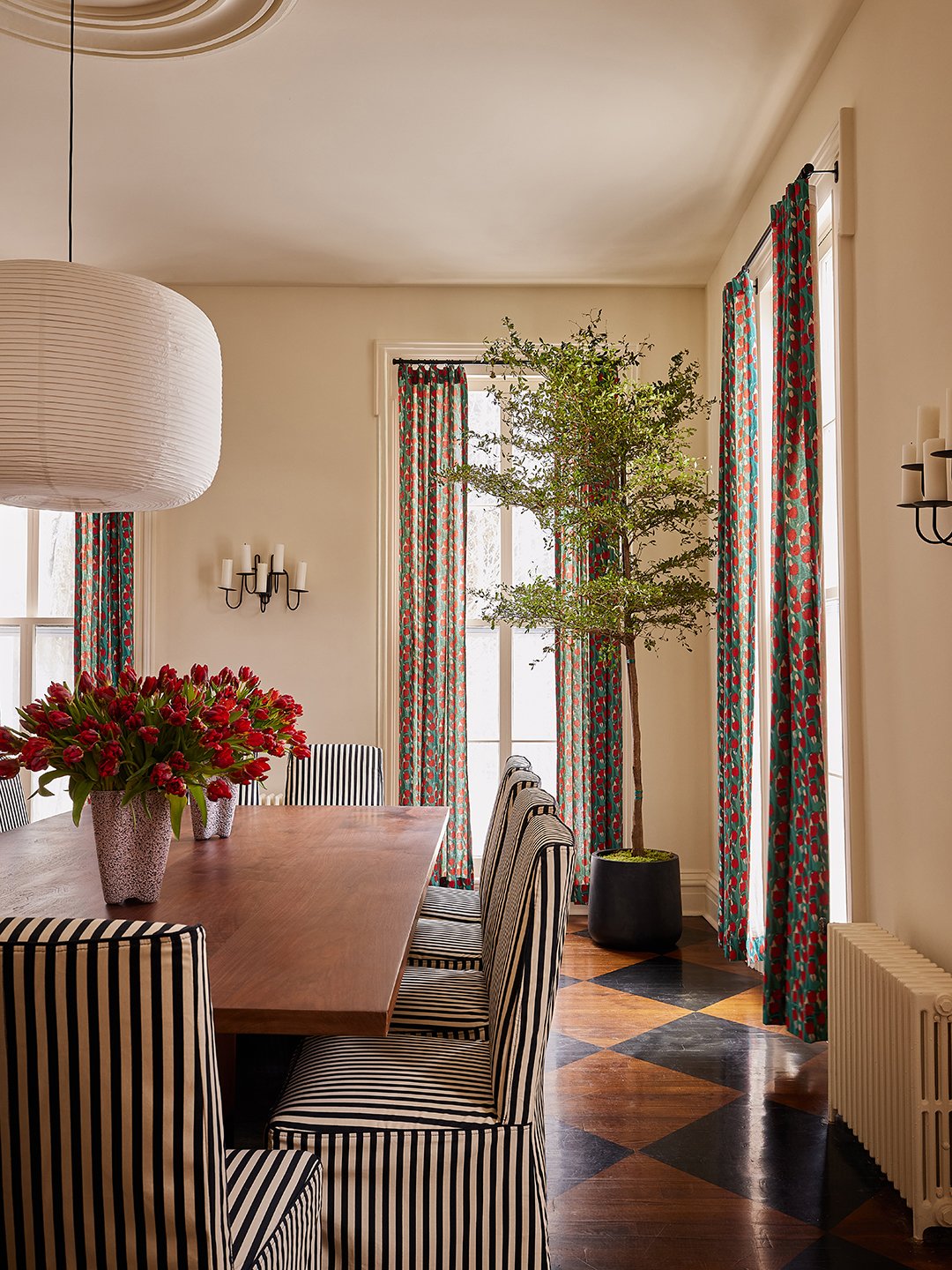
For cookbook author and creative Dan Pelosi, a home centered around food naturally requires a dining area built to accommodate a crowd. Located in the Hudson Valley, Pelosi’s residence features a dining space engineered for a multitude of guests and endless rounds of meals.
Working in collaboration with designer Nick Spain, Pelosi transformed the sunlit room into a joyful expanse layered with vibrant colors and rich patterns. Instead of a sterile, museum-like environment, the space is designed to encourage guests to linger long after the plates have been cleared. By embracing abundant natural light and bold decorative choices, the room exemplifies the modern approach to the traditional dining area—one where capacity and comfort coexist.
Go Moody Where It Counts
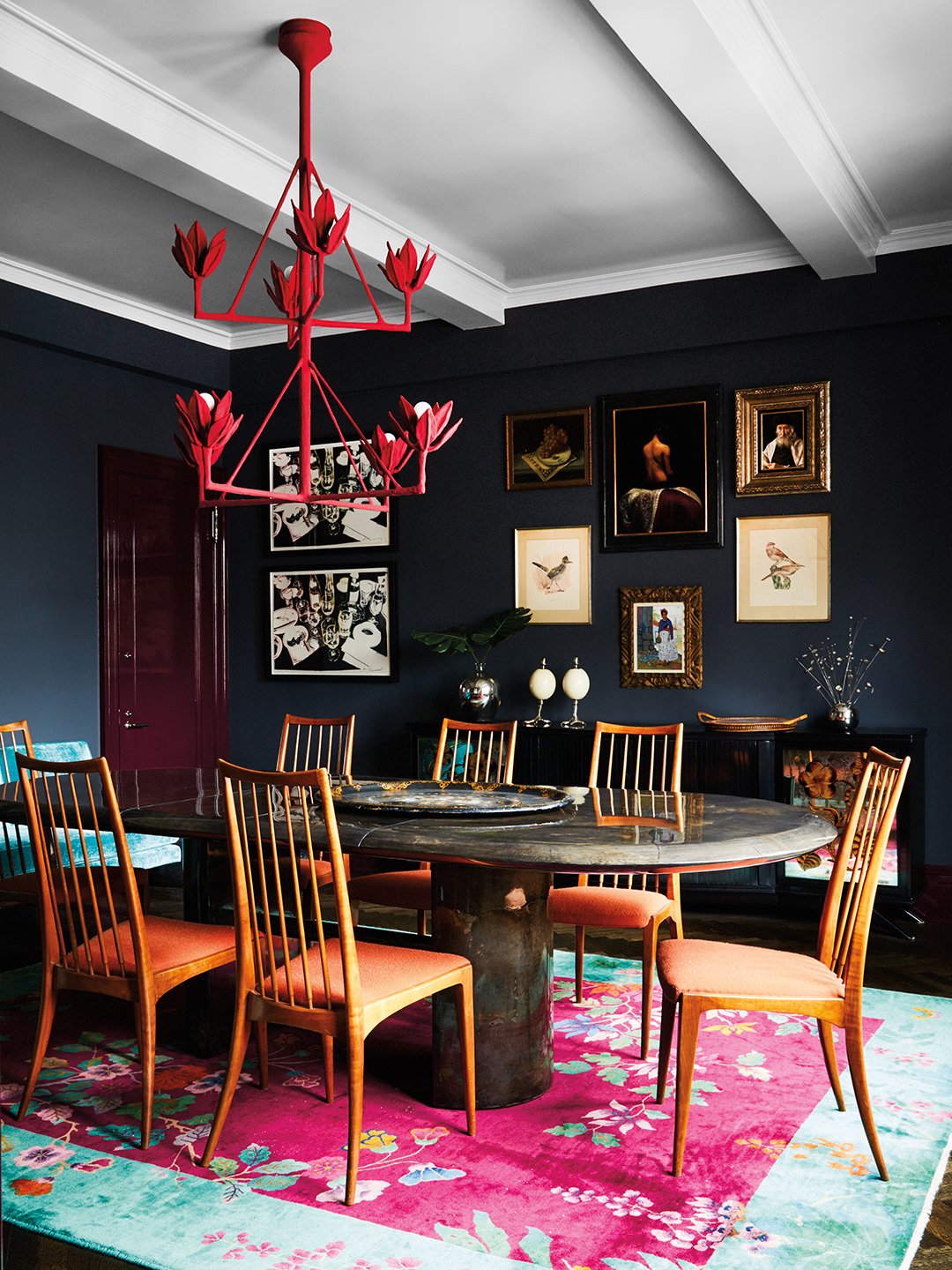
While many homeowners lean into bright, airy aesthetics for entertaining spaces, others are discovering the atmospheric power of contrast. In the former Manhattan apartment of Brett Heyman, founder and designer of the accessories brand Edie Parker, visual exuberance defines much of the residence. Yet, the dining room deliberately pivots toward a moodier, more intimate palette.
Enveloped by flora and fauna motifs alongside an eclectic mix of multi-era art, the space creates an immersive environment tailor-made for extended evening gatherings. The darker, more enveloping design scheme highlights an emerging trend in interior architecture: using distinct rooms to shift moods as evening falls, offering an intentional break from the bright functionality of adjoining kitchens.
Sneak In a Bar
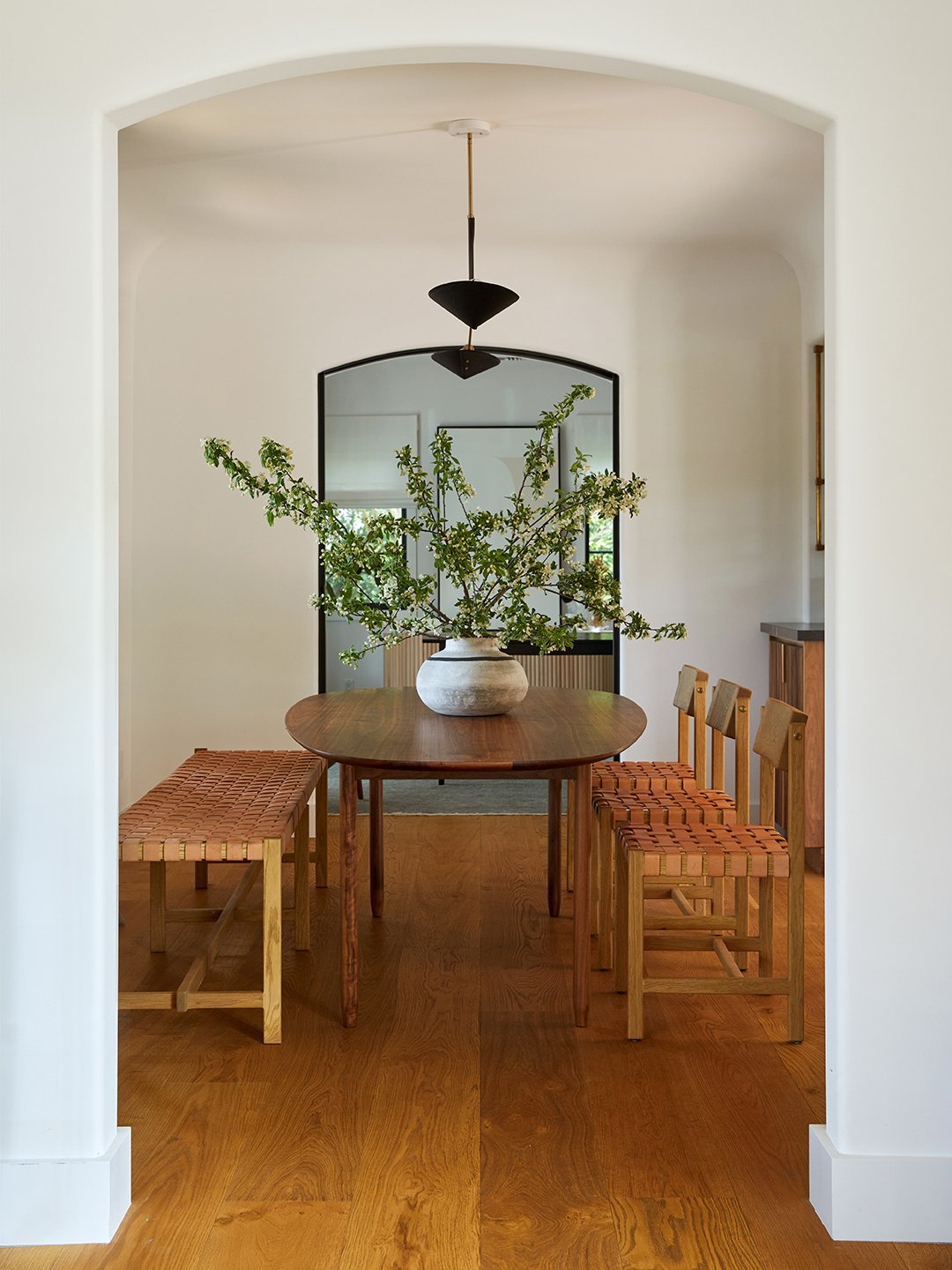
The physical separation of a dining room from the kitchen also opens up unique spatial opportunities for hosting amenities. When writer, producer, and director Meredith Chin purchased her Spanish-style home in Southern California, she recognized its immense creative potential and enlisted interior designer Mat Sanders to bring her vision to life.
In the home’s serene dining area—which offers a bright, architectural counterpoint to an adjacent black-hued kitchen—Sanders utilized existing architectural elements to enhance functionality. By transforming a built-in shelving niche into a bespoke bar featuring a custom fluted-walnut cabinet, integrated glass shelving, and a strategically placed wall sconce, the design integrates the utility of a modern lounge directly into the dining experience. It highlights one of the primary perks of a designated room: the ability to incorporate dedicated entertaining infrastructure without cluttering the cooking space.
Keep the Walls, Add a Mural
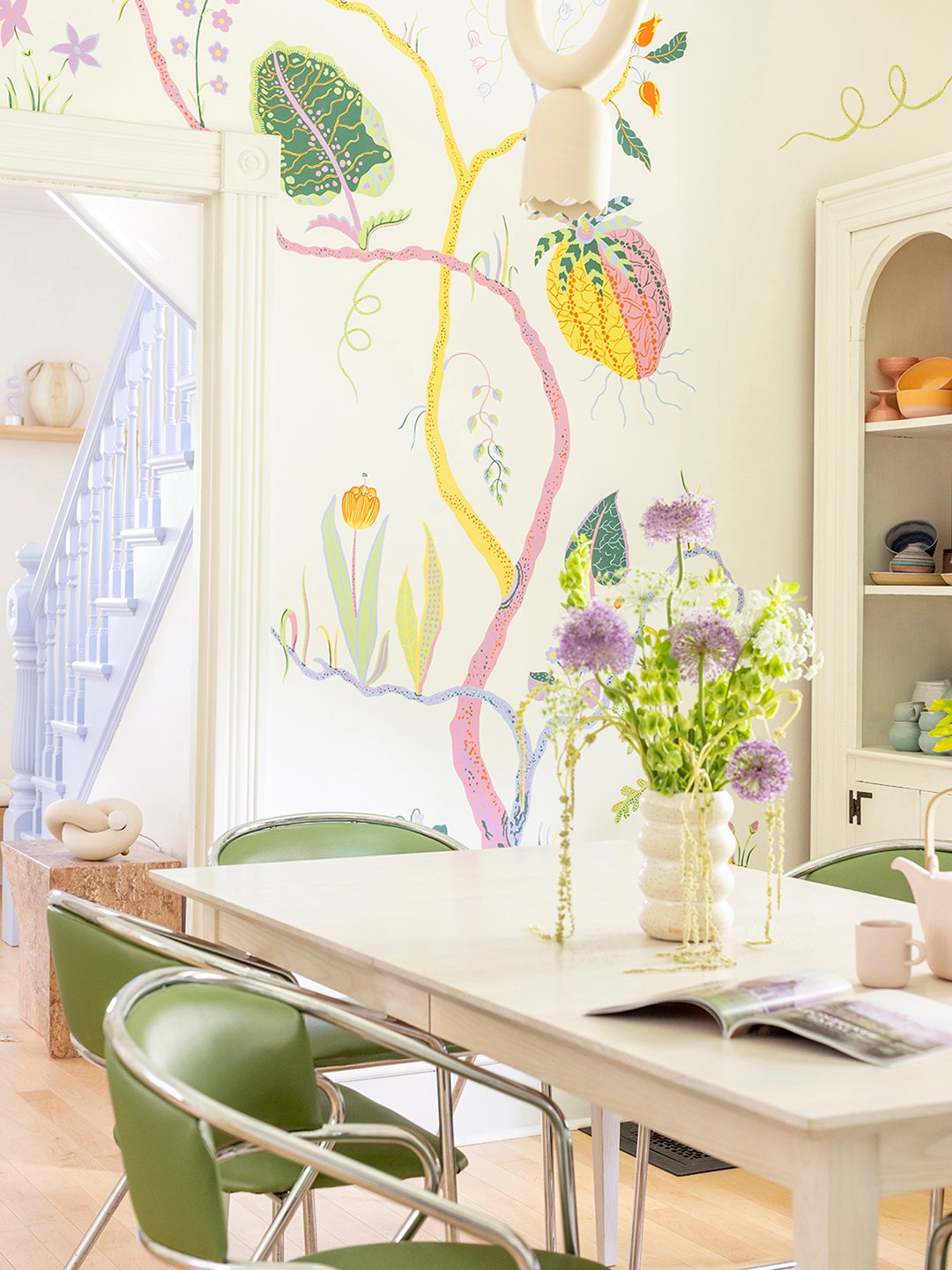
The architectural revival of separated spaces has also prompted homeowners to rethink historic layouts rather than demolish them. When chef-turned-designer Sara Manning acquired a Vermont Victorian home, she made a deliberate choice to preserve the quirks, compartmentalized layout, and historical charm of the structure rather than modernizing it into an open-concept footprint.
Instead of knocking down walls or expanding sightlines, Manning doubled down on surface treatment. She commissioned artist Anne Meredith to hand-paint a custom wall mural inspired by Josef Frank fabric, wrapping the entire dining perimeter in organic, artistic storytelling. The result is a room that honors its historical architecture while offering an unforgettable visual backdrop for meals.
Plan for the Post-Dinner Sprawl
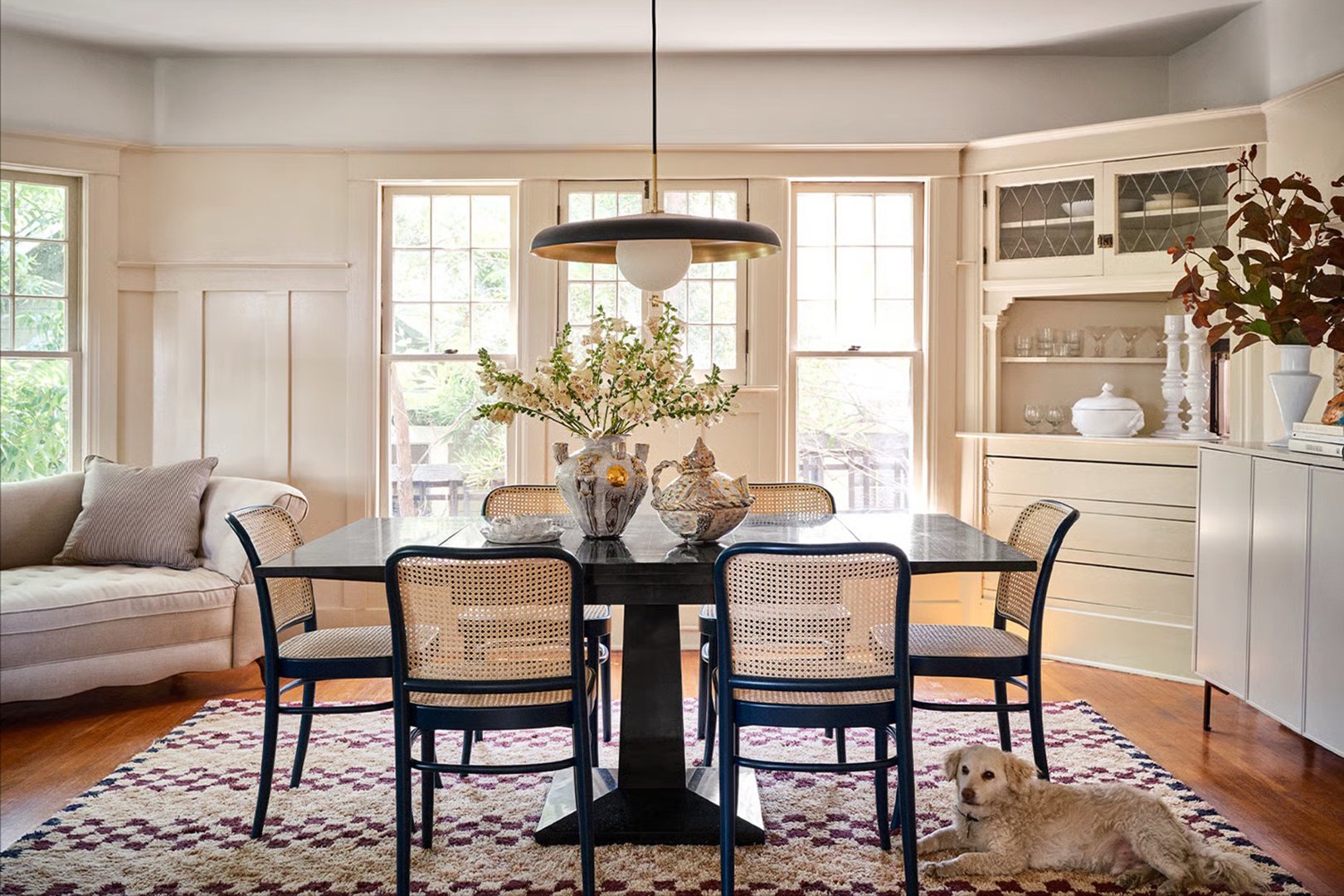
As dining rooms transition from formal showcases to heavily trafficked social hubs, furniture selection has evolved to prioritize physical comfort long after the meal concludes. Fashion designer Clare Vivier, who has resided in her Los Angeles Craftsman home for over two decades, recently updated her dining space to better match the natural sunlight filtering through the windows, swapping an older dark-brown paint finish for a clean, soft white.
However, the standout feature of Vivier’s updated dining area lies in the corner: a carefully positioned chaise lounge equipped with adjustable arms that can flatten completely. The piece provides a seamless transition for guests who want to escape the upright formality of table seating without having to relocate to another room entirely, bridging the gap between dining and lounging.
Make Room for Game Night
Ultimately, the modern dining room is shedding its single-use reputation. In the Hudson Valley home of design director Brit Ashcraft, the dining space is equipped to function as a multi-purpose social zone.
Alongside a large central table capable of seating groups for dinner, the room incorporates a comfortable reading chair and a hidden dresser stocked with barware and board game essentials. By blending traditional gathering furniture with relaxed lounging elements and entertainment options, homeowners are redefining what a dedicated dining room can achieve, transforming a once-forgotten architectural relic into the most versatile room in the house.