According to a recent survey conducted by Rocket Mortgage, an overwhelming 93 percent of prospective homebuyers are now actively looking for properties that feature a dedicated dining space specifically designed for hosting. This surging demand tracks closely with broader cultural shifts in how people inhabit their living spaces. After spending extended periods trying to balance working, cooking, relaxing, and entertaining in single, multi-use zones, the pendulum has decisively begun to swing back toward structured homes with clearly defined perimeters.
Unlike the formal dining rooms of earlier decades—stuffy, pristine spaces that remained locked away and untouched except for major annual holidays—today’s iterations are meant to be used, lived in, and enjoyed on a frequent basis. Designers, homeowners, and creatives across the country are reimagining these partitioned spaces not as monuments to formality, but as vibrant, functional epicenters of domestic life. A closer look at six distinct residential projects reveals how contemporary designers are making a convincing case for giving the dining table its own dedicated place to shine.
Making Room for More in the Hudson Valley
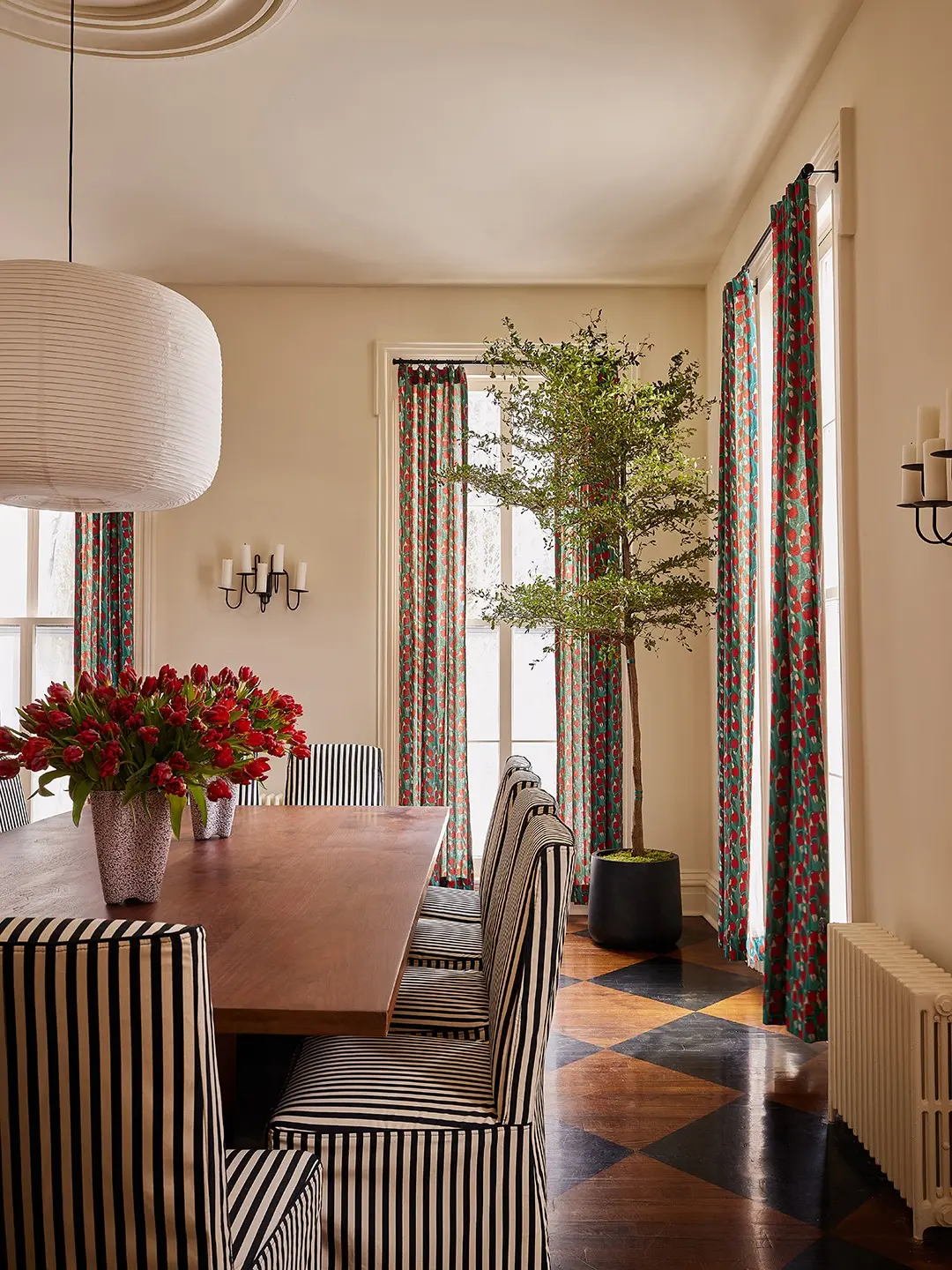
It comes as little surprise that cookbook author and creative Dan Pelosi’s home in the Hudson Valley features a dining room explicitly built to accommodate a large volume of guests and endless rounds of meals. Flooded with abundant natural light and richly layered with color and pattern, the joyful space was brought to life with the collaborative assistance of designer Nick Spain.
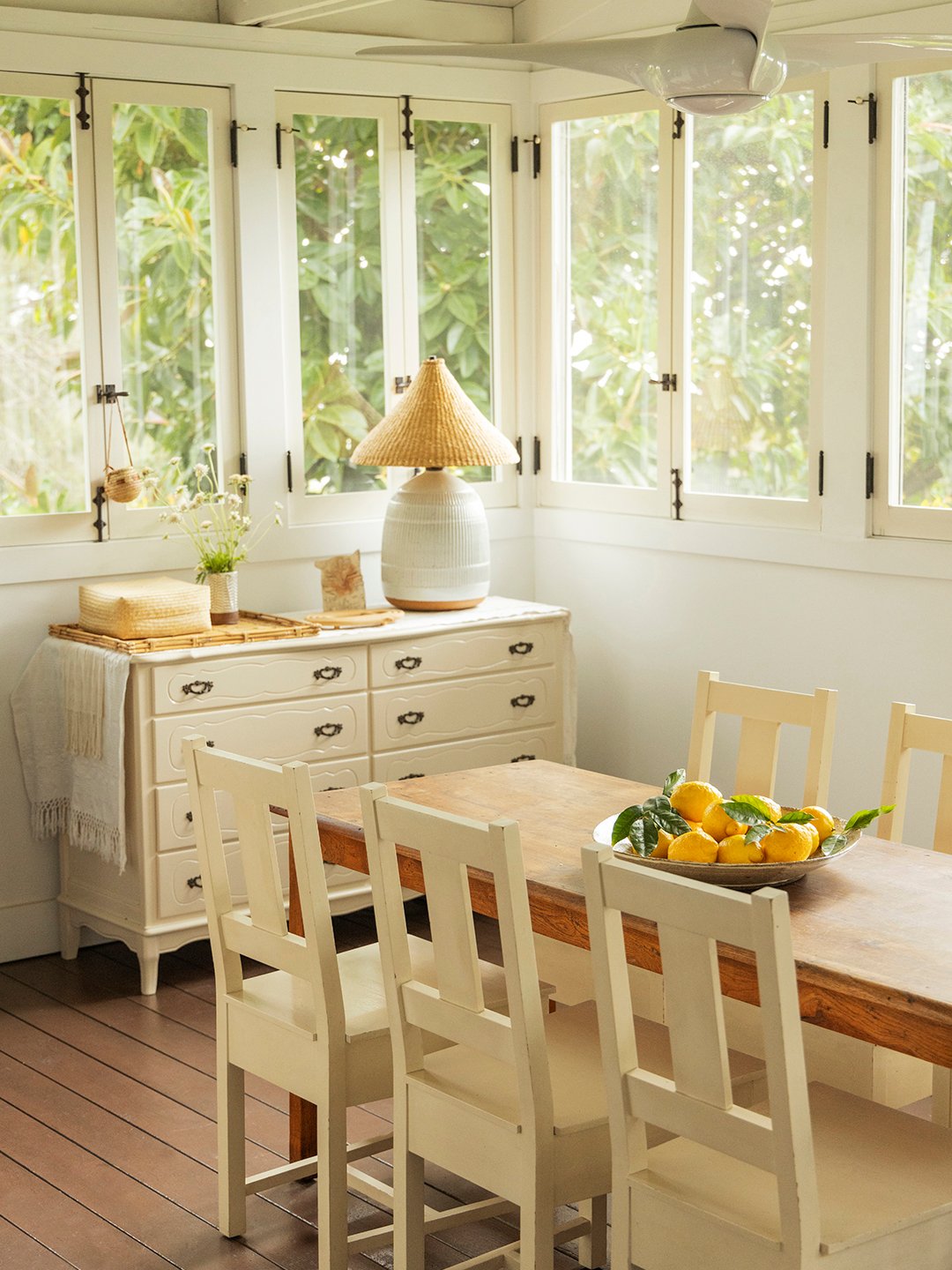
Instead of isolating diners from the action or forcing them to eat in a cramped corner of an open-plan kitchen, this dining room stands as an independent destination within the home. The design philosophy behind Pelosi’s space embraces the idea that lingering around the table long after the last plate has been cleared should be the primary objective of gathering. Through bold textiles, vibrant hues, and ample seating, the room bridges the gap between traditional hospitality and modern comfort, proving that dedicated spaces can remain casual and inviting.
Going Moody Where It Counts in Manhattan
While many homeowners opt for bright and airy palettes in their entertaining areas, some designers are heading in the opposite direction to create an entirely different atmosphere. In the former Manhattan apartment of Brett Heyman, founder and designer of Edie Parker, nearly every room serves as an explosion of color, texture, and humor—reflecting the playful spirit of the objects Heyman designs for her brand.
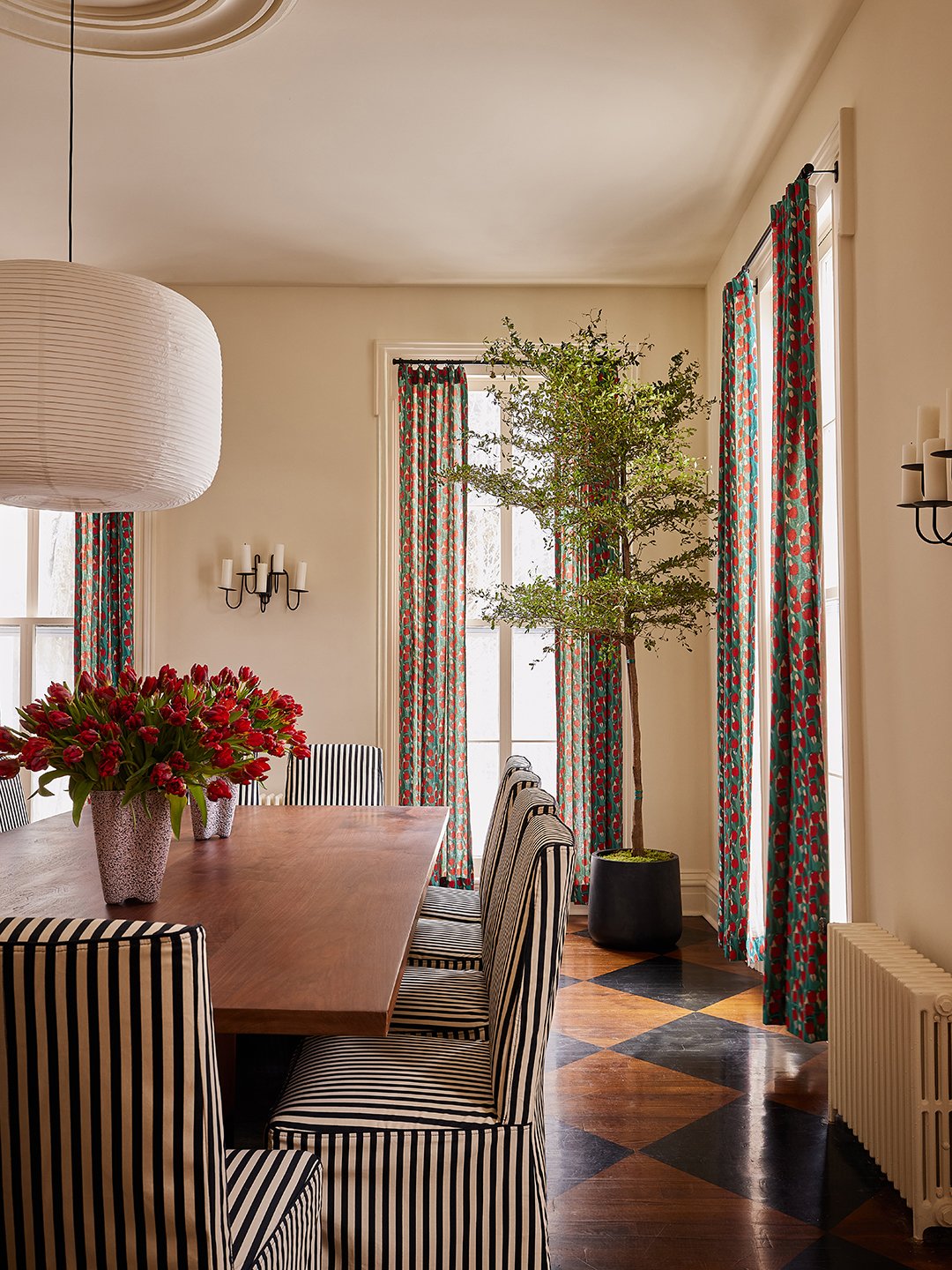
However, the apartment’s dining room takes a distinctly moodier turn. Rich flora and fauna motifs mingle effortlessly with eclectic artwork sourced from multiple eras. This deliberate design choice creates an enveloping, intimate environment that feels exceptionally well-suited for a long, unhurried dinner party stretching late into the night. By keeping the dining room separate from the brighter, more active quarters of the home, the space gains a distinct psychological boundary, shifting the mood the moment guests step across the threshold.
Sneaking in a Custom Bar for Seamless Entertaining
When writer, producer, and director Meredith Chin purchased her Spanish-style home in Southern California, she immediately connected with its architectural energy and recognized its potential to serve as a creative haven. To translate that vision into reality, she enlisted interior designer Mat Sanders.
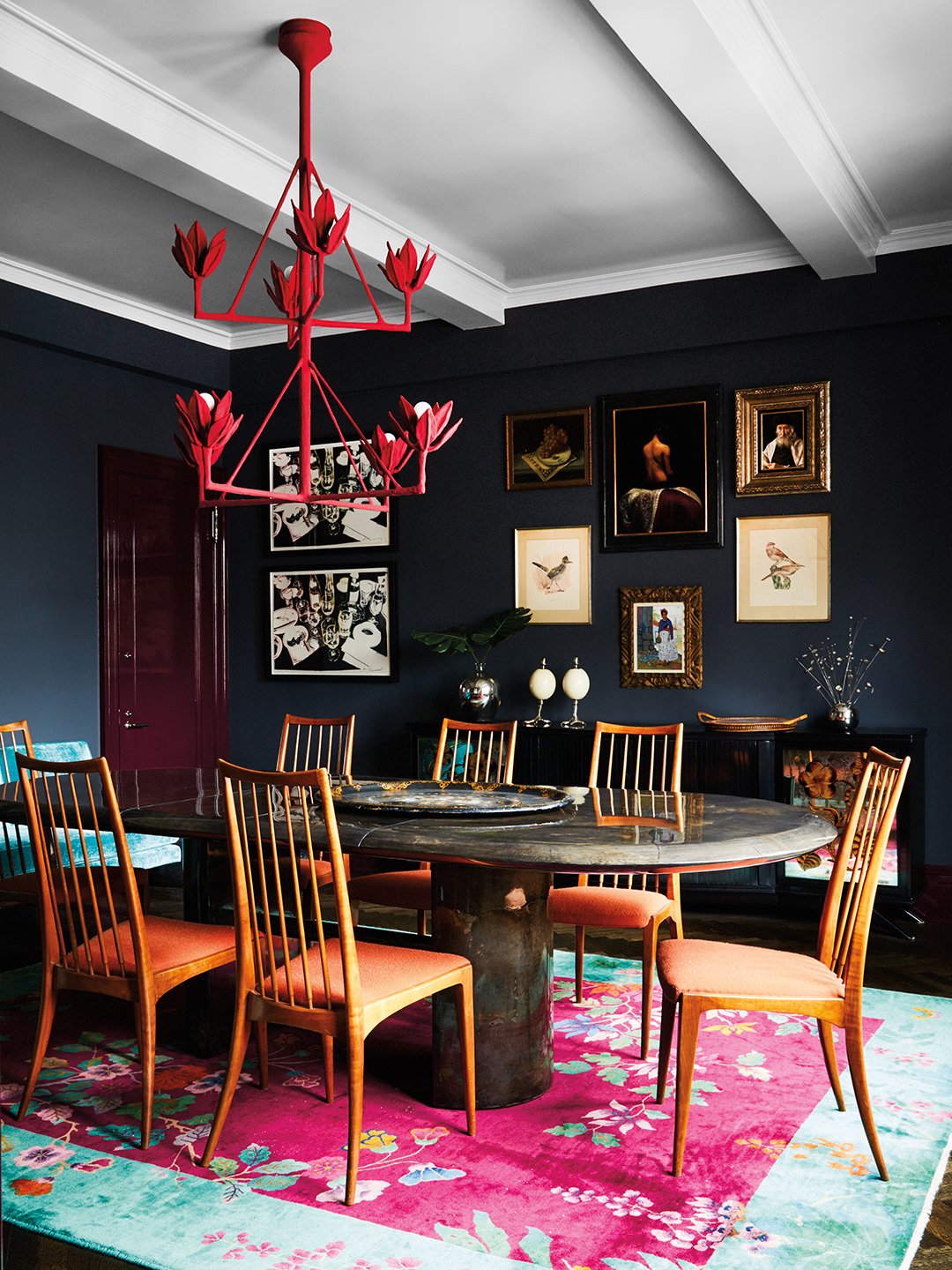
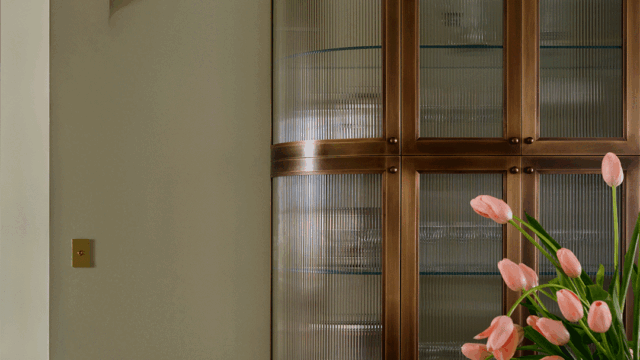
The resulting home features a serene dining area that provides a deliberate, light-filled contrast to the residence’s darker kitchen. To maximize the utility of the dining room as an entertaining hub, Sanders engineered a clever architectural modification. Transforming one of the home’s existing structural shelving niches, he created a custom built-in bar featuring fluted-walnut cabinetry, elegant glass shelving, and an integrated wall sconce. This subtle yet sophisticated addition highlights one of the primary perks of maintaining a room devoted entirely to hosting: the ability to integrate specialized entertaining amenities without cluttering the main culinary workspace.
Preserving Historic Character Through Artful Murals
When chef-turned-designer Sara Manning took on the restoration of her historic Vermont Victorian home, she was deeply committed to preserving the architectural quirks and foundational character that defined the older structure. Rather than knocking down interior walls, adding modern en suites, or tearing open the layout to force a contemporary open-concept floor plan, Manning chose to lean into the home’s original compartmentalized design.
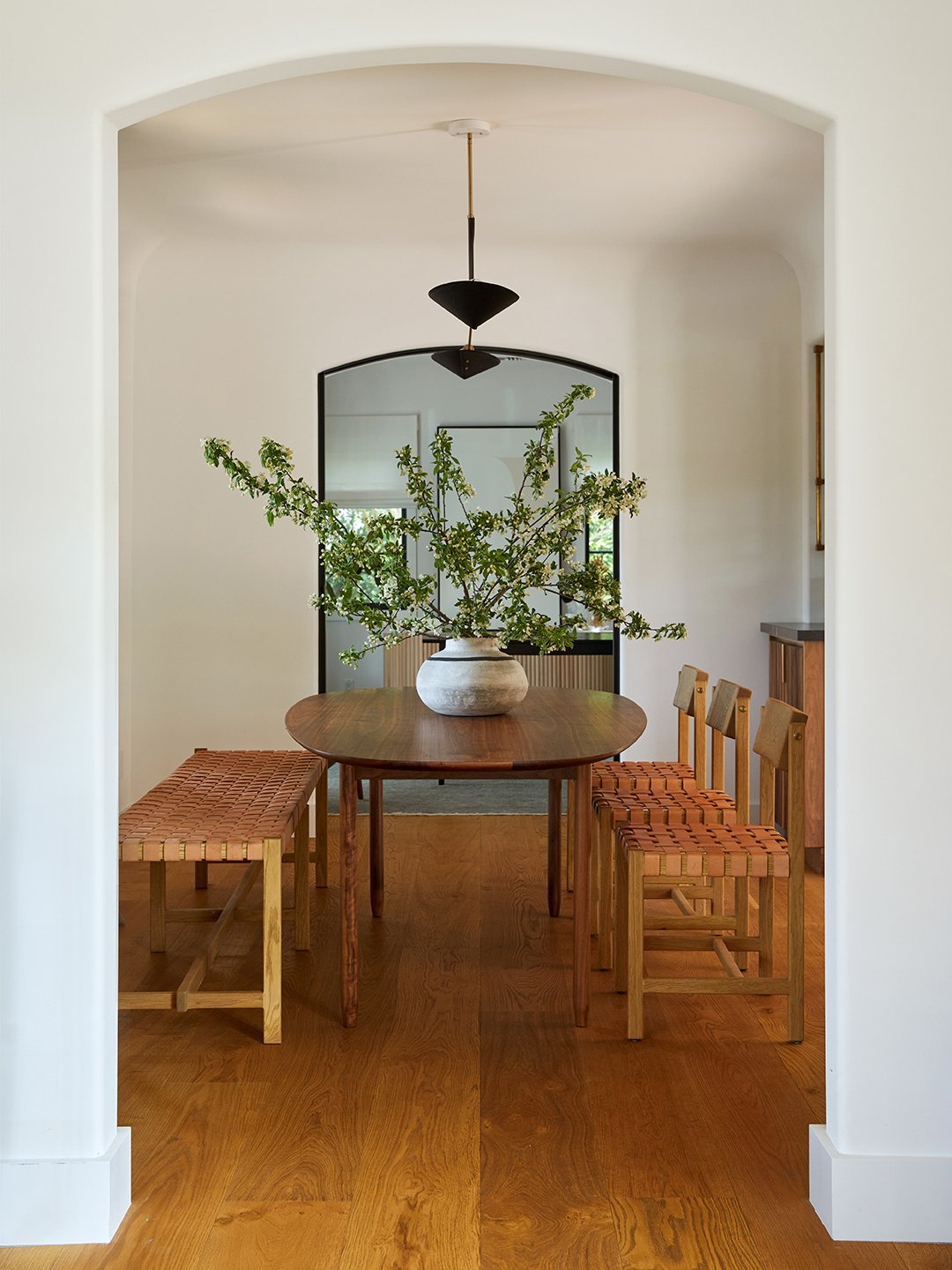
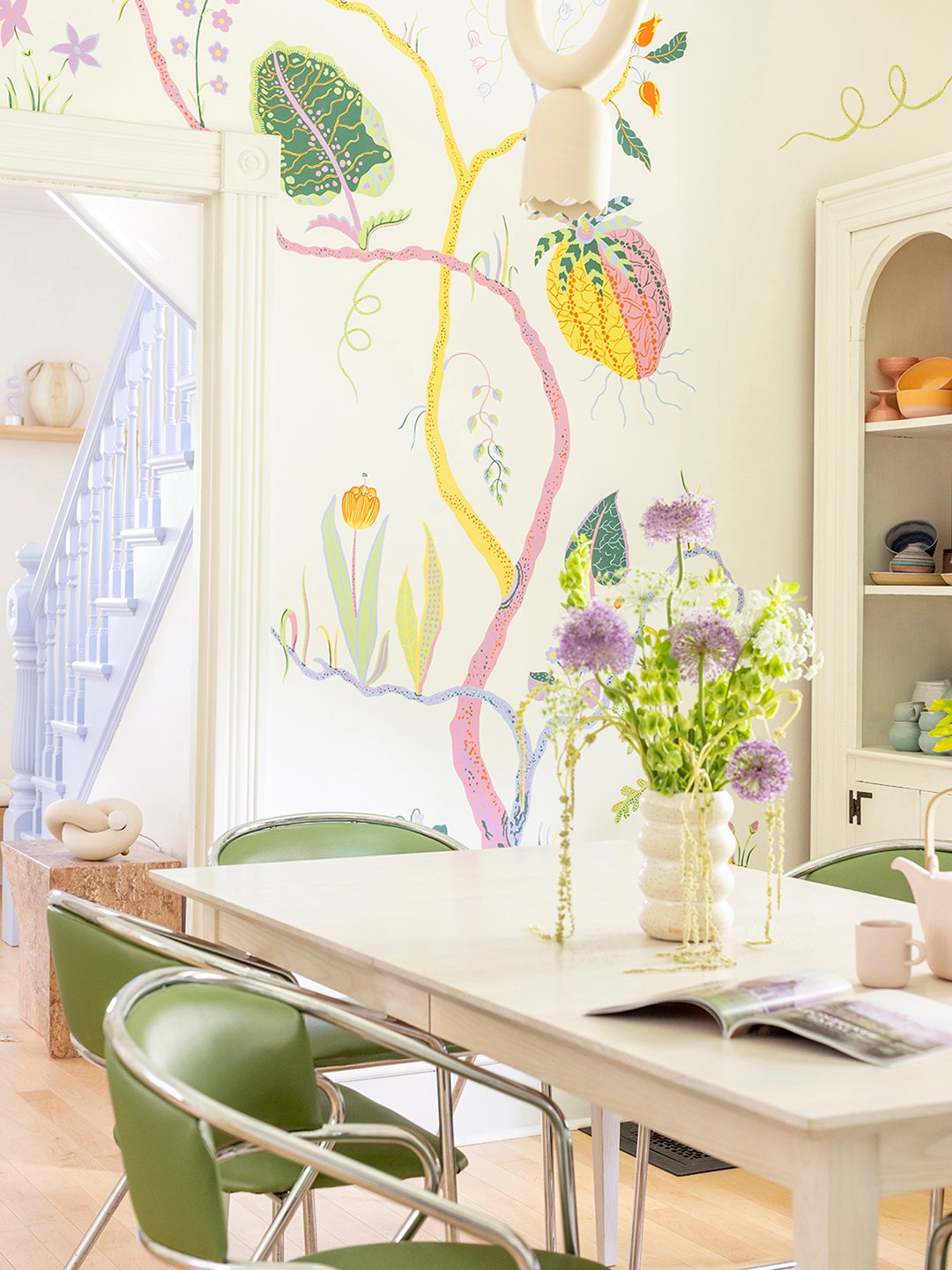
To elevate the dining area without altering its structural integrity, she doubled down on color and craftsmanship. Manning commissioned artist Anne Meredith to paint a custom wall mural wrapping entirely around the dining table. Inspired by the classic textile designs of Josef Frank, the botanical mural transforms the enclosed room into an immersive work of art. The project demonstrates how historic floor plans can accommodate modern tastes through surface-level design interventions rather than invasive structural remodeling.
Planning for the Post-Dinner Sprawl in Los Angeles
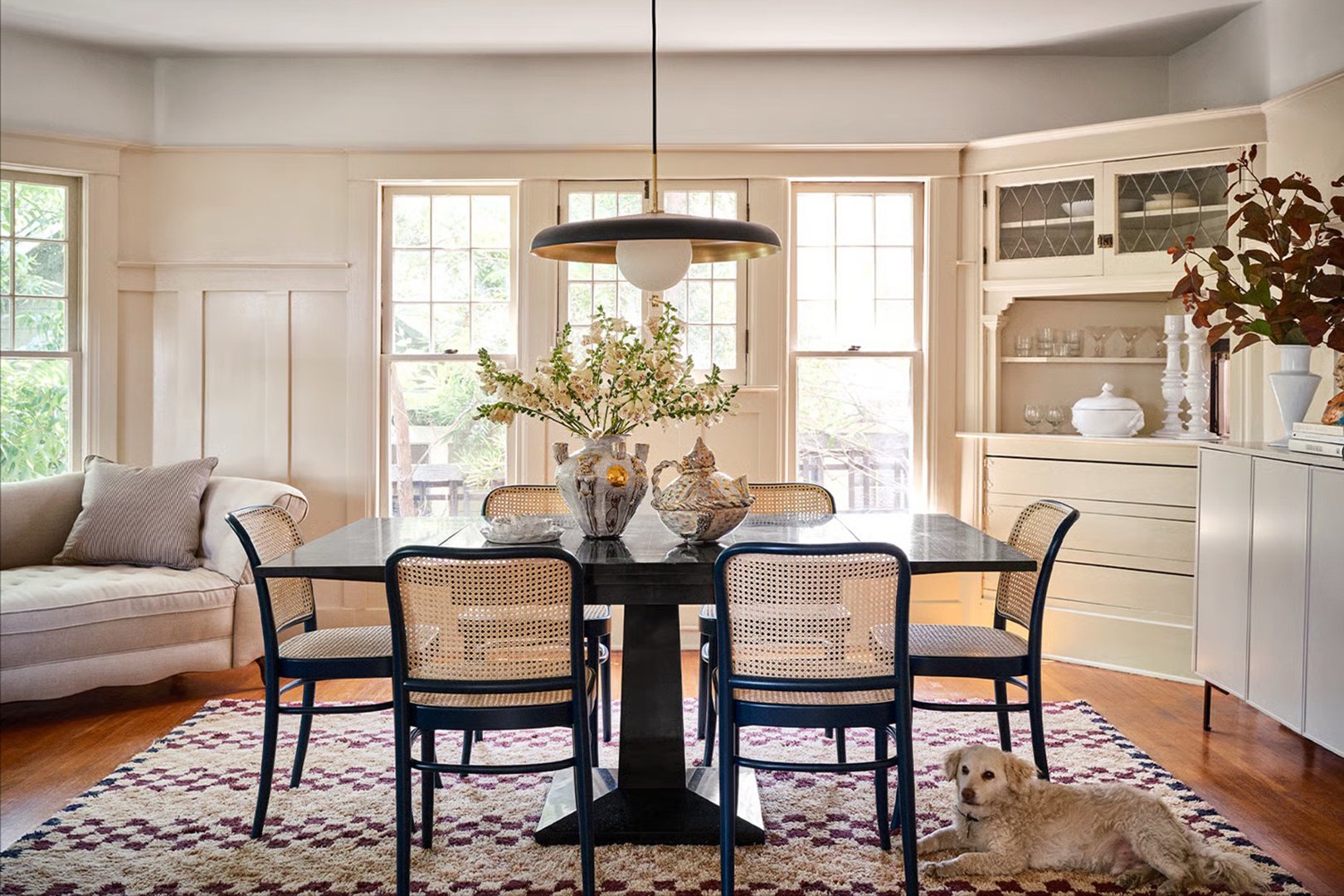
Fashion designer Clare Vivier has owned her Los Angeles Craftsman home for more than two decades, allowing the property to evolve through several distinct design iterations over the years. In the most recent update to the dining area, a heavy, dated dark-brown paint color was replaced with a soft, warm white. The lighter palette creates a cheerier, more welcoming match for the California sunlight filtering into the room.
However, the most innovative feature of Vivier’s dining space is tucked discreetly into a corner: a specialized chaise lounge equipped with adjustable arms capable of lying completely flat. The piece serves as a tactical solution for the universal phenomenon of post-meal fatigue. When guests are thoroughly too full to remain upright following a heavy dinner, the physical transition from the dining chair to a comfortable, horizontal resting spot is just a few steps away, blending the functions of a traditional dining room with the relaxation of a sitting room.
Designing Multi-Functional Spaces for Game Nights
In the Hudson Valley home of design director Brit Ashcraft, the dedicated dining space is intentionally primed for activities extending far beyond traditional sit-down meals. The room accommodates a large central wood table designed for communal gatherings, complemented by a cozy armchair positioned nearby for quiet reading and relaxed lounging.
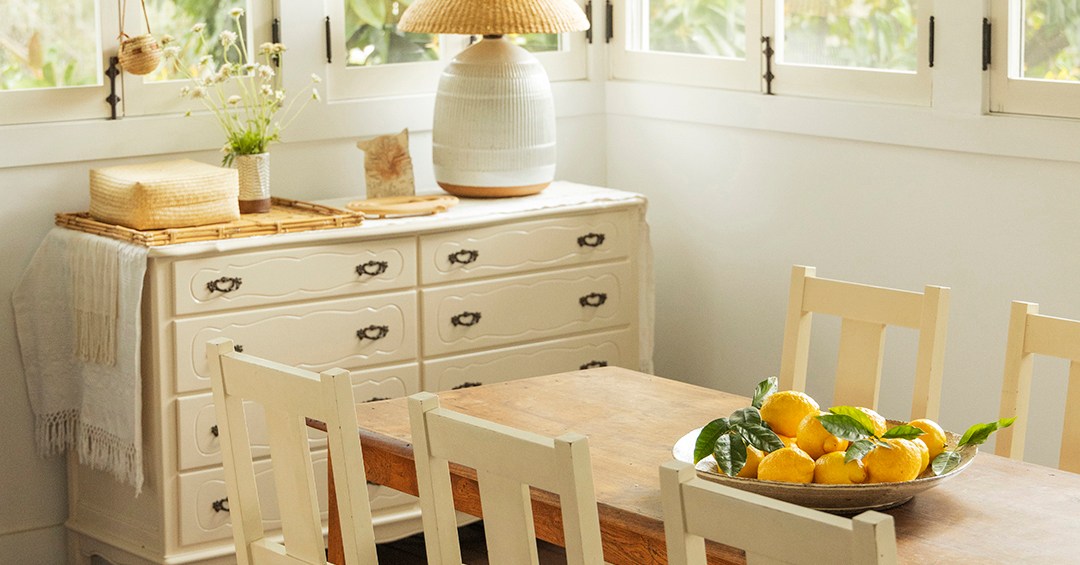
Just out of direct view, a vintage dresser comes fully stocked with bar essentials alongside a casual bowl of dice, setting the stage for impromptu games of Yahtzee after the dinner dishes are cleared. Ashcraft’s approach underscores a broader evolution in how homeowners view partitioned layouts. Rather than reserving a room solely for formal dining, today’s buyers and designers are transforming these spaces into versatile hubs capable of hosting everything from formal holiday feasts to casual, late-night game sessions, proving that a dedicated room can easily support a multitude of modern lifestyle needs.