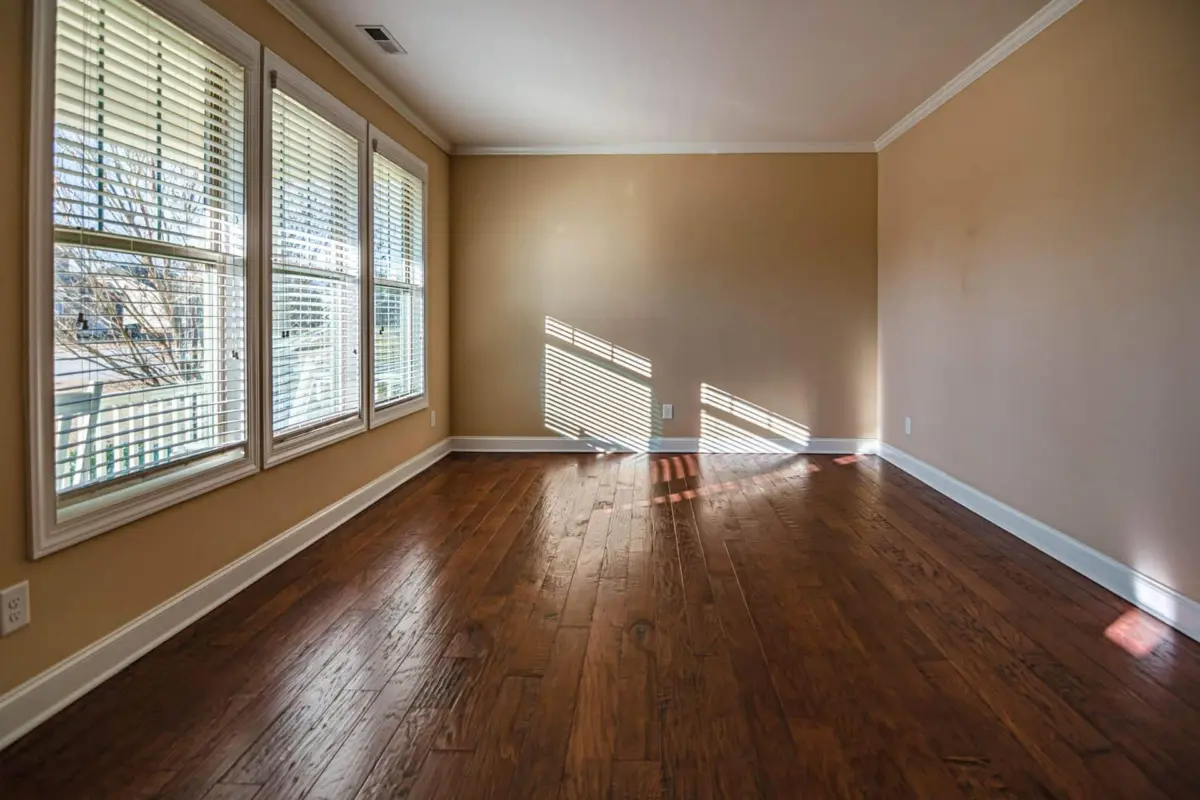
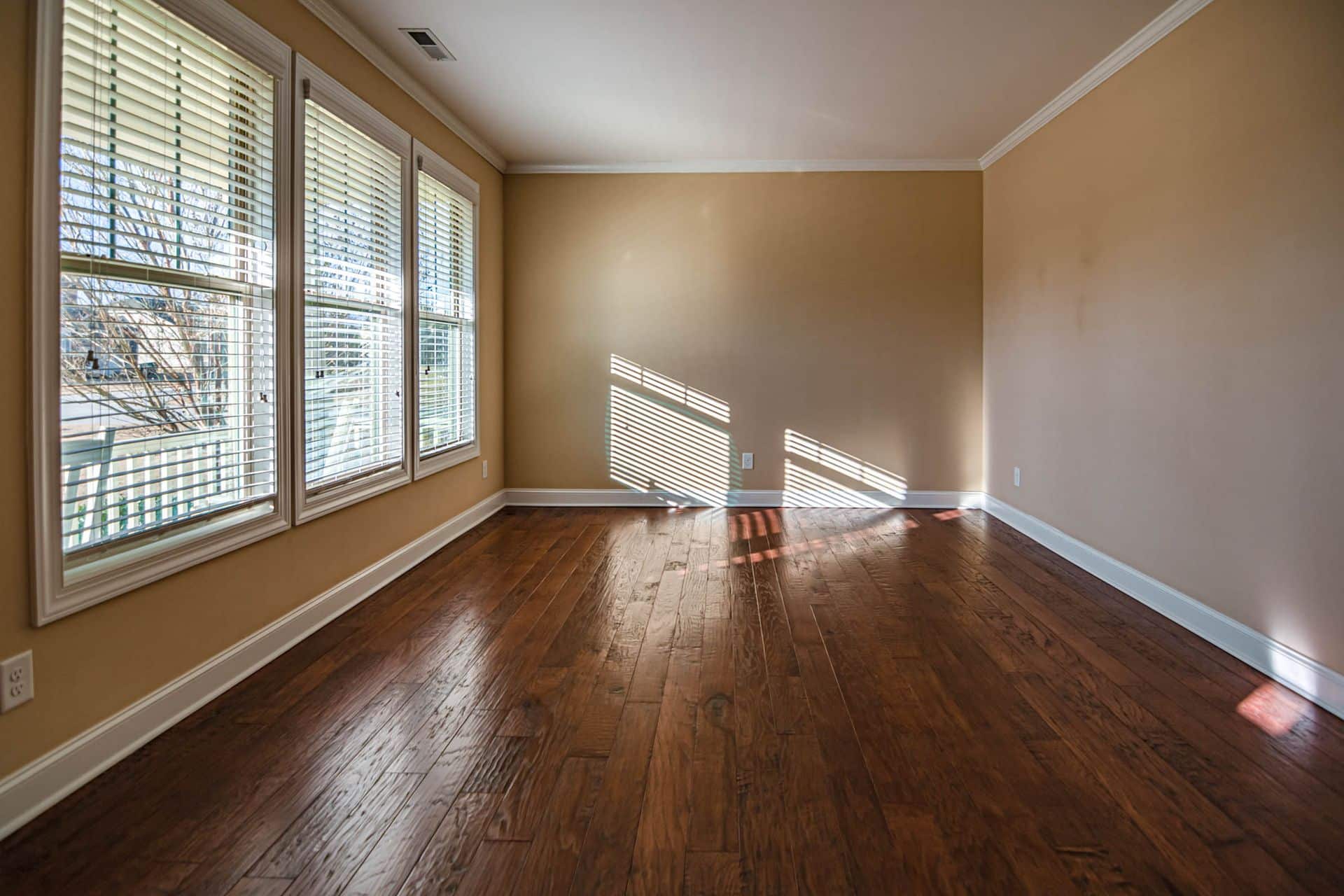
Packing her tiny Prius with daily essentials, essential work equipment, and a sparse collection of personal items to keep her company during the transition, she embarked on a grueling nineteen-hour drive to a new city. Upon arrival, she settled into a sparsely furnished apartment designed for the simplest possible lifestyle transition. Surrounded by minimal stock furniture and unpacking only the essentials, she spent her first afternoon integrating her limited belongings into the unfamiliar space.
Living in a stark, spare environment provided an immediate masterclass in the psychology of clutter and minimalism. While her previous experiences with cluttered living spaces had taught her about the mental weight of physical possessions, this temporary minimalist exile offered a fresh perspective on what humans actually need to function, find comfort, and maintain psychological well-being. Over the course of the first few weeks, the experiment yielded five distinct insights into daily habits, emotional attachments, and the subtle accumulation of domestic baggage.
1. Use It Up
Part of the typical furnished apartment experience involves inheriting hotel-sized portions of everyday consumable items—tiny soaps, miniature shampoos, and basic cleaning supplies. Because Mia had brought her own toiletries and cleaning provisions, these corporate offerings were entirely redundant extras.
In her normal life, she might have fallen prey to a traditional hoarding mentality, driven by the ingrained impulse to save those tiny items for some hypothetical future scenario where miniature toiletries might prove useful. However, facing the temporary nature of her stay, she adopted a radically different approach: she simply used them up immediately.
Recognizing that these products were often the lowest quality versions of everyday goods, she realized that saving them would not enrich her life or bring her any genuine joy. By consciously burning through the supplies first, she quickly tossed the empty containers and freed up physical and mental real estate. This deliberate exercise cemented her belief in the philosophy of "use it up" decluttering, proving that exhausting subpar items is often a more effective strategy than storing them indefinitely.
2. Functional Decor
As a self-described homebody, being away from her permanent residence and familiar belongings presented a distinct psychological challenge. To bridge the gap between an alien corporate apartment and a comforting sanctuary, she deliberately displayed the few personal items she had brought along. Instead of folding away her colorful throw blanket into a designated storage bin, she draped it casually over the couch. Rather than stacking her books tightly on a bedside table, she propped them up openly throughout the living space.
Anything that offered a touch of visual warmth and hominess was granted a visible spot in the room rather than being hidden away in a drawer. While such a strategy might easily cross the line into visual clutter in a house packed with possessions, working with only a handful of meaningful mementos achieved the opposite effect, softening the sterile edges of the temporary rental. This experience highlighted how styling a space with functional, everyday items allows them to serve a dual purpose, making an environment feel genuinely lived-in without introducing useless material clutter.
3. The Meaning of a Single Spoon
The minimalist transition also reshaped her relationship with everyday household tools. When a friend visited to celebrate Mia’s birthday, they presented her with a small, beautifully crafted wooden spoon.
Dealing with chronic sensory issues, Mia has long harbored an intense aversion to the sound and sensation of clinking silverware, an experience that frequently triggers nausea. On her very first day in the apartment, she had resorted to saving plastic cutlery from takeout meals specifically to avoid the metal utensils provided by the landlord. The arrival of the wooden spoon offered an unexpected solution.
Now, possessing a perfectly sized utensil that evokes fond memories of a dear friend every time she uses it, she relies almost exclusively on that spoon alongside a simple pair of chopsticks. As a result, the remainder of the apartment’s utensil drawer has become entirely redundant. The experience underscored a broader minimalist truth: having a single item that serves its purpose flawlessly—with bonus points for bringing genuine emotional joy—is infinitely preferable to maintaining a drawer full of mediocre alternatives.
4. The Surprising Energy of Alone Time
One of the most immediate structural shifts in Mia’s temporary life was the dramatic reduction of her social calendar. While she had a few acquaintances living nearby, her local network could not compare to the robust community she left behind.
While this isolation initially felt like a drawback given her deep affection for her friends, it quickly revealed an unexpected upside. Thriving fundamentally on solitude despite her natural desire to constantly surround herself with loved ones, she found the quiet schedule deeply energizing. With her calendar cleared of external obligations and her minimalist living space requiring minimal maintenance, daily life streamlined into a frictionless routine.
Mornings began with effortless walks to the gym for regular workouts, her temporary apartment remained consistently spotless, and she found significantly more time to prepare wholesome, nourishing meals. Furthermore, having recently acquired a business—a development that had kept her relatively quiet professionally—she finally unlocked the spare time and mental bandwidth required to catch up on work and resume writing. Though she ultimately intends to reintroduce social activities, game nights, and physical training into her routine once fully settled, the forced solitude proved remarkably productive.
5. The Inevitable Velocity of Clutter
Despite the intentional minimalism of her temporary setup, Mia noted how quickly physical items manage to infiltrate a space. Within just three weeks of arrival, she could already sense the subtle, impending threat of domestic clutter.
Following her birthday, the accumulation of new gifts—while deeply appreciated—immediately began consuming physical room, culminating in a small trampoline sitting directly beside her as she typed her reflections. Similarly, despite driving to the location with virtually nothing, her kitchen cabinets rapidly filled with a collection of plastic food storage containers saved from daily meals. This phenomenon highlighted a fundamental truth about domestic consumer culture: the natural flow of items within a modern household is perpetually directed inward. Without establishing an equally deliberate flow of items moving back out of the home, possessions will inevitably accumulate indefinitely.
To combat this gravitational pull toward accumulation, she immediately reinstated her routine decluttering habits, relying on passive organizational techniques that she has found remarkably effective. Experiencing the rapid onset of clutter in a micro-environment served as a stark reminder of the importance of staying perpetually ahead of the physical accumulation cycle.
Evaluating the Experiment
Reflecting on the overarching goals of her relocation, the experiment has yielded tangible results. For the first time in years, Mia has observed real, measurable improvements in her chronic health issues.
The positive outcome offers profound relief, marking the initial breakthrough in a long medical journey. Yet, the reality of the situation remains inherently complex, as the undeniable progress is tied directly to the fact that her primary recovery requires living far away from her permanent home. Navigating that complex reality is a challenge she now has the mental space and physical energy to confront.
As she continues to settle into her temporary routine, preparations remain underway for upcoming community projects, including a planned holiday decluttering challenge for her followers.