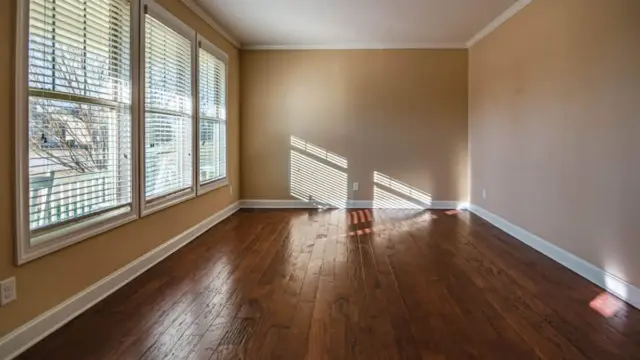
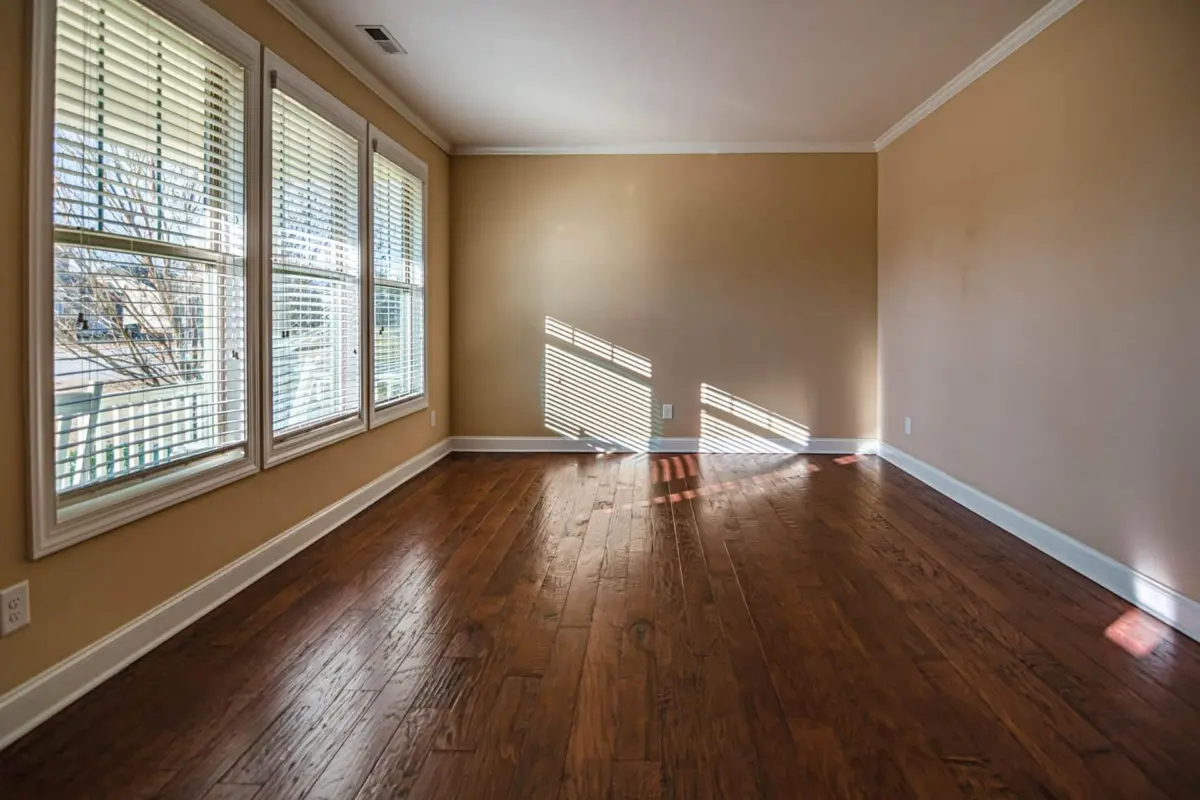
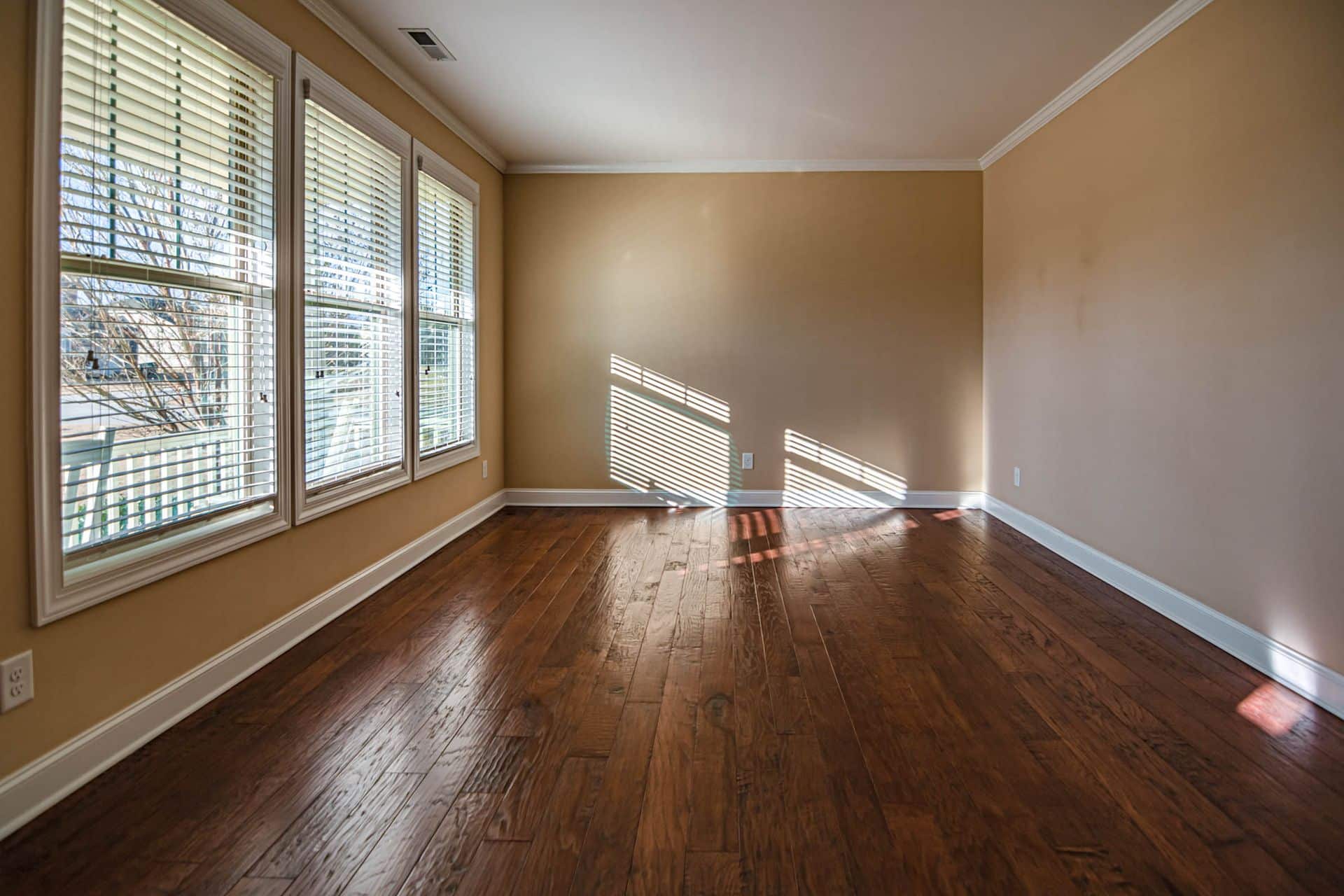
Now three weeks into a planned three-month health experiment, she is residing in a sparsely furnished apartment chosen for its simplicity and ease of transition. Settling her minimal belongings among the sparse stock furniture provided by the rental has inadvertently transformed into a masterclass in intentional living, decluttering, and the profound psychological effects of physical space.
The relocation has yielded early, encouraging results regarding her health—marking the first genuine improvement she has observed in years. However, this success presents a bittersweet reality, confirming that her permanent home may indeed be linked to her medical struggles. As she navigates this complex situation, the temporary displacement has offered unexpected insights into consumer habits, personal utility, and the relentless accumulation of modern possessions.
Use It Up
Among the earliest lessons learned in the sparse apartment involved the philosophy of consumption. Furnished rentals often come stocked with hotel-sized portions of everyday products, such as toiletries and basic cleaning supplies. Having brought her own provisions, Mia found herself surrounded by these extra, trial-sized items.
In previous circumstances, a standard hoarding mentality might have dictated saving these diminutive items for a hypothetical future where tiny portions could prove useful. Instead, she chose to exhaust the inventory immediately. Recognizing that these products were often the lowest quality versions available, preserving them offered no enrichment to her daily life. By using them up systematically, discarding the empty containers, and moving forward, she reduced the physical and mental real estate occupied by unnecessary objects. This experience reinforced a strict philosophy of utilitarian decluttering, proving the value of consuming existing supplies rather than warehousing them.
Functional Decor
As a self-described homebody, adapting to an unfamiliar environment presented a psychological challenge. To bridge the gap between a sterile rental and a comforting sanctuary, she deliberately integrated the few personal mementos she brought along. Rather than folding away her colorful throw blanket into a storage chest, she draped it casually over the couch. Books were propped openly throughout the living quarters instead of being stacked neatly on a bedside table.
By allowing items that looked visually appealing and comforting to remain in plain sight rather than tucked away in drawers, she warmed up the temporary space. In a heavily furnished home, such placement might risk descending into visual clutter. However, when restricted to a minimal collection of cherished keepsakes, functional styling allows everyday objects to serve a dual purpose, creating a homey atmosphere without contributing to dead weight or useless accumulation.
This Spoon
The importance of purposeful utility was further highlighted by a birthday gift received from a visiting friend: a small wooden spoon. Managing sensory issues that cause severe nausea from the clinking of traditional silverware, Mia had initially resorted to saving plastic cutlery from takeout meals during her first days in the apartment to avoid using the provided metal utensils.
The arrival of the wooden spoon offered a practical and sentimental solution. Sized perfectly for her needs and evoking fond memories of her friend whenever viewed, the item quickly became her exclusive utensil alongside a pair of chopsticks, rendering the rest of the apartment’s cutlery drawer entirely obsolete. The experience underscored the principle that a single item serving its purpose perfectly—especially one that brings genuine joy—holds far greater value than a drawer full of unused alternatives.
Alone Time
The relocation also brought a dramatic shift in her social dynamics. With a significantly reduced local social circle compared to her life back home, her schedule opened up considerably. While initially presenting a bittersweet adjustment due to her deep affection for her friends, the reduction in social obligations proved remarkably energizing.
Thriving on solitude despite an inherent human desire to remain constantly connected to loved ones, she found that her simplified schedule and easy-to-maintain living space streamlined her daily routine. Mornings now begin with an effortless walk to the local gym for workouts, her temporary apartment remains consistently spotless, and she has dedicated substantially more time to preparing healthy meals.
Furthermore, having acquired a business a few months prior—a venture that temporarily quieted her public presence—the newfound mental space and spare time allowed her to catch up on professional responsibilities and resume writing. While she plans to reintegrate social activities and hobbies, such as game nights with old friends and resuming fight training now that her energy levels have returned, the extended period of solitude has proven profoundly productive.
Clutter Comes Fast
Despite moving in with almost nothing just three weeks prior, Mia noted the rapid, almost imperceptible encroachment of clutter. The celebration of her birthday brought new gifts into the apartment, which, while cherished, immediately occupied physical space—a reality highlighted by the presence of a small trampoline sitting beside her workspace.
Similarly, a collection of plastic containers saved for food storage quickly filled a kitchen cabinet. Observing the natural flow of consumer goods within the United States, she noted that items continuously stream into the home by default. Without a deliberate, opposing flow guiding possessions back out, physical spaces inevitably accumulate excess over time. To combat this, she has begun implementing passive decluttering strategies to stay ahead of the accumulation before it becomes unmanageable.
As the three-month experiment continues, the preliminary findings offer both relief and a complex dilemma. With her health showing tangible signs of improvement for the first time in years, the correlation between her symptoms and her permanent residence appears increasingly likely. Armed with newfound mental space and insights gained from minimalist living, she intends to address the underlying issue while continuing her writing and preparing for upcoming community initiatives, including the annual holiday decluttering challenge.