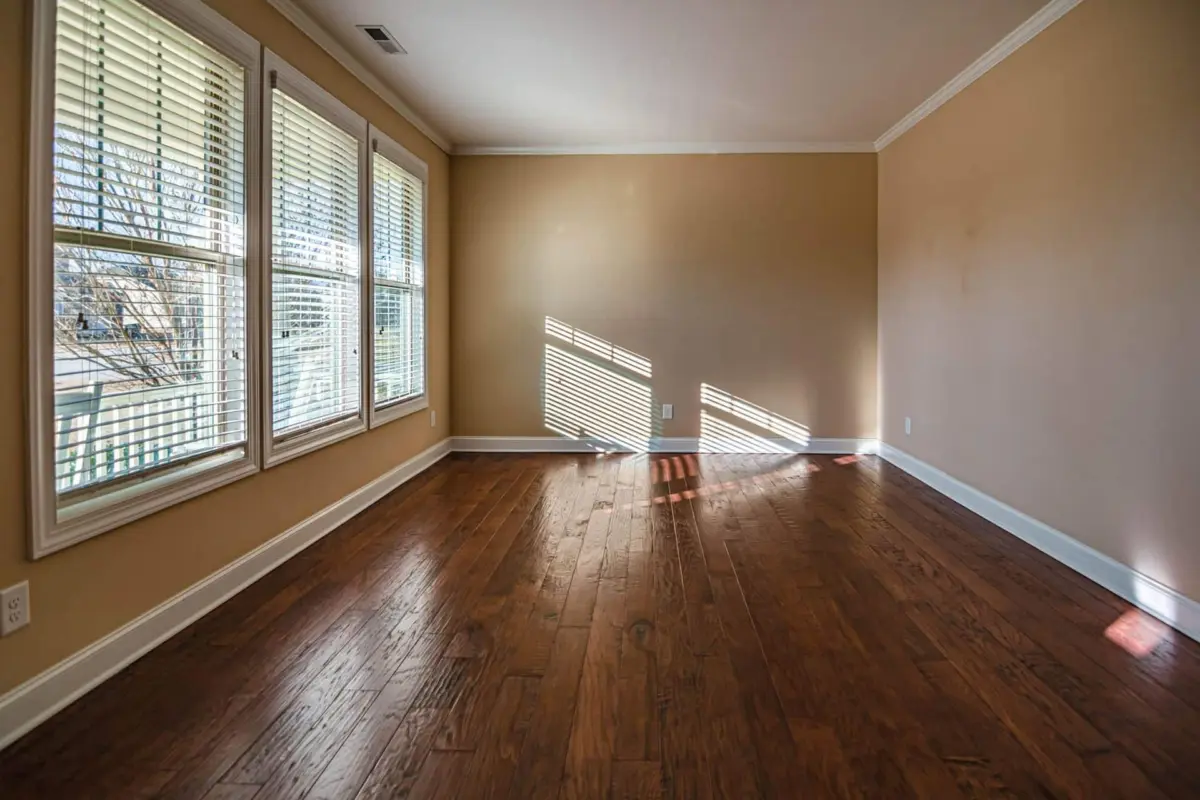
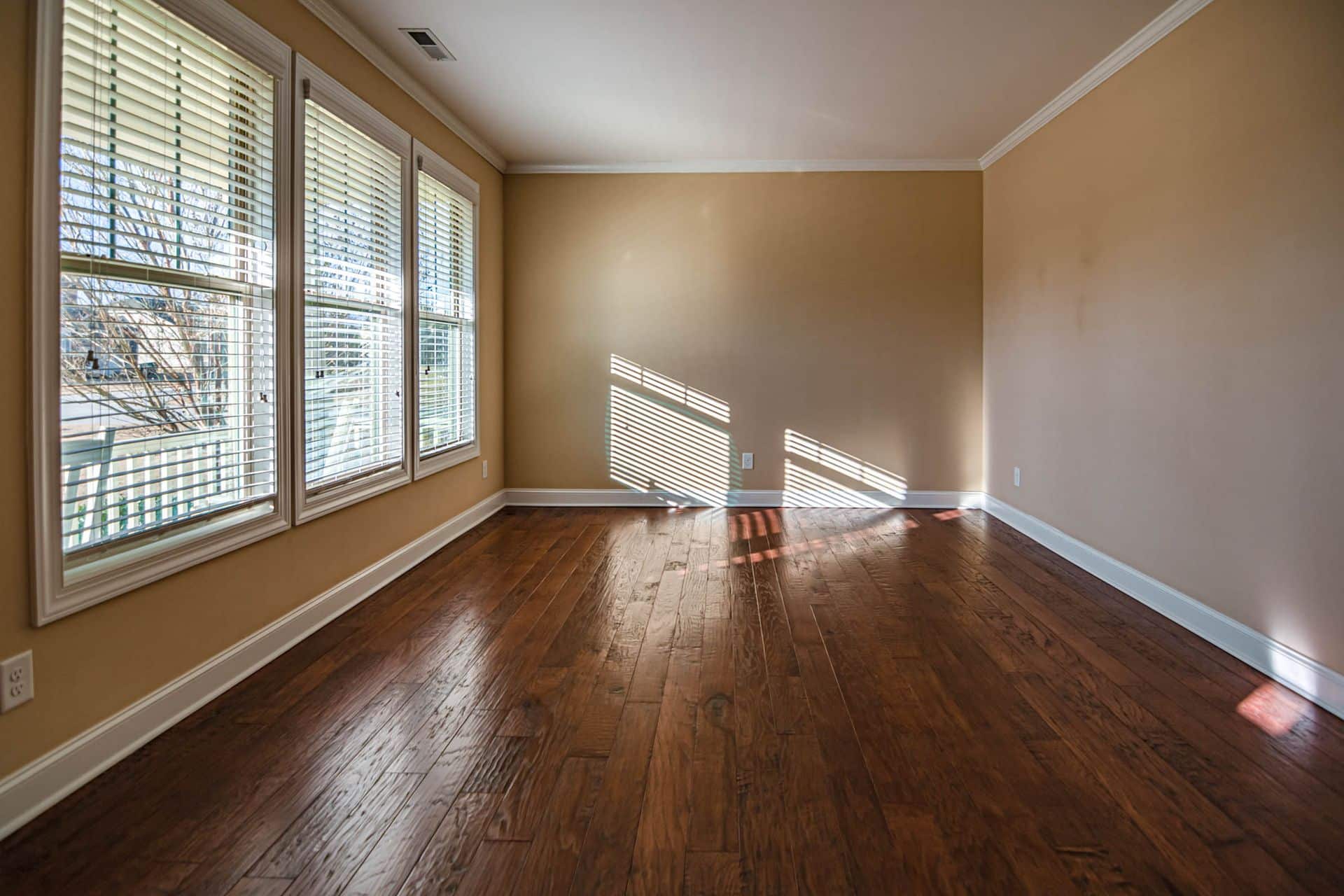
The destination was a sparsely furnished, basic apartment chosen specifically to facilitate a seamless and uncomplicated transition. Upon arrival, Mia settled her meager belongings into the minimal stock furniture provided by the rental, effectively living out of a fraction of the space she was accustomed to. This stark environment offered an immediate masterclass in the psychology of clutter and minimalism, echoing lessons she had previously learned from navigating overstaturated living spaces. As the weeks have unfolded, this temporary relocation has yielded unexpected insights into consumption habits, personal styling, mental clarity, and the relentless accumulation of household goods.
1. Use It Up
Part of the standard furnished apartment experience involves inheriting hotel-sized portions of everyday essentials. Having already packed her own toiletries and cleaning supplies, Mia viewed these complimentary provisions as mere surplus. In the past, she admits, a hoarding mentality would have dictated saving those tiny containers for some hypothetical future scenario where miniature toiletries might prove useful.
This time, however, a different philosophy took hold: simply using them up. Recognizing that these products were often the lowest tier of everyday items, she realized that saving them would do nothing to enrich her life. There was no genuine excitement in reserving them for later use. By systematically consuming them first, she was able to discard the empty containers immediately, ridding her physical environment and mental headspace of unnecessary baggage. The experience transformed her from a hesitant saver into an even more fervent proponent of deliberate, consumption-driven decluttering.
2. Functional Decor
As a self-described homebody, adjusting to life away from her permanent residence and familiar belongings proved to be a psychological challenge. To combat the sterility of the spare apartment, Mia integrated the few personal mementos she had brought along directly into her daily environment. Rather than folding away a colorful throw blanket or tucking books out of sight on a bedside table, she draped the blanket over the couch and propped her books strategically throughout the rooms.
Anything that carried a sense of warmth and familiarity was given a prominent, visible home rather than being relegated to a drawer. While a strategy like this risks looking cluttered in a heavily furnished home, it achieves the opposite effect when working with only a handful of cherished items. By styling the living space with items that serve a practical purpose, those objects are allowed to perform double duty—warming the atmosphere without contributing to dead-weight clutter.
3. This Spoon
A particularly poignant lesson in intentional living arrived around her birthday, when a visiting friend presented her with a small wooden spoon. For Mia, who struggles with sensory issues and experiences intense nausea at the sharp clinking sound of metal silverware, finding functional utensils is no minor detail. During her first days in the apartment, she had resorted to saving plastic cutlery from takeout orders strictly to avoid the metal utensils supplied by the rental.
The gifted wooden spoon offered an immediate and welcome alternative. Perfectly sized and deeply sentimental, it serves as a daily reminder of a dear friend. Because she now relies exclusively on this spoon and a pair of chopsticks for her meals, the remainder of the apartment’s utensil drawer has become entirely redundant. The experience underscored a broader minimalist truth: owning a single item that serves its purpose flawlessly—and brings genuine joy in the process—is infinitely superior to maintaining a drawer full of mediocre alternatives.
4. Alone Time
One of the most drastic adjustments during this three-month experiment has been the dramatic contraction of Mia’s social calendar. While she has a few acquaintances nearby, her local network is a fraction of what she enjoys back home. Initially, this lack of socialization felt like a heavy drag, given her deep affection for her friends. Yet, it has simultaneously proven to be a profound source of energy.
Thriving on solitude while simultaneously wrestling with the human desire to remain constantly connected to loved ones is a familiar contradiction. With her schedule cleared of social obligations and her minimalist living space requiring minimal maintenance, daily life simplified significantly. Mornings now begin with an effortless walk to the gym for workouts. The apartment remains perpetually spotless, and significantly more time is dedicated to preparing wholesome, nourishing meals.
Furthermore, having acquired a business a few months prior—a milestone that kept her unusually quiet online—Mia finally found the necessary spare time and mental space to document her journey through writing. Although she intends to reintroduce social activities and hobbies into her routine now that she is fully settled, including hosting game nights with her hometown friends and returning to fight training, the extended period of uninterrupted solitude has proved remarkably productive and revitalizing.
5. Clutter Comes Fast
Despite arriving with next to nothing just three weeks prior, Mia noted the rapid and persistent threat of household clutter beginning to reassert itself. Celebrating a birthday meant welcoming new gifts into the apartment—items that brought genuine happiness but immediately demanded physical space, such as a small trampoline resting beside her workspace.
Even simple daily habits contribute to the accumulation. Within weeks of driving in with virtually empty luggage, she found a kitchen cabinet filling up with plastic food storage containers she had instinctively saved. This phenomenon highlights a fundamental structural reality of modern domestic life: the natural flow of consumer goods in contemporary households is relentlessly inward. Without the deliberate establishment of an outward flow—a regular ejection of items—possessions will inevitably pile up indefinitely.
In response, Mia has resumed her established passive decluttering practices, utilizing structured techniques that have proven remarkably effective. Getting ahead of the accumulation curve, she notes, makes the visible impact of these habits immediately apparent to anyone attempting to maintain a simplified home.
So… Did It Help?
For those following the progress of her experimental relocation, the preliminary results offer a strong measure of encouragement. The temporary move is genuinely helping alleviate her symptoms, marking the first tangible health improvement she has witnessed in years.
Naturally, the breakthrough brings complicated realities, given that the successful environment is located miles away from her permanent life. Resolving that logistical and health paradox is a challenge she intends to tackle utilizing the newfound mental space afforded by her simplified surroundings. For now, the experiment continues, alongside preparations for upcoming community events like the annual Holiday Decluttering Challenge.