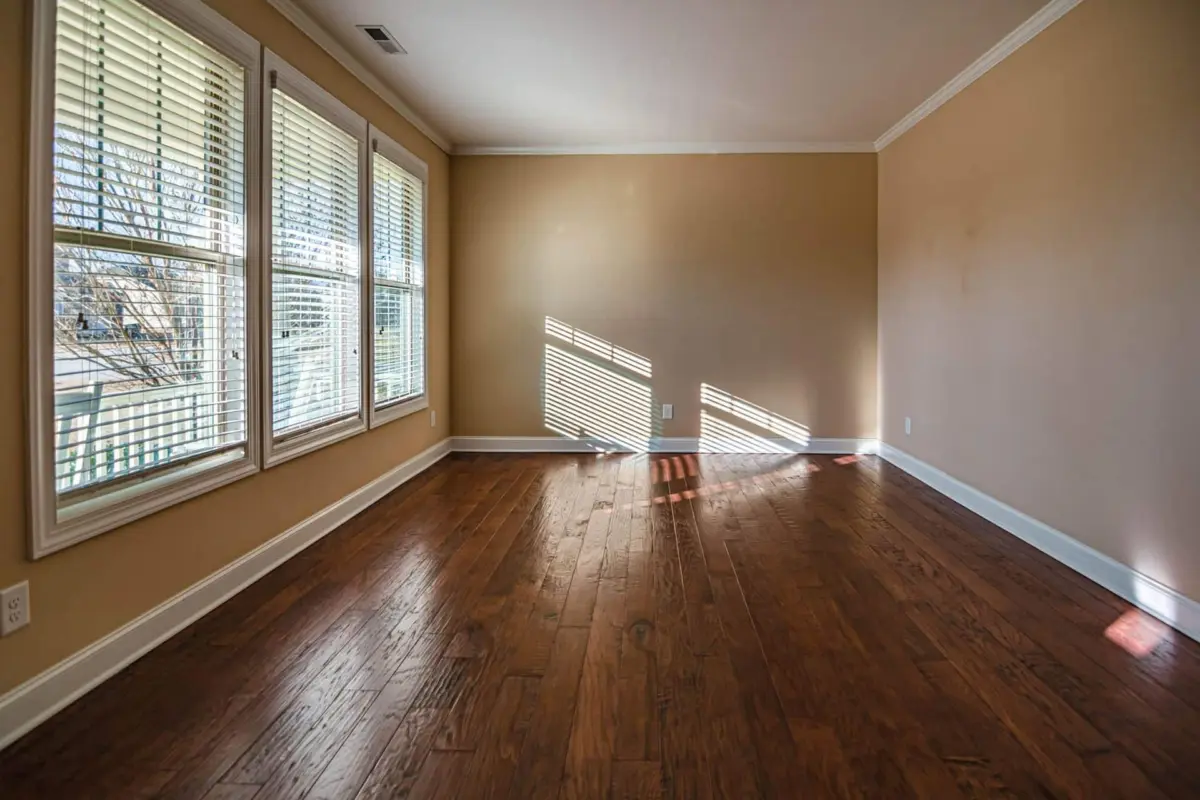
Upon arriving at her destination, she settled into a bare-bonedly furnished apartment chosen specifically for its simplicity, ensuring a seamless transition away from the complexities of her primary household. Spending her first afternoon distributing her minimal belongings across the standardized stock furniture provided by the rental, Mia began an unintended immersion course in minimalism. Living in a spare, unadorned space for three weeks has offered profound insights into how physical environments dictate mental well-being, shedding light on the psychological weight of clutter, the utility of everyday objects, and the surprising benefits of forced isolation.
The experience began with a reassessment of everyday consumption habits. Part of the reality of renting a furnished short-term space involves encountering hotel-sized portions of everyday amenities. Having brought her own toiletries and cleaning supplies from home, Mia found herself in possession of an assortment of redundant, low-quality consumables. In the past, she admits, she would have fallen victim to a traditional hoarding mentality—the compulsion to save subpar items for a hypothetical future moment when they might somehow prove useful.
Instead, facing a temporary living arrangement, she decided to simply use them up. Recognizing that these substandard products were the worst possible versions of their respective categories, she understood that saving them would do nothing to enrich her quality of life. By consciously choosing to exhaust these items first, she was able to discard the empty containers immediately, ridding her physical environment and her mental landscape of unnecessary clutter. The experience transformed her perspective, making her a stauncher proponent of intentional resource consumption than ever before.
Relocating also forced a creative rethinking of personal space and interior design. As a self-described homebody, being separated from her familiar surroundings and belongings initially proved to be a psychological challenge. To combat the sterility of the temporary apartment, she selectively displayed the few mementos and personal items she had brought along, draping a colorful throw blanket over the couch rather than tucking it away, and propping her favorite books along flat surfaces instead of stacking them out of sight on a bedside table.
Any object that carried a sense of warmth and familiarity was given a prominent spot in view rather than being relegated to a drawer. While such a strategy might easily cross the line into visual clutter in a heavily furnished home, operating with a strictly limited inventory allowed these personal touches to warm up the space effectively. This approach highlighted a valuable design principle: styling living areas with functional, cherished items allows them to serve a dual purpose, making an unfamiliar environment feel like home without introducing useless surface baggage.
Among the few personal items that made the journey was a single wooden spoon, gifted to her by a close friend who visited to celebrate her recent birthday. Mia lives with sensory issues that make the sharp clinking sound of traditional metal silverware genuinely nauseating, a sensory hurdle that initially drove her to stockpile plastic takeout cutlery during her first days in the apartment to avoid using the metal utensils supplied by the landlord. The wooden spoon, perfectly sized and deeply meaningful, quickly became her primary eating utensil alongside a trusty pair of chopsticks, rendering the rest of the apartment’s utensil drawer entirely obsolete. The experience reinforced the idea that owning a single item that serves its purpose flawlessly—particularly one that brings genuine joy—infinitely outperforms maintaining a drawer full of mediocre alternatives.
Beyond material possessions, the relocation drastically altered Mia’s social landscape and daily routine. Her social calendar contracted sharply, leaving her with only a handful of nearby acquaintances compared to the vibrant community she left behind. While initially a disappointment given her deep affection for her friends, the sudden quiet proved to be remarkably energizing. Balancing a natural inclination toward introverted productivity with a human desire for constant connection, she found that a simplified schedule combined with an easy-to-maintain living space unlocked an unprecedented level of daily ease.
Without the friction of a demanding social schedule and complex household chores, her daily life streamlined effortlessly. Mornings now begin with an easy, automatic walk to the gym for regular workouts. Her apartment remains immaculate with minimal effort, and she finds herself dedicating significantly more time to preparing wholesome, nourishing meals. Furthermore, having purchased a business a few months prior—a milestone that explained her recent quiet period on her blog—she found herself so far ahead on professional tasks that she finally reclaimed the spare time and mental bandwidth required to write and reflect publicly.
While she intends to reintroduce social activities and hobbies into her routine as she settles in—planning future game nights with friends back home and picking up fight training now that her energy levels have rebounded—the period of enforced solitude proved vital for her productivity and physical recovery.
Yet, the experiment also exposed the relentless velocity at which modern environments accumulate possessions. After just three weeks in the apartment, Mia could already feel the impending threat of domestic clutter. Following her birthday, new gifts brought genuine happiness but immediately began claiming physical surface area, culminating in the surreal presence of a trampoline positioned right beside her desk as she typed. Driving across the country with virtually nothing had not prevented the natural inward flow of goods; within weeks, a kitchen cabinet was already filling up with saved plastic food containers. Observing this phenomenon highlighted a fundamental truth about modern consumer spaces: the natural trajectory of items within a household is strictly inward. Without deliberate, active systems to push possessions back out into the world, accumulation is inevitable.
To combat this, she quickly re-engaged her established decluttering practices, utilizing passive maintenance strategies that proved remarkably effective at keeping the incoming tide of items under control before it could escalate into a major burden.
As for the core question driving her cross-country relocation—whether the temporary move actually improved her chronic health issues—the early results are both promising and complex. For the first time in years, Mia has observed a genuine, measurable improvement in her physical well-being, confirming her initial suspicions that her permanent home environment was playing a detrimental role in her health. While the realization offers much-needed relief, it also presents a complicated new reality to navigate regarding the future of her primary residence. For now, armed with newly cleared mental space and valuable lessons in minimalism, she continues her experiment, with plans to resume her regular publishing schedule and upcoming community decluttering challenges as she sorts out the path ahead.