Methane remains largely invisible to the human eye, carrying no color or scent, yet it is quietly shaping the future of global climate stability. Found bubbling up through natural wetlands, exhaled by livestock, and generated by household heating systems, methane is a powerful greenhouse gas and the second most significant contributor to the global climate crisis, trailing only carbon dioxide. As the primary component of natural gas—a fossil fuel that currently generates approximately 25 percent of the world’s electricity—methane occupies a central, often contentious role in modern energy systems and environmental policy.
Chemically, methane is a hydrocarbon composed of four hydrogen atoms bonded to a single carbon atom. It is abundant in nature, emerging from both geological and biological processes. Geologically, it forms over millions of years when heat and pressure transform decomposing organic matter buried deep underground, yielding the natural gas reservoirs tapped for energy today. It can also form without organic material through deep subterranean processes. Biologically, methane is produced through a process known as methanogenesis, in which oxygen-free microorganisms called archaea respire and release methane as a byproduct. This biological pathway generates the gas above ground in environments ranging from natural wetlands to the digestive tracts of termites and ruminant livestock.

Measuring Methane: From the Ground Up and the Sky Down
Scientists and engineers rely on two primary methodologies to measure atmospheric methane: bottom-up and top-down approaches. Bottom-up assessments begin at the localized source and scale outward. These inventories either directly measure facility emissions or estimate them using general data regarding the emitting equipment or animal. For instance, calculating the methane footprint of a national dairy sector might involve multiplying an average emission factor per cow by the total livestock population. Similarly, regional oil and gas calculations apply standard emission rates to equipment counts.
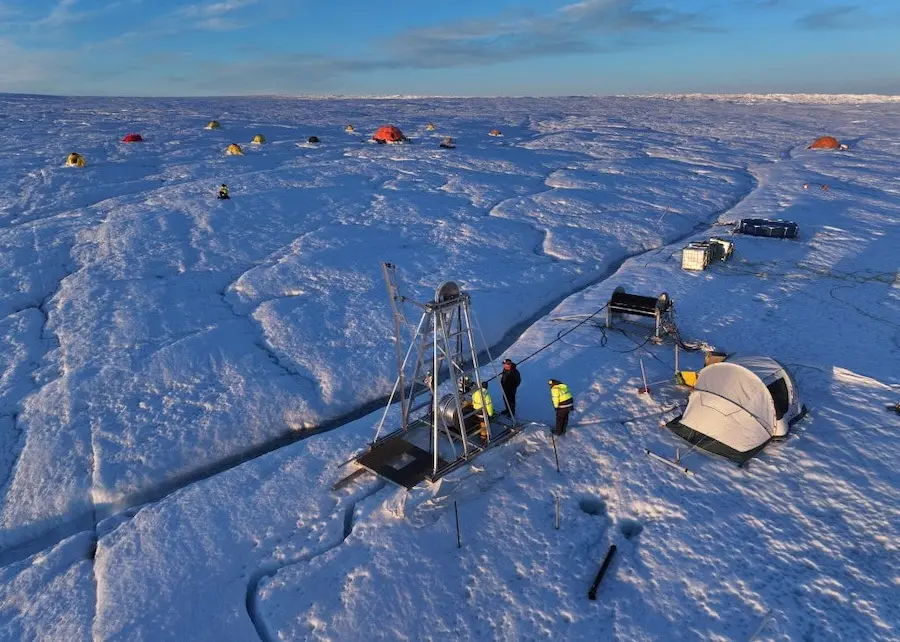
Conversely, top-down approaches begin in the atmosphere, capturing data via airplanes, high-altitude platforms, and advanced satellites. When combined with atmospheric modeling and inventories of known sources and sinks, these observations provide a macro-level view of global emissions.
As satellite technology evolves, it increasingly detects extraordinary, super-emitting incidents that traditional bottom-up inventories routinely overlook. For example, relying on standard equipment leak averages often misses the extraordinary leaks responsible for over half of total industry emissions. Direct atmospheric and ground-based measurements frequently reveal stark discrepancies; one landmark study found that direct measurements of U.S. oil and gas methane emissions were 60 percent higher than official U.S. Environmental Protection Agency estimates. Refining these measurement techniques remains essential for accurately accounting for and eventually curbing emissions.

How Methane Drives the Climate Crisis
When methane enters the atmosphere, it acts as a thermal blanket, absorbing heat energy radiated from the Earth’s surface and redirecting it back downward. Natural sinks, primarily in soils and the troposphere, naturally break down methane into carbon dioxide and water vapor, effectively balancing natural emissions. However, industrial-era human activities—including the widespread combustion of fossil fuels, intensive agricultural practices, and municipal waste management—have injected methane into the atmosphere at rates far exceeding the capacity of natural sinks.
By 2023, atmospheric methane concentrations had surged by 265 percent compared to pre-industrial levels, reaching 1,934 parts per billion. Human activities account for roughly 60 percent of these emissions, driving approximately one-third of contemporary global heating. Without decisive intervention, emissions are projected to rise another 13 percent between 2020 and 2030.
Methane’s potency makes it a primary target for immediate climate action. While carbon dioxide persists in the atmosphere for centuries, methane has an atmospheric lifespan of roughly 12 years. Over a 20-year timescale, methane traps 86 times more heat per unit of mass than carbon dioxide, a figure that drops to 28 times over a century. Because it packs such an intense thermal punch over a relatively short duration, curbing methane offers the single greatest potential to slow global heating over the next two decades. The Intergovernmental Panel on Climate Change has calculated that global methane emissions must fall by roughly 34 percent by 2030, relative to 2019 levels, to keep global temperature increases within the critical threshold of 1.5 degrees Celsius.

Identifying the Primary Sources
Human activities and natural processes divide the global methane budget, with anthropogenic sources accounting for roughly 60 percent and natural sources driving the remaining 40 percent. Over 90 percent of human-caused emissions originate from three distinct sectors: agriculture, fossil fuels, and waste management.
Agriculture is responsible for approximately 40 percent of human-caused methane emissions, driven primarily by livestock. Ruminant animals such as cattle, sheep, and goats produce methane during enteric fermentation, a digestive process where microbes break down tough plant fibers. Livestock raised for meat and milk generate about 32 percent of all human-caused methane. Manure storage facilities represent another major agricultural source. Additionally, rice cultivation accounts for roughly 8 percent of human-caused emissions, as flooded paddy fields foster the anaerobic microbial environments necessary for methanogenesis.
Fossil fuel extraction, transportation, and combustion contribute approximately 35 percent of human-caused methane emissions. Oil and gas operations account for 23 percent, releasing gas through intentional venting during extraction and accidental leaks across distribution networks. Coal mining operations release another 12 percent, as methane trapped within coal seams escapes during excavation, ventilation, and through abandoned mine shafts. Underground mines emit disproportionately more methane than surface operations. Fossil fuel infrastructure is also prone to severe, isolated failure events known as super-emitters. In 2022, researchers detected over 1,000 such incidents, including a massive leak in Turkmenistan that spewed methane at a rate equivalent to the hourly emissions of an entire industrialized nation.

Landfills and wastewater management systems contribute roughly 20 percent of human-caused methane emissions as microbes decompose organic waste in oxygen-deprived environments. With rapid population growth and urbanization, waste-related emissions are projected to climb significantly in the coming decades.
Natural emissions are dominated by wetlands, which cover roughly six percent of the global land area and account for about one-third of total global emissions. Water-saturated soils create ideal conditions for methane-producing archaea. Furthermore, climate-induced temperature increases and changing rainfall patterns have accelerated wetland emissions, sparking concerns over a feedback loop where a warming planet triggers higher natural emissions. Marine environments, permafrost, termites, and geological seeps comprise the remaining natural sources.
The ‘Bridge Fuel’ Debate and LNG Expansion
The rapid global expansion of natural gas infrastructure, including liquefied natural gas export terminals, has fueled ongoing debates over the climate impacts of fossil fuels. Proponents long championed natural gas as a cleaner "bridge fuel" capable of replacing coal during a transition toward renewable energy, noting that burning natural gas emits roughly half the carbon dioxide of coal per unit of energy.

However, this argument frequently overlooks the substantial volume of methane that escapes during extraction and transport. Research indicates that if even a fraction of the gas leaks into the atmosphere, LNG can match or exceed the near-term climate-warming footprint of coal. A 2023 study calculated that accounting for methane leakage gives LNG a 33 percent greater global warming potential over a 20-year period than coal. Furthermore, energy analysts and government evaluations suggest that expanded export capacity is increasingly displacing renewable energy deployment rather than simply phasing out legacy coal power.
Public Health Impacts and Reduction Strategies
Beyond its role in driving the climate crisis, atmospheric methane reacts with other compounds to generate ground-level ozone, a hazardous pollutant that damages human lung tissue, triggers severe respiratory and cardiovascular ailments, and stunts agricultural crop yields. Methane-induced ozone contributes to roughly half a million premature deaths annually. Conversely, reducing methane emissions yields immediate public health and agricultural dividends, preventing thousands of emergency room visits and saving hundreds of thousands of tons of staple crops each year.
Mitigating these emissions requires a combination of systemic transformations and targeted technological interventions. In the agricultural sector, efficiency improvements, optimized livestock diets, enteric feed additives such as specific seaweeds, and upgraded manure management systems can drastically curb emissions. For fossil fuel operations, deploying advanced leak detection technology, repairing faulty infrastructure, phasing out routine venting, and capturing methane at coal mines can eliminate a substantial share of ongoing pollution. In municipal waste management, expanding organic waste diversion, composting, and capturing landfill biogas remain critical solutions.

While international frameworks such as the Global Methane Pledge—signed by 159 nations committed to cutting global emissions by 30 percent from 2020 levels by 2030—demonstrate broad diplomatic consensus, translating these targets into measurable real-world reductions remains an ongoing challenge. With emissions continuing to challenge global reduction timelines, researchers and policymakers emphasize that immediate, aggressive action to rein in methane is essential for stabilizing global temperatures.