
The cross-country journey was not born of wanderlust, but of necessity. For a prolonged period, Mia had been grappling with pervasive, unexplained health issues that resisted conventional understanding and treatment. Suspecting that her permanent residence might be the hidden catalyst for her declining wellness, she decided to execute a bold, real-world experiment: leave home entirely to see if her symptoms would lift before committing to any permanent, life-altering relocation decisions.
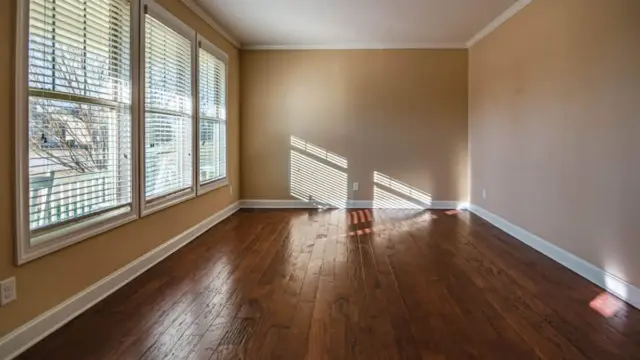
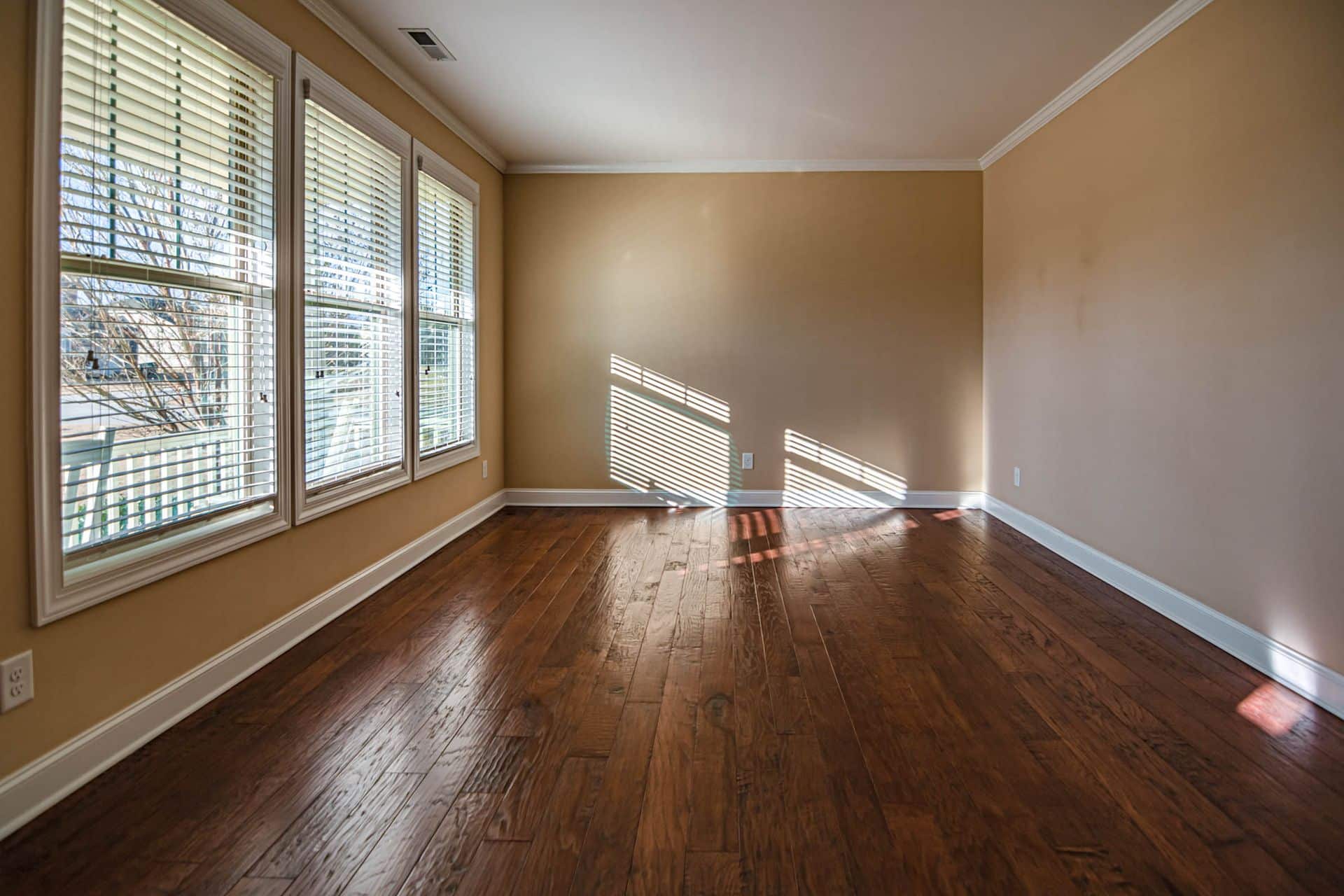
Landing in a minimalist environment with only three square feet of personal belongings forced an immediate confrontation with the realities of space, accumulation, and daily habits. Living in a starkly stripped-down atmosphere provided unexpected insights into the psychology of clutter and the mechanics of intentional living—lessons that mirrored, yet inverted, years of dealing with a traditional, fully stocked household.
1. Use It Up
Part of the standard temporary furnished apartment experience involves inheriting hotel-sized portions of everyday consumables: small soaps, tiny shampoos, and miniature cleaning supplies. Having packed her own trusted toiletries and cleaning staples, Mia initially viewed these complimentary items as redundant extras.
In her previous domestic life, a lingering hoarding mentality might have dictated saving those tiny provisions for some hypothetical rainy day when minuscule amounts of a product might miraculously be required. Instead, faced with a temporary footprint, she made a conscious choice to simply use them up.
Because these trial-sized products were frequently the lowest tier of quality, preserving them offered no genuine enrichment to her daily existence. Holding onto them promised no future excitement. By aggressively consuming these supplies first, she quickly exhausted the inventory, discarded the empty containers, and liberated valuable mental and physical real estate. The experience transformed a minor housekeeping routine into a profound lesson in the power of targeted decluttering, cementing a philosophy of exhausting existing resources rather than storing them indefinitely.
2. Functional Decor
As a self-described homebody, adapting to an unfamiliar space devoid of familiar comforts proved initially disorienting. To bridge the psychological gap between a sterile corporate rental and a sanctuary, Mia turned to the few sentimental items she had managed to squeeze into her compact car. Rather than neatly folding her colorful throw blanket and hiding it away in a closet, she draped it casually over the living room sofa. Instead of stacking her books tightly on a bedside table where they would remain hidden, she propped them purposefully throughout the apartment.
Any object that possessed even a modest degree of aesthetic warmth or personal resonance was given a visible home in the open rather than being relegated to a drawer. In a crowded environment, such an approach might easily tip over into visual noise and chaotic clutter. However, when working with a severely restricted inventory of personal mementos, allowing everyday objects to remain in plain sight successfully warmed up the stark architecture of the rental property.
This strategy demonstrated the value of styling with functional items, allowing possessions to serve a dual purpose: enriching the visual atmosphere of a room without introducing superfluous, useless junk.
3. The Spoon
The delicate balance of the temporary minimalist experiment was highlighted on Mia’s recent birthday, when a visiting friend presented her with a unique gift: a small wooden spoon.
Living with sensory processing sensitivities, Mia harbors an intense aversion to the metallic clinking of standard silverware against ceramic bowls—a sound that routinely triggers feelings of nausea. On her very first day in the apartment, rather than forcing herself to endure the metal utensils supplied by the landlord, she had deliberately hoarded plastic cutlery from local takeout orders.
The arrival of the wooden spoon changed the equation entirely. Perfectly sized and deeply personal, it served as a tactile reminder of a dear friend every time it was utilized. Ultimately, this single implement, paired with a trusty set of chopsticks, rendered the rest of the apartment’s fully stocked kitchen utensil drawer entirely obsolete. The experience reinforced a core minimalist realization: possessing a single item that executes its function flawlessly—with the added bonus of generating genuine emotional joy—vastly outweighs owning an entire drawer filled with mediocre, multi-piece alternatives.
4. Alone Time
One of the most immediate structural shifts in Mia’s temporary lifestyle involved her social calendar. While she did have a few acquaintances living within a reasonable geographic radius, her daily interactions dropped precipitously compared to the bustling social web of her hometown.
On the surface, this isolation posed an emotional hurdle, given her deep affection for her friends. Yet, beneath the initial friction lay a profound sense of rejuvenation. Thriving fundamentally on solitude—even while occasionally resisting it due to an innate desire to remain perpetually connected to loved ones—she navigated that familiar human contradiction with newfound grace.
With an uncluttered schedule and an environment that required minimal maintenance, the rhythm of daily life simplified dramatically. Mornings began with an effortless, routine walk to the local gym for physical training. The apartment remained perpetually spotless. Hours once lost to complex household upkeep were successfully redirected toward the preparation of wholesome, nourishing meals.
Furthermore, having acquired a business several months prior—a milestone that had temporarily quieted her public writing schedule—the newfound expansiveness of her mental space provided the necessary clarity to document her experiences. While plans were firmly in place to gradually reintroduce social activities and hobbies into her routine, including hosting game nights with distant friends and returning to martial arts training, the initial immersion in uninterrupted solitude proved remarkably energizing and productive.
5. Clutter Comes Fast
Despite the intentional simplicity of her temporary setup, the experiment laid bare an inconvenient truth about modern consumer living: clutter accumulates with alarming speed.
Within just three weeks of occupancy, the subtle, creeping threat of accumulation began to make its presence felt. The celebration of her recent birthday introduced new physical gifts into the apartment—items that brought genuine happiness but immediately demanded spatial allocation, epitomized by a small trampoline sitting directly beside her workspace. Similarly, despite arriving with virtually nothing, her kitchen cabinets rapidly filled with a collection of plastic containers saved from food packaging for future storage.
This phenomenon highlighted a fundamental systemic reality of domestic life, particularly within the United States: the natural, default flow of material items is relentlessly into the home. Without the establishment of a deliberate, counterbalancing flow leading back out of the living space, possessions inevitably pile up in perpetuity.
Recognizing this accumulation trap prompted an immediate reversion to established maintenance routines, leveraging passive decluttering strategies to keep the incoming tide of items manageable. Witnessing the rapid onset of clutter in such a microscopic environment served as a powerful reminder of how quickly negligence can undermine a clean slate.
Evaluating the Experiment
For those following the trajectory of Mia’s experiment, the central question remains: did the relocation actually help?
The preliminary results offer encouraging news. The geographical displacement has yielded the first tangible, sustained improvement in her chronic health issues in years. Yet, the realization carries an inherent complexity, as the solution ties her well-being to a temporary geography far away from her permanent roots. Navigating the implications of that reality is a challenge she intends to address utilizing the vast reserves of mental space she has successfully cultivated during her time away.
As she continues her journey, the focus remains on maintaining balance, preparing for upcoming community projects such as the planned holiday decluttering challenge, and eventually transitioning back to her regular schedule with a renewed perspective on space, health, and intentional living.