For years, author and minimalist writer Mia had been grappling with a series of persistent, unexplained health issues that resisted conventional understanding and treatment. Driven by a growing suspicion that her long-term living environment might be the root cause of her pervasive symptoms, she decided to initiate a bold, high-stakes personal experiment: she would pack up her life and temporarily relocate hundreds of miles away to see if her health would improve before making any permanent, life-altering decisions.
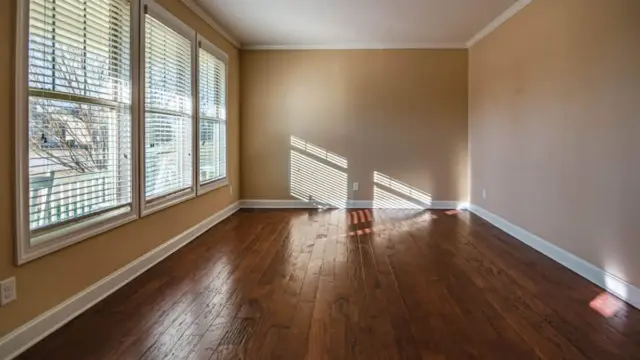
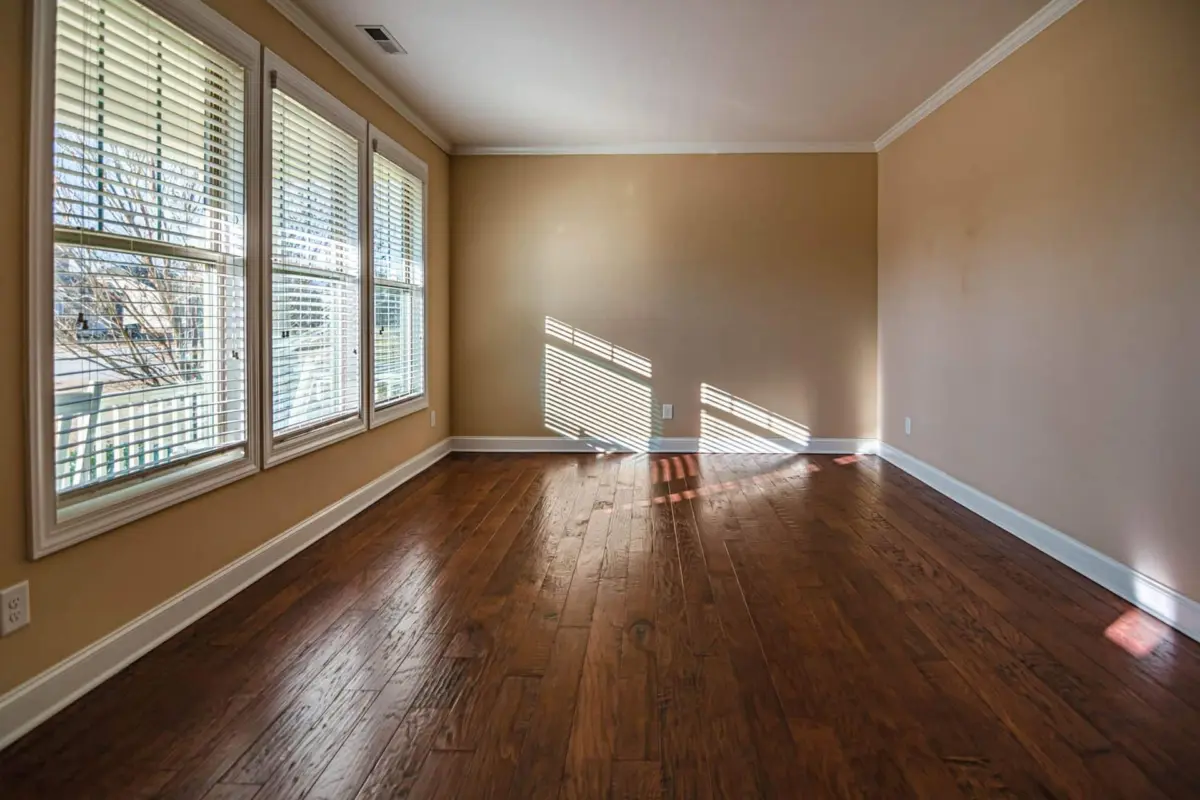
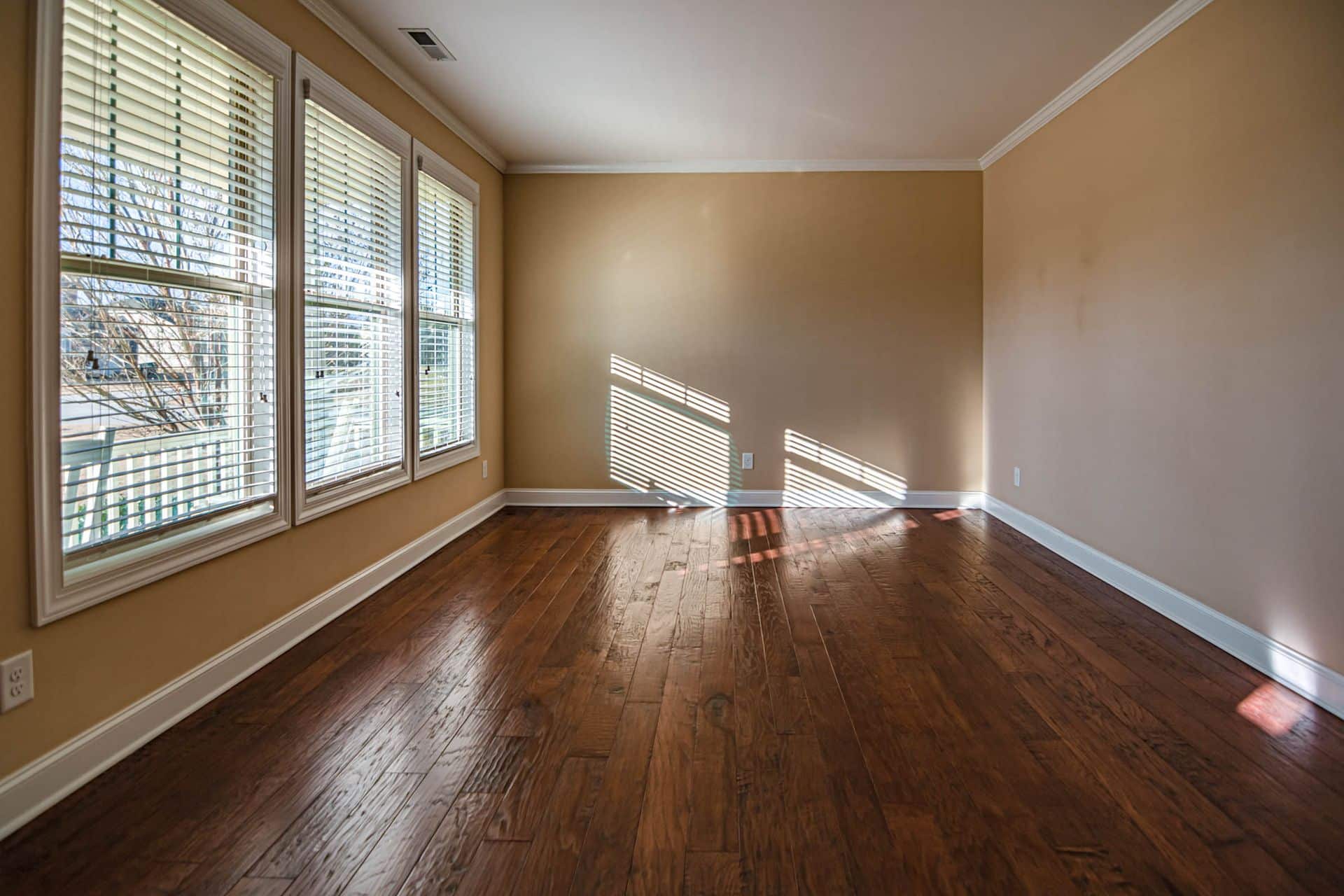
The transition required a drastic downsizing. Packing her subcompact Prius with only daily essentials, work equipment, and a handful of sentimental items to keep her company, she embarked on a grueling nineteen-hour drive to a new city. There, she settled into a sparsely furnished, bare-bones rental apartment designed to facilitate the simplest possible living transition during her three-month stay.
Settling her minimal belongings into the sparse stock furniture of the temporary home, Mia found herself unexpectedly thrust into a real-world study on the psychology of space, consumer habits, and minimalism. Living in an exceptionally spare environment has offered a stark contrast to her previous experiences with clutter, yielding unexpected insights into how physical surroundings directly influence mental well-being, daily routines, and personal productivity.
Use It Up
Among the first adjustments demanded by the furnished apartment experience was managing the small, hotel-sized portions of everyday items left behind by previous occupants. Because Mia had brought her own toiletries and cleaning supplies, these miscellaneous items represented pure surplus.
In her past life, she admitted, she would have fallen victim to a traditional hoarding mentality—saving tiny, suboptimal items for some hypothetical future scenario where miniature toiletries might suddenly become essential. However, this time, she deliberately chose a different path: she simply used them up.
Recognizing these products as subpar versions of everyday necessities, she realized that saving them would do nothing to enrich her quality of life or bring her any joy of utility. By actively consuming these remnants first, she quickly emptied the containers and discarded them, immediately reducing the physical and mental real estate occupied by clutter. The experience has made her an even more passionate proponent of intentional consumption and functional decluttering than she was before the move.
Functional Decor
As a self-described homebody, transitioning away from her primary residence and familiar possessions proved to be a psychological challenge. To combat the sterile feel of the temporary space and soothe her longing for home, she adopted a strategy of intentional placement for the few personal mementos she had brought along.
Instead of folding her colorful throw blanket away out of sight, she draped it casually over the rental couch. Rather than cramming her books into a tight stack on the bedside table, she propped them thoughtfully throughout the apartment. Any item that carried a sense of warmth and familiarity was given a prominent position in view rather than being relegated to a drawer.
While such a technique might easily create visual chaos in a home overstaturated with possessions, within the context of extreme minimalism, it served to make the unfamiliar space feel welcoming and personal. By styling her living quarters with items that served a dual purpose, she discovered a way to foster a homey atmosphere without introducing useless clutter.
Finding Solitude and Simplicity in Everyday Tools
The theme of intentional utility extended directly into Mia’s kitchen, highlighted by a recent birthday gift from a visiting friend: a small wooden spoon.
Dealing with chronic sensory issues, Mia has long harbored an intense aversion to the sound and sensation of clinking silverware, an experience that frequently triggers physical nausea. During her first days in the apartment, she deliberately saved plastic cutlery from takeout meals to avoid using the metal utensils provided with the rental.
The arrival of the wooden spoon offered an ideal solution. Perfectly sized and deeply sentimental, the item reminds her of her close friend every time she uses it. Combined with a simple pair of chopsticks, this single implement has rendered the remainder of the apartment’s utensil drawer entirely obsolete. The experience reinforced a core minimalist philosophy: having one item that serves its purpose perfectly—especially one that brings genuine joy—is vastly superior to maintaining a drawer full of mediocre alternatives.
The Power of Uninterrupted Alone Time
Perhaps the most dramatic shift during the relocation has been the sudden shrinking of Mia’s social calendar. While she has a few acquaintances living nearby, her daily life is largely devoid of the bustling social schedule she maintains back home.
Though initially difficult given her deep affection for her friends, the reduction in social obligations has proved remarkably energizing. Balancing a natural inclination toward deep social connection with a personal need for solitude is a recognized human contradiction, but in this context, the downtime has paid massive dividends.
With her daily schedule cleared and her living space requiring minimal maintenance, her daily routines have streamlined significantly. Morning gym visits and workouts now happen effortlessly. Her apartment remains perpetually spotless, and she has found ample time to cook nourishing, healthy meals from scratch. Furthermore, having acquired a business several months prior—a development that kept her unusually quiet online—she finally found the mental space and time required to catch up on professional responsibilities and pen her reflections on her blog.
While she intends to reintroduce social activities and hobbies into her routine as she settles in—such as resuming fight training now that her physical energy has returned and hosting game nights with her hometown friends—the period of intense solitude has proven exceptionally productive.
The Rapid Accumulation of Clutter
Despite the deliberate minimalism of her current lifestyle, Mia has observed firsthand how rapidly clutter threatens to reaccumulate, even in a sparsely furnished environment. Having spent only three weeks in the apartment, she has already noticed the subtle creep of surplus items.
Following her birthday, new gifts quickly entered the space, bringing happiness but immediately claiming physical territory—noted wryly by the presence of a small trampoline sitting beside her desk. Similarly, despite arriving with virtually nothing, her kitchen cabinets have rapidly filled with plastic containers saved for food storage.
This phenomenon highlights a broader reality of modern consumer culture: the natural hydrodynamic flow of household goods in the United States is overwhelmingly directed inward, into the home. Without establishing a deliberate counterflow of items moving back outward, possessions inevitably pile up indefinitely. To combat this, she has resumed active decluttering practices, employing passive preservation techniques to stay ahead of the accumulation curve.
Assessing the Experiment
As for the core question driving her cross-country journey, the experiment is yielding positive results. The significant relief she has experienced represents the first true improvement in her health in years, offering a promising, if complicated, validation of her suspicions.
While the realization that her primary residence may be linked to her chronic health issues presents a difficult reality to manage, the newfound mental clarity afforded by her minimalist environment provides the ideal foundation to address it. As she continues her three-month trial, she plans to maintain her focus on health, writing, and intentional living, with plans to resume regular blogging and community engagement, including an upcoming holiday decluttering challenge.