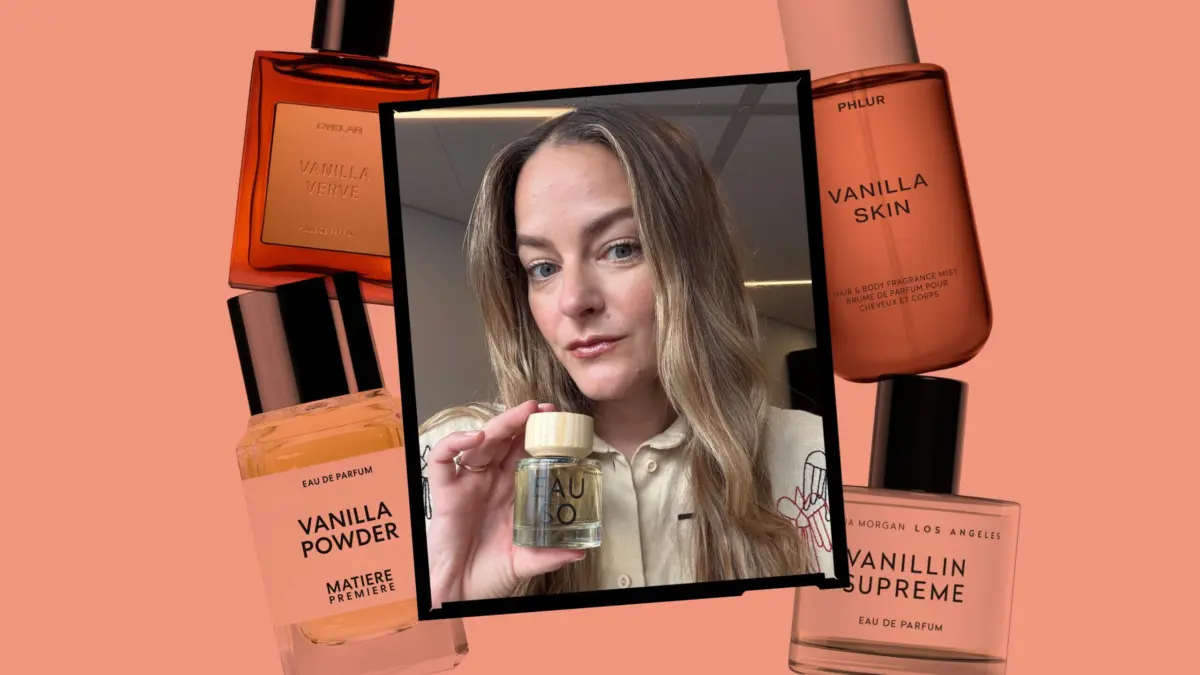
According to industry experts, the mystery of why a bottle of vanilla perfume can smell remarkably sweet and comforting on one person, yet sharp, spicy, or deeply resinous on another, comes down to the unique biological makeup of human skin. Delphine Jelk, master perfumer and creative director of fragrance at Guerlain, explains that this variability is not exclusive to vanilla alone, but rather a fundamental rule of how scent interacts with the human body.
"Depending on one’s own scent, natural skin oils, and pH, perfume notes can be brought out differently because everyone’s skin composition is unique," Jelk notes.
The complex interaction between skin chemistry and aromatic compounds dictates the final olfactory profile that lingers in the air. For instance, vanilla can often manifest as a sugary, confectionary sweetness on certain individuals, while transforming into a much warmer, richer, and more enveloping presence on others. The underlying reason often lies in the acidity levels of the wearer’s skin. If an individual’s skin chemistry leans more acidic, vanilla compounds can react in a way that turns the scent noticeably sharper or spicier, shifting the profile away from a linear gourmand experience into something more complex and unpredictable.
Furthermore, environmental factors and physical attributes—such as body temperature—play a significant role in how a fragrance evolves throughout the day. While gourmand notes like vanilla and amber are traditionally relegated to colder autumn and winter weather due to their cozy, heavy nature, they can shine remarkably well in warmer months if understood correctly.
"Body temperature can also play a role, as warmer skin can intensify certain base notes, vanilla and amber being two examples," Jelk explains. This natural amplification caused by body heat explains why so many beauty and fashion editors continue to treat vanilla as a versatile, year-round signature scent rather than a seasonal novelty.
The Art of Fragrance Wardrobing
As consumer interest in personal expression through scent continues to evolve, conventional rules regarding how to apply and wear perfume are shifting. For those looking to move beyond a single signature scent, the concept of blending different perfumes offers a dynamic way to create a bespoke olfactory signature. However, industry veterans suggest reframing how we approach this practice entirely.
Jelk points out that while "there are no rules with fragrance," she personally prefers to mix vanilla with contrasting notes such as iris or various types of musks to ground the sweetness. Rather than traditional layering—which typically involves spraying one fragrance directly on top of another on the exact same patch of skin—she advocates for a technique known as "fragrance wardrobing."
According to Jelk, fragrance wardrobing "allows you to personalize your trail rather than adding a perfume directly on top of another." Instead of saturating the skin with a heavy mixture of competing liquids, the wardrobe approach involves strategic placement. A wearer might apply one distinct scent to their wrists, a complementary scent to their neck, and perhaps a third distinct notes directly onto their clothing.
"Create your own olfactive look, just like you would a fashion outfit," Jelk suggests, emphasizing that fragrance should be treated as a flexible, multi-dimensional accessory rather than a rigid, one-note application.
Rigorous Standards Behind Beauty Journalism
The nuances of fragrance application and ingredient behavior are just one facet of the broader beauty landscape that requires careful, methodical examination. In the broader media and publishing ecosystem, evaluating beauty products—from complex eau de parfums to specialized skincare and hair treatments—demands a comprehensive review process designed to serve the consumer accurately.
When industry publications such as Allure undertake the task of testing and reviewing products, the evaluation is approached from multiple angles. This methodology involves scrutinizing ingredient lists, analyzing brand marketing claims against scientific reality, and, when necessary, examining peer-reviewed scientific and medical studies to verify the safety and efficacy of formulations.
To maintain the highest standards of journalistic integrity and consumer advocacy, product testing relies heavily on collaboration with recognized leaders across various scientific and medical disciplines. Dermatologists, cosmetic chemists, and medical professionals are routinely consulted to vet ingredients, review technical formulas, and ensure that published recommendations are grounded in sound science rather than marketing hype.
When reviewing complex categories such as the best vanilla perfumes, the evaluation framework expands to include a diverse panel of editors, writers, and external contributors. This diverse testing base is deliberately constructed to span different skin tones, genders, and dermatological conditions, ensuring that a product’s performance is observed across a wide spectrum of human biology.
Products are typically evaluated across several core performance categories, including ingredient quality, wear and longevity, packaging design, and inclusivity. This structured yet holistic approach ensures that the resulting recommendations reflect real-world performance rather than idealized laboratory conditions.
The Importance of Diverse Perspectives in Product Testing
A beauty product purchase is inherently personal. Whether a consumer is searching for a specialized face cream to address persistent dryness, looking for a new nail treatment for an at-home self-care routine, or simply browsing the market for the latest hair care launches, the ultimate goal is to find products that deliver on their promises.
Achieving this level of reliability requires a deliberate commitment to diversity within the editorial and testing staff. Maintaining a diverse team of writers and editors, alongside a broad network of outside testers and industry experts, is viewed as essential to delivering fair and accurate reviews.
Without a diverse testing pool, assessing the universal quality of a beauty product becomes nearly impossible. For instance, determining whether a skincare product is genuinely effective for mature skin requires feedback from individuals across various age brackets. Similarly, evaluating the performance of a high-end hair diffuser is incomplete without testing it across a diverse range of curl patterns and hair textures.
By ensuring that editorial teams and testing panels span a wide range of ages, skin tones, hair textures, genders, and personal backgrounds, publications can maintain a more objective and equitable perspective. This comprehensive approach allows reviewers to fairly assess the diverse array of beauty products continually entering the market, ensuring that consumers receive guidance they can trust regardless of their individual needs and concerns.