Building upon that spirit of independent thought and cultural critique, the digital literary sphere over the past week has offered a sweeping array of essays, historical deep dives, and provocative inquiries. From the philosophy of science to the politics of the archive, writers across platforms have been interrogating the frameworks that govern how we think, write, and live in the modern world.
Among the standout discussions is a compelling piece by Carlo Rovelli, who warns against the intellectual dangers of getting trapped inside one’s own conceptual framework. Rovelli examines how limited perspectives can quietly calcify into dogmas, blinding individuals and societies to alternative ways of understanding reality. This theme of breaking free from rigid systems echoes in other corners of the web, including an examination of how language and bureaucracy often strip away human nuance. That particular essay highlights eight essential books that work to wrest humanity back from administrative jargon, restoring a sense of lived experience to the historical and social record.
Cultural and sports commentary also intersected intriguingly this week, notably in a discussion of how fiction can reimagine existing institutions. One widely discussed article explores how the novel Heated Rivalry envisions a much queerer, more inclusive future for the National Hockey League, demonstrating how speculative romance can challenge the traditional boundaries of sports culture. Meanwhile, physical preservation received its own poetic treatment in an essay on masonry and finding unexpected beauty in a raw block of stone, juxtaposing the enduring labor of architecture with the ephemeral nature of modern existence.
The digital age and its relentless demands continue to serve as a primary source of anxiety and fascination for contemporary essayists. Several publications this week tackled the ways in which the digital attention economy has steadily encroached upon real-world lives. Writers have been questioning just how far the human compulsion to perform for digital spectatorship has seeped into daily behavior, blurring the line between authentic existence and curated presentation. Relatedly, readers were treated to a sense of historical thrill through pieces exploring the hidden secrets held by old buildings, reminding us of the tangible layers of history that exist just beneath the surface of our built environments.
Ecological concerns and the heavy weight of loss also surfaced in recent criticism, with reflections on what humanity ultimately forfeits when an entire species goes extinct. These somber notes were balanced by sharp historical profiles, such as a deep dive into the life of Hyman Judah Schachtel, known as the anti-Zionist rabbi of Houston, which sheds new light on the diverse ideological currents within twentieth-century American religious history.
In the realm of contemporary authors and creative vulnerability, bestselling novelist John Green offered a refreshing perspective on the artistic process by explaining why he actively gives himself permission to suck. Green’s candid reflections on creative failure resonate with anyone struggling against perfectionism, aligning with other explorations of temporal subversion, such as a critical look at the poetics of defying linear chronology and finding praise in lost time.
International perspectives enrich the week’s reading list as well. Sasha Dovzhyk provided readers with a vital reading list of ten essential Ukrainian works, spanning genres from memoir to novel and offering profound insights into the nation’s literary soul. In a lighter, more whimsical register, bookseller Katie Clapham shared the unexpected joys and humorous revelations of eavesdropping on customers in an English seaside bookshop, capturing the charming unpredictability of everyday literary commerce.
Interdisciplinary connections often yield the most surprising critical insights. One essay draws a fascinating parallel between learning to paint and studying classic stylistic manuals like The Elements of Style, suggesting that visual composition and written prose share foundational rules of clarity and restraint. On a broader political front, historians and political analysts reflected on the fragility of democratic systems, examining how Weimar Germany’s proportional democracy ultimately enabled Adolf Hitler’s rise to power—a sobering reminder of the structural vulnerabilities inherent in political institutions.
For those looking inward or contemplating their own social boundaries, humor and self-examination collided in a delightfully cheeky query: how one might cultivate the art of being more of a literary asshole when saying no becomes too difficult. On a more serious historical note, cultural critics revisited the fierce mid-century labor movements that fought for working women, highlighting the real-world activism that directly inspired the iconic film 9 to 5. Spatial politics also received attention through an examination of the artist’s room, arguing that private creative spaces are never truly neutral, but are instead freighted with socioeconomic and psychological significance.
Review roundups and bestseller lists continue to guide readers through the overwhelming tide of new releases. Bookmarks Reviews highlighted five essential reviews published this week, alongside the latest Independent Press Top 40 Bestsellers for both fiction and nonfiction, offering a reliable barometer of what the critical and reading public are currently embracing.
Poetry and personal identity found powerful expression in recent literary criticism, including Sanna Wani’s exploration of crafting a poetics of daughterhood. Meanwhile, poet Doireann Ní Ghríofa shared a glimpse into her personal reading life, offering readers a look at her current and upcoming "to-be-read" pile.
Archival rediscovery also played a major role this week, underscored by the return to print of Paulina Borsook’s prophetic early work on the culture and hubris of big tech, a book that feels increasingly prescient as digital infrastructure dominates modern life. Complementing this look at systemic power, writer Chris Dixon offered a grounded perspective on political activism, emphasizing the regular, rigorous, and reliable habits required to keep fighting for a better world.
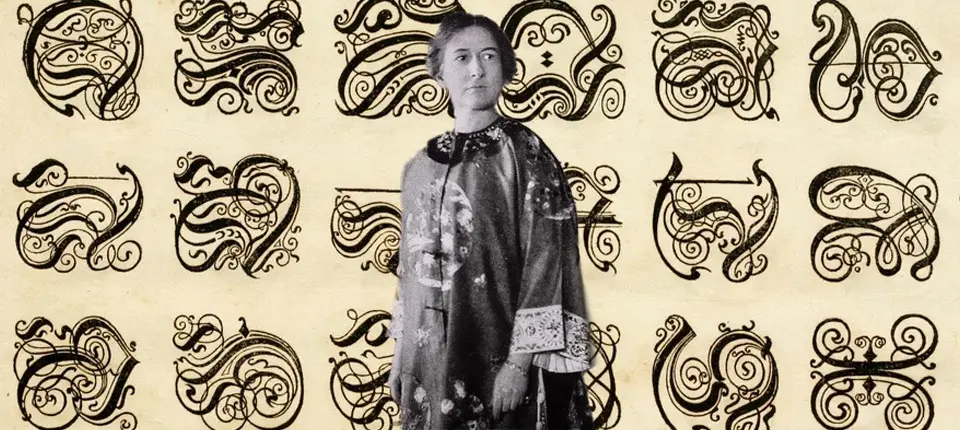
Finally, writers seeking inspiration to break through creative stagnation were offered an unusual remedy: a trip to the theater, suggesting that experiencing live performance can unblock the literary mind. Historical reclamation continued with a glowing tribute to Grazia Deledda, the Sardinian Nobel Prize-winning author whom critics argue we should all be reading today. Closing out the week’s cultural reflections, poet and scholar Elizabeth Alexander meditated on the unexpected vitality of middle age, describing it as the perfect "second spring" to return to physical pursuits like dancing.