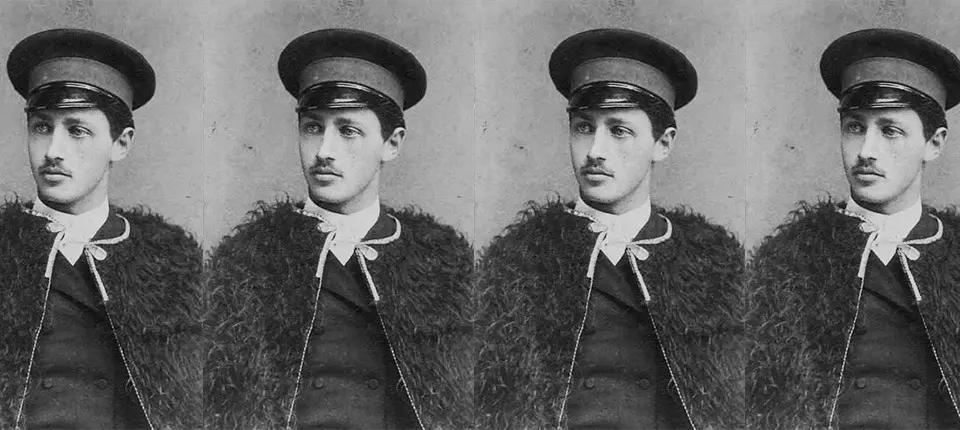
Observing the calendar, the literary community marks the birth anniversary of Russian writer Ivan Bunin, born in 1870, whose masterful prose continues to influence generations of storytellers. Building on this rich heritage, contemporary literary platforms have captured a vast array of essays, interviews, and cultural critiques that examine the mechanics of craft, the burdens of history, and the power of narrative.
The Writer’s Soul and the Challenges of Modern Craft
At the forefront of contemporary literary conversations is the undeniable shadow of artificial intelligence. In a cultural climate increasingly driven by automated tools, essayists and critics have turned their attention to what makes human storytelling irreplaceable. Recent commentary highlights a prevailing sentiment among authors: while algorithms can mimic structures and patterns, the fundamental human soul embedded within a writer’s work remains entirely unreplicable.
This examination of authenticity extends far beyond technology into the physical and psychological realities of the writing life. Novelist Barbara Kingsolver recently shared her unconventional physical routine, explaining why she prefers to write standing up, a testament to the physical demands and kinetic energy required to build compelling narratives. Meanwhile, in a candid discussion on craft, Adam Wilson reflected on the boundaries of imagination and concept versus plot, noting firmly that certain subjects—such as writing about a fan of the New York Yankees—simply do not align with his creative vision.
Other authors explore the deeply personal catalysts behind their work. In a conversation with Jane Ciabattari, Lydia Millet discussed the intricate process of crafting a double novel centered on grief and loss. Kristen Millares Young reflected on the transformative, often conflicting demands of motherhood and marriage in her quest to find personal sovereignty. For Nafissa Thompson-Spires, a bizarre and terrifying life event—surviving a lightning strike—forced a profound reconsideration of her personal identity and the ways her characters navigate the world. Similarly, academic and creative writers have found solace in research and prose, using the structured demands of writing to navigate and process terrible personal losses.
Historical Legacies and Political Realities
History and its ongoing echoes form a substantial pillar of this week’s literary reflections. Scholars and biographers continue to unearth the hidden dynamics of legendary literary figures. Robin Morgan’s profound influence on preserving and shaping Sylvia Plath’s enduring legacy has come under renewed focus, alongside a broader critical examination of the relentless cycles of life and death that pulse through Plath’s poetry and prose.
Biographical examinations also illuminate the rich interpersonal networks that sustained mid-century intellectuals. Essays detailing the decades-long, intellectually rigorous friendship between political theorist Hannah Arendt and writer Mary McCarthy offer a window into how deep intellectual companionship can weather political storms and personal disagreements. In a similar vein of historical rediscovery, Mabel Capability Taylor has revisited Ettie Stettheimer’s century-old novel Love Days, offering modern readers a fresh perspective on the intellectual output of a remarkable New York family.
Beyond the academy and the drawing room, writers are confronting the harsh realities of modern geopolitics and conflict. The devastating impact of war on culture is acutely visible in Ukraine, where author Oleksandr Mykhed has written movingly about the destruction of libraries, personal collections, and national literature by Russian bombs. This cultural devastation runs parallel to political analyses examining the fragility of democratic institutions. Scholars have drawn unsettling parallels between historical crises—such as Adolf Hitler’s 1933 electoral victory—and contemporary political trajectories, including the ongoing anxieties surrounding global far-right movements and the complex political convulsions unfolding in Brazil.
Closer to home, domestic political machinery faces sharp critique. Essayists have dissected the systemic apparatus of American immigration enforcement, framing the machinery of deportations as a continuous, quiet war waged against undocumented individuals. Environmental discourse has similarly emphasized endurance, with Bill McKibben reminding readers that climate activism and the defense of democracy are not swift victories, but a long, slow, and necessary struggle for the earth.
Diverse Voices and Artistic Innovation
The literary landscape continues to expand its boundaries through explorations of identity, language, and genre. Debates surrounding the shifting terminology of Latinx identity capture a community in the process of self-definition, while discussions on trans poetics investigate the inherent limitations and ultimate failures of language when trying to articulate profound transitions of the self.
Indigenous storytelling traditions also claim a vital space in the contemporary dialogue. Anishinaabe poets navigating a publishing world traditionally dominated by Western fiction formats have shared insights on bridging cultural storytelling across genres. Concurrently, poetic voices continue to challenge traditional boundaries, exemplified by Patricia Lockwood’s striking and unusual poem, "Sensual Songs for Eight-Year-Olds," which highlights the playful yet incisive capabilities of modern verse.
The week’s discussions extend deeply into the physical circulation of books and the unsung heroes of the literary world. Tributes to archival and frontline labor include accounts of how dedicated army librarians brought the solace and joy of reading to soldiers on the front lines of World War II. International publishing milestones were also celebrated at the Frankfurt Book Fair, where the Heinrich Maria Ledig-Rowohlt Translation Prize dinner brought together translators, publishers, and authors to honor the global bridges built by translation.
As readers seek guidance on what to read next, the latest Independent Press Top 40 Bestsellers list for both fiction and nonfiction provides a roadmap to current literary favorites, complemented by five essential book reviews curated for the week. Whether revisiting Alice Elliott Dark’s reflective afterword to her acclaimed short story "In the Gloaming," examining the complex and often estranging dynamics between queer individuals and their families, or analyzing Deesha Philyaw’s insights on raising the stakes in fiction, the literary internet demonstrates an unyielding appetite for stories that interrogate the human condition with honesty, rigor, and grace.