As readers navigate the vast landscape of online book culture, literary journalism, and archival deep-dives, historical anniversaries serve as a vital anchor. They remind us of the transatlantic connections, cultural shifts, and individual journeys that defined literature centuries ago. Today’s daily briefing captures that exact intersection of past and present, honoring a remarkable historical figure whose life and work left an indelible mark on the literary world, while celebrating the ongoing dialogue that animates the internet’s reading community today.
Remembering Jessie Catherine Couvreur
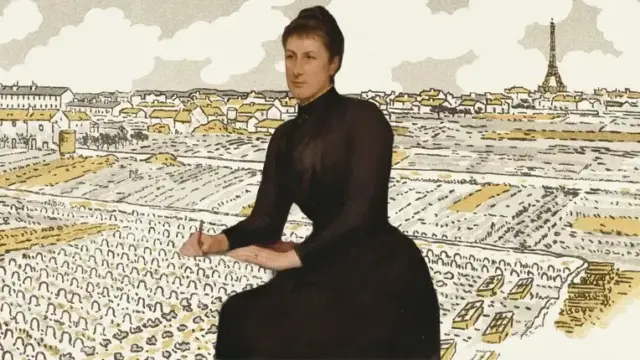
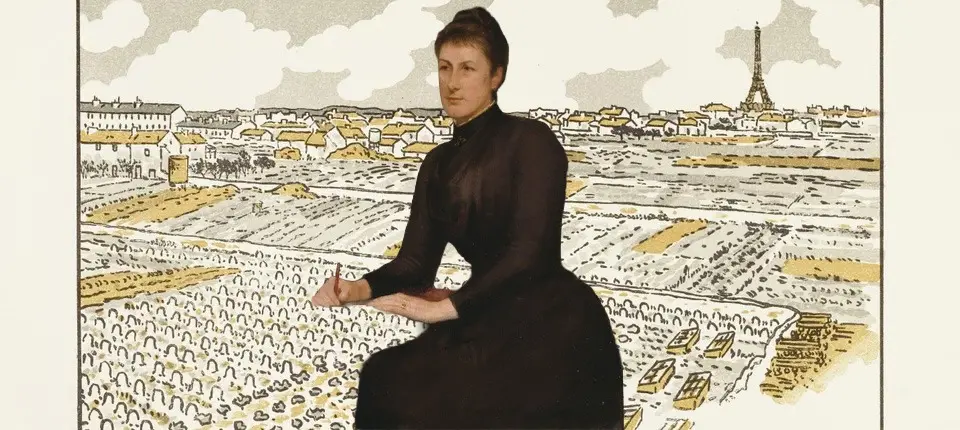
Today in literary history, we mark the anniversary of the death of Jessie Catherine Couvreur, who passed away in 1897. Couvreur, a notable figure of her time, lived a life deeply intertwined with international literature, journalism, and cultural exchange. Born in England and raised largely in Australia before eventually making her life in Europe, her literary footprint crossed vast geographical and cultural divides, capturing the imaginations of Victorian readers and offering complex portrayals of colonial life.
Couvreur is best remembered by her pen name, Tasma, under which she published several acclaimed novels and short stories that explored the intricate social dynamics, landscapes, and moral quandaries of late nineteenth-century Australia. Her transition from a well-traveled colonial resident to a prominent literary figure in London and Brussels highlights the interconnected nature of the global literary market during the Victorian era. Through works such as Uncle Piper of Piper’s Hill, she gained critical recognition for her sharp observations of human nature and her vivid depictions of the Australian bush, a setting that fascinated European readers eager to understand distant territories of the British Empire.
Beyond her fiction, Couvreur worked as a journalist and translator, bridging European and Anglo-Australian cultures with her multilingual abilities and deep engagement with contemporary political and social issues. Her passing in 1897 marked the conclusion of a dynamic career that challenged conventional boundaries for women writers of her generation. Today, as scholars and enthusiasts continue to reexamine the contributions of nineteenth-century women writers, Couvreur’s legacy remains an important point of study for those interested in the evolution of colonial literature and the transnational networks of Victorian authors.
As the literary internet continues to reflect on the anniversaries, texts, and discussions that shape our understanding of books past and present, figures like Jessie Catherine Couvreur remind us of the enduring power of storytelling to transcend borders and eras. Stay tuned to our daily updates for more explorations into the best of the literary web, where history, criticism, and contemporary reading culture intersect every single day.