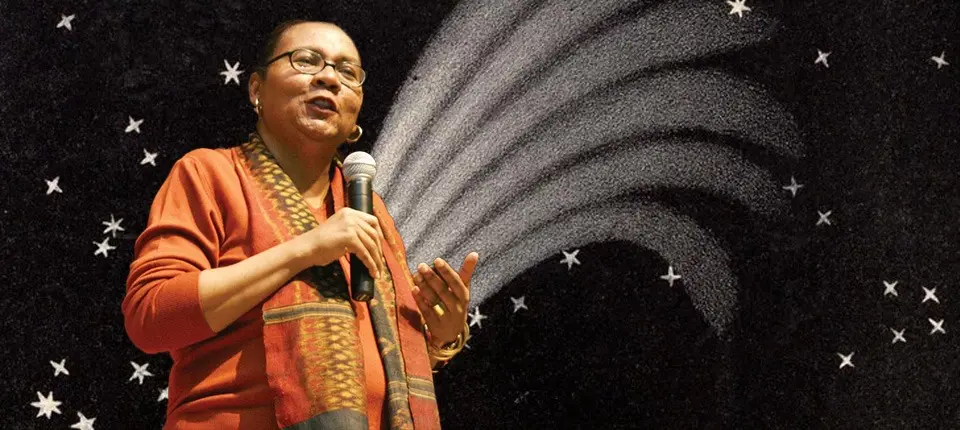
Today marks a profoundly significant anniversary in the history of American letters, critical theory, and intersectional feminism. On this day in 1952, bell hooks—the influential author, cultural critic, feminist theorist, and poet whose groundbreaking work transformed how we understand the intersections of race, gender, class, and capitalism—was born.
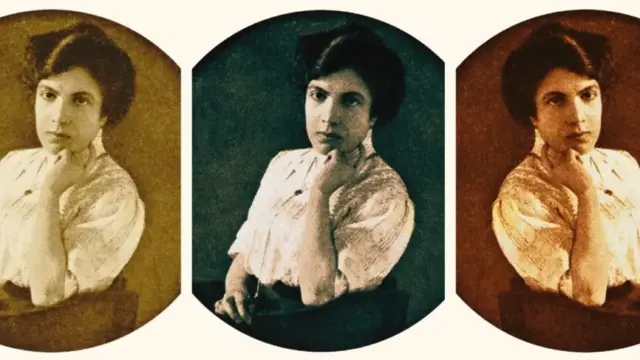
The legacy of bell hooks, who chose to lowercase her pseudonym to shift the focus from her individual identity to the substance of her body of work, continues to resonate deeply across modern literary and cultural landscapes. Born Gloria Jean Watkins in Hopkinsville, Kentucky, she grew up in a segregated, working-class environment that deeply informed her acute observations regarding power dynamics, marginalization, and the human condition. Her pen name was adopted in honor of her maternal great-grandmother, Bell Blair Hooks, a woman known for her sharp and independent tongue. This lineage of outspoken, resilient Black women became the cornerstone of hooks’ intellectual framework.
Throughout her prolific career spanning decades, hooks published over thirty books, ranging from seminal works of cultural criticism and feminist theory to children’s books, poetry, and memoirs. Her first major book, Ain’t I a Woman?: Black Women and Feminism, published in 1981, challenged the prevailing white-centric feminist movement of the era and forced a national reckoning regarding the compounded oppressions faced by Black women. The text remains a foundational text in women’s and gender studies departments worldwide, continually analyzed and embraced by new generations of readers discovering the literary internet and academic digital spaces alike.
Beyond her academic and theoretical contributions, hooks wrote extensively on the transformative power of love, community, and pedagogy. Books such as All About Love: New Visions and Teaching to Transgress: Education as the Practice of Freedom offered readers practical and philosophical roadmaps for building a more compassionate and equitable society. In her essays and public appearances, she consistently advocated for reading and writing as radical acts of liberation. She argued that critical thinking is essential for dismantling oppressive systems and that literature provides a crucial mirror and window into diverse human experiences.
As we reflect on her birth in 1952, the literary internet continues to honor her memory through digital essays, archival recordings, reading groups, and vibrant social media discussions that analyze her enduring impact. Writers and critics frequently return to her concepts of "imperialist white supremacist capitalist patriarchy"—a phrase she coined and deployed to describe the interlocking systems of domination that shape modern society—to make sense of contemporary political and cultural shifts. Her insistence that theory should be accessible, practical, and useful in everyday life has inspired a generation of digital essayists and cultural commentators who strive to bridge the gap between high academia and public discourse.
In addition to celebrating this monumental literary birthday, today’s roundup of the literary internet features an array of compelling articles, newly released essays, and critical reviews spanning various digital publications. Readers can explore deep dives into upcoming fall book releases, interviews with contemporary novelists navigating the complexities of modern storytelling, and thought-provoking critiques on the state of contemporary publishing.
As the digital landscape evolves, platforms like Lit Hub remain committed to highlighting the diverse voices and vital conversations that keep literature vibrant and relevant. Whether you are revisiting bell hooks’ foundational texts to find solace and clarity in challenging times or discovering new voices shaping the future of letters, the literary internet offers an inexhaustible space for intellectual exploration and community building. Stay tuned as we continue to track the best essays, interviews, and literary news from across the web, honoring the past while engaging with the dynamic stories of today.