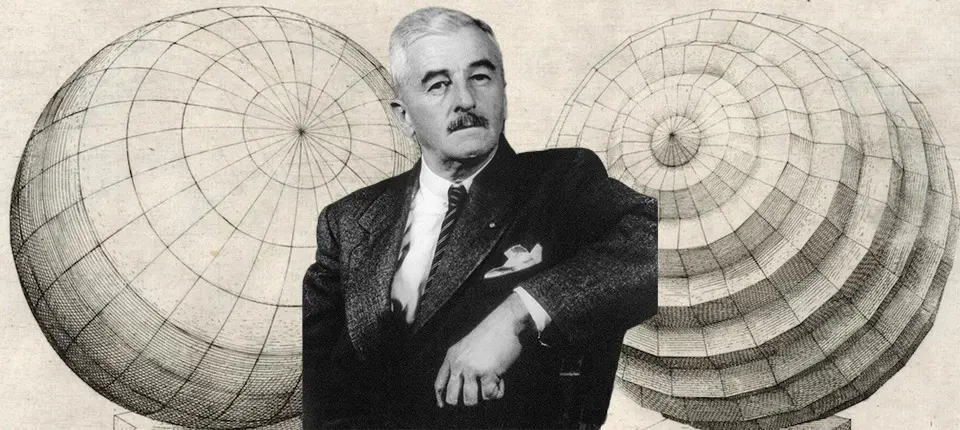
Today marks a monumental anniversary in the annals of world literature. On this day in 1950, the Swedish Academy announced that the Nobel Prize in Literature was awarded to American novelist and short story writer William Faulkner. This prestigious international recognition cemented Faulkner’s status as a towering figure in modern fiction, celebrating a career dedicated to exploring the complex textures, dark histories, and deep-rooted traditions of the American South.
The announcement of the Nobel Prize for the year 1950 brought international acclaim to a writer who spent much of his career crafting intricate, challenging narratives set in the fictional Yoknapatawpha County, Mississippi. Faulkner, known for groundbreaking novels such as The Sound and the Fury, As I Lay Dying, Light in August, and Absalom, Absalom!, transformed regional American experiences into universal explorations of human endurance, guilt, pride, and tragedy. His dense prose style, characterized by sweeping syntax, multiple shifting perspectives, and deep chronological leaps, fundamentally altered the trajectory of modernist literature.
Receiving the Nobel Prize introduced Faulkner to a new era of global prominence, altering his public life while validating decades of relentless artistic labor. Though he was initially ambivalent about public ceremonies and media attention, the accolade placed him alongside the most celebrated literary minds of the twentieth century. The honor also provided a platform for Faulkner to articulate his views on the noble duties
of the writer, famously emphasizing in subsequent addresses that the human heart in conflict with itself is the only proper subject of literature.
In the context of today’s literary internet, looking back at Faulkner’s 1950 Nobel triumph offers a valuable moment of reflection for contemporary readers and creators alike. As digital platforms continue to archive, debate, and reinterpret classic texts for modern audiences, the legacy of writers who shaped the literary canon remains a vital anchor. Platforms dedicated to daily literary commentary frequently revisit these historical touchstones to explore how past masterworks continue to influence current storytelling trends, academic discourse, and the broader cultural conversation surrounding books.
As today’s coverage unfolds across the digital sphere, enthusiasts of classic literature and modern criticism alike continue to examine the lasting impact of Faulkner’s body of work. From scholarly retrospectives to digital discussions regarding his complex legacy, the anniversary of his Nobel Prize serves as a reminder of the enduring power of profound prose. Through daily curation and ongoing cultural dialogue, the literary internet preserves these milestones, ensuring that the achievements of literary history remain vibrant and accessible to contemporary readers around the globe.