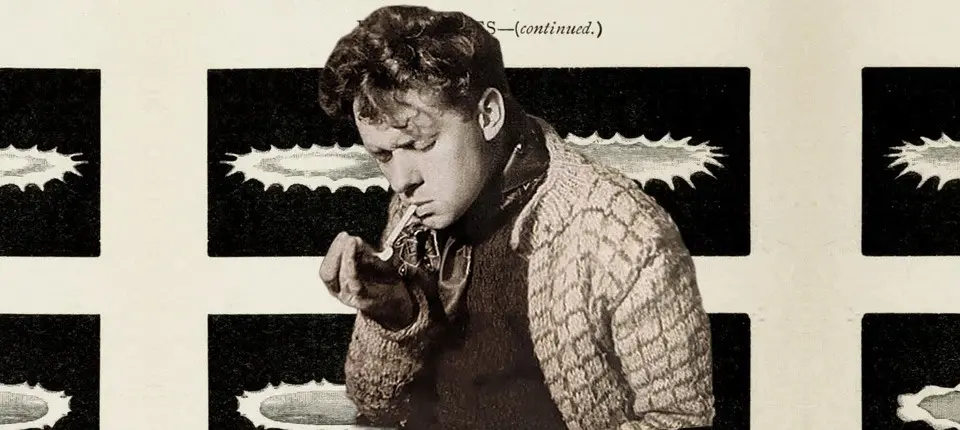
Today marks the solemn anniversary of the death of Dylan Thomas, one of the twentieth century’s most celebrated and tempestuous Welsh poets and writers, who passed away on November 9, 1953. Thomas’s enduring legacy remains a touchstone for discussions across literary blogs, archival platforms, and digital cultural journals. Known for his inimitable lyrical style, passionate public readings, and a life that became almost as legendary as his verse, Thomas continues to captivate new generations of readers through online retrospectives, rare audio recordings, and scholarly digital exhibitions.
The digital literary sphere frequently returns to the life and work of Thomas, examining how his distinct cadence and romantic, yet often haunting, imagery influenced modern poetry. Across various digital platforms today, critics and enthusiasts are sharing favorite lines from masterpieces such as "Do not go gentle into that good night" and "Fern Hill," reflecting on the profound emotional resonance of his work. These online discussions often highlight the duality of Thomas’s career—his immense technical brilliance paired with the tumultuous personal struggles that ultimately cut his life short at the age of thirty-nine during a fateful tour in New York City.
Beyond the immediate historical remembrance of Dylan Thomas, today’s literary internet is buzzing with the usual rich tapestry of essays, interviews, and reviews that define contemporary digital publishing. Writers and critics are utilizing online spaces to dissect new releases, debate the evolving definition of modern fiction, and explore the intersection of literature with contemporary social issues. Literary journals and independent digital magazines continue to serve as vital incubators for new voices, ensuring that the broader conversation surrounding books and culture remains vibrant, diverse, and accessible to a global audience.
As these online discussions unfold throughout the day, readers are encouraged to dive deeper into the digital archives, seek out lesser-known poetry, and engage with the vibrant communities that keep the written word alive in the digital age. Whether through rediscovering the soaring, musical language of Dylan Thomas or exploring the cutting-edge criticism emerging on contemporary literary sites, today offers a rich opportunity to connect with the past and present of literature.