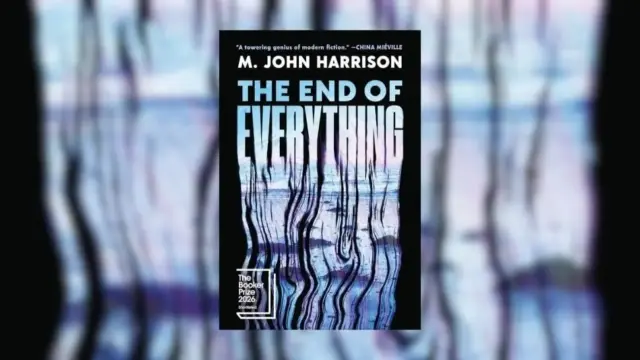

The winning novel stood out in a competitive field, having been unanimously chosen by the judging panel from a shortlist of six exceptional works that was initially announced back in September. As the winner of the 2026 Booker Prize, Harrison will take home the traditional £50,000 prize. Meanwhile, each of the other authors who made the competitive shortlist will also receive £2,500 in recognition of their literary achievements this year.
Mary Beard, the esteemed classicist and historian who served as the chair of this year’s judging panel, captured the enigmatic and transformative nature of the winning book during her announcement remarks in London. "It’s a book that turns you upside down, raises a wry smile—and surprisingly, given the subject matter, leaves you with a twinge of optimism," Beard said, praising the singular literary voice that Harrison has maintained and refined over decades of writing.
Set a few decades into the future along the rugged and windswept south coast of England, The End of Everything places its narrative focus primarily on Phillip Tennent and his elderly aunt, Marnie. Their lives unfold in a world that has been irrevocably altered some years prior by a mysterious and devastating catastrophe. This cataclysmic event took the form of an invasion by entities known simply as "iGhetti"—a haunting term featuring an "i" that subtly hints at something digital or technological in origin, though the exact nature and origin of the threat remain deliberately elusive and uncertain to both the characters and the reader.
In this chillingly plausible future, the foundational structures of modern civilization have fractured. Social norms have eroded away, leaving behind a fragmented society where traditional law and order have collapsed and fallen directly into the hands of vigilantism. Daily existence carries a bizarre, surreal quality where the extraordinary rubs shoulders with the mundane; residents might look out and find a crashed airplane ominously lodged in their private garden, yet people still attempt to muddle through their routines nonetheless. Citizens valiantly make a show of business as usual, organizing children’s birthday parties and gathering for a quiet morning coffee at the local seaside café, desperately trying to maintain a facade of normalcy against a backdrop of societal decay.
Throughout the narrative, various characters attempt in vain to make absolute sense of the incomprehensible tragedy that has befallen their world. However, one of the central philosophical points underscoring Harrison’s novel is the sobering realization that if, or when, such a profound apocalypse arrives, it will fundamentally defy human comprehension. When the end comes, the old rules, traditional frameworks, and comforting certainties simply will not matter anymore.
This thematic exploration of existential displacement is vividly embodied when Phillip is unexpectedly landed with an unusual "item" that he discovers washed up on the local beach. The object begins as a simple, ambiguous blob of jelly, but it quickly grows in size, develops the capacity for speech, and brazenly starts dictating instructions to its human minders. Through this strange and unsettling relationship, Harrison weaves a sharp critique and exploration of the politics of our current era, refracting contemporary anxieties through a deeply imaginative and speculative lens of the future.
The unanimous decision by the judging panel highlights the profound impact that The End of Everything has made on contemporary literature, cementing its status as a defining work of our time. For readers eager to dive into the award-winning prose firsthand, an excerpt from the novel has been made publicly available online, offering a glimpse into the haunting, strange, and darkly humorous world that captured the hearts and minds of the 2026 Booker Prize judges.