Welcome to another edition of the best of the literary internet, where we take a daily look back at the moments, milestones, and masterworks that have shaped the global literary landscape. As readers and writers navigate the ever-expanding digital space of contemporary culture, looking back at historical turning points provides essential context for how modern storytelling, publishing, and readership continue to evolve. Today’s literary retrospective brings us to a monumental anniversary that changed the course of fantasy literature forever, cementing a humble underground dwelling and its unexpected hero into the permanent lexicon of human imagination.
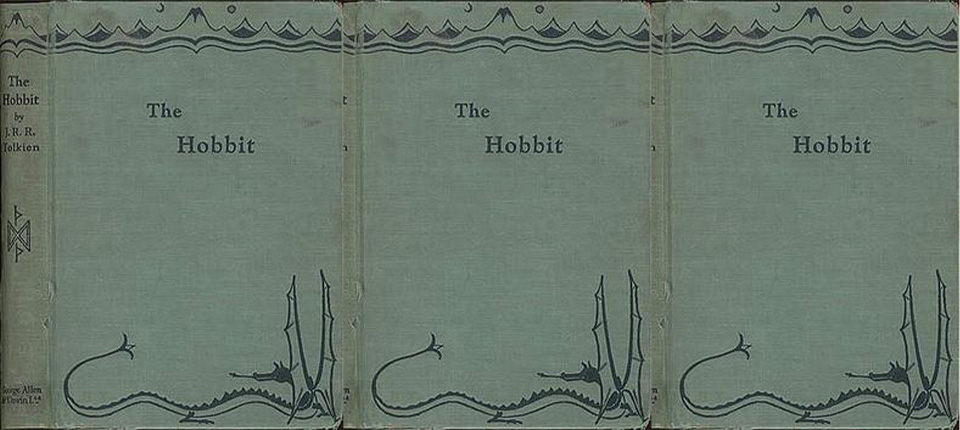
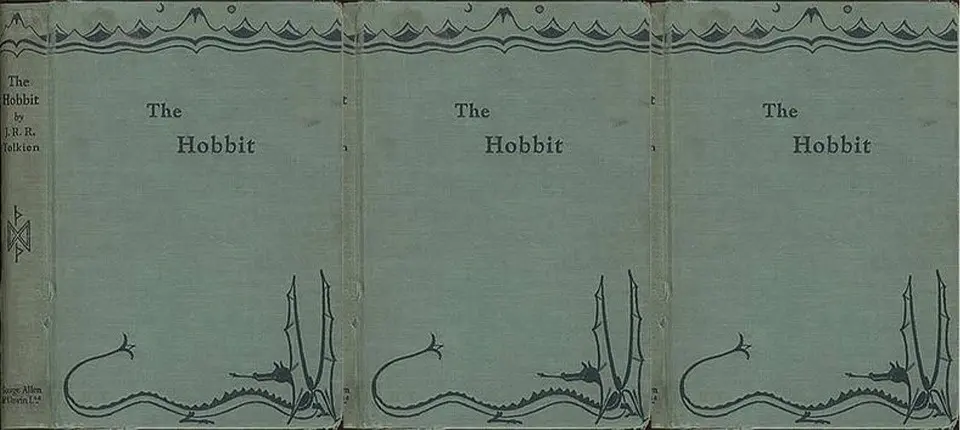
TODAY: In 1937, J.R.R. Tolkien’s The Hobbit is published.
The publication of J.R.R. Tolkien’s enduring masterpiece on September 21, 1937, marked the official introduction of Middle-earth to the reading public, a fictional universe that would go on to capture the imaginations of generations of readers across the globe. Originally written by the Oxford professor and philologist as a whimsical adventure for his own children, the manuscript eventually found its way into the hands of the London publishing house George Allen & Unwin. The subsequent release of the novel established a new standard for modern fantasy, transforming a genre that had previously relied largely on traditional folklore and fairy tales into expansive, deeply detailed secondary worlds driven by rich mythologies, invented languages, and complex internal histories.
At the center of the narrative is Bilbo Baggins, a respectable and comfort-loving hobbit who unexpectedly finds himself swept out of his cozy subterranean home at Bag End and thrust into an epic, perilous quest. Recruited by the enigmatic wizard Gandalf alongside a company of thirteen dwarves led by Thorin Oakenshield, Bilbo must journey across dangerous lands to help reclaim the Lonely Mountain and its lost treasure from the fearsome dragon Smog—or, as he is better known in the lore, Smaug. Along the way, the novel introduces readers to iconic elements of fantasy lore, including enchanted swords, ancient riddles told in the dark, and a fateful encounter with a wretched creature named Gollum and a seemingly innocent gold ring.
Article continues after advertisement
The initial reception of The Hobbit upon its autumn release in 1937 was overwhelmingly positive, praised by contemporary critics for its unique blend of mythic adventure, scholarly depth, and whimsical charm. Readers of all ages quickly embraced the tale, prompting the publisher to request a sequel from Tolkien. That request would eventually lead to the monumental undertaking of The Lord of the Rings, a work that expanded the scope of Middle-earth exponentially and helped redefine the commercial and artistic boundaries of epic fiction. Yet, despite the massive scale and shadowed stakes of its successor, The Hobbit has retained a distinct and beloved place in literary history for its brisk pacing, accessible tone, and charming exploration of an ordinary individual thrust into extraordinary circumstances.
Reflecting on the legacy of Tolkien’s work reveals the profound and lasting impact that twentieth-century speculative fiction continues to exert on contemporary storytelling, publishing trends, and digital literary communities. Across literary blogs, academic journals, and online discussion forums, the anniversary of the book’s publication serves as a yearly reminder of the enduring power of imaginative literature to unite readers across generations. As digital platforms continue to curate and celebrate the best of the literary internet, historical milestones like the debut of The Hobbit remind us of the deep roots shared by modern readers and the timeless stories that continue to inspire them every single day.