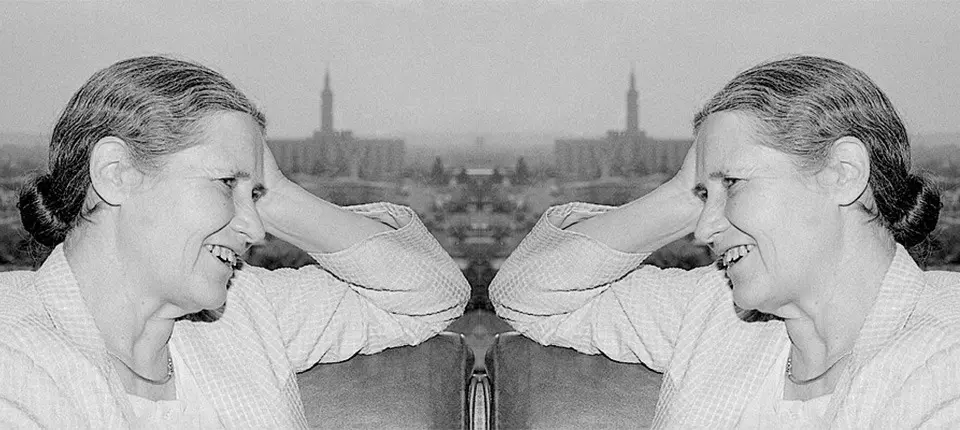
Today’s edition looks back at a monumental date in literary history: the birth of Nobel Prize-winning author Doris Lessing, who entered the world on this day in 1919. As writers, critics, and readers continue to explore the vast and challenging terrain of twentieth-century literature, Lessing’s formidable legacy remains a cornerstone of discussions across digital literary spaces.
For decades, Lessing’s work has challenged readers to confront complex social structures, psychological depths, and political upheavals. Born in Persia—now modern-day Iran—before growing up in Southern Rhodesia (now Zimbabwe), her early life in the British colonies profoundly shaped her worldview and provided the raw material for some of her most enduring fiction, including her groundbreaking debut novel, The Grass Is Singing, and her masterwork, The Golden Notebook. Her fearless examination of gender, imperialism, and human consciousness earned her international acclaim, culminating in the Nobel Prize in Literature in 2007, when the Swedish Academy praised her as an "epicist of the female experience, who with skepticism, fire and visionary power has subjected a divided civilization to scrutiny."
Across the literary internet today, essays, retrospectives, and archival photographs are circulating to honor the enduring impact of her bibliography. From academic deep-dives into her science fiction, such as the Canopus in Argos series, to personal essays by contemporary novelists influenced by her uncompromising narrative style, the digital literary community continues to find fresh relevance in her body of work.
As we reflect on the milestones that shaped our literary landscape, the celebration of Doris Lessing’s birth serves as an invitation to revisit the books that defined generations of critical thought and storytelling. Stay tuned to our daily updates for more insights, recommended reads, and highlights from the broader literary world.