
Sustainable Beauty and Hygiene Routine Standards
Transitioning a personal care routine toward sustainability requires a fundamental shift in how consumers view household purchases. Rather than diving headfirst into a complete bathroom clear-out, experts recommend establishing core guiding principles that streamline consumption and minimize environmental impact over the long term.
A primary tenet of this approach is the philosophy that less is more. Embracing a simpler routine with fewer products naturally saves money, reduces environmental waste, and frequently benefits personal health. Dermatological observations often highlight that attempting to excessively treat or alter skin with a multitude of chemical agents can yield counterproductive results, proving that simpler regimens are often the most effective.
Another critical consideration involves avoiding the hidden costs associated with water dilution. Many conventional personal care items are composed of roughly 80 percent water. Consumers are essentially paying a premium for a diluted product, along with inflated packaging and shipping costs, all while necessitating single-use plastic containers to house the liquid. Shifting toward undiluted alternatives, such as traditional bar soaps, significantly reduces financial expenditure and packaging waste.
Furthermore, consumer advocates emphasize the importance of utilizing existing inventory before making any changes. Discarding perfectly functional products solely to acquire sustainable alternatives contradicts the very ethos of environmental stewardship. The most ethical, sustainable, and affordable option is always to use up what is already on hand, preparing to make informed, deliberate switches only when current items are fully depleted or no longer functional.
Finally, experts stress the necessity of taking a gradual approach. Attempting to overhaul an entire bathroom simultaneously often leads to burnout and abandonment of eco-friendly goals. Focusing on a single product category at a time allows individuals to evaluate what works for their unique needs before progressing further.
Razors and Shaving Cream
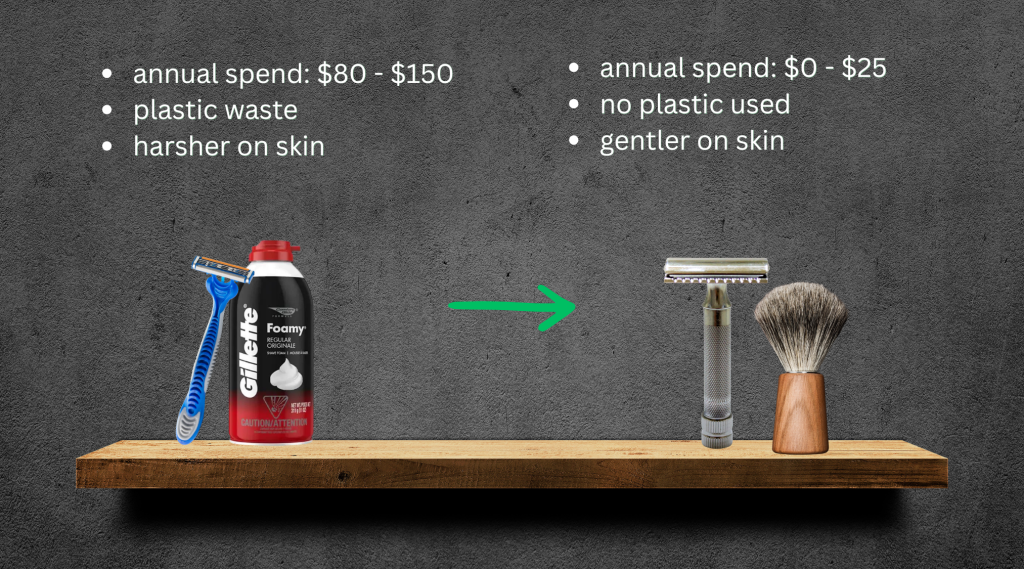
The traditional grooming routine often relies heavily on single-use plastics, from disposable plastic handles and multi-blade cartridges to bulky, pressurized cans of shaving cream that require frequent replacement. Sustainable alternatives offer a durable and cost-effective remedy. Safety razors, for instance, are designed for indefinite use and feature replacement blades that cost a fraction of their plastic counterparts. Similarly, solid shaving sticks—which are rubbed directly onto wet skin and lathered with a brush—frequently outlast conventional foams by years, significantly cutting down on packaging waste and ongoing expenses.
Shampoo and Conditioner
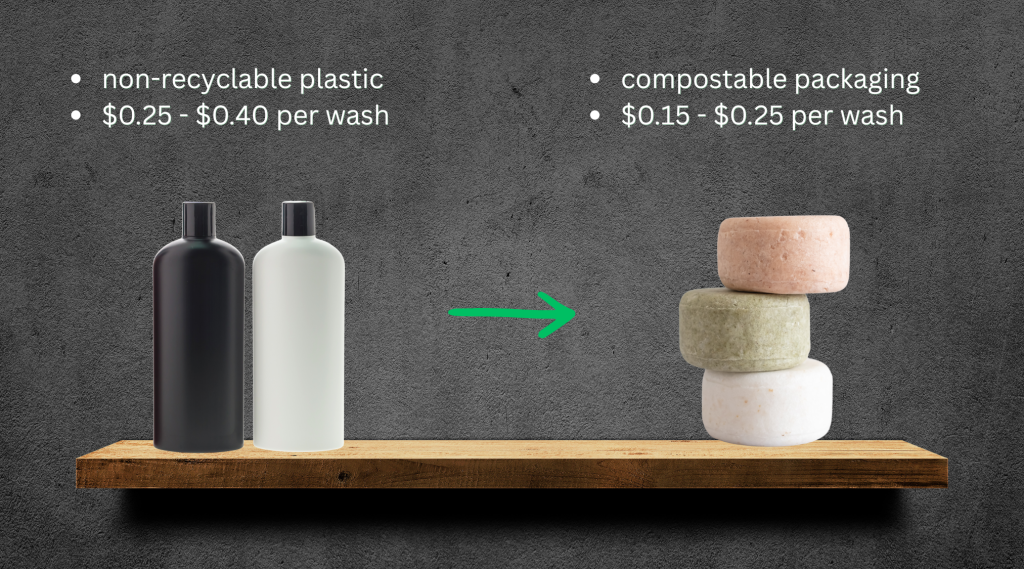
Haircare is a major contributor to bathroom plastic waste, primarily driven by the prevalence of liquid formulations packaged in single-use bottles. Shampoo bars offer a concentrated alternative that eliminates the water up-charge found in liquid products. While initial consumer hesitation often centers around the quality of the lather, advancements in natural formulations have produced solid bars that rival traditional shampoos. Although upfront costs can sometimes appear higher, the longevity of solid bars typically results in a lower cost per use, delivering both economic and environmental benefits.
Hand Soap and Body Wash
For households that prefer liquid hand soap over traditional bars, foaming hand soap tablets present a viable alternative. Users simply drop a non-toxic tablet into a reusable foaming dispenser filled with warm water, eliminating the need to repeatedly purchase single-use plastic pump bottles. For body wash, transitioning to a solid soap bar achieves similar waste-reduction goals while maximizing product lifespan.
Brushes, Loofahs, and Natural Sponges
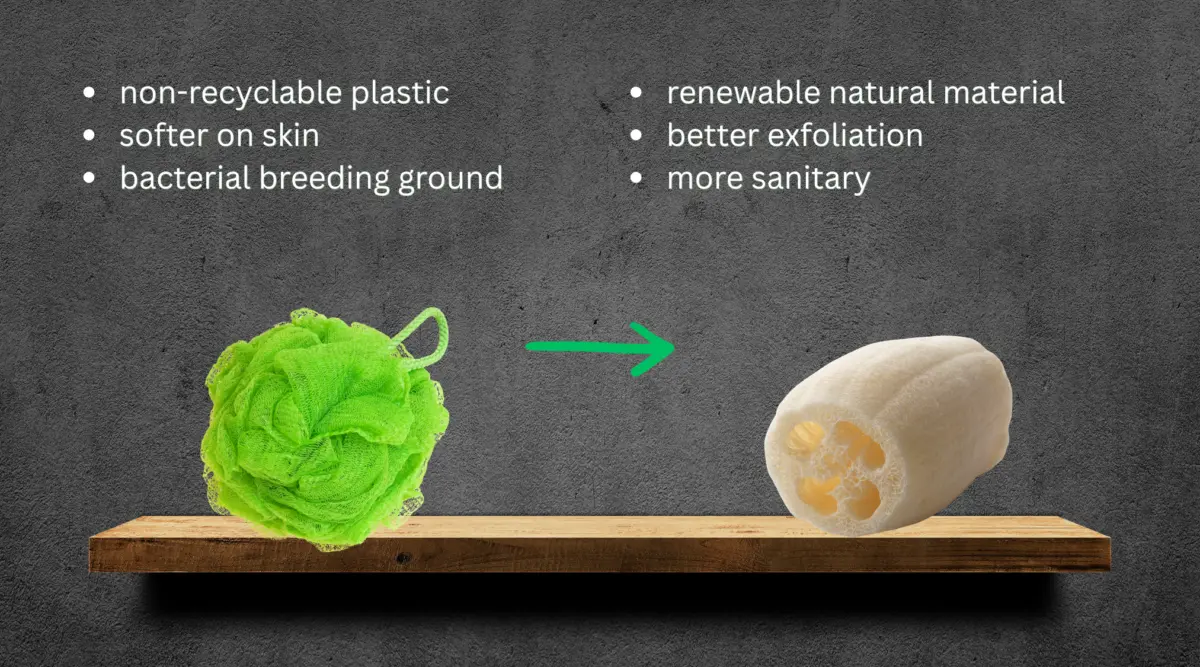
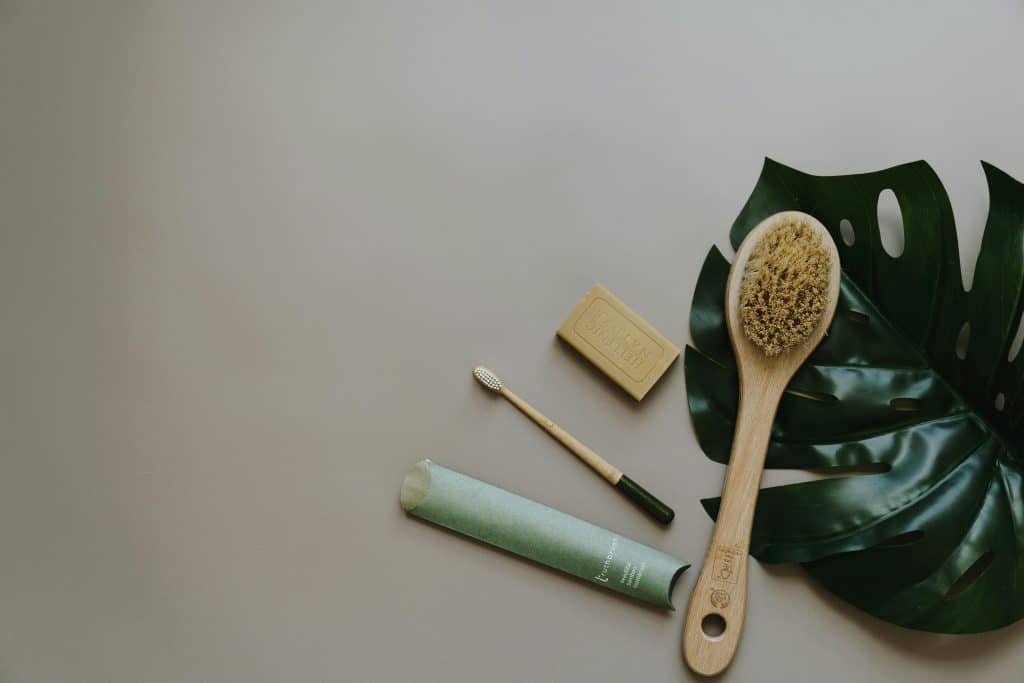
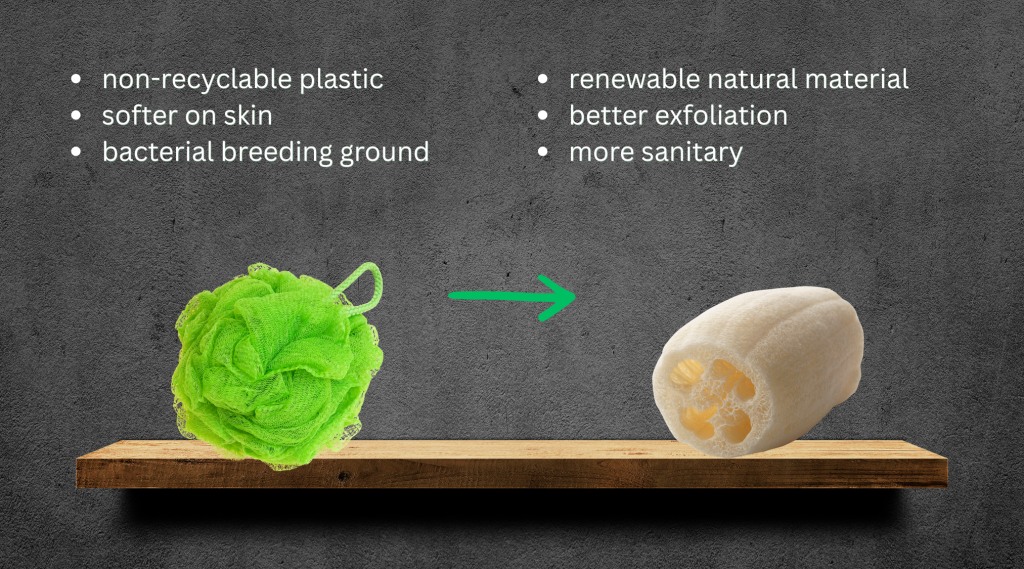
Synthetic plastic loofahs and poufs are notoriously difficult to recycle and frequently end up in landfills. Natural alternatives, such as sea sponges and plant-based loofahs, provide effective exfoliation without the environmental toll. Gardeners can even cultivate their own luffa gourds from seed, harvesting a fully compostable and sustainable tool that also makes a thoughtful gift.
Moisturizers and Skincare
When it comes to skin hydration, simplifying the routine remains the most effective strategy. Many consumers benefit from returning to raw, whole ingredients such as jojoba oil, coconut oil, shea butter, or pure aloe vera gel. These versatile products require minimal packaging, offer transparent ingredient lists, and can be tailored to individual skin sensitivities without the need for complex, heavily marketed chemical formulations.
Makeup Remover
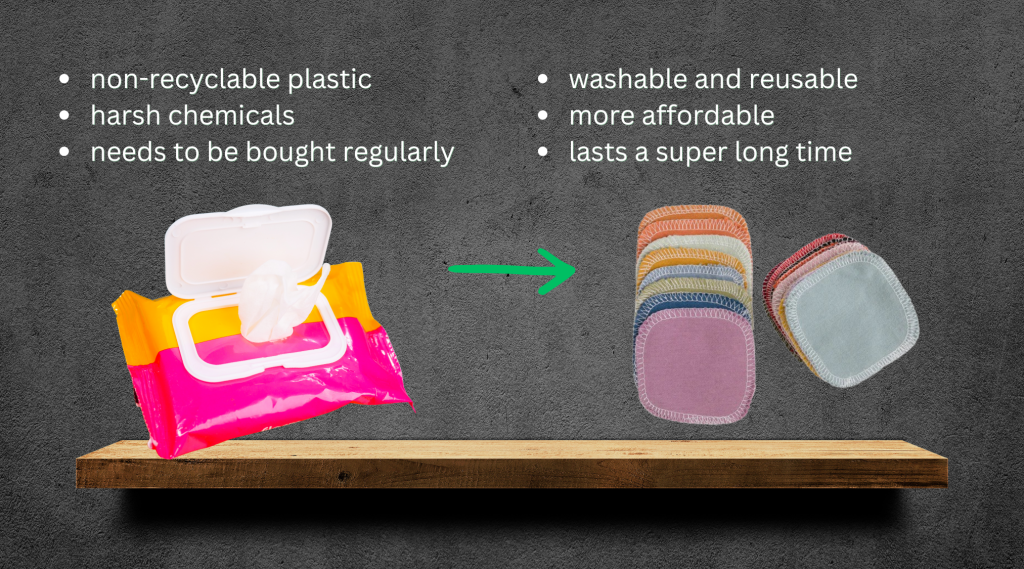
Disposable makeup remover wipes generate substantial daily waste. Reusable cotton rounds or cloths offer a washable alternative, while household textiles like old cotton t-shirts can be repurposed into soft removal pads at no additional cost. Combined with natural oils like jojoba, which dissolves makeup effectively without leaving an overly greasy residue, this swap streamlines the evening routine while eliminating single-use refuse.
Hairbrushes
Replacing a worn-out hairbrush presents an opportunity to opt for biodegradable materials such as bamboo. While thrifting a pre-owned plastic brush is an option for some, newly manufactured bamboo brushes offer a durable, plastic-free alternative that eventually breaks down at the end of its lifecycle, aligning with broader zero-waste objectives.
Dental Care
Oral hygiene routines are increasingly incorporating sustainable innovations. Bamboo toothbrushes and replacement heads for electric toothbrushes reduce plastic reliance, though dental professionals continue to distribute complimentary plastic brushes during routine cleanings. In terms of toothpaste, chewable tablets eliminate water weight and arrive in compostable or reusable containers. Similarly, bamboo dental floss packaged in refillable glass containers offers a biodegradable substitute for conventional nylon floss housed in single-use plastic dispensers.
Menstrual Products
The transition away from disposable tampons and pads has gained significant momentum through the availability of menstrual cups, discs, and modern period underwear. Although these alternatives require a higher initial financial investment, they generally pay for themselves within a few menstrual cycles, drastically reducing both household expenditure and the massive accumulation of sanitary waste in landfills.
Toilet Paper and Bidets
While eco-friendly toilet paper manufactured from bamboo is widely available, installing a bidet represents an even more impactful shift. Bidets drastically reduce toilet paper consumption, enhancing personal hygiene while lowering long-term household costs. Many bidet users find they rely on significantly less paper, with some utilizing reusable cloths or integrated dryers to complete the process.
Deodorant
The deodorant market presents a complex debate surrounding aluminum antiperspirants and natural formulations, as well as the predominance of plastic packaging. While cardboard deodorant tubes offer a zero-waste packaging solution, consumers frequently balance personal preferences regarding antiperspirant efficacy against environmental goals, leading many to explore natural sticks, DIY sprays, or minimalist hygiene approaches.
Q-Tips and Cotton Swabs
Small plastic items like conventional cotton swabs are frequent contributors to coastal and landfill pollution. Switching to bamboo-stemmed cotton swabs or investing in reusable silicone alternatives provides functional utility while removing single-use plastics from the bathroom cabinet entirely.
Bathroom Cleaners
Conventional household cleaners often come packaged in heavy plastic trigger bottles and contain harsh chemical formulations. Utilizing basic, affordable staples such as baking soda, vinegar, rubbing alcohol, and melamine sponges can effectively maintain bathroom cleanliness. For those who prefer manufactured cleaning products, concentrated cleaning tablets dropped into reusable glass spray bottles offer a low-waste, non-toxic alternative.
Ultimately, sustainability advocates emphasize that pursuing an eco-friendly lifestyle does not require perfection or immediate, sweeping changes. By maintaining awareness of household supplies as they run low and taking the time to research slightly better alternatives before making a purchase, consumers can achieve steady, lasting progress. Using up existing products before acquiring new ones remains the cornerstone of affordable, ethical living, proving that every incremental adjustment contributes meaningfully to environmental conservation.