The project originated when a friend handed over a collection of leftover black bandanas from a prior event. With a school camp party for her son coming up on the horizon, Brittni recognized an opportunity to pivot away from the harsh, stark look of standard black cotton. She envisioned a coordinated palette of natural, earthy hues that would blend seamlessly into an outdoor wilderness aesthetic. Operating under the philosophy that free materials eliminate the pressure of failure, she decided to run a test. If the process ruined the fabric, nothing was lost; if it succeeded, she would have custom-designed table linens for the children’s event. As it turned out, the experiment exceeded expectations, yielding rich, muted colors that felt sophisticated and organic.
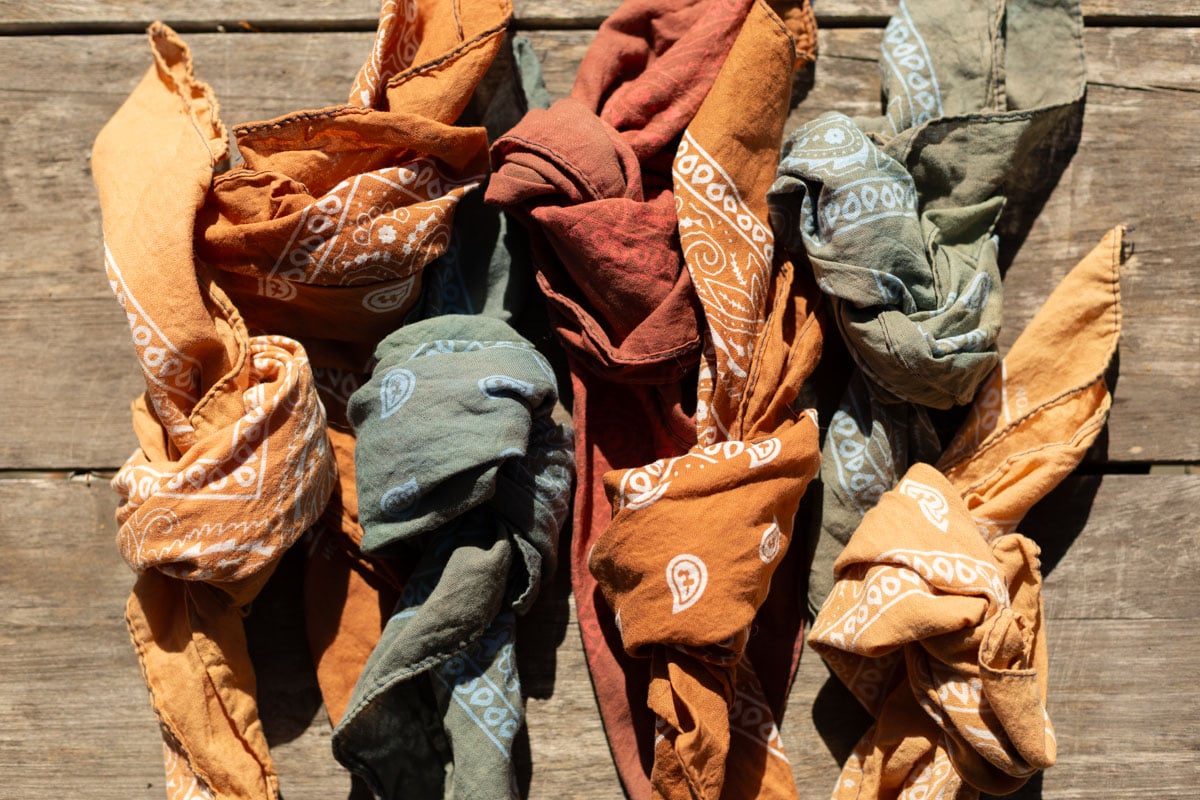
While bleach-based textile transformations are nothing new in the crafting community—having previously inspired techniques like shibori tie-dye—this particular project introduced a crucial methodological twist. Instead of relying solely on the erratic bleaching patterns of a tie-dye process to define the final aesthetic, Brittni chose to introduce a secondary dye color after the initial bleaching phase. This two-step process allowed for precise control over the base shade of the fabric before injecting the warm, dusty neutral tones that characterize the final collection.
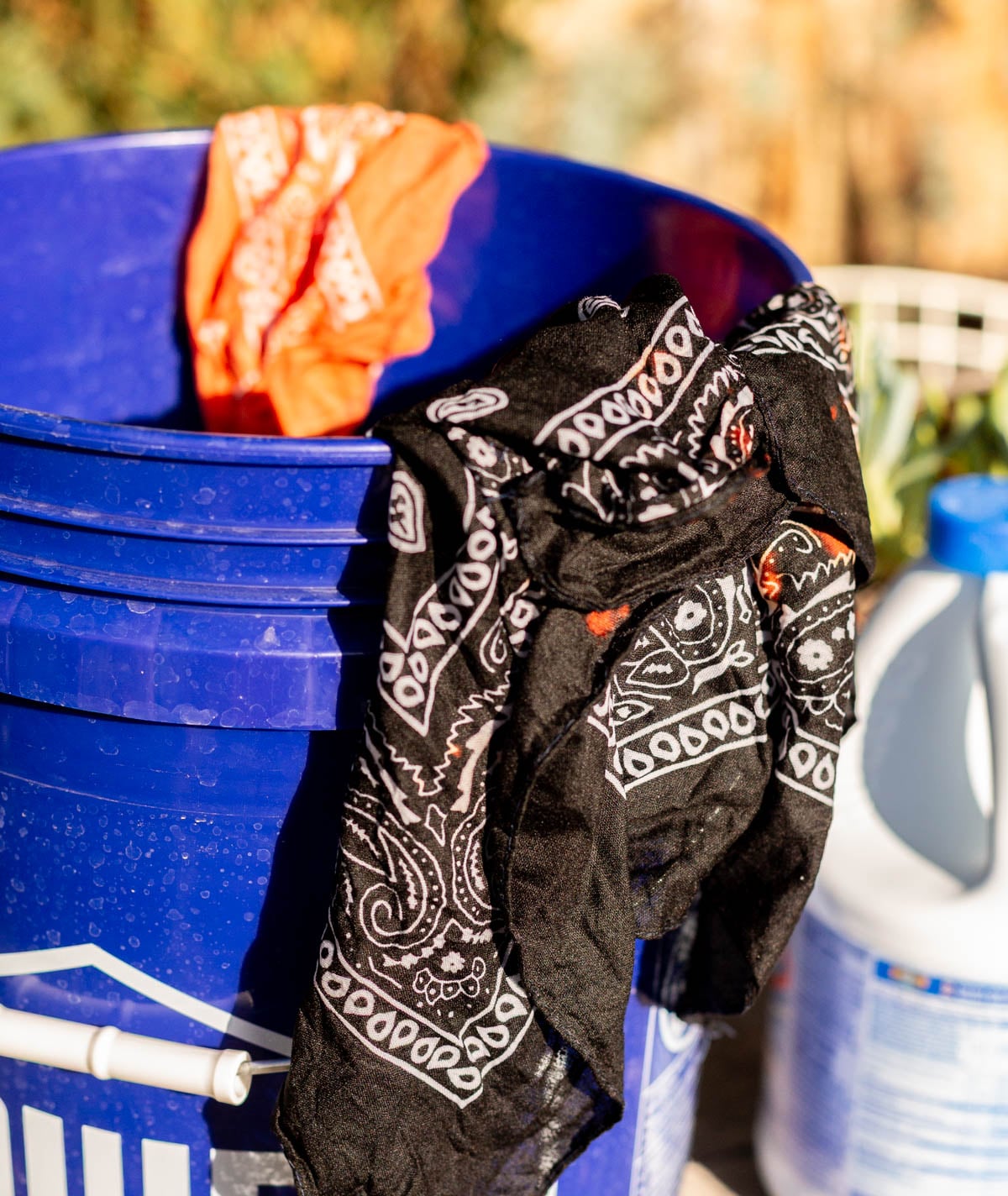
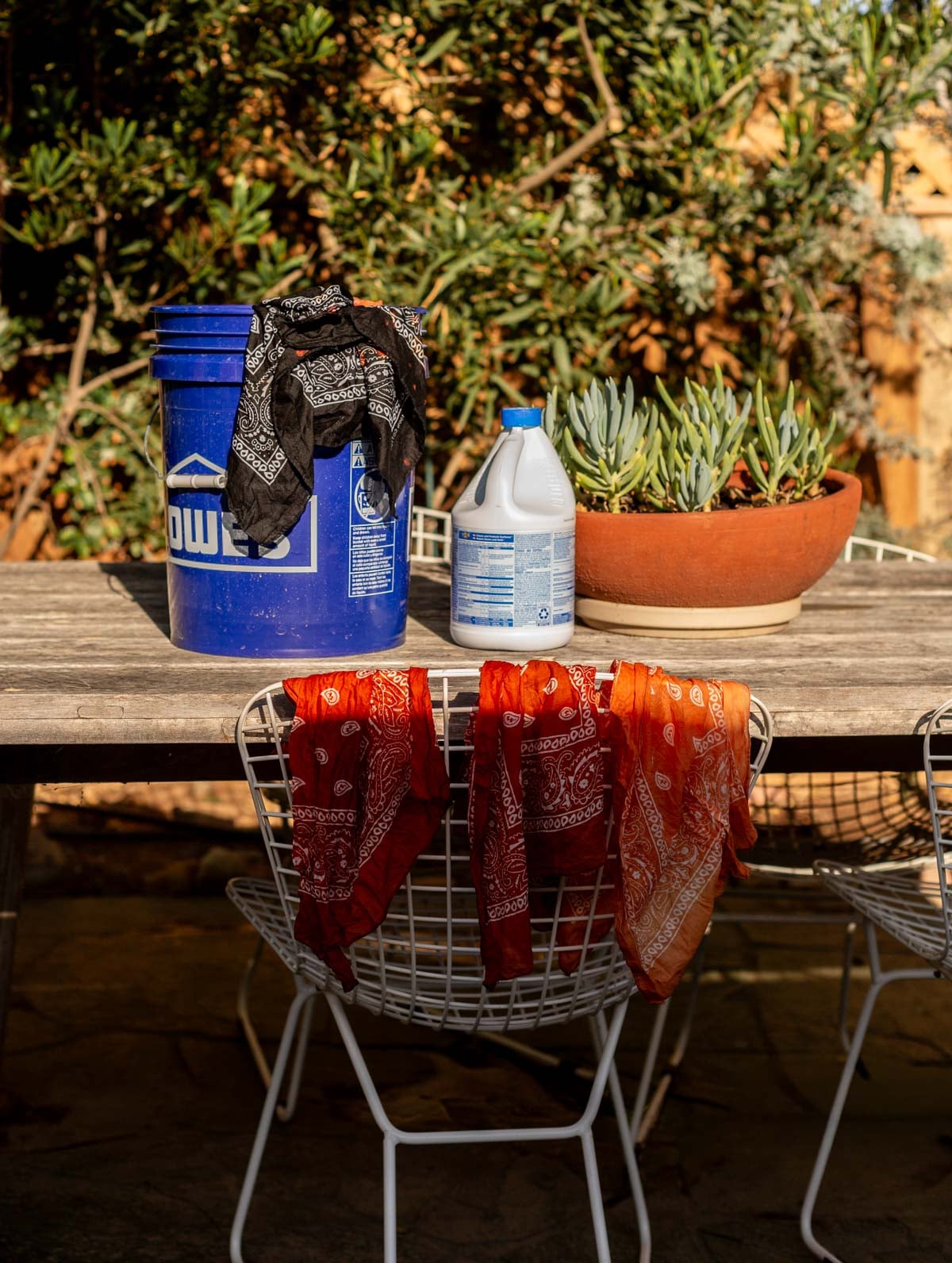
Embarking on a textile bleaching project requires careful adherence to safety protocols, particularly concerning chemical exposure and ventilation. Because standard household bleach releases potent and potentially harmful fumes, the entire chemical phase must take place outdoors or within a rigorously ventilated workspace. Furthermore, working with bleach demands protective gear, most notably durable rubber gloves to prevent skin irritation or chemical burns.
The transformation process begins by thoroughly wetting the cotton bandanas with water and wringing out the excess moisture before introducing them to the bleaching agent. Pre-wetting the fabric ensures that the liquid distributes evenly rather than instantly concentrating in dry pockets, which can lead to patchy, uncontrollable results. Once prepared, a large container or bucket is filled with just enough bleach to fully submerge the textiles.
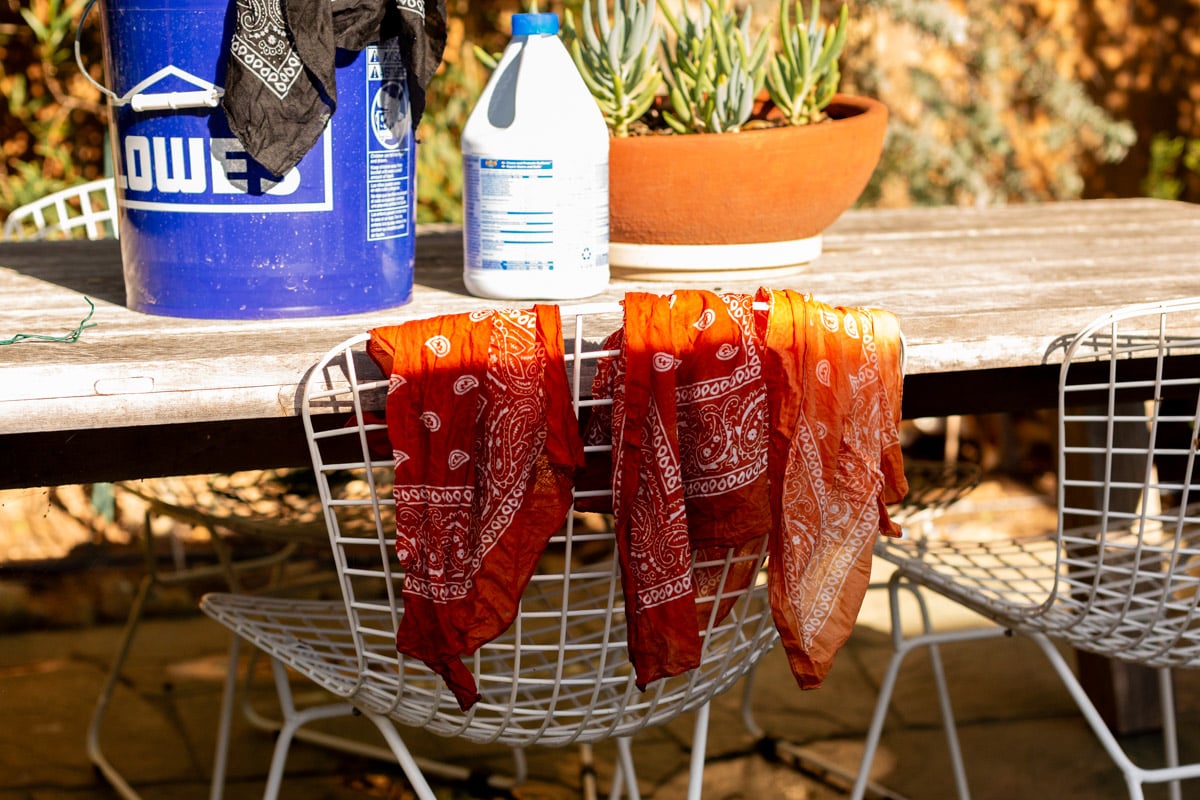
Timing is the most critical variable when altering dark fabrics with bleach. Unlike standard dyeing procedures that may require hours of simmering, the reaction on black cotton can occur with surprising swiftness, often within thirty to sixty seconds. Submerging the bandanas and monitoring them closely allows the crafter to pull them out the exact moment the dark dye begins to lift and shift into warmer, coppery, or chocolate undertones. Leaving the fabric in the solution for too long not only lightens the shade further but severely compromises the structural integrity of the cotton fibers, leading to premature breakdown and tearing.

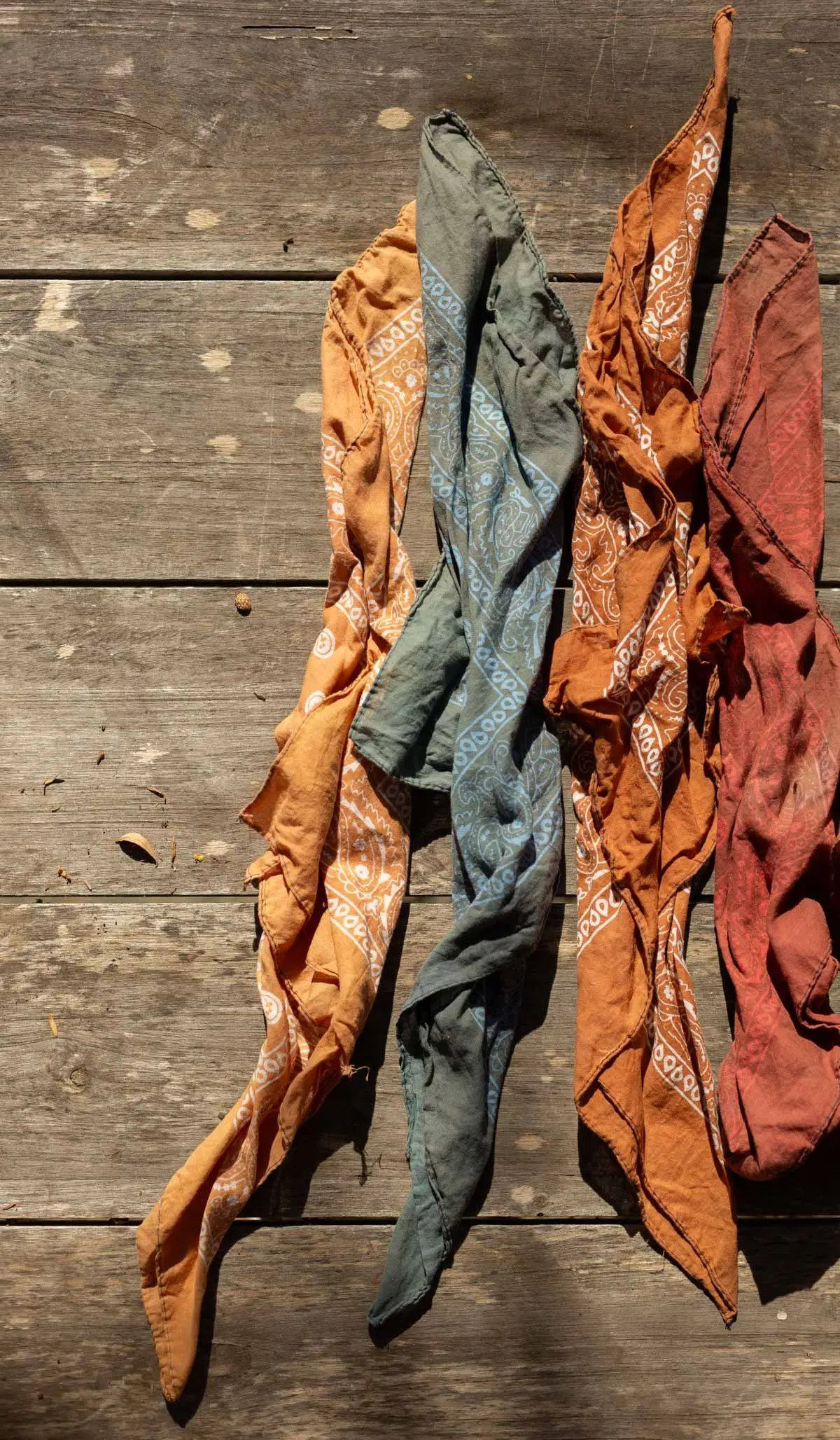
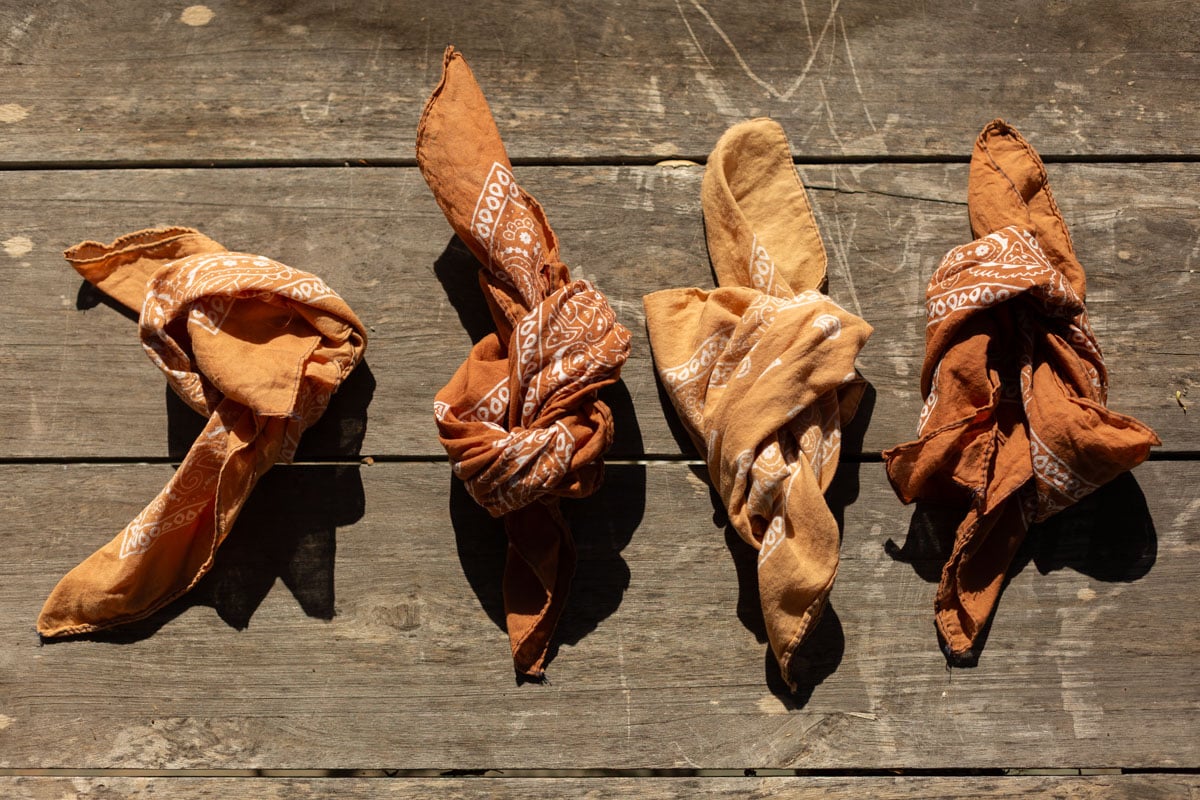
Once the desired shade is achieved, the bandanas must be immediately wrung out to halt the chemical reaction, followed by a rigorous cold-water rinse lasting one to two minutes to flush out residual bleach. To ensure all chemical residues are completely neutralized, the items are then run through a standard cycle in a washing machine and dried as normal. At this stage, the once-black cotton squares take on a uniform, weathered appearance ranging from warm rusts to muted tans, depending on the duration of the bleach bath.
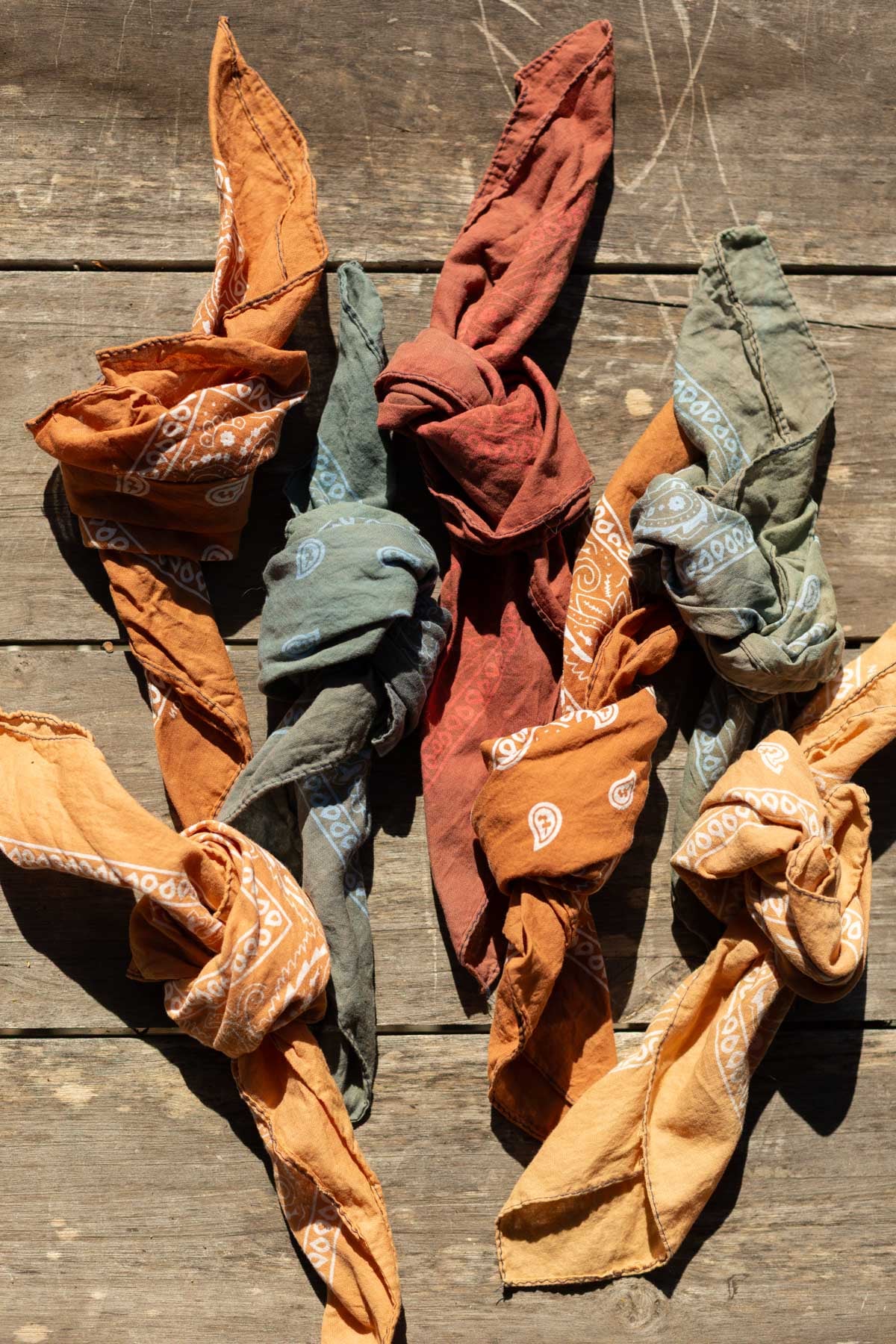
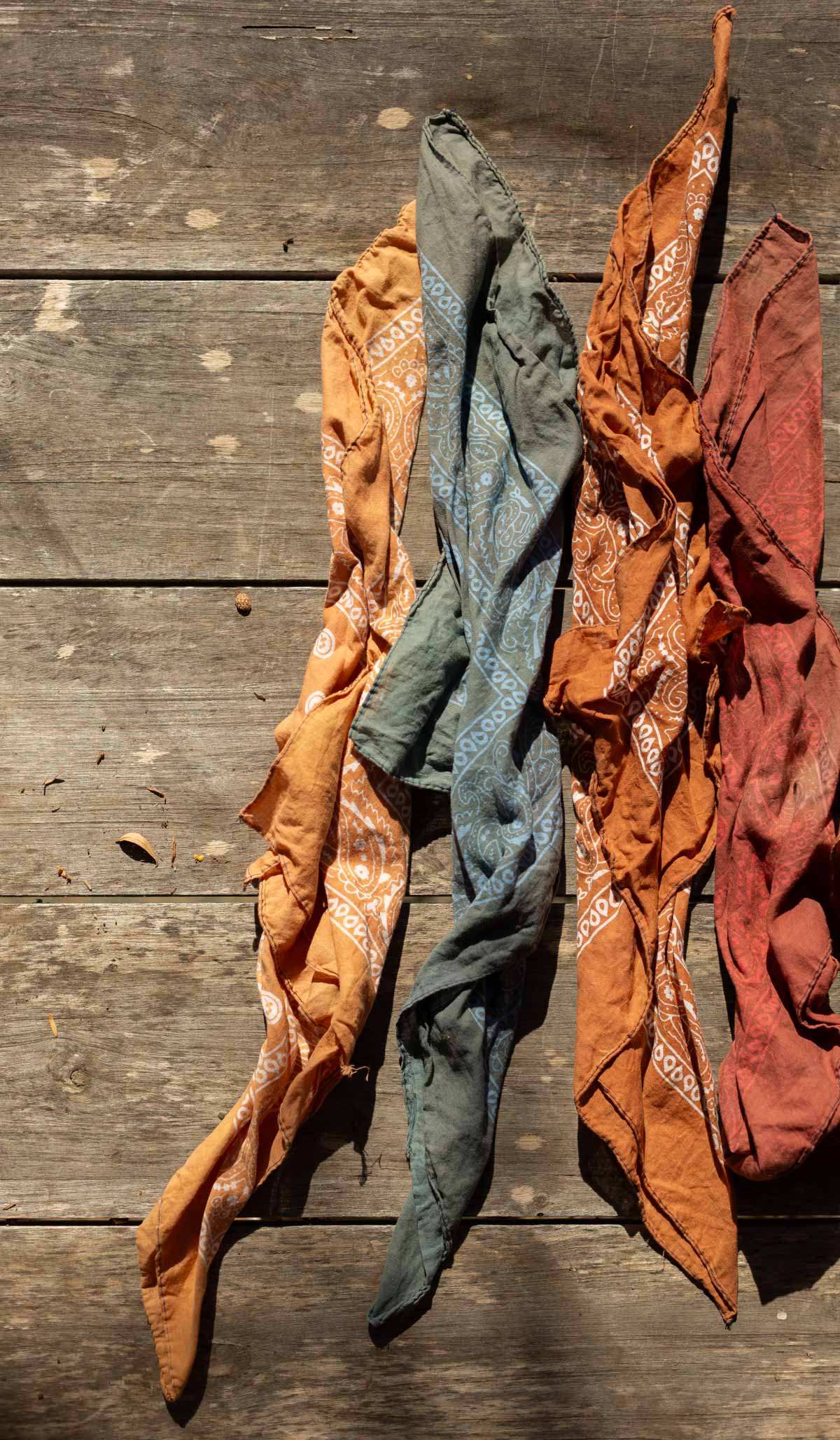
With the base color stripped and the fabric thoroughly cleaned and dried, the bandanas are ready for the second phase of the transformation: re-dyeing. By applying a new layer of dye over the bleached canvas, the resulting colors acquire a layered, sophisticated depth that cannot be replicated on untreated fabric. The muted undertones act as a sophisticated primer, yielding the dusty, organic earth tones that inspired the project in the first place.
The practical application of these newly minted textiles was put to the test at the school camp party. The bandanas were integrated directly into the event design, serving as rustic cloth napkins at each child’s place setting. Because children’s parties can quickly become messy affairs, the hosts cleverly paired the cloth bandanas with a secondary stack of disposable paper napkins. The clever arrangement encouraged the young guests to wear or display the decorative bandanas while using the paper napkins for actual cleanup, preserving the integrity of the handmade textiles throughout the event.
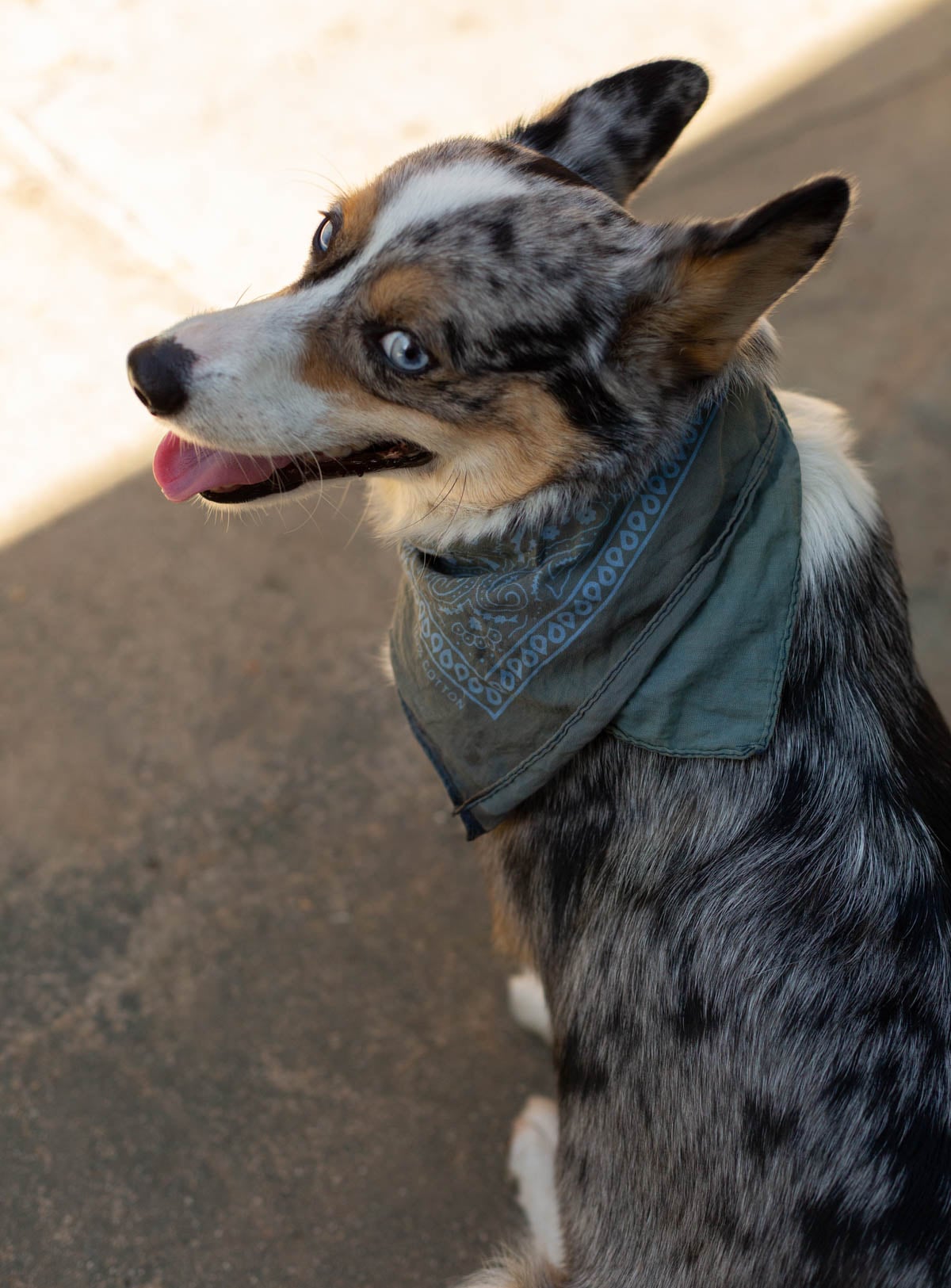
Following the conclusion of the celebration, a few surplus bandanas remained, prompting further creative experimentation. One of the leftover pieces was repurposed as a neck accessory for the family dog. While the canine model may not have shared his owner’s enthusiasm for haute couture, the resulting photographs highlighted the versatility and universal appeal of the subdued earth-tone palette. From casual pet wear to stylish event accessories and everyday garments, the project demonstrates how simple household supplies and a surplus of unwanted textiles can be thoughtfully combined to breathe new life into everyday materials.