
Now, emerging from the United Kingdom, comes another remarkable milestone in this technological evolution, specifically tailored to the field of cardiovascular diagnostics. Trained on millions of patient records and vast datasets, a pioneering new artificial intelligence tool has been meticulously designed to detect minute, highly subtle abnormalities hidden within traditional electrocardiogram readings.
The electrocardiogram, commonly known as an ECG or EKG, measures the natural electrical activity generated by the heart with every single beat. For decades, it has served as an indispensable pillar in clinical medicine, routinely utilized by physicians to diagnose heart attack risks, monitor cardiac rhythms, and identify dangerous heart arrhythmias. Despite its widespread utility and foundational status in cardiology, the conventional ECG possesses a well-documented limitation: on its own, it has traditionally been unable to reliably detect broader underlying structural heart disease.
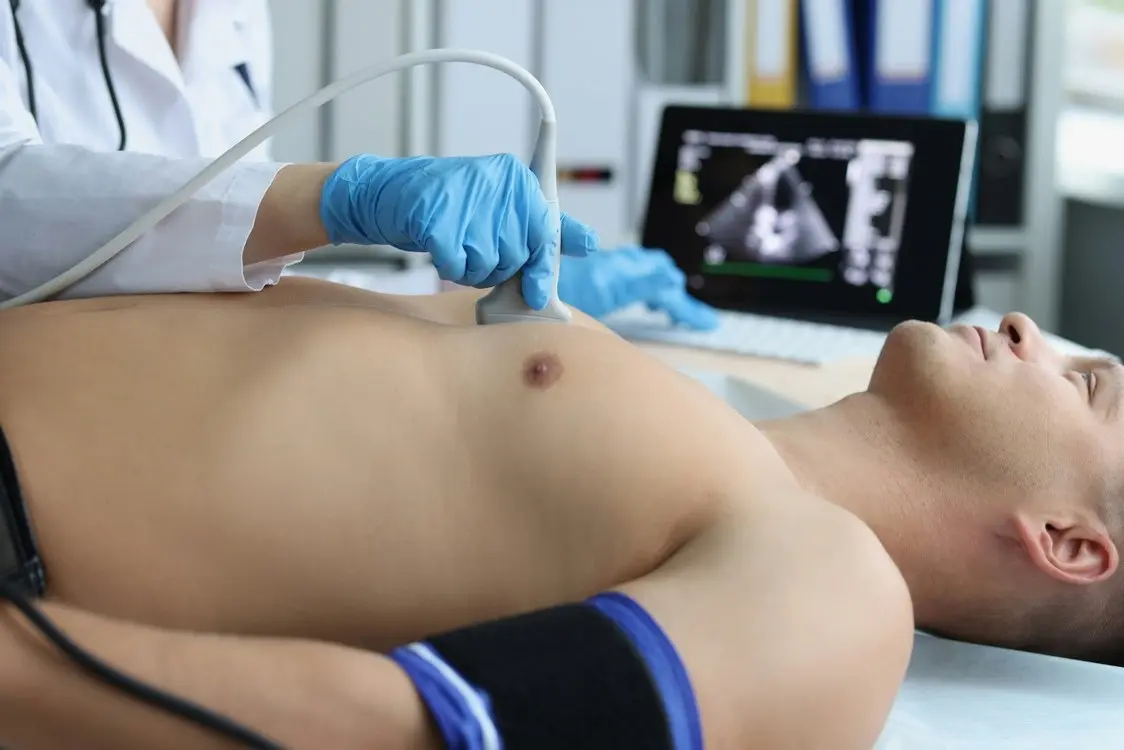
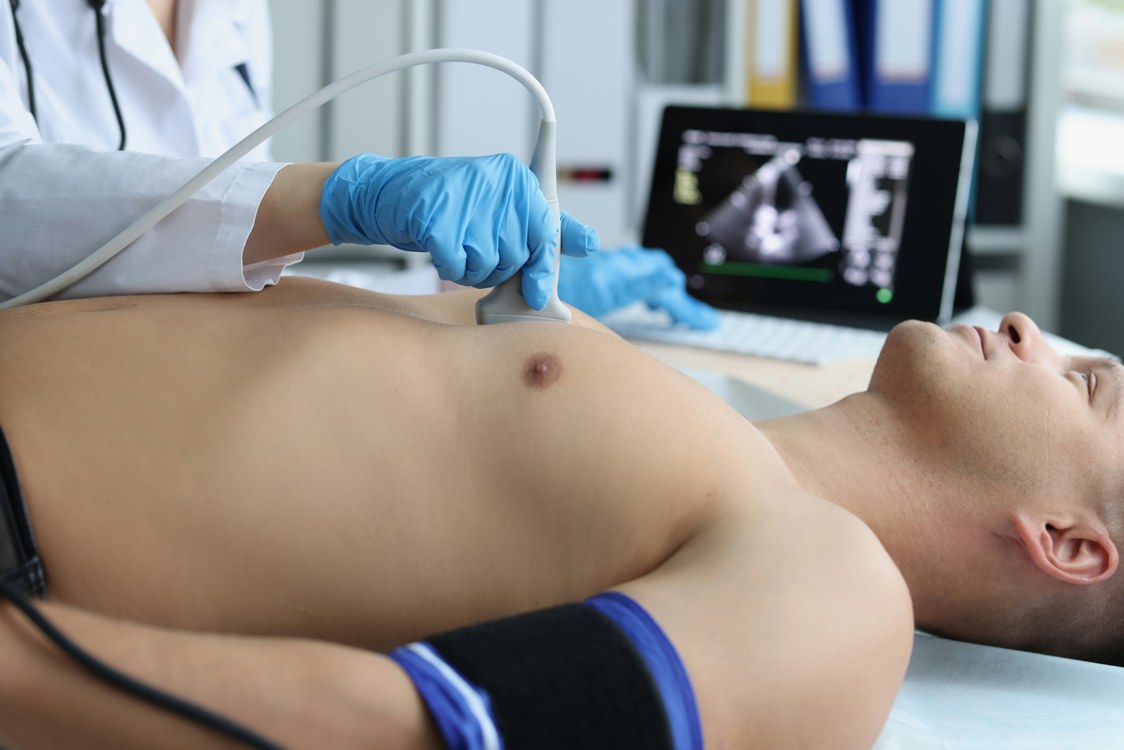
When physicians suspect structural heart disease or need to evaluate a patient’s risk profile more comprehensively, they typically order an echocardiogram. This specialized procedure provides a detailed ultrasound reading of the heart’s chambers, valves, and pumping efficiency. However, due to high demand and systemic resource constraints within healthcare infrastructure, appointments for echocardiograms are frequently backlogged, often requiring patients to wait for months before they can be evaluated.
This critical delay in diagnostic confirmation can leave vulnerable individuals exposed to progressive cardiovascular conditions. To address this persistent bottleneck, a specialized AI tool has now been engineered to bypass traditional delays. It is specifically programmed to detect the early, hidden signs of two of the most common forms of heart disease directly from standard ECG readings that patients may already be undergoing for entirely different medical evaluations.
Detailed presentations of this significant medical breakthrough were recently showcased at the prestigious European Society of Cardiology annual congress held in Munich, catching the attention of medical professionals and researchers globally.
"When it comes to the heart, earlier diagnosis and treatment saves and improves lives," said Dr. Sonya Babu-Narayan, a consultant cardiologist and clinical director of the British Heart Foundation, the major organization that generously funded the clinical trial evaluating the technology.
"Technology like the AI ECG in this research, which has the potential to identify high-risk patients early, will not detect everyone with a heart condition," Dr. Babu-Narayan added, emphasizing the realistic scope of the tool. "But it could be a solution to help fast-track the patients who are most likely to have a heart abnormality."
The conditions targeted by the artificial intelligence model are heart valve diseases and heart failure, representing two of the most prevalent and challenging cardiovascular disorders managed by healthcare systems today. Both conditions demand timely intervention to prevent catastrophic health outcomes. In fact, medical literature underscores that unless a patient is under the continuous care of an experienced cardiologist, the very first outwardly visible and recognized symptom of advanced heart failure is frequently a sudden cardiac arrest or sudden cardiac death, highlighting the critical need for advanced early detection methods.
To rigorously test the efficacy, accuracy, and potential inclusion of the AI model within active cardiology departments and broader clinical settings, an extensive trial was conducted. Researchers analyzed retrospective and prospective electrocardiogram data collected from approximately 67,000 patients across the United States. The results of the trial demonstrated remarkable diagnostic performance. The advanced machine-learning model successfully detected 81 percent of heart failure cases hidden within the routine data, and it successfully flagged an impressive 90 percent of heart valve disease cases.
The sheer volume of electrocardiograms conducted globally underscores the immense potential impact of integrating such technology into daily medical practice. The ECG stands as one of the most common diagnostic tests conducted within global cardiology, with approximately one billion individual tests ordered every year across the world. While a potential case flagged by the artificial intelligence model would not serve as absolute definitive proof that an individual patient is on the verge of sustaining a heart attack, the envisioned clinical pathway is clear. Medical practitioners would utilize the AI-analyzed ECG data to secure priority access to echocardiogram appointments, ensuring that those in the greatest need receive ultrasound imaging without dangerous delays.
"Patients can often wait several months for a heart ultrasound scan after being referred for one by their doctor," noted Professor Fu Siong Ng, a professor of cardiology at Imperial College London who was actively involved in the groundbreaking study.
"This makes it exciting that our technology could identify patients most at risk of heart failure and heart valve disease, so they could be prioritized for scans faster and more urgently," Professor Ng explained, highlighting the tangible relief this could bring to both patients and clinical scheduling coordinators.
Furthermore, the operational advantages of this technology extend far beyond targeted cardiology appointments. Professor Ng pointed out that individuals frequently undergo routine ECG tests for a wide array of unrelated medical reasons, such as preoperative evaluations, general physical examinations, or monitoring unrelated symptoms. A major, transformative benefit of embedding this AI tool into healthcare networks is its ability to seamlessly incorporate potential heart disease checks into any routine list of diagnostic markers for other conditions. In doing so, the technology possesses the unique capacity to uncover potential, previously unsuspected heart disease in individuals where no cardiovascular pathology was ever initially thought to exist.
As research teams continue to refine these algorithms and prepare for broader regulatory evaluations and real-world deployment, the medical community looks toward a future where automated screening tools act as a vital bridge between routine testing and specialized care. By transforming standard electrical traces into powerful predictive indicators, this innovation promises to reshape cardiovascular care pathways, ensuring that millions of patients receive life-saving interventions long before symptoms manifest into crises.