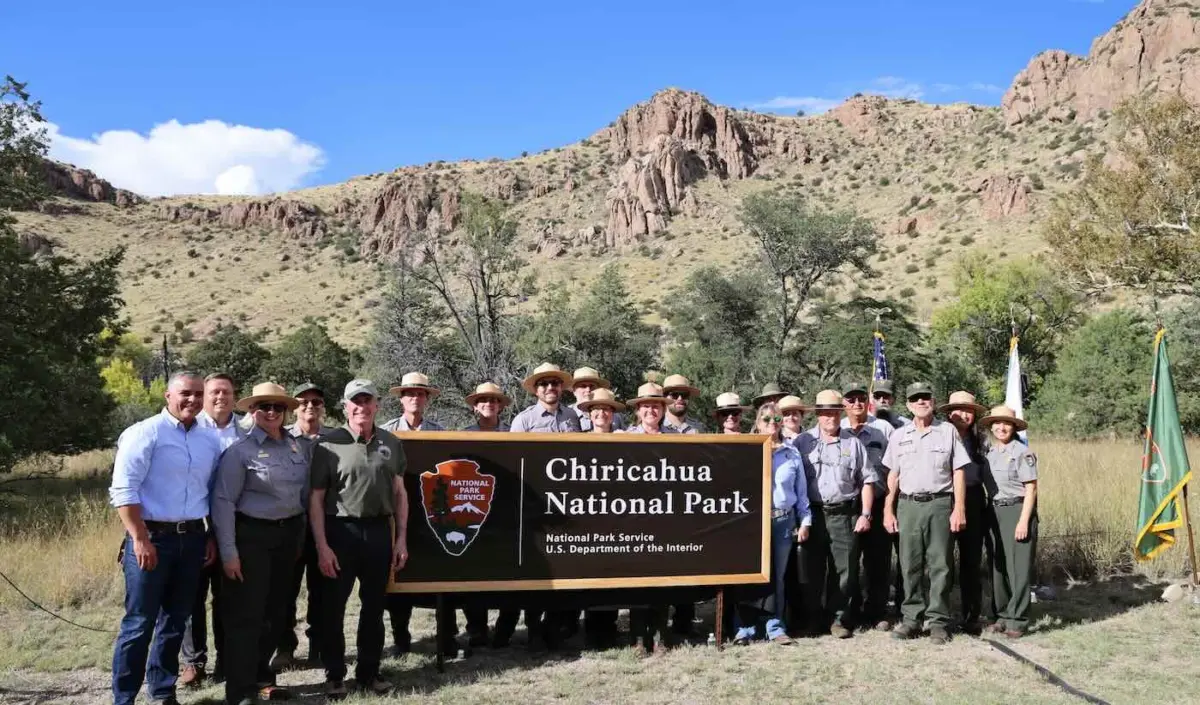
Previously managed as a national monument, the newly designated Chiricahua National Park officially transitions to its higher status following a legislative push that began years ago when Arizona’s congressional delegation first introduced a bill in Washington, D.C., in 2020. With officials officially cutting the ribbon this month, the designation places this remarkable southeastern Arizona sanctuary on par with legendary American landscapes like Yellowstone, Yosemite, and the Grand Canyon, ensuring heightened preservation and recognition for its unique environment.
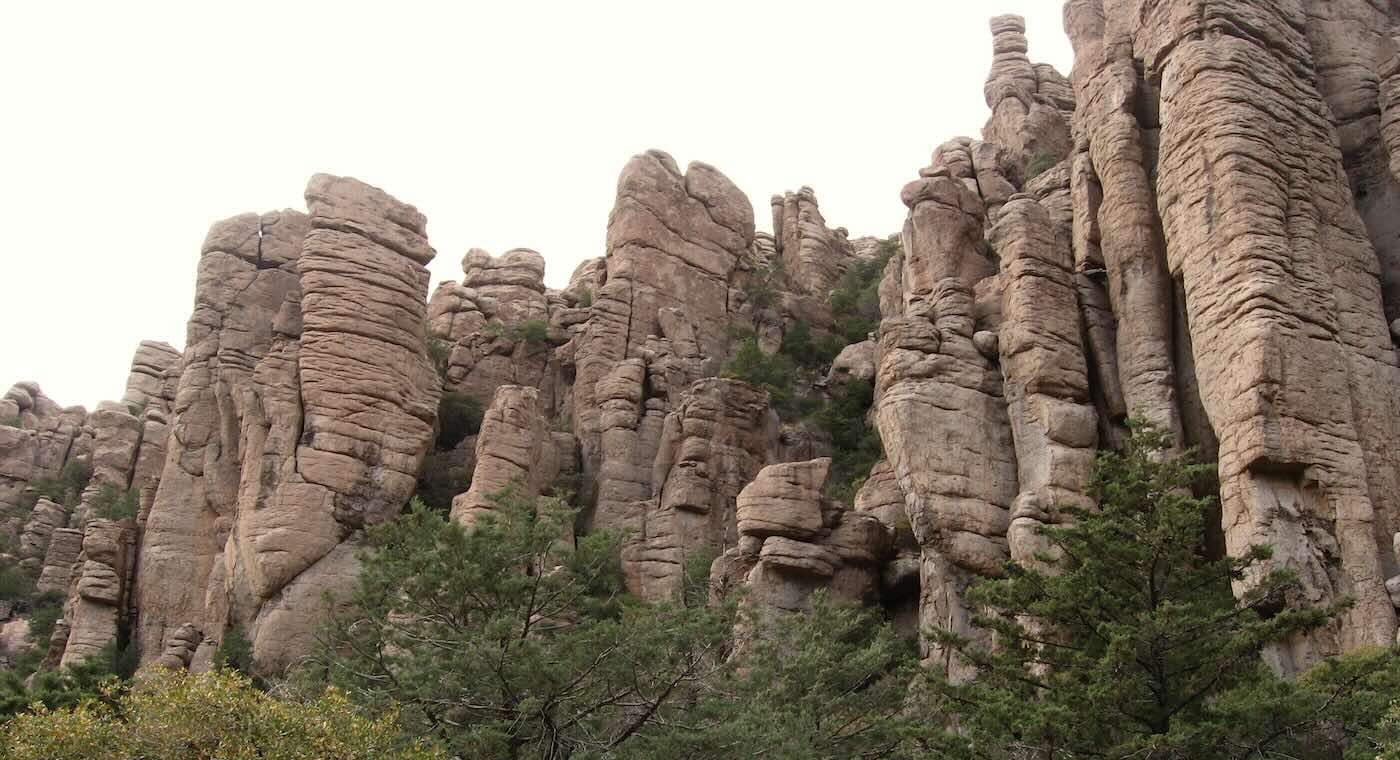
Spanning roughly 12,000 acres within the Sulphur Springs Valley, the park is situated about 90 miles east of Tucson—roughly halfway to Las Cruces, New Mexico—making it a pristine, yet accessible, hidden gem in the Grand Canyon State. At the heart of the park’s breathtaking scenery are towering rhyolite rock spires and precarious balanced rocks, geological masterpieces sculpted by an ancient volcanic eruption that shook the region approximately 27 million years ago.
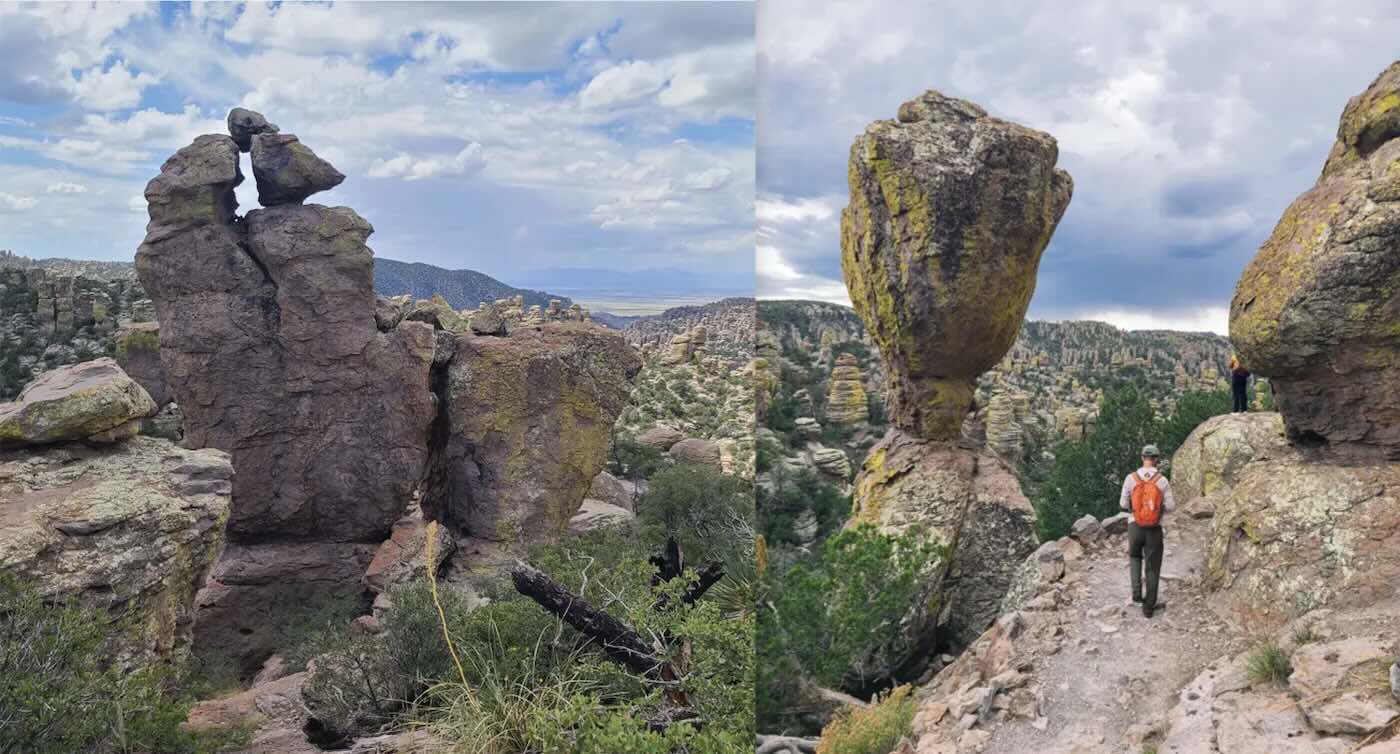
That prehistoric cataclysm spewed immense clouds of hot ash and gas, which cooled and compressed into thick layers of volcanic rock known as tuff. Over millions of years, relentless wind, water, and ice erosion carved these stone deposits into the fantastical columns, balanced boulders, and narrow ravines that define the modern landscape today. These striking stone formations have earned the park global renown among hikers, rock climbers, and outdoor enthusiasts seeking to explore the rugged terrain of the Chiricahua Mountains.
Beyond its geological marvels, the park sits at a unique ecological crossroads where multiple distinct habitats meet. The convergence of desert, grassland, and mountain forest ecosystems creates a biodiversity hotspot that supports a remarkably rich array of plant and wildlife species. The diverse elevations and microclimates within the mountains provide habitats for various mammals, reptiles, and numerous species of birds, drawing wildlife watchers and nature photographers from far and wide. Furthermore, the remote location and clear desert skies make the park an exceptional destination for stargazers looking to observe the cosmos away from the light pollution of major metropolitan areas.
First protected as a national monument in 1924, the newly minted national park also serves as a vital custodian of deep human history. The land holds profound cultural significance as the ancestral homeland of the Chiricahua Apache, preserving thousands of years of indigenous heritage and stories connected to the rugged terrain. In addition to its deep indigenous roots, the park encompasses the legacy of early American homesteading families, most notably preserved at the historic Faraway Ranch. Established by early settlers in the late 19th and early 20th centuries, the ranch offers visitors a glimpse into the resilient pioneer lifestyle of the American Southwest.
Today, visitors to the park can experience its diverse offerings through an array of activities, including extensive hiking trails that wind through the stone spires, scenic drives that showcase panoramic vistas of the surrounding valleys, camping facilities, and educational exhibits detailing the area’s rich past.
With the long-sought national park designation now fully realized, federal officials and local advocates hope the move will bolster conservation efforts and invite a broader audience to discover the unique natural and cultural treasures of southeastern Arizona. Travelers seeking to plan a visit, check current conditions, or learn more about the park’s history and facilities can find up-to-date information by visiting the official National Park Service website at NPS.gov/chir.