
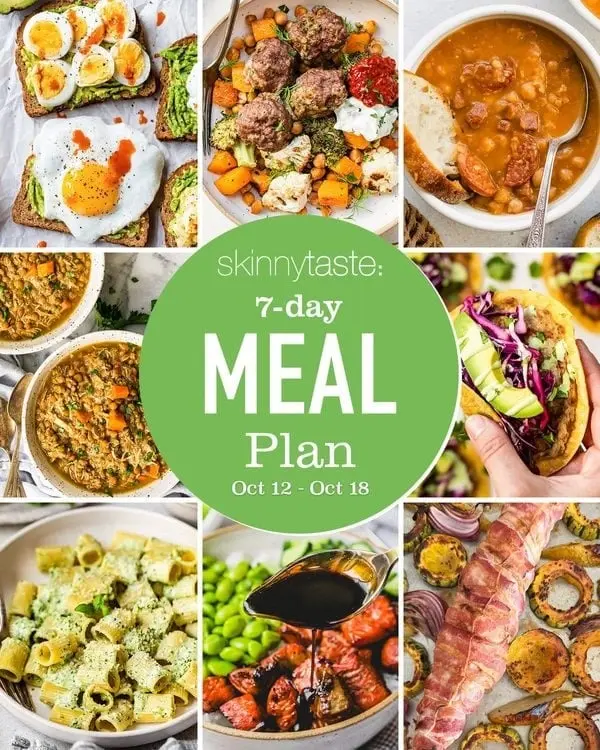
Central to this week’s initiative is a focus on seasonal fall produce—most notably pumpkin—alongside practical economic strategies intended to help budget-conscious families maintain healthy eating habits without overspending at the supermarket.
Harnessing Autumn Flavors and Nutritional Benefits
October’s culinary palette is heavily defined by pumpkin, an ingredient celebrated as much for its rich nutritional profile as its seasonal appeal. Pumpkin is densely packed with essential nutrients, including beta-carotene, vitamin A, potassium, dietary fiber, and protective antioxidants. According to the publication, incorporating pumpkin into weekly meal routines provides a versatile, nutrient-dense method to embrace seasonal cooking across both sweet and savory applications.
To demonstrate this versatility, the seasonal rotation highlights a broad range of preparations tailored for varying palates. Cozy comfort dishes include Roasted Pumpkin Sage Soup and a hearty Beef Stew served on pumpkin. For those seeking lighter morning options or nutritious mid-day treats, the platform features a low-fat Pumpkin Bread topped with pepitas, as well as Pumpkin Pancake Muffins. Additionally, festive sweet offerings such as a Pumpkin Pie Dip are designed to be served inside a small carved pumpkin, demonstrating how seasonal produce can elevate both presentation and flavor.
Economic Strategies and the 1,500-Calorie Framework
The release of the meal plan comes at a time when elevated retail grocery prices are prompting many consumers to adjust their spending habits, scale back on discretionary purchases, and seek greater efficiency in the kitchen. Structured meal planning is highlighted as one of the most effective interventions for maintaining a household budget while supporting personal wellness goals.
By utilizing a precise, organized shopping list, home cooks can shop with exact purpose, leading to reduced impulse buying, fewer food delivery orders, and a dramatic reduction in wasted ingredients. To further assist families seeking economical dining solutions, the brand provides access to specialized five-day budget-friendly meal guides through a 14-day trial on the Relish+ digital platform.
Nutritiously, the seven-day framework is constructed to be inherently flexible, serving as an adaptable guide rather than an overly restrictive regimen. While baseline health guidelines suggest that adult women should generally target an average intake of approximately 1,500 calories per day—adjusting for personal variables such as age, weight, and physical activity—the programmed daily totals in the baseline menu hover between 594 and 1,232 calories.
This deliberate calorie buffer is designed to accommodate individual needs, allowing participants ample "wiggle room" to incorporate morning coffee, mid-day snacks, beverages, additional fresh fruit, desserts, or evening wine without exceeding their personal daily energy expenditure goals.
Comprehensive Weekly Meal Plan Breakdown
The seven-day schedule is structured strategically to maximize time and ingredient efficiency. Breakfast and lunch routines from Monday through Friday are specifically scaled to serve an individual, whereas all evening meals and weekend menus are calculated to serve a family of four. Several dinner recipes intentionally generate substantial leftovers, supplying pre-planned lunches for subsequent days.
Monday, October 12
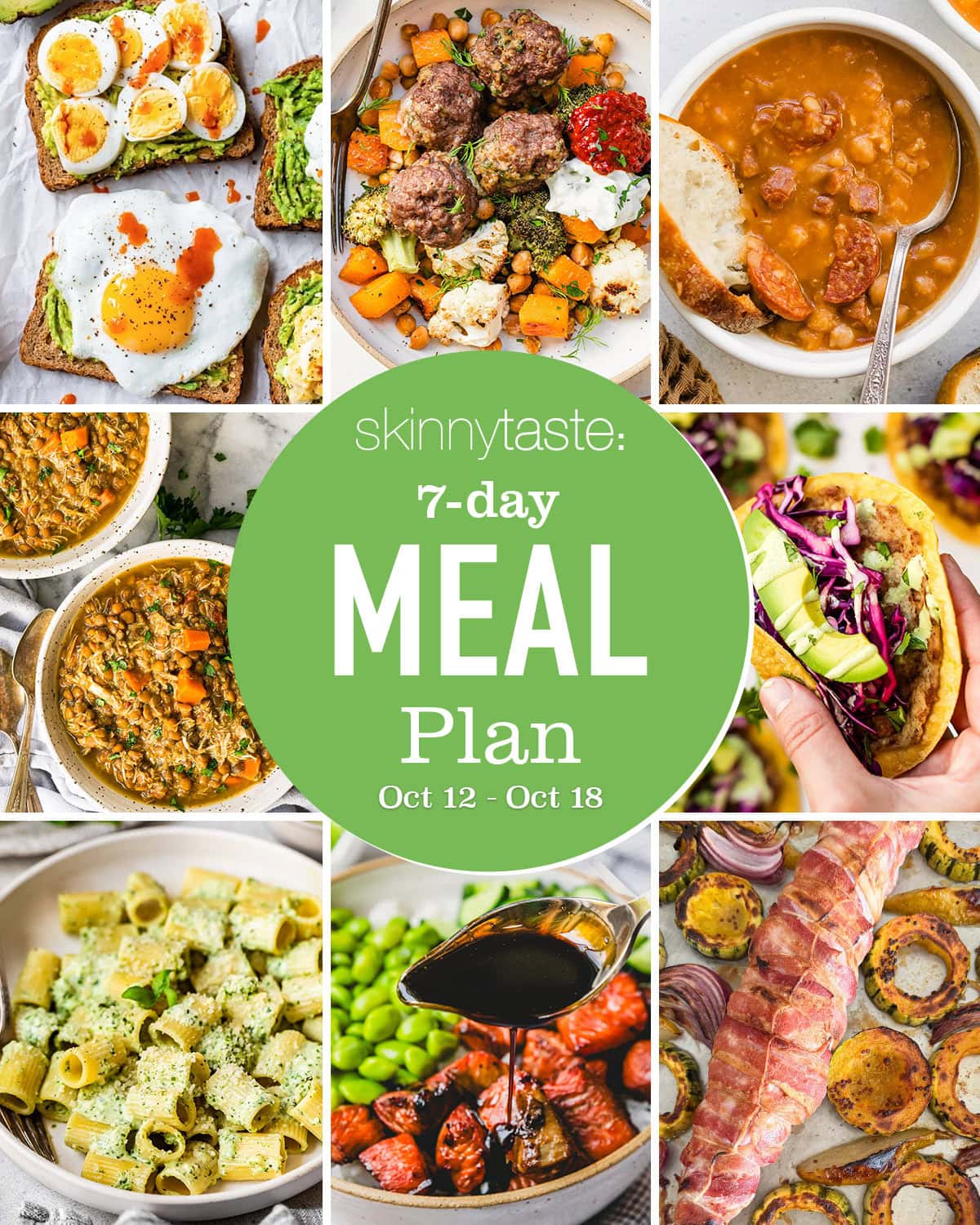
The workweek begins with a simple, balanced breakfast consisting of Avocado Toast topped with a sunny-side-up egg. For lunch, the schedule calls for a double portion of Cranberry Chicken Salad served atop sliced fresh apples. Dinner features a nutrient-focused comfort meal: Creamy Pesto Pasta prepared with high-protein cottage cheese, served alongside a side of Parmesan Zucchini. The programmed baseline caloric total for Monday stands at 1,116 calories.

Tuesday, October 13
Tuesday’s morning meal introduces an Air Fryer Breakfast Banana Split. Lunch utilizes the prepped Cranberry Chicken Salad on apple slices. For the evening meal, the plan shifts to a family-style dish featuring Chicken Smash Tacos served with a signature Creamy Jalapeno Sauce, paired with a side of Cilantro Lime Cauliflower Rice. The estimated baseline intake for Tuesday is 1,232 calories.
Wednesday, October 14
Midweek nutrition opens with a High Protein Zucchini Omelet for one. Lunch relies once again on the Cranberry Chicken Salad on apple slices, bringing efficiency to daytime prep. Dinner introduces an Instant Pot Spanish Garbanzo Stew, a hearty dish deliberately crafted to yield multiple leftover portions for the days ahead. Wednesday’s daily meal allocation totals 1,125 calories.
Thursday, October 15
Thursday morning sees a return of the Air Fryer Breakfast Banana Split. Lunch takes advantage of the previous evening’s batch cooking, utilizing leftover Instant Pot Spanish Garbanzo Stew. Dinner simplifies weeknight prep through a one-pan meal: Sheet Pan Meatballs roasted alongside chickpeas, cauliflower, and butternut squash. The baseline caloric total for Thursday reaches 1,179 calories.
Friday, October 16
The weekday routine concludes with a breakfast of Avocado Toast with Egg. Midday dining again utilizes the remaining portion of the leftover Instant Pot Spanish Garbanzo Stew. The workweek closes with a doubled recipe of Teriyaki Salmon Bowls, which can be prepared in either an air fryer or a conventional oven. Friday’s programmed baseline meal total comes to 1,123 calories.
Saturday, October 17
Weekend menus transition entirely to family-sized portions. Saturday morning features batch-baked Pumpkin Pancake Muffins, followed by a midday meal of Slow Cooker Chicken and Lentil Soup. To allow flexibility for social engagements and weekend activities, Saturday evening is designated for dining out. The programmed home-cooked base total for the day is 594 calories.
Sunday, October 18
The week wraps up with a quadrupled recipe of Savory Steel Cut Oats for breakfast, providing a warm, hearty start to the day. Lunch makes efficient use of the leftover Slow Cooker Chicken and Lentil Soup prepared on Saturday. Sunday dinner concludes the weekly cycle with Bacon-Wrapped Pork Tenderloin served alongside a raw shredded Brussels sprouts salad tossed in lemon and oil. Sunday’s full meal plan baseline totals 1,104 calories.
Ultimate Skinnytaste Meal Planner and Community Resources
To support seamless execution of the menu, the plan is integrated with a comprehensive, categorized grocery shopping list. The ingredient layout is divided logically into produce, meat and poultry, condiments and spices, dairy and refrigerated items, grains (with gluten-free alternatives noted), canned and jarred goods, frozen items, and general dry goods. For enhanced digital convenience, participants can access an interactive Google Doc version of the grocery list to track purchases directly from their smartphones while shopping.
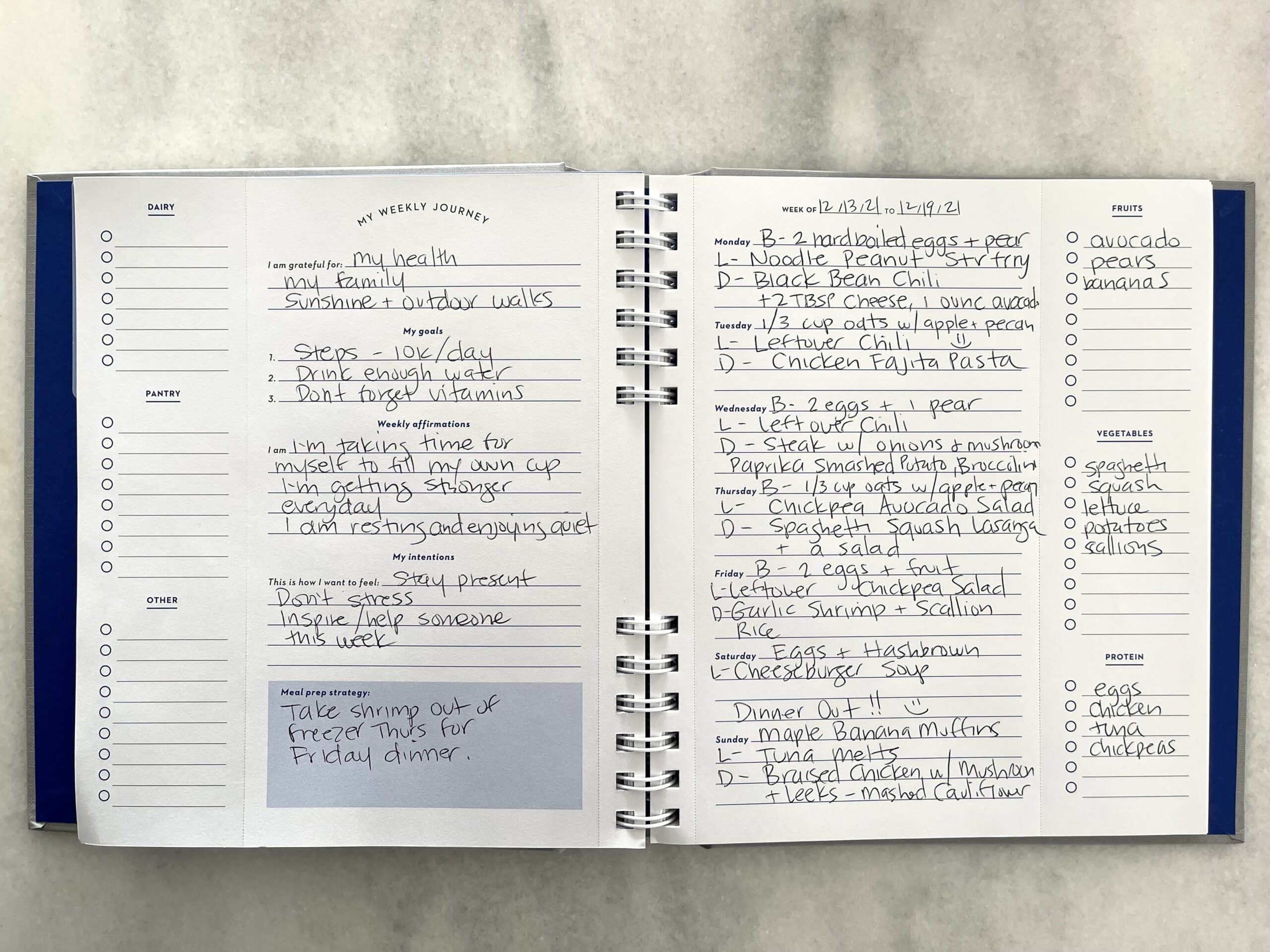
Beyond digital web content, the publication highlights physical organizational tools, including the Skinnytaste Ultimate Meal Planner. The 52-week spiral-bound planner is engineered to assist users in maintaining long-term health and financial structure. Key features include tear-out weekly meal planning grids suitable for display on household refrigerators, a structured 12-week guided meal plan, tear-out shopping sheets, and 30 curated recipes, including 15 brand-new exclusives. Blending lifestyle wellness with practical nutrition, the physical journal also integrates dedicated spaces for morning gratitude, personal affirmations, and weekly goal setting.
To foster ongoing user engagement and peer support, home cooks are encouraged to connect through the active Skinnytaste Facebook Community. Within this interactive forum, thousands of members regularly share real-time preparation photos, modifications, and meal planning tips. Combined with direct email newsletter subscriptions, these platform tools aim to provide a sustainable, fully supported ecosystem designed to streamline healthy meal preparation throughout the autumn season and beyond.