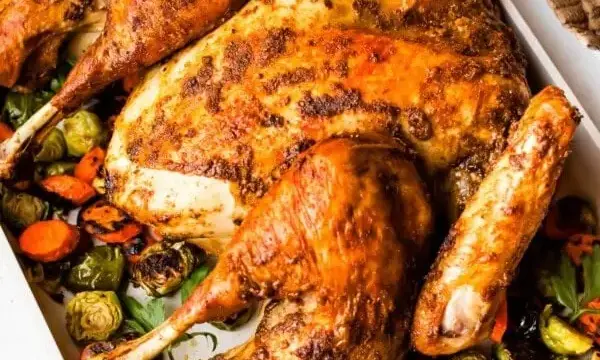
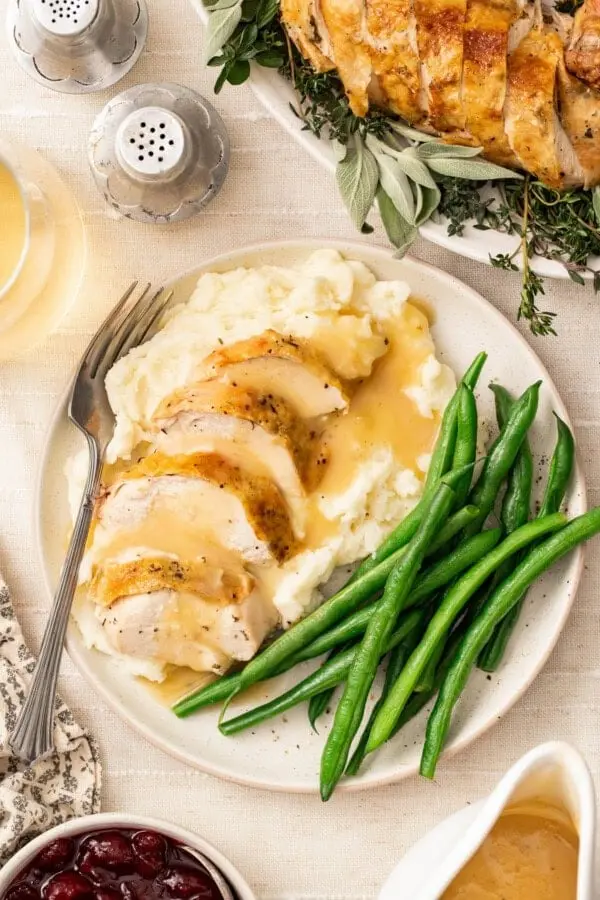
The shift reflects a broader pattern in modern entertaining. For many families, the elaborate preparation, extensive oven time, and overwhelming amount of leftover meat associated with a traditional twenty-pound turkey no longer line up with the realities of holiday hosting. By focusing on high-impact techniques like dry brining and precision temperature monitoring, home cooks can achieve golden, crispy skin and exceptionally juicy meat in a fraction of the time, all while retaining the classic, comforting aromas and flavors that define the holiday season.
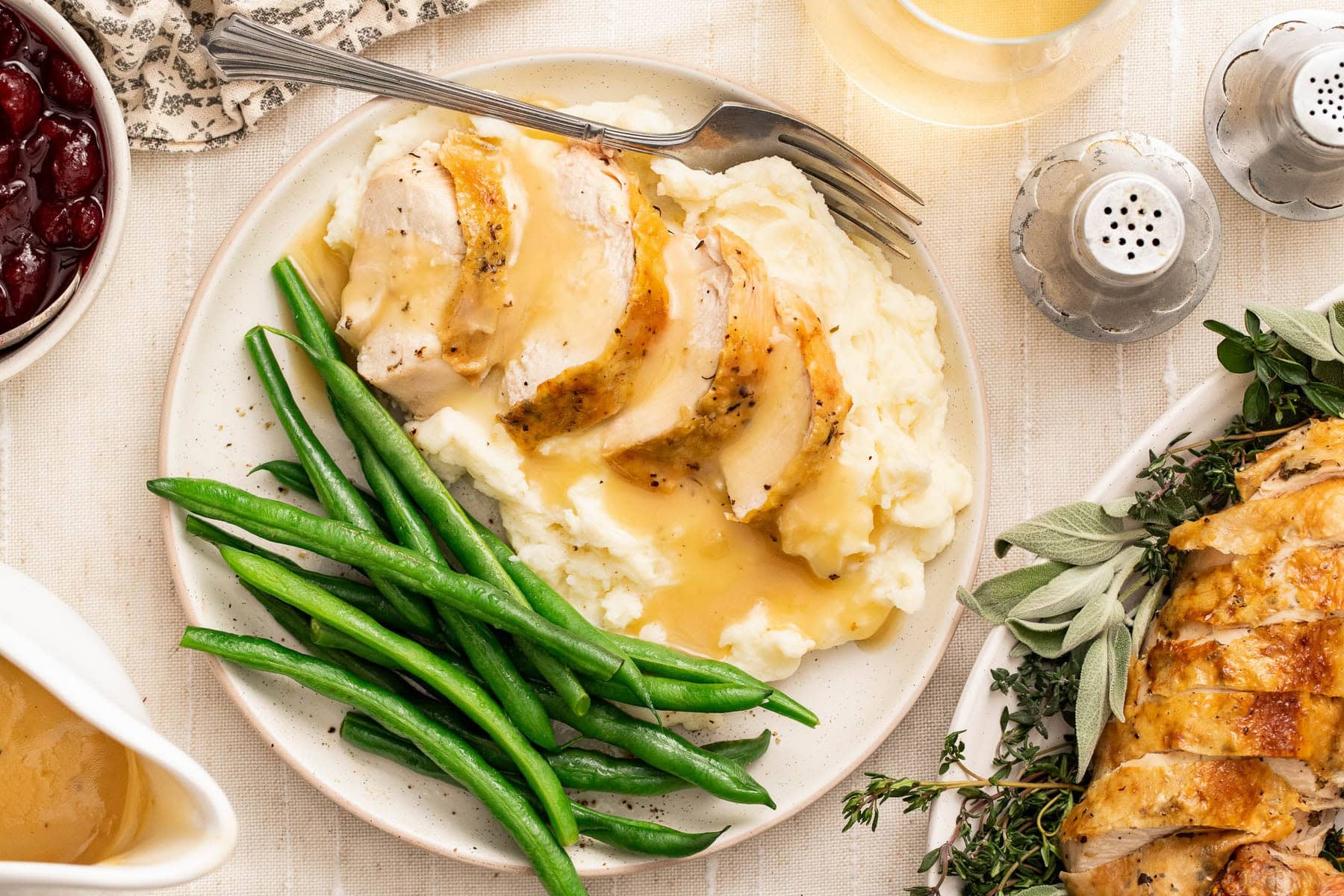
A Shift in Holiday Traditions: Swapping the Turkey for Poultry Alternatives
For decades, roasting a holiday turkey has been treated as an obligatory Thanksgiving ritual, often accompanied by concerns over dry breast meat, crowded ovens, and early morning preparation schedules. However, feedback from holiday hosts reveals a common theme: many guests confess that their true devotion lies with the traditional side dishes—such as stuffing, mashed potatoes, and cranberry sauce—rather than the turkey itself.
This realization prompted Homolka to create a dedicated holiday roast chicken recipe after years of family members requesting an alternative to turkey. The resulting dish delivers the familiar herbal notes and savory richness associated with Thanksgiving dinner, but scales the main course down to a size that better matches smaller dinner tables.
A standard whole chicken offers several distinct practical advantages over a large bird. It cooks in a fraction of the time, requires far less refrigerator space for prep, and eliminates the multi-day thawing process required for frozen turkeys. Furthermore, chicken naturally tends to remain moister during roasting due to its smaller size and higher proportion of tender meat, making it an forgiving option for hosts looking to reduce holiday anxiety.
The Mechanics of Dry Brining for Crispy Skin and Juicy Meat
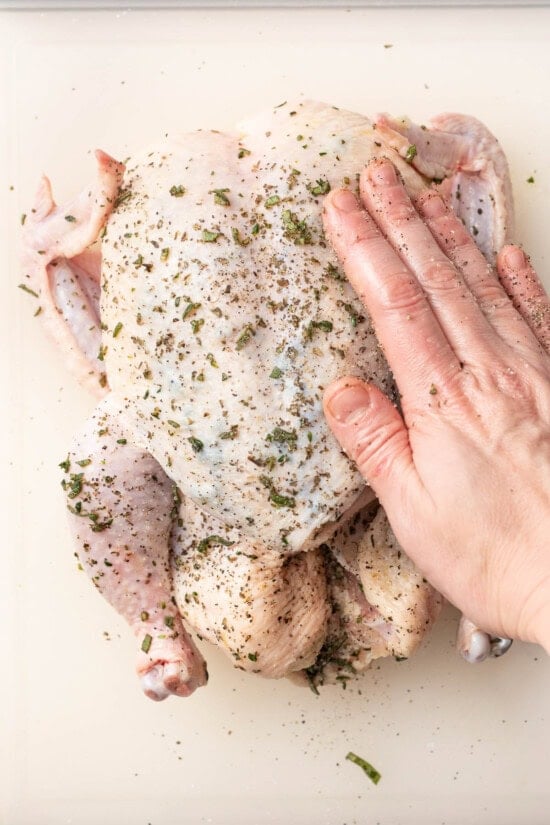
The foundation of a successful roasted chicken lies in proper advance preparation. The single most effective technique for elevating a simple roast chicken into a holiday-worthy centerpiece is the use of a simple dry brine. Unlike traditional wet brines, which require large containers of salted water and can sometimes leave poultry skin soggy, a dry brine relies on applying a salted rub directly to the bird hours before cooking.

When salt and seasonings are rubbed over and under the chicken’s skin and allowed to sit in the refrigerator—either for several hours or overnight—a two-step transformation occurs. First, the salt draws out surface moisture through osmosis. As the salt dissolves into that moisture, it creates a concentrated brine that is gradually reabsorbed into the meat fibers. This process breaks down muscle proteins, allowing the chicken to retain its natural juices even as it roasts in a hot oven.
Simultaneously, the refrigerator’s cool, dry air dehydrates the exterior skin. Removing surface moisture before the chicken ever encounters oven heat is essential for achieving ultra-crispy, golden-brown skin. When the dry-brined bird enters the oven, the residual fat under the skin renders quickly without being trapped by excess surface water, creating a crackling, flavorful crust that holds in flavor.

Thermal Control and Precision Roasting in the Kitchen
Achieving ideal results when roasting a whole bird requires a balance of proper kitchen techniques and accurate temperature monitoring. To ensure that the meat remains juicy without undercooking near the bone, culinary experts emphasize the importance of precision tools, such as a wireless probe meat thermometer.
Inserting the thermometer probe into the thickest part of the chicken breast—taking care not to touch the bone, which can conduct heat and give a false reading—allows cooks to track internal temperatures continuously without repeatedly opening the oven door and releasing heat. Setting the target pull temperature to 160°F accounts for carryover cooking. Once the chicken is removed from the oven and set aside to rest, residual heat continues to raise the internal temperature to the safety benchmark of 165°F while allowing the muscle fibers to relax and redistribute their juices throughout the meat.
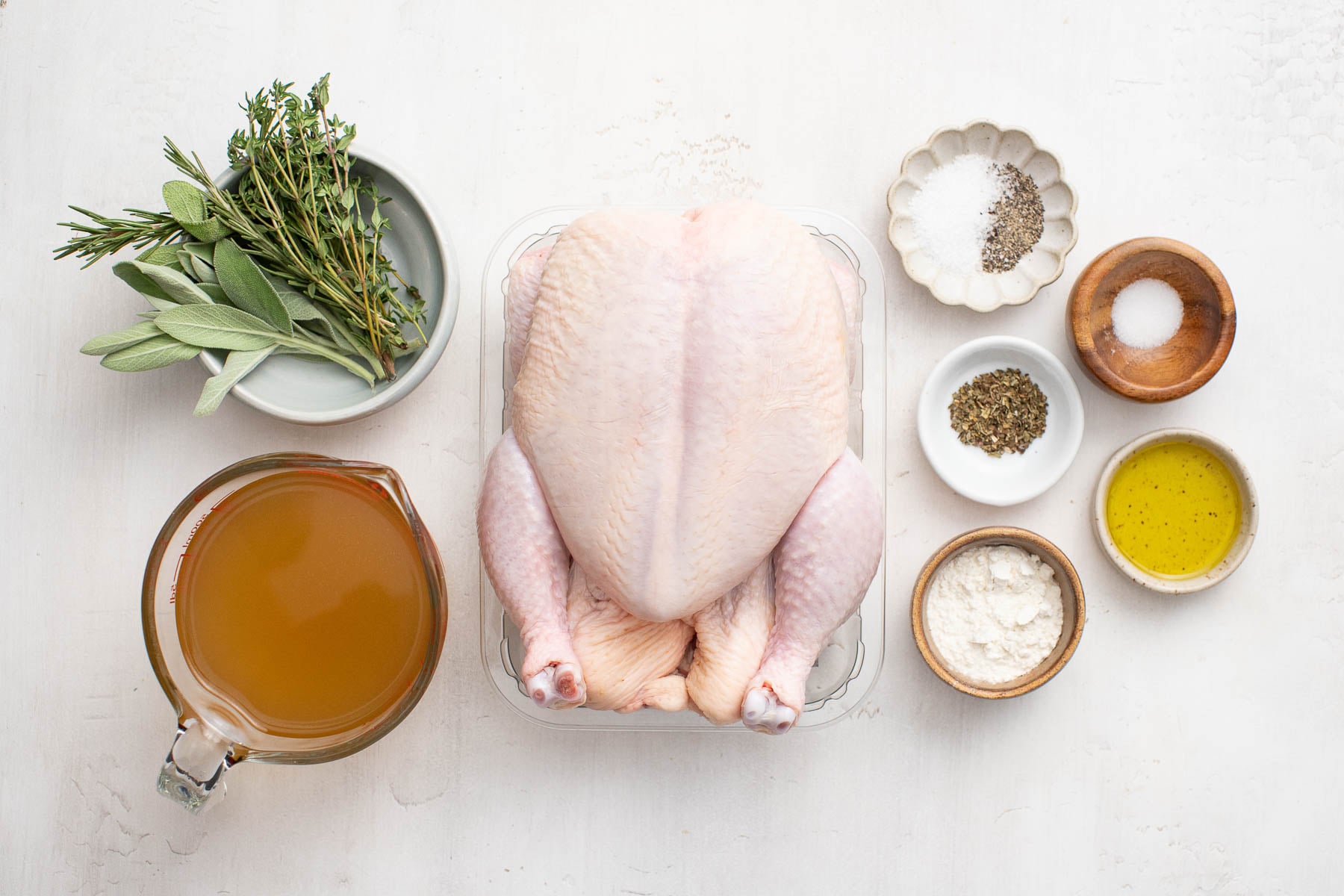
Beyond temperature monitoring, bird preparation plays a critical role in even cooking:
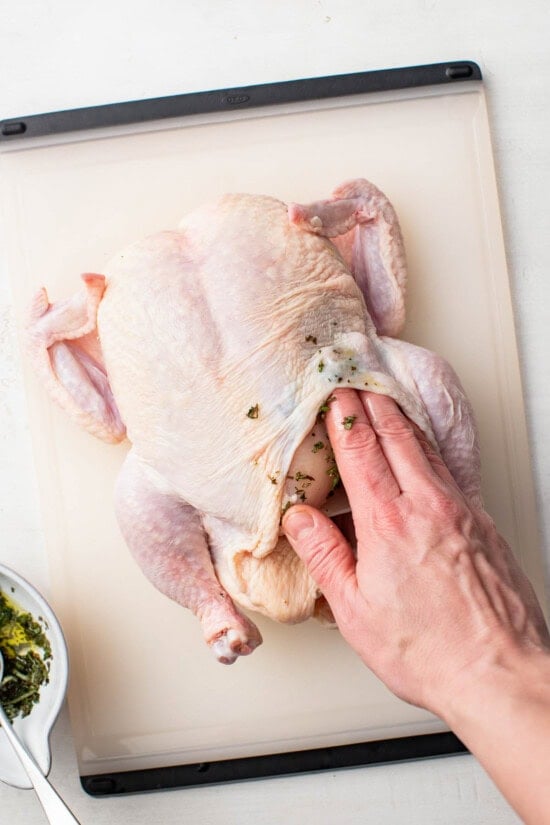
- Herbal Infusion: Carefully loosening the skin from the breast meat allows fresh herbs and seasoning rubs to be placed directly against the flesh, infusing deep flavor directly into the white meat.
- Tucking the Wings: Folding the wingtips behind the chicken’s back prevents them from burning during roasting and provides a stable base for the bird in the pan.
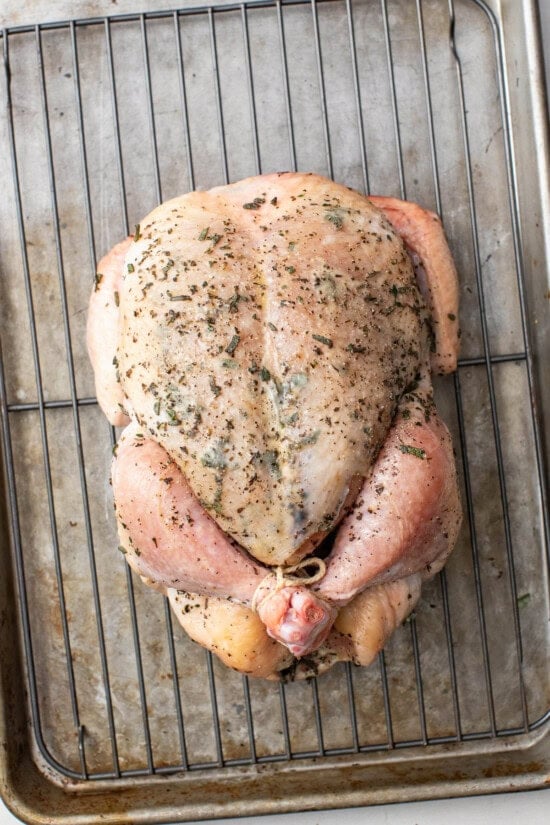
- Trussing the Legs: Tying the drumsticks tightly together with kitchen twine keeps the cavity closed, promoting even air circulation around the thighs and preventing the breast meat from drying out prematurely.
Whether utilizing a standard conventional oven or a convection setting, maintaining proper air circulation and roasting elevated on a rack or nestled atop a bed of roasting aromatics ensures that heat distributes evenly around the entire bird.
Transforming Pan Drippings into a Rich Homemade Gravy
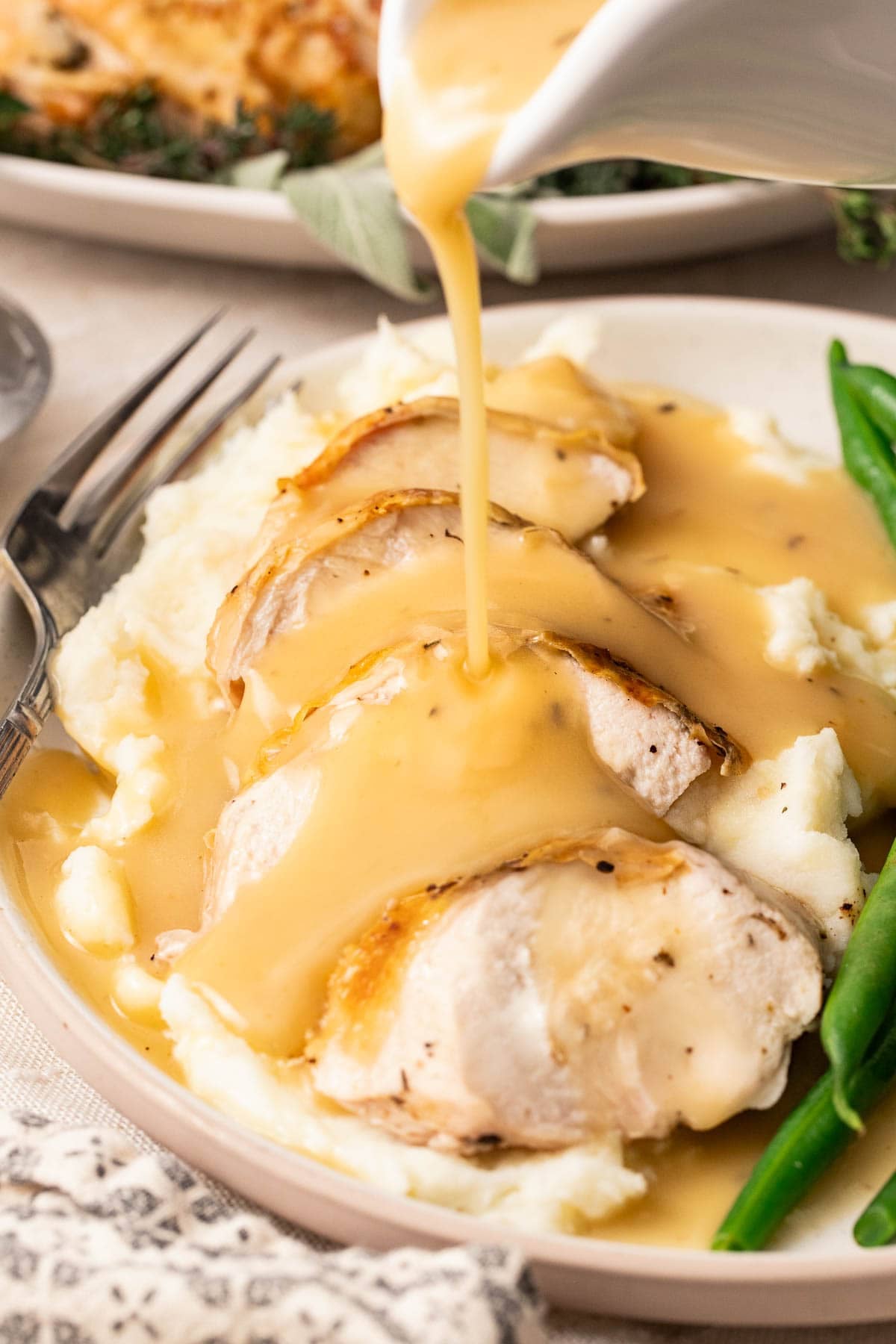
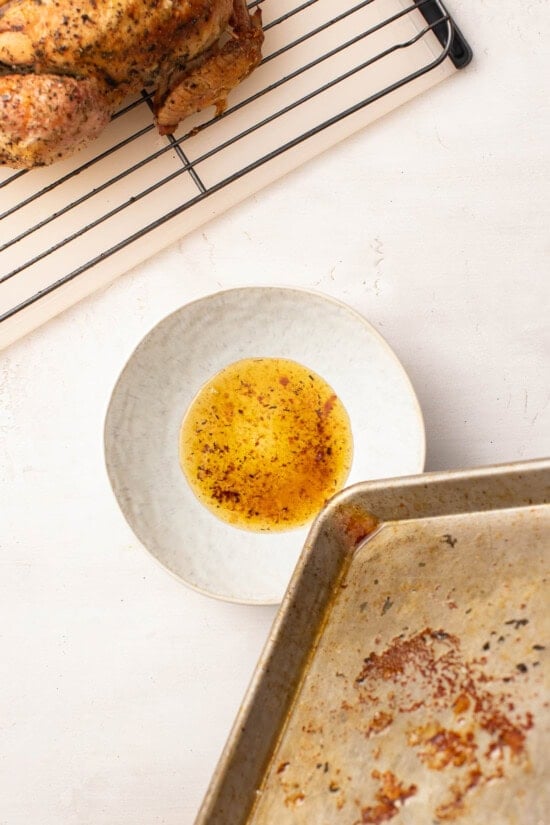
No Thanksgiving plate is complete without a rich, velvet-smooth gravy, and roasting a whole chicken produces a natural foundation for pan sauces. As the chicken roasts, rendered fat, caramelized meat juices, and herbal essences collect at the bottom of the roasting pan, forming what cooks refer to as fond.
To transform these drippings into a flavorful holiday gravy, the pan juices are strained to remove large bits while retaining the concentrated chicken fat and savory liquid. Combining these drippings with stock and a simple thickening agent over medium heat creates a glossy, flavorful sauce that ties the roasted meat and accompanying side dishes together.
The inclusion of pan drippings ensures that the gravy reflects the exact herb profile used on the chicken itself, creating a cohesive flavor profile across the entire meal. Because whole chickens yield a concentrated volume of pan juices relative to their size, home cooks can produce a robust, savory gravy without needing commercial flavor enhancers or artificial bases.
Nutritional Balance and Time Management for Holiday Hosts
In addition to flavor and convenience, opting for a whole roasted chicken offers clear advantages in terms of scheduling and nutrition. The entire preparation process requires modest active labor while offering flexible passive timing, making it ideal for busy home cooks managing multiple dishes at once.
The overall timeline breaks down into structured phases:
- Active Preparation Time: 30 minutes for seasoning, loosening the skin, trussing, and setting up the roasting vessel.
- Roasting Time: Approximately 50 minutes in the oven, depending on the exact weight of the bird and oven calibration.
- Brining, Tempering, and Resting Time: 2 hours and 35 minutes total, which accounts for the advance dry-brining period, bringing the chilled bird to room temperature prior to roasting, and the final post-roast resting phase.
- Total Time Commitment: 3 hours and 55 minutes from initial prep to carving.
Nutritional analysis highlights the lean nature of roast chicken when served in measured holiday portions. A single serving—calculated at 4 ounces of chicken breast with skin—delivers a high-protein profile suited for health-conscious diners looking for a balanced holiday meal:
- Calories: 291 kcal
- Protein: 31.5 g
- Total Fat: 15 g
- Saturated Fat: 4 g
- Cholesterol: 81.5 mg
- Sodium: 885.5 mg
- Carbohydrates: 5 g
- Dietary Fiber: 0.5 g
- Sugars: 0.5 g
For hosts managing leftovers, cooked roast chicken stores exceptionally well. Once carved from the bone, cooled meat can be stored in airtight containers in the refrigerator for several days. Reheating leftover chicken gently—ideally splash-moistened with extra gravy or broth and covered to prevent drying—preserves both the tenderness of the meat and the richness of the original dish.
A Versatile Solution for the Modern Holiday Table
As holiday dining habits continue to evolve, recipes like roasted chicken with homemade gravy prove that festive meals do not require grand scale to feel special. By combining practical preparation techniques with traditional seasonal flavors, home cooks can deliver a refined, stress-free centerpiece that satisfies family expectations while leaving plenty of room on the table for everyone’s favorite side dishes. Whether served as a tailored solution for a small Thanksgiving gathering or enjoyed as a comforting weekend meal during the winter months, roasted whole chicken offers a reliable, delicious alternative to holiday dining traditions.