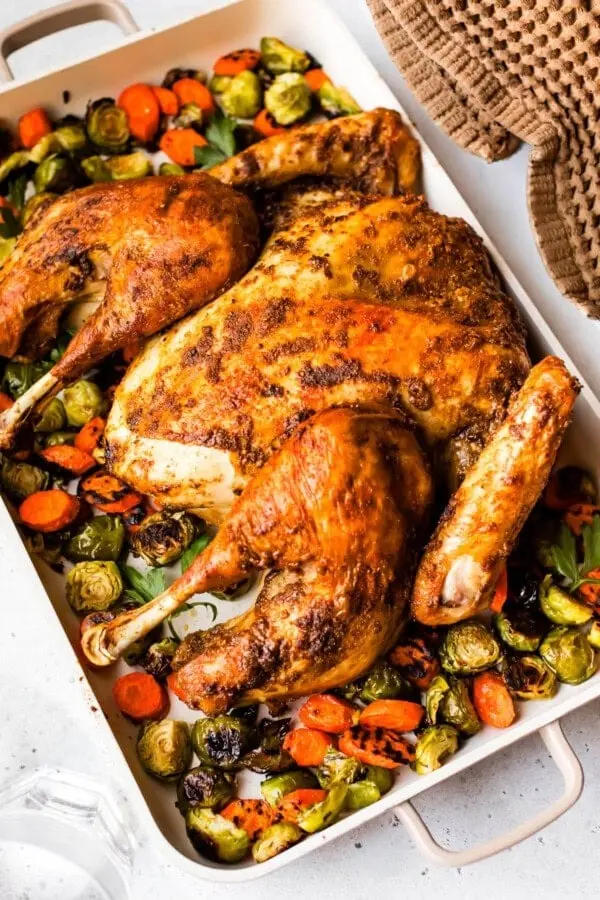
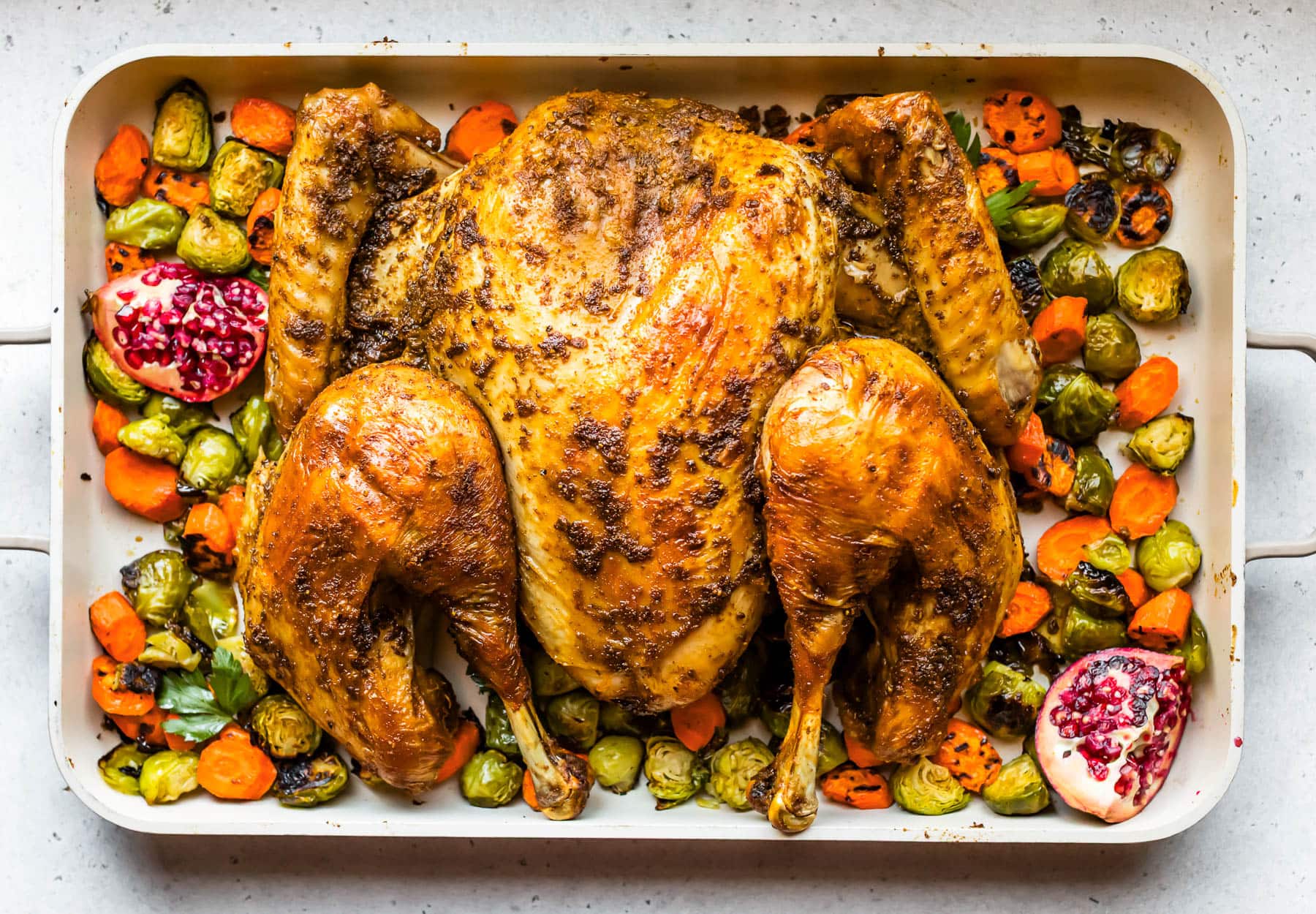
A streamlined method popularized by culinary developer Gina Homolka of Skinnytaste offers a direct solution to these classic holiday hurdles. The Mayo-Roasted Spatchcock Turkey combines an established butchery technique with a smart fat-emulsification trick, yielding a fully cooked, tender 16-pound bird with deeply golden, crispy skin in under two hours. By eliminating the necessity for multi-day brining or complex advance prep, this streamlined technique allows host cooks to season and roast their central holiday dish on the very same day without sacrificing flavor, moisture, or visual appeal.
Understanding the Spatchcock Method: Science and Culinary Advantages
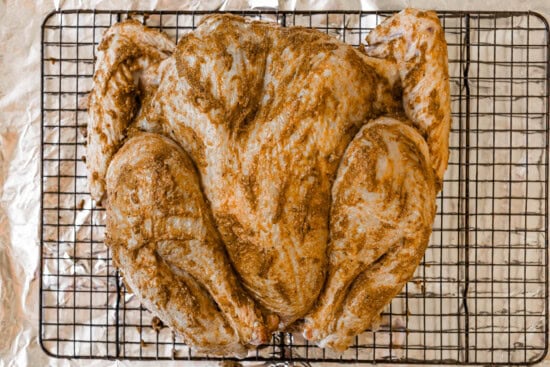
The foundation of this approach lies in spatchcocking, a culinary process also commonly referred to as butterflying. The technique requires removing the backbone of the turkey entirely, allowing the entire structure of the bird to be flattened before it goes into the oven. While whole, un-cut poultry forms a hollow, dome-like shape where heat circulates unevenly around different muscles, a spatchcocked bird lies completely flat on a single roasting sheet or tray.
This change in geometry fundamentally alters how thermal energy moves through the meat. In a standard upright or V-rack posture, the breast meat projects upward, placing it closer to heat sources and causing it to warm far faster than the sheltered thigh joints below. By flattening the turkey, the dark meat of the legs and thighs is spread outward to the perimeter where hot oven air circulates freely. Because dark meat contains higher levels of collagen and connective tissue, it benefits from higher direct heat exposure to tenderize properly, reaching its target temperature at the exact moment the tender white breast meat reaches safe doneness.
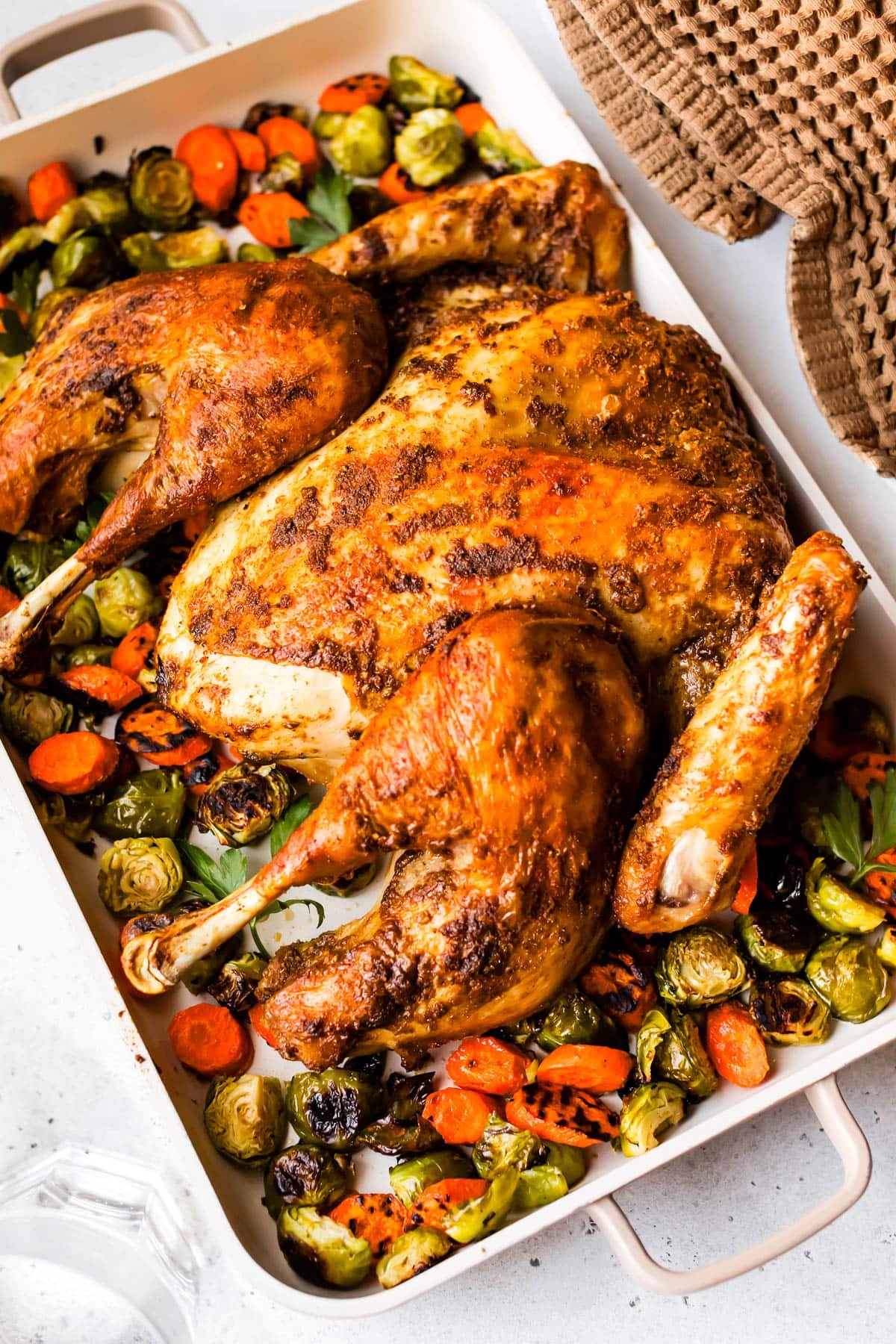
Beyond temperature control, flattening the bird dramatically increases the surface area exposed to direct heat. This structural change cuts cooking duration roughly in half compared to traditionally shaped birds of equivalent weight. For holiday hosts, this rapid heat transfer translates directly to shorter oven times, reduced energy consumption, and freed-up kitchen bandwidth for accompanying side dishes.
The Role of Seasoned Mayonnaise in High-Heat Poultry Roasting
While spatchcocking solves the structural challenges of roasting poultry, coating the bird with a seasoned mayonnaise mixture solves the texture and flavor equation without requiring prolonged marination. Softened butter or vegetable oil are traditional choices for coating raw poultry, but mayonnaise—an emulsion composed primarily of oil, egg yolk, and an acid binder—offers unique chemical properties under intense oven heat.

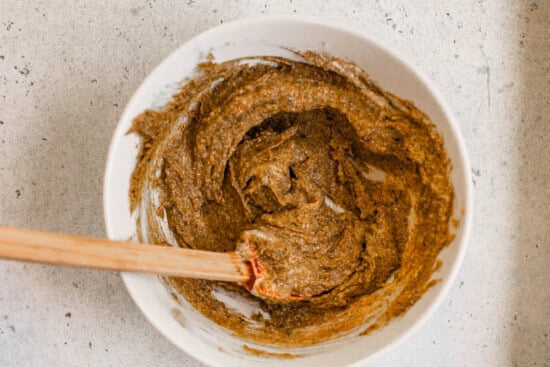
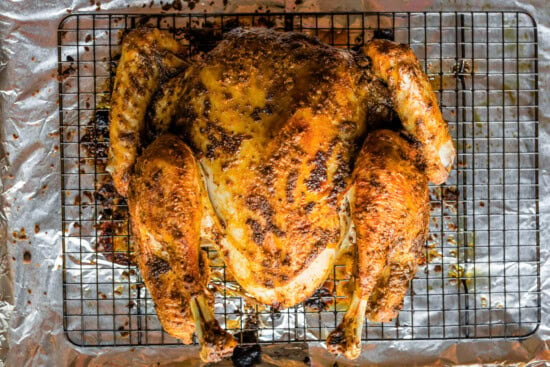
When applied across the skin of the flattened turkey, mayonnaise acts as a stable, thick coating that holds seasonings evenly against the surface of the meat without melting off prematurely into the bottom of the pan. As roasting begins, the emulsion gradually breaks down under high temperatures, releasing pure fat evenly across the skin while the underlying egg proteins promote rapid browning through the Maillard reaction. This chemical process locks in natural moisture beneath the skin while producing a uniform, shatteringly crisp, deep-golden crust.
The blend of seasonings suspended within the mayonnaise layer distributes herbs and salt directly onto the skin. Because the spatchcock layout exposes nearly all of the turkey’s skin to upper heat, virtually every bite benefits from this seasoned crust, avoiding the patches of pale, rubbery skin frequently found on the underside of traditionally roasted birds.

Roasting Dynamics, Timing, and Temperature Management
Executing a spatchcocked turkey requires a brief initial high-heat blast followed by steady, moderate roasting to balance skin crispness with interior juiciness. For a standard 16-pound turkey, cooking commences in an oven preheated to 425°F for the first 30 minutes. This blast of high heat immediately initiates the browning of the mayonnaise-coated skin and renders surface fats.
Following the initial 30-minute interval, the oven temperature is reduced to 350°F to finish cooking the interior meat gently without over-browning the exterior. The bird continues to roast for an additional 60 to 90 minutes at this lower setting. Because actual cooking times vary based on individual oven performance and pan style, thermal monitoring should begin around the 75-minute mark of total cooking time.
The benchmark for safety and optimal texture is reached when an instant-read meat thermometer inserted into the thickest section of both the breast and the thigh registers 165°F. If certain sections of the skin begin to darken too quickly toward the end of the process, a loose tent of aluminum foil placed over those areas will shield them from intense radiant heat while the interior finishes cooking.
Once removed from the oven, resting the turkey is an essential final phase. The bird should rest undisturbed on a sturdy carving board for a full 30 minutes before cutting. During this resting period, muscle fibers relax and internal juices redistribute evenly throughout the meat rather than spilling out onto the cutting board, ensuring every slice remains moist.
Preparation Strategy, Thawing Timelines, and Seasoning Adjustments
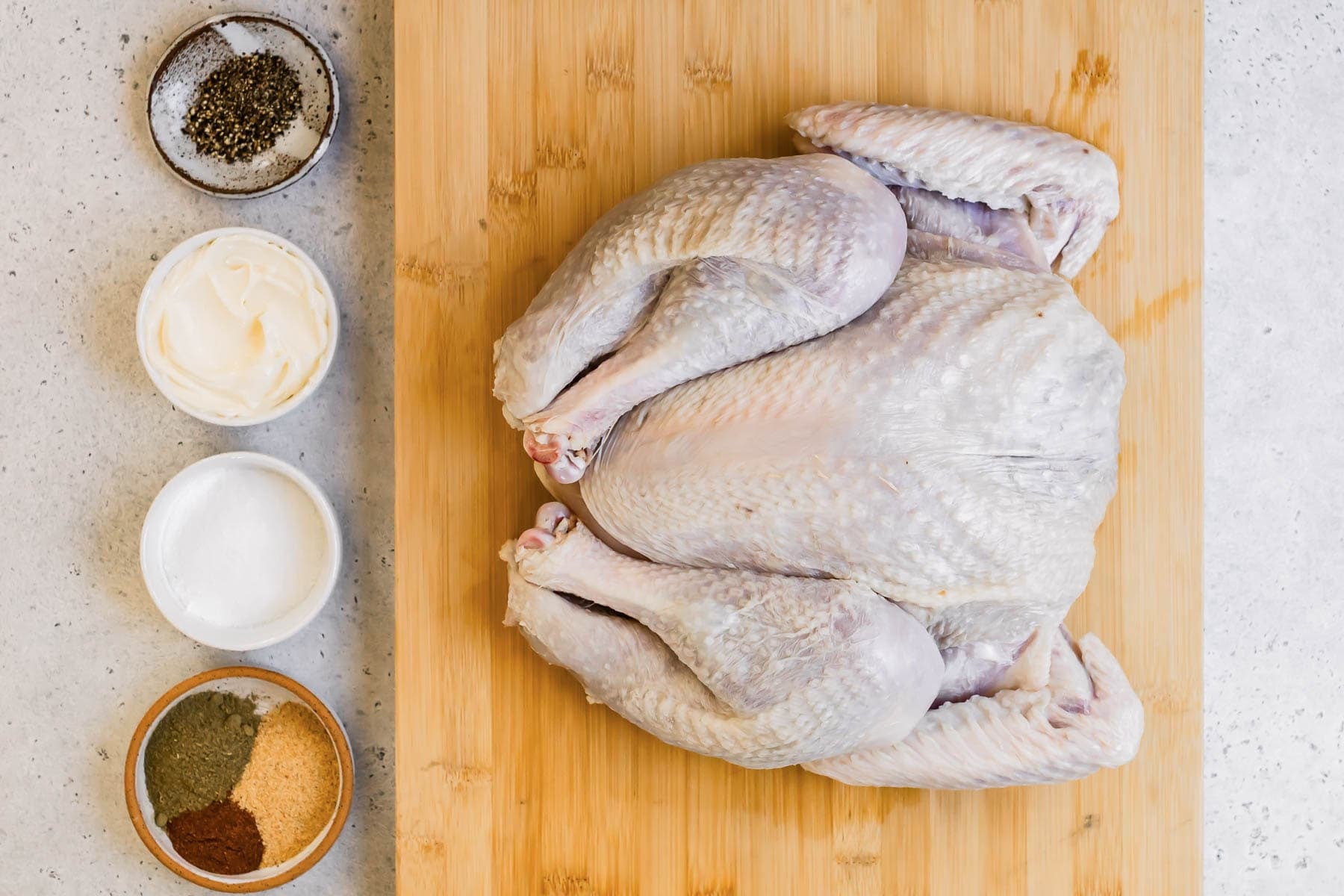
While active preparation and roasting for a spatchcock turkey take less than three hours total, advance logistics still play a role when working with frozen poultry. A whole frozen turkey requires several days to safely thaw inside a refrigerator before it can be spatchcocked and seasoned. Cooks should budget roughly 24 hours of fridge thawing for every four to five pounds of turkey weight prior to the day of cooking.
Preparing the turkey involves cutting down both sides of the backbone using heavy-duty poultry shears to remove the bone entirely, followed by flipping the bird skin-side up and pressing down firmly on the sternum until it cracks and flattens out completely. For cooks who prefer to skip raw meat butchery at home, local butchers can easily perform this backbone removal and flattening upon request.
Care must also be taken regarding salt selection and application. When working with pure, unseasoned turkeys, using full measures of coarse kosher salt like Diamond Crystal ensures proper seasoning. However, many commercially available turkeys come pre-treated, koshered, self-basted, or injected with salt-and-water solutions. When preparing a pre-treated bird, cooks should reduce or completely eliminate additional salt from the mayonnaise rub to prevent an overly salty end result. If working with birds substantially larger or smaller than 16 pounds, the mayonnaise coating should be scaled proportionally, with total cooking times adjusted based strictly on internal temperature readings rather than fixed clock times.
Nutritional Breakdown and Holiday Menu Integration
From a nutritional standpoint, the spatchcocked turkey offers a lean, high-protein main course suitable for a wide variety of dietary preferences. A standard 6-ounce serving of skinless roasted turkey breast provides 51.5 grams of high-quality protein alongside just 7 grams of total fat and 1.5 grams of saturated fat. Containing a low carbohydrate profile of 0.5 grams and providing 283 calories per serving, it stands out as an efficient, nutrient-dense center piece for a holiday meal.
The streamlined nature of this dish opens up valuable room on the holiday stove and in the oven, allowing hosts to balance their menus with rich, classic sides. The roasted turkey pairs seamlessly with classic sides such as creamy garlic mashed potatoes, rich cornbread sausage stuffing, and crisp roasted green beans cooked with caramelized onions.
Because spatchcocking yields meat that carves cleanly into uniform portions of white and dark meat, managing leftovers becomes exceptionally easy. Remaining meat can be sliced, stored in airtight containers in the refrigerator for up to four days, or frozen for longer storage, while the removed backbone can be reserved immediately to simmer into a rich, homemade turkey stock or gravy base.