
For a vast demographic of retirees, alcohol—particularly wine—has subtly woven itself into the very fabric of the retirement dream. After decades of navigating the rigorous demands of the workforce, raising children, and juggling the relentless responsibilities of daily life, adults are conditioned to believe they have rightfully earned the privilege of unwinding and indulging in small luxuries. However, this widely accepted cultural narrative masks a deeper, more challenging inquiry.
What if that pleasant, seemingly harmless evening glass of wine is actually acting as an invisible barrier, preventing retirees from truly experiencing the vibrant, fulfilling life they have worked decades to secure? It is an inquiry that rarely welcomes polite applause, particularly among those actively planning their exit from the workforce. For most people, a glass of wine at the end of the day represents one of life’s uncomplicated pleasures, a well-earned reward rather than a latent impediment.
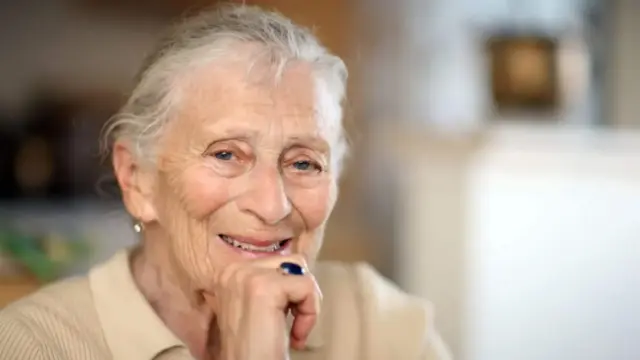
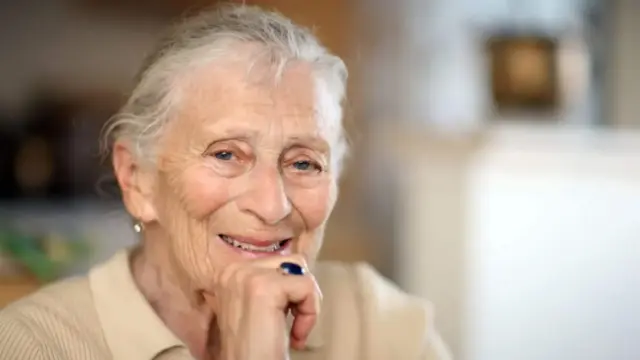
Yet, at the age of 63, after a multi-decade battle with consuming far more alcohol than her body could comfortably process, Janet made the definitive decision to stop drinking entirely. That personal choice fundamentally reconfigured her understanding of physical ageing, chemical dependency, and the true meaning of personal fulfillment. Now, at 75, she leads a daily existence that bears almost no resemblance to the quiet, wine-soaked retirement she once envisioned. Instead of sitting idly in a garden, she has founded an international sobriety community, launched an audio podcast, and authored her first published book. Reflecting on her journey, she has identified seven crucial realizations about alcohol consumption that she desperately wishes she had grasped before crossing the threshold of her sixties.
You Don’t Have to Hit Rock Bottom to Question Your Drinking
For many years, Janet successfully deflected her own internal concerns by measuring her habits against catastrophic stereotypes. She reassured herself that she could not possibly have a problematic relationship with alcohol because she maintained a successful career, a comfortable home, a stable marriage, and a robust social life. Society heavily promotes the misconception that individuals struggling with alcohol must experience a dramatic, life-altering crisis—a total loss of stability, employment, or relationships—before they possess a legitimate reason to reevaluate their intake.
In reality, many people who quietly grapple with alcohol dependency are highly functional, capable, and professionally accomplished individuals who harbor a private, persistent worry about their consumption patterns. They may never miss a single day of professional responsibility or create an uncomfortable scene at a social gathering. Nevertheless, they consistently find themselves pouring larger quantities than originally intended, making repetitive, unfulfilled promises to moderate their behavior. This silent internal dialogue is remarkably common. The fundamental truth remains that an individual does not need to lose everything, or reach a designated rock bottom, to recognize that alcohol is gradually taking more from their daily existence than it is contributing.
Alcohol and Ageing Simply Do Not Mix
One of the most insidious aspects of modern life is how readily human beings accept chronic fatigue, persistent anxiety, and a general decline in baseline health as an unavoidable consequence of chronological ageing. Janet remembers waking up on her sixtieth birthday feeling utterly exhausted following yet another restless, fragmented night of sleep, writing it off as the standard physical toll of growing older. In hindsight, however, alcohol was playing a far more aggressive role in her physiological and emotional equilibrium than she ever cared to admit. It was not merely her age eroding her vitality; it was her nightly wine habit.
As the human body matures, physiological changes heighten sensitivity to intoxicating substances. Older adults process alcohol significantly slower, and women frequently discover that natural hormonal fluctuations dramatically impact sleep architecture, mood regulation, and physical tolerance. While a glass of wine in the evening creates an initial sensation of sedation, alcohol consistently sabotages subsequent sleep cycles, degrading overall restorative quality. Poor sleep, in turn, exacerbates every other physical and emotional challenge of daily life. When Janet ultimately eliminated alcohol from her routine, she experienced a profound surge of energy that shattered her preconceived notions about the inevitable decline of ageing.
Wine Is Not the Reliable Stress Reliever It Appears to Be
For decades, wine served as Janet’s primary psychological reward for surviving a grueling workday. Arriving home, kicking off her footwear, and pouring a generous measure created an immediate, visceral sense of relaxation. However, this relief is neurochemically deceptive. Alcohol actively contributes to the very states of anxiety and internal tension it is ostensibly deployed to alleviate. Although it depresses the central nervous system temporarily, its subsequent metabolic processing triggers rebound anxiety as the brain attempts to regain chemical balance.
This creates a self-reinforcing loop: the individual feels anxious as the alcohol wears off, prompting them to consume another glass to find relief. Over decades, Janet had conditioned her psychological framework to associate virtually every emotional state with drinking. Happiness required celebration with a bottle; sadness necessitated consolation; stress demanded a reward. Learning to sit with and process raw human emotions without an immediate chemical buffer proved to be one of the most demanding yet rewarding transformations of her later years.
Willpower Is Insufficient Without a Strategic Plan
Before successfully achieving sobriety, Janet spent years attempting to moderate her intake through sheer force of will. She tracked units, established rigid personal rules, maintained detailed journals, and swore she would restrict consumption exclusively to weekends. Invariably, these artificial boundaries collapsed, leading right back to square one. For a long time, she internalised these failures as personal weakness of character.
What she eventually realized was that drinking was not an isolated habit, but a deeply embedded structural component of her daily routine. It dictated how she relaxed, socialized, celebrated milestones, and coped with distress. Dismantling that architecture required far more than fleeting determination; it demanded a comprehensive, structured plan. This realization led her to advocate for the creation of a personal "sober toolkit"—a collection of tactical responses to manage cravings and social pressures. A foundational element of this process involves articulating a clear, deeply personal rationale for change, focusing on tangible improvements like enhanced sleep, sustained energy, emotional clarity, and a genuine presence for loved ones. Medical experts consistently emphasize, however, that individuals experiencing severe physical dependence must seek professional clinical supervision before abruptly terminating alcohol intake, as sudden withdrawal can present significant health risks.
The Necessity of Understanding Community Connections
One of the most formidable psychological barriers to quitting alcohol is the pervasive fear of social isolation. The prospect of attending dinner parties, holiday gatherings, and family celebrations without a glass of wine often triggers acute anxiety about fitting in, maintaining friendships, or enduring tedious social interactions. In the initial phases of her sobriety, Janet did experience moments of profound isolation.
The turning point arrived when she began connecting with peers who were similarly evaluating their relationship with alcohol. Finding a space to discuss the nuances of sobriety without fear of social judgment provided immense relief. The shared exchange of struggles, successes, and practical coping mechanisms eventually catalyzed the creation of her international sobriety network, Tribe Sober. Witnessing hundreds of individuals navigate similar transformations reinforced the reality that changing deeply ingrained habits becomes exponentially more manageable when surrounded by a supportive community that shares lived experiences.
The Initial Adjustment Period Does Not Define the Future
Entering an alcohol-free existence frequently begins with a period of psychological discomfort. During her initial weeks without wine, Janet experienced a sense of loss—she missed the anticipated ritual of the evening pour and questioned whether she would ever genuinely enjoy social settings again. Her brain and nervous system required substantial time to recalibrate after decades of associating pleasure exclusively with a chemical substance.
Gradually, however, the physiological benefits materialized. Sleep deepened, baseline energy rebounded, and enthusiasm for non-alcohol-related pursuits returned. This gradual trajectory is why advocates of sobriety encourage individuals to conceptualize a ninety-day break not as a punitive restriction, but as an exploratory window to discover how the body and mind operate in their natural state. While the initial weeks present genuine hurdles, they are merely an adaptation phase, not a permanent preview of an alcohol-free future.
Redefining the Parameters of Retirement
Ultimately, the most profound revelation of Janet’s journey was the total reinvention of her retirement years. The quiet afternoon in the garden with a book and a glass of wine was replaced by an active, purposeful schedule centered around global community building, podcasting, and authorship. Sobriety unlocked vast reserves of time and mental bandwidth that had previously been consumed by planning, purchasing, consuming, and recovering from alcohol.
By eliminating the constant logistical management of drinking, individuals suddenly find themselves with the capacity to pursue long-ignored ambitions, travel, artistic hobbies, or meaningful community service. The central message of Janet’s narrative is not a moral condemnation of moderate drinking, but an invitation to critically examine a cultural assumption. By questioning whether alcohol is an irreplaceable pillar of a happy retirement, individuals open the door to experiencing their later years with heightened health, clarity, and unencumbered personal choice.