
Addressing these concerns through public discourse, financial commentators and long-term retirees are increasingly examining whether current market anxieties are genuinely distinct or merely a modern iteration of historical panic. Reflecting on decades of market fluctuations, financial educators emphasize that public apprehension is rarely about objective economic reality. Instead, it stems from a deeply ingrained human tendency to project fear onto whatever technological or geopolitical shift dominates the daily news cycle.

Will the AI Bubble Ruin Our Retirement?
When investors with decades of retirement experience look back at past cycles, the contrast between contemporary worries and retrospective reality becomes stark. A common question directed at long-term retirees is how they manage to sleep at night amid a barrage of global threats—ranging from aggressive geopolitical leaders and surging inflation to the looming artificial intelligence bubble, soaring national debt, and international conflicts.

Yet, looking back two decades to 2006, the landscape of anxiety was remarkably similar, albeit centered on different flashpoints. During the mid-2000s, markets worried over a different set of geopolitical figures, wars in the Middle East, escalating national debt, and rampant inflation. Back then, the primary overvaluation fear in the housing market was driven by real estate rather than artificial intelligence, while job security anxieties focused on outsourcing to India and China rather than automated algorithms. Global energy markets were consumed by the debate over peak oil, a scarcity crisis that was ultimately upended by subsequent supply innovations.

Despite the severe realization of those fears during the Great Financial Crisis—the deepest market crash since the Great Depression—the long-term trajectory of a diversified investment portfolio reveals a different story. Broad market indexes absorbed massive shocks, including the 2008 financial collapse and the pandemic-driven volatility of 2020, yet still generated substantial long-term growth for patient investors. Simultaneously, broader societal metrics improved significantly over the same twenty-year period, marked by a sharp decline in extreme poverty, a halving of infant mortality, and the rapid rise of clean energy technologies like plummeting solar panel costs and expanding electric vehicle adoption.

This historical resilience highlights a fundamental economic truth: true economic prosperity does not originate from the artificial constructs of the financial system or stock market tickers, which ultimately represent numerical abstractions on computer screens. Instead, sustainable prosperity is driven by productivity.

Prosperity, Productivity, and the Human Factor
Economic history demonstrates that capitalism is inherently volatile, characterized by frequent market corrections and shifting sentiment. Beneath these cyclical waves, however, human productivity continues to advance through tangible labor, innovation, and problem-solving. When financial systems experience severe disruptions, the underlying infrastructure of human capability and technological tools remains intact. Standard of living, economic growth, and the viability of retirement planning are fundamentally tethered to productivity gains rather than daily market fluctuations.

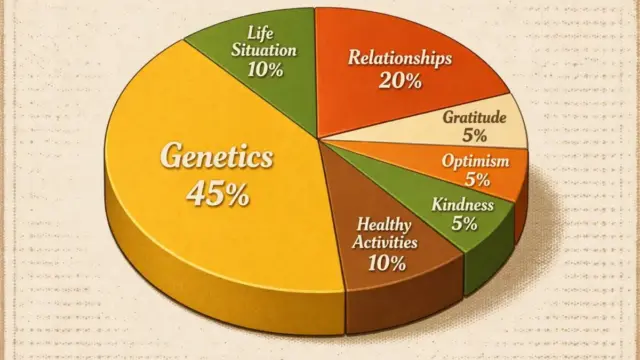
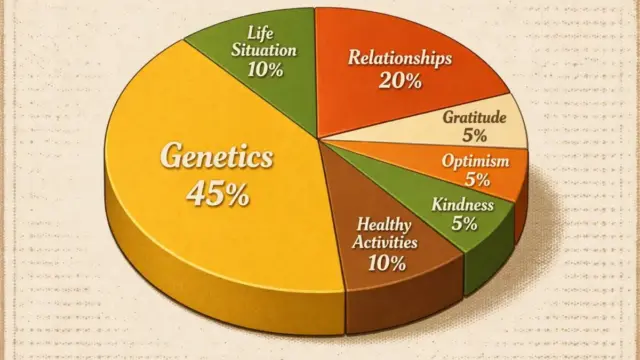
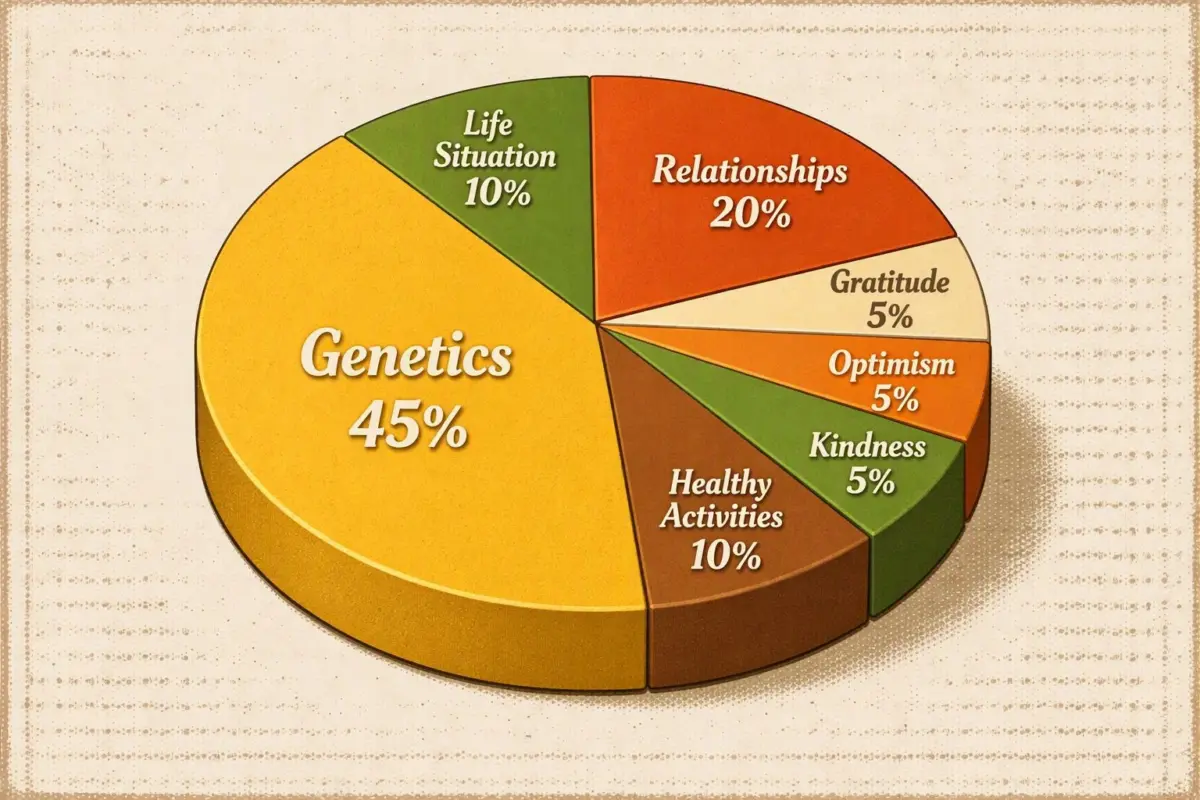
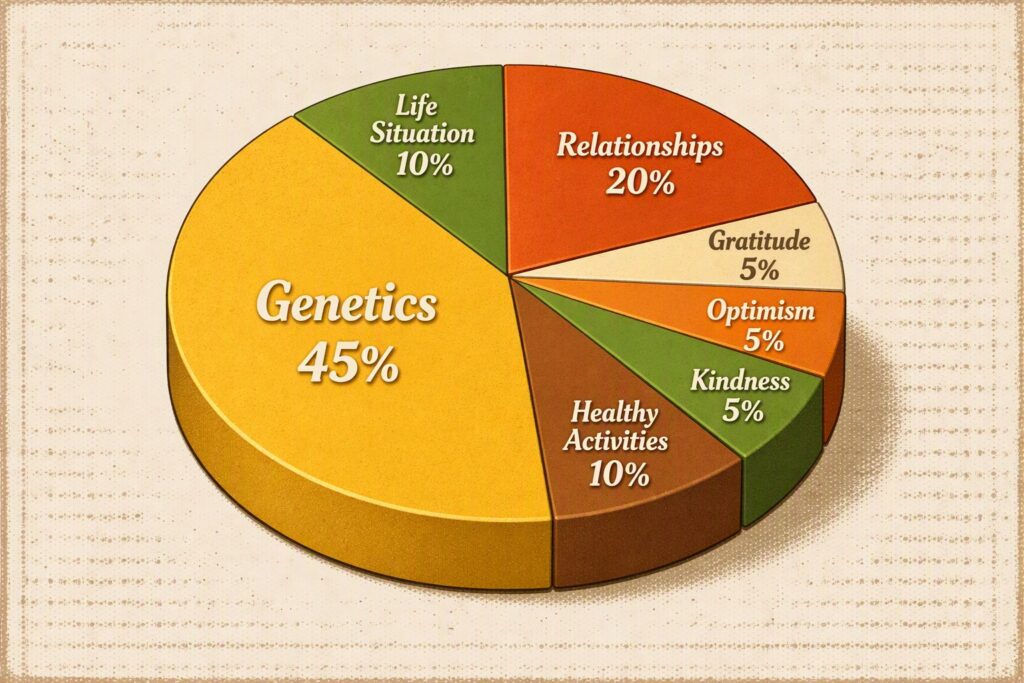
Furthermore, once a society achieves a high baseline standard of living, additional wealth accumulation yields diminishing returns regarding overall human happiness. Modern psychological frameworks suggest that day-to-day life satisfaction is largely influenced by non-financial factors, including personal health, strong interpersonal relationships, community engagement, and a philosophy grounded in optimism and gratitude. Consequently, financial wealth functions as only a minor component of an individual’s overall life satisfaction.

Despite these reassuring historical realities, persistent background anxiety remains prevalent among investors. This phenomenon is largely rooted in human evolutionary biology. As a species, humans evolved as danger-detection machines equipped with a survival mechanism designed to identify and respond to threats. When immediate physical dangers such as predators, famine, and disease are mitigated by modern civilization, this psychological machinery does not switch off; instead, it relocates its focus to abstract worries, ranging from economic scarcity and social ostracization to portfolio volatility and tax optimization.
Confronting Fear and Framing Change as an Experiment
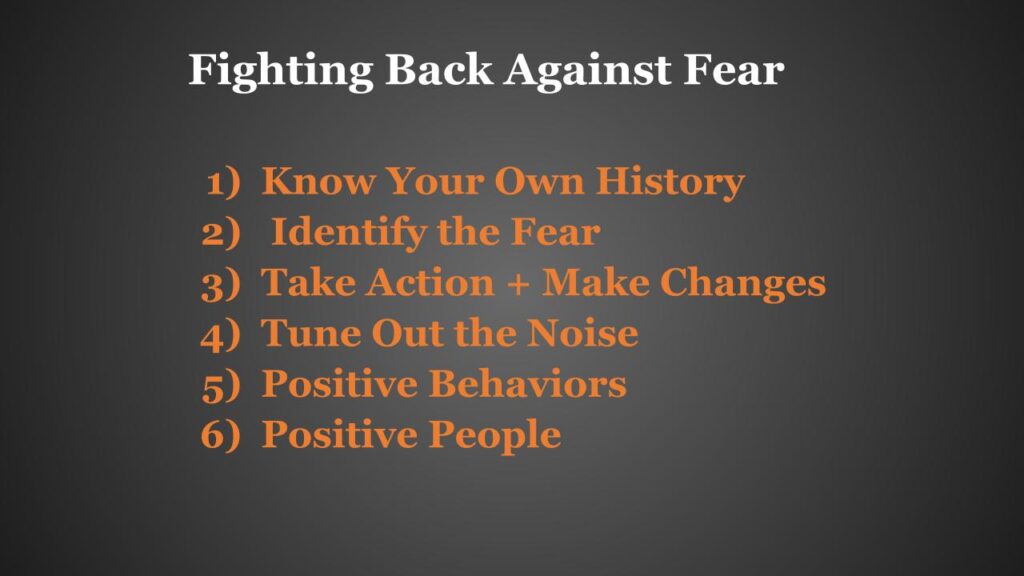
Overcoming pervasive financial anxiety requires conscious self-awareness and an understanding of personal history. Fear of financial scarcity is often inherited from familial experiences shaped by past economic depressions or personal trauma, rather than an objective assessment of current financial security. Financial analysts note that identifying the root causes of these fears and walking through realistic worst-case scenarios can demystify abstract anxieties. Taking proactive steps—such as curating one’s media consumption, reducing exposure to fear-driven news cycles, and engaging in constructive physical and mental activities—helps replace abstract dread with tangible resilience.

This principle of active engagement extends directly to the current technological revolution. Rather than viewing artificial intelligence through a lens of pure catastrophe, observers suggest framing technological shifts as grand experiments. Throughout history, major innovations have functioned as productivity multipliers. Much like the adoption of mechanical tools in construction or the widespread integration of the internet and mobile computing, artificial intelligence acts as a cognitive accelerator, enhancing efficiency across various industries.
While these productivity shifts inevitably displace certain traditional administrative and operational roles, they simultaneously reduce the costs of essential goods and services while spawning entirely new economic sectors. Historically, the economic rewards of these transitions have concentrated among capital owners and shareholders, contributing to broader portfolio appreciation for long-term investors.

Ultimately, navigating the uncertainties of the modern economy requires distinguishing between legitimate structural risks and manufactured media panic. By grounding financial strategies in historical perspective, focusing on sustained productivity, and treating change as an ongoing experiment, investors can manage uncertainty without succumbing to the paralyzing grip of fear.