The reader’s commentary captured a widespread sentiment among aspiring savers who feel locked out of the traditional paths to wealth accumulation. According to the critique, much of the prevailing financial independence advice relies on outdated assumptions, specifically that practitioners worked in technology decades ago, commanded six-figure salaries, and acquired real estate at a fraction of today’s costs. The reader pointed out that common strategies like "house hacking" or purchasing fixer-uppers have become increasingly complex and out of reach due to current market prices, high interest rates, and restrictive local zoning laws that prohibit accessory dwelling units or multi-unit conversions.

Rather than dismissing the critique, financial commentators have examined whether foundational Mustachian principles are genuinely growing obsolete or if the pushback stems from long-standing economic friction and shifting market dynamics. Observers note that throughout the history of the FIRE movement, economic skeptics have repeatedly declared the strategy obsolete during various market downturns and housing bubbles.
When analyzing current economic conditions, the debate typically narrows down to two primary pillars: tech-sector compensation levels and dramatic spikes in housing costs over the past four years. While high salaries remain a distinct advantage for those in specific sectors, the core philosophy has always maintained that income alone does not guarantee financial security. High earners across various industries frequently experience financial stress simply because spending scales directly with earnings. Without intentional restraint, it remains mathematically possible to generate substantial income over decades while accumulating very little net worth.
Consequently, the core focus of modern financial independence strategies centers on streamlining consumption, eliminating waste, and aligning spending with personal values rather than chasing status symbols. These efficiency skills are essential across all income brackets, becoming even more critical for individuals entering the workforce on the lower rungs of the economic ladder.
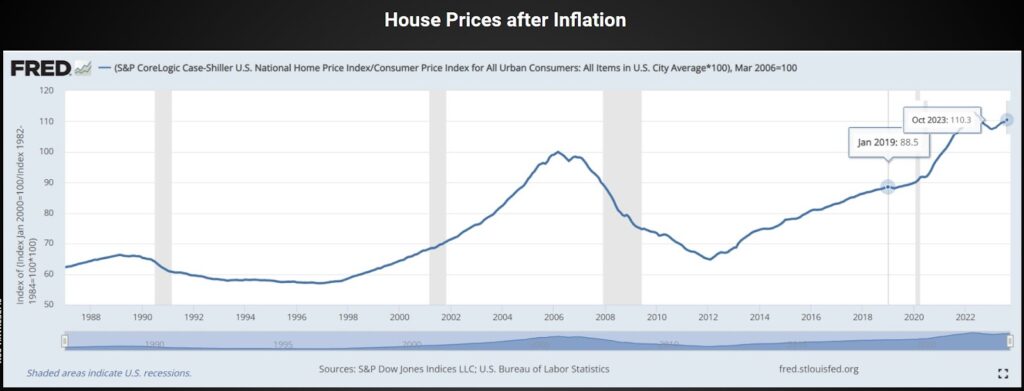
The more pressing concern for contemporary savers involves housing affordability. Comprehensive economic data from federal resources indicates that inflation-adjusted home prices have risen roughly twenty-five percent relative to average salaries and general consumer goods since the beginning of 2019. However, when viewed through a broader historical lens, current real estate valuations are only about ten percent higher than their previous peak in early 2006, spanning an eighteen-year timeline. While this increase presents a significant hurdle for prospective buyers, economic analysts argue it is not an insurmountable barrier to achieving financial independence.
At the local level, however, regional disparities tell a much more dramatic story. Popular mid-sized markets and high-demand metro areas have experienced exponential growth, far outpacing national averages. In places like Longmont, Colorado, median home prices have tripled since the early 2010s, pushing conventional homeownership far out of reach for average local earners.
To navigate these pressurized markets, financial strategists advocate for a shift away from a victim mindset toward proactive decision-making. Real estate functions like any other manufactured commodity governed by supply and demand. Proponents of geographic arbitrage argue that being born or raised in a specific municipality does not guarantee lifelong affordability in that exact location. Just as regional proximity to major corporate headquarters does not entitle residents to luxury consumer goods, living in a high-cost area requires deliberate choices regarding renting, buying, or relocating.
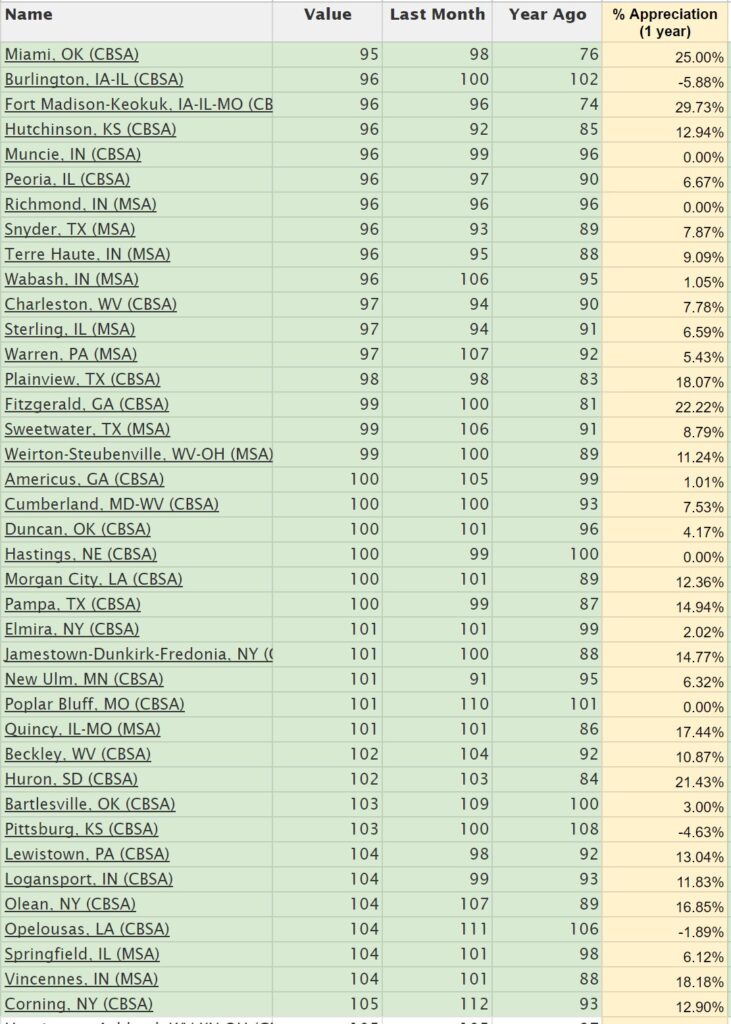
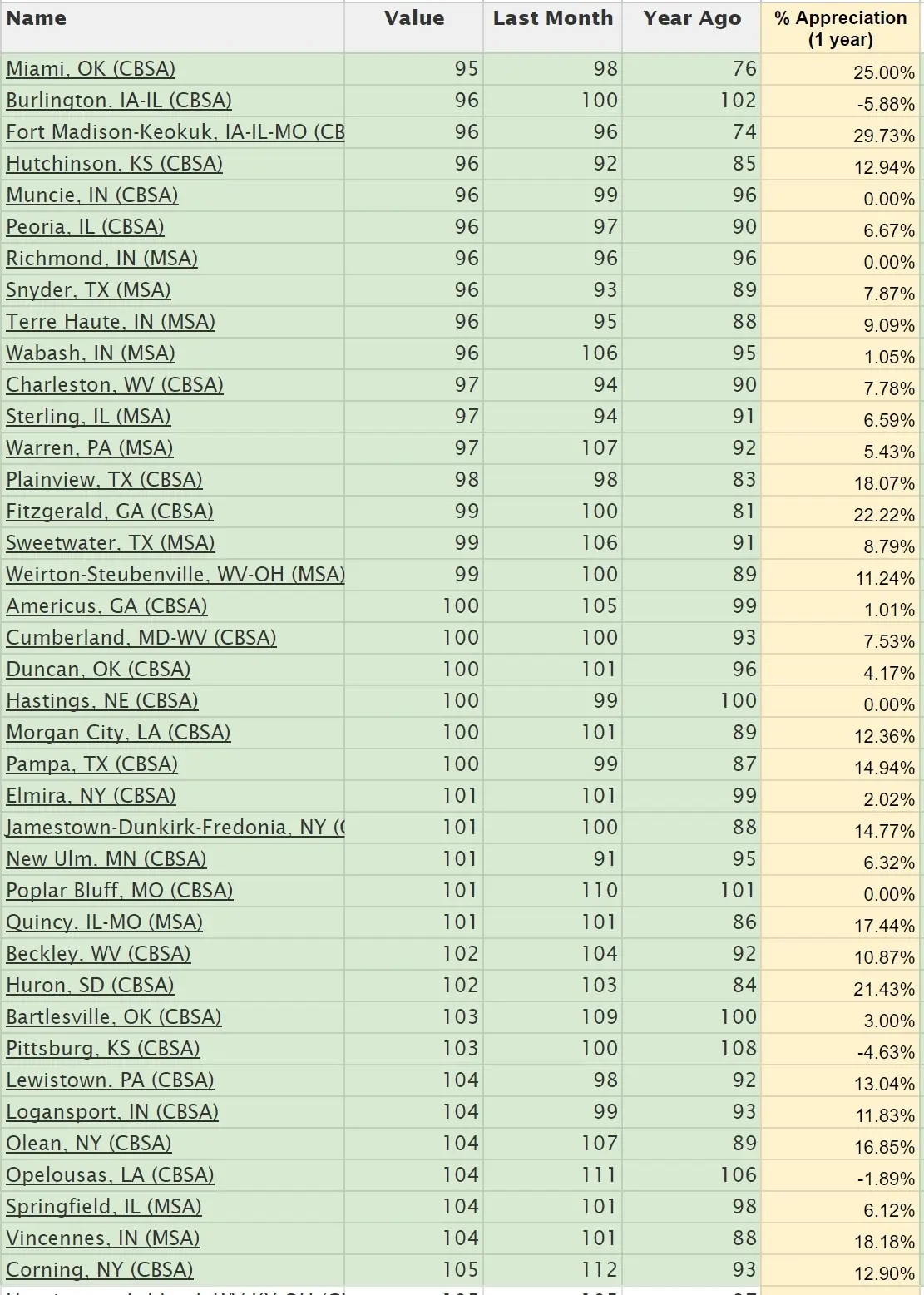
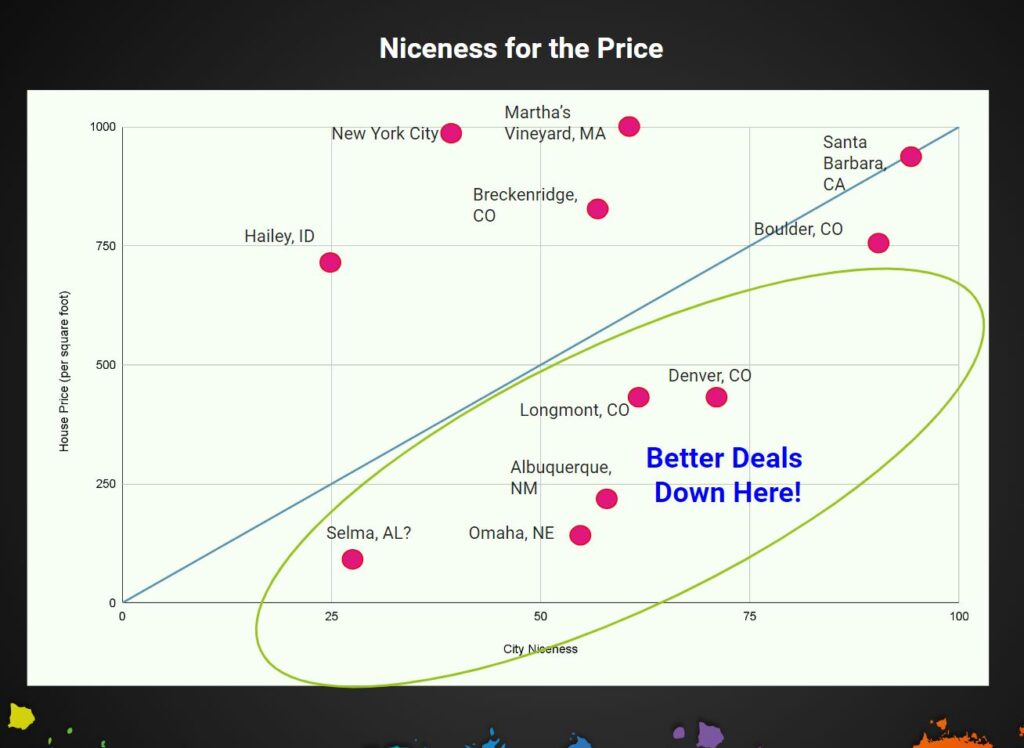
Rather than accepting high local prices as an unchangeable fate, individuals are encouraged to evaluate housing options across a broader geographic spectrum. Nationally compiled data on metropolitan price-per-square-foot metrics reveals striking imbalances across the United States. While high-amenity coastal cities and popular mountain towns command exorbitant prices, numerous mid-sized metropolitan areas offer high quality of life, favorable climates, and robust community infrastructure at a fraction of the cost.
This regional variance opens the door for strategic relocation. By looking beyond high-priced enclaves, savers can identify metropolitan areas where housing costs align more reasonably with median incomes. Online evaluation tools and economic datasets allow prospective movers to filter cities based on specific lifestyle preferences, climate requirements, and financial constraints, identifying overlooked regions that offer strong community appeal without the financial strain of major coastal hubs.
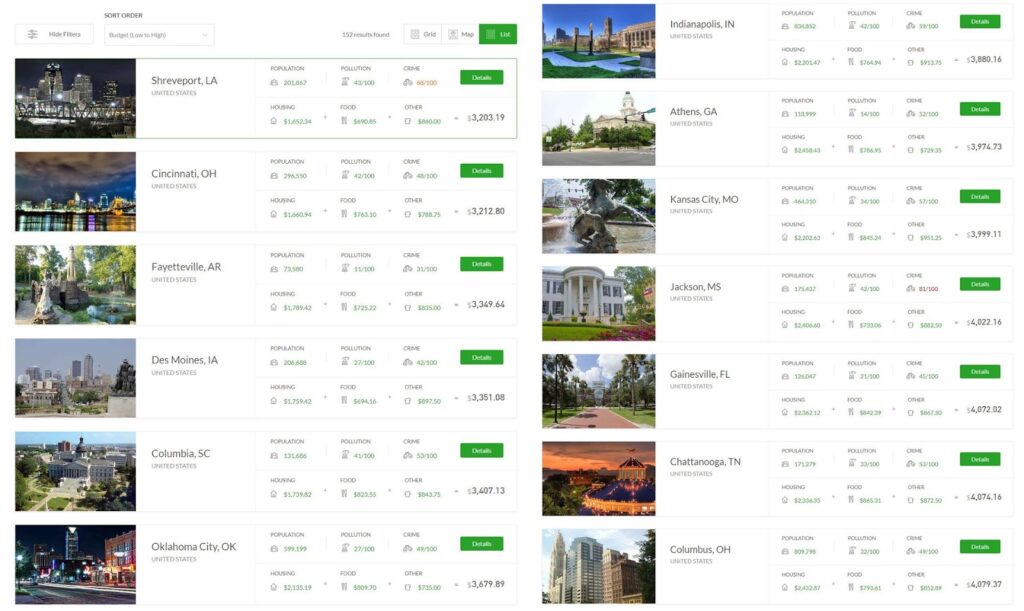
For the more adventurous, expanding the search internationally introduces entirely new horizons for cost-of-living reduction. Platforms dedicated to global relocation allow prospective expatriates to evaluate regions across North and South America based on detailed budgetary parameters, climate preferences, and municipal populations. While moving across international borders involves navigating unfamiliar administrative processes, citizenship requirements, and local regulations, financial independence advocates suggest that these logistical hurdles are entirely manageable steps rather than permanent roadblocks.
Ultimately, navigating the post-pandemic economic landscape requires recognizing that physical environment—comprising community, access to nature, and cultural amenities—plays a foundational role in long-lived happiness, while the cost of living represents only one variable in the equation. By approaching housing and location as active choices rather than fixed circumstances, individuals can utilize modern economic tools to optimize their living situations, reduce unnecessary expenses, and accelerate their journey toward financial independence.