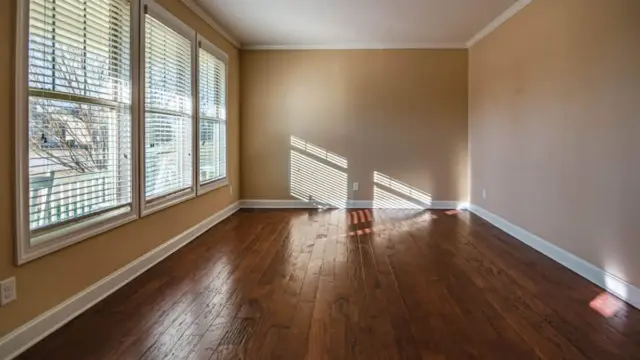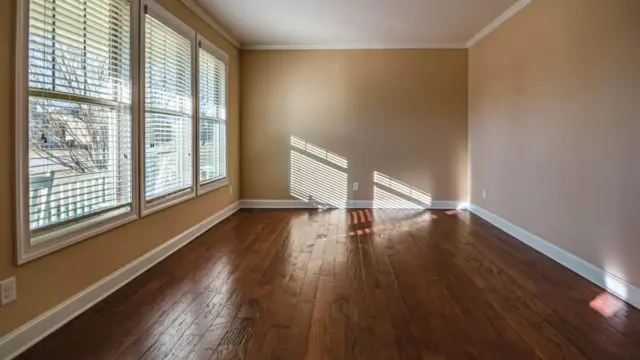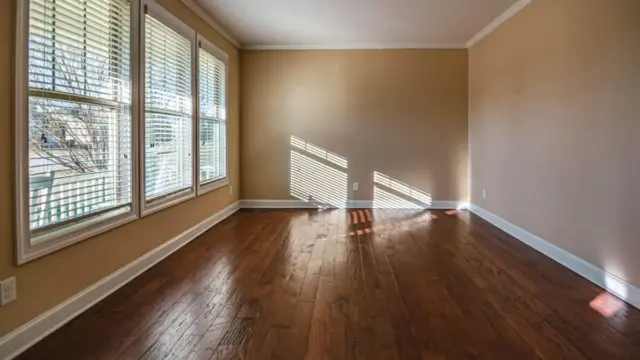
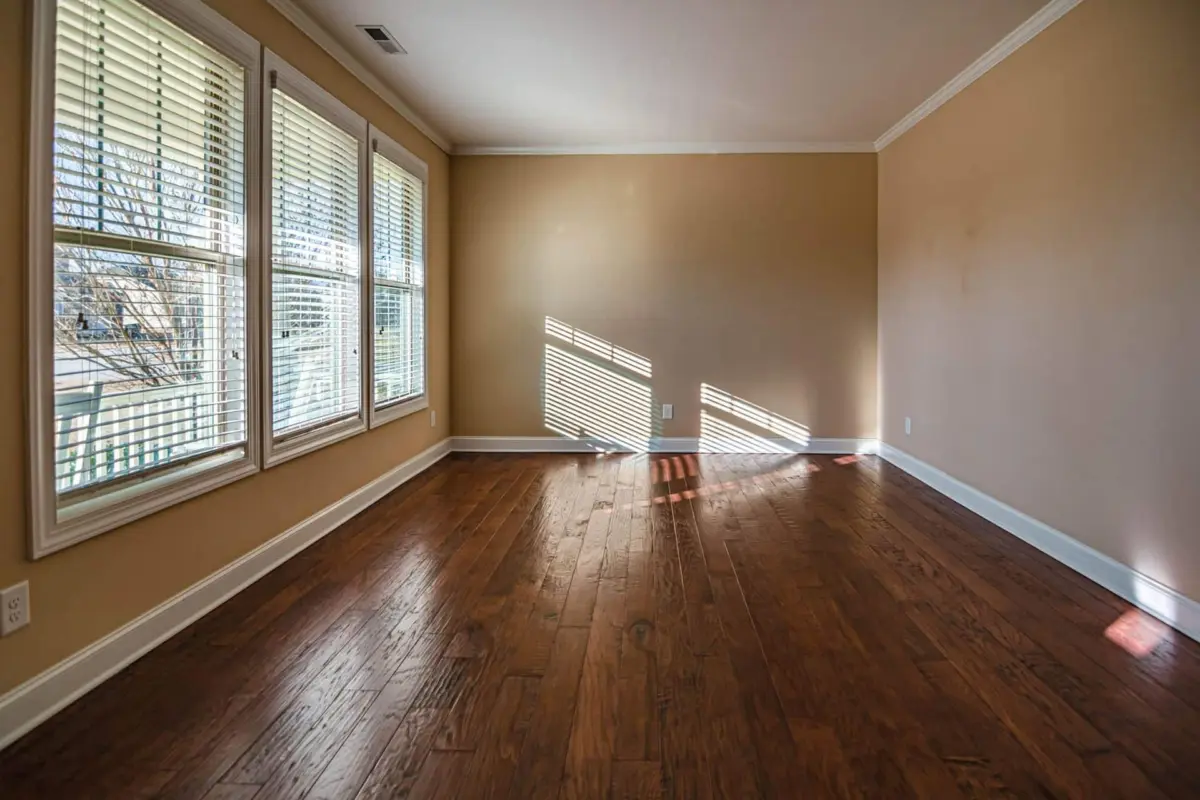
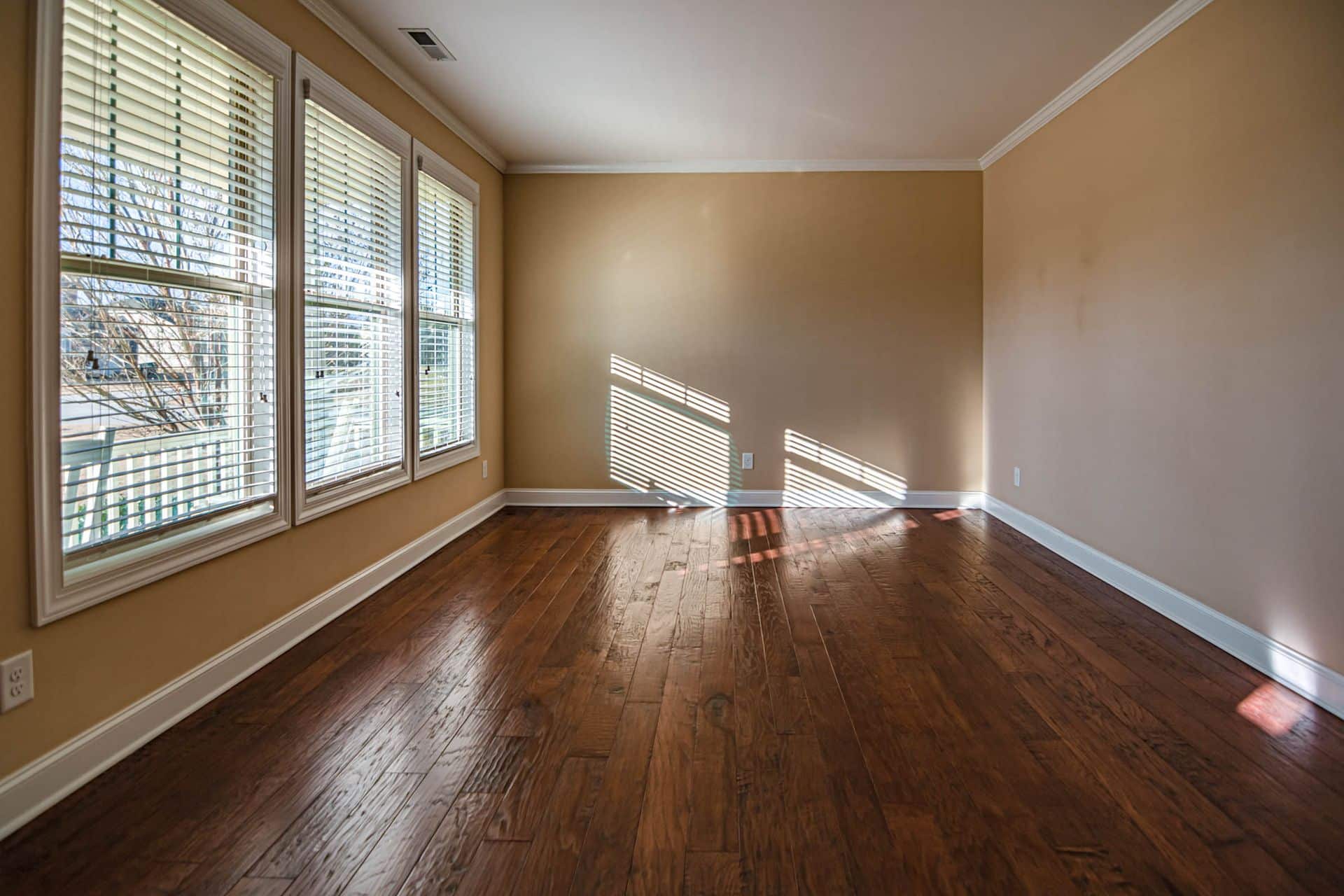
Rather than uprooting her entire life immediately, Mia chose to run a controlled, real-world experiment. By temporarily moving away from home, she hoped to confirm whether her living environment was indeed the hidden culprit behind her symptoms. Upon arriving at her destination, she settled into a sparsely furnished, basic apartment designed to make the transition as simple as possible. With only a minimal stock of furniture provided by the rental, she integrated her modest belongings into the sparse rooms.
This unexpected immersion in a minimalist environment offered an unintended masterclass in the psychology of clutter, consumption, and space. Living in a spare, unadorned space taught her valuable lessons about how human beings interact with their physical surroundings—insights that mirrored what she had previously observed while analyzing the psychological toll of living in a cluttered environment. Over the first few weeks of her temporary relocation, several distinct themes emerged regarding how physical items occupy both room and mental bandwidth.
Use It Up
Part of the typical furnished apartment experience involves inheriting hotel-sized portions of everyday products. Although Mia had brought her own toiletries and cleaning supplies, these extra items remained in the cupboards. In the past, she admits, she might have fallen prey to a classic hoarding mentality—the inclination to save tiny, inferior items for some hypothetical future scenario where miniature goods might prove useful.
This time, however, she adopted a radically different approach: she simply used them up. Because these products represented the lowest tier of quality, holding onto them offered no tangible enrichment to her daily life. She felt no excitement at the prospect of using them later. By systematically using them up first and immediately discarding the empty containers, she cleared physical and mental real estate. The experience transformed her into a stauncher proponent of intentional decluttering through consumption than she had ever been before.
Functional Decor
As a self-described homebody, Mia found the transition away from her familiar surroundings and belongings to be a strange psychological adjustment. To combat the sterility of the bare-bones apartment, she purposefully displayed the few sentimental items she had brought along. Rather than folding away her colorful throw blanket into a storage bin, she draped it casually over the couch. Instead of stacking her books tightly on a bedside table, she propped them up throughout the living space.
Any object that carried a sense of warmth and familiarity earned a spot in plain view rather than being tucked away in a drawer. While such a strategy might easily cross the line into visual clutter in a heavily furnished home, within a sparse environment it successfully infused the rooms with a welcoming atmosphere. Styling a space with items that serve a functional purpose allows them to perform double duty, making a temporary residence feel like a true home without generating useless mess.
The Value of Purposeful Objects
The challenge of adapting to a minimalist environment also highlighted the importance of intentional utility, perfectly encapsulated by a gift she received from a visiting friend for her birthday. Mia struggles with sensory sensitivities, particularly a severe aversion to the sound of clinking silverware, which often induces nausea. On her very first day in the apartment, she had resorted to saving plastic cutlery from takeout orders simply to avoid utilizing the metal utensils provided with the rental.
The gift from her friend—a perfectly proportioned wooden spoon—offered an immediate solution. Not only did it evoke fond memories of her friend every time she looked at it, but it also addressed her sensory needs directly. Between the wooden spoon and a pair of simple chopsticks, her culinary needs were entirely met, rendering the rest of the apartment’s utensil drawer completely obsolete. The experience reinforced the principle that owning a single item designed to serve its purpose flawlessly yields far more value than maintaining a drawer full of mediocre alternatives.
The Unexpected Benefits of Solitude
Beyond physical belongings, the relocation drastically altered Mia’s daily routine, most notably by shrinking her social calendar. While she has a few acquaintances nearby, her local social network cannot compare to the vibrant community she left behind. Initially, this lack of social engagement felt like a significant drawback, given how deeply she values her friendships. However, the unexpected side effect proved to be remarkably energizing.
Recognizing her own psychological makeup, Mia noted that she thrives on alone time, even though she frequently fights against it out of a constant desire to remain close to loved ones. Navigating this human contradiction within a simplified living environment yielded profound productivity. With her schedule freed from social obligations and her modest living space requiring minimal maintenance, daily life became remarkably streamlined.
Morning gym visits transformed into effortless habits. The apartment remained consistently spotless, and she found herself dedicating significantly more time to preparing healthy meals. Furthermore, she made substantial headway on her professional commitments—including the management of a business she acquired a few months prior, a venture that had previously required her to step back from public blogging. Having both spare time and mental clarity finally provided the bandwidth necessary to document her experiences.
While she intends to reintroduce social activities and hobbies into her routine now that she is fully settled—such as hosting game nights with friends back home and resuming fight training—she acknowledged that the period of extended solitude has been profoundly restorative and productive.
The Speed of Accumulation
Despite the intentional minimalism of her temporary lifestyle, Mia observed how rapidly physical possessions tend to multiply. Just three weeks into her stay, she could already sense the subtle, impending threat of domestic clutter. Following her birthday, new gifts brought genuine joy but immediately began occupying physical space, exemplified by a small trampoline sitting directly beside her as she typed.
Even driving to the location with virtually nothing resulted in the rapid accumulation of a kitchen cabinet filled with saved plastic containers meant for food storage. This phenomenon highlighted a broader trend within consumer culture, particularly in the United States, where the natural flow of items is relentlessly directed into the home. Without establishing an equally deliberate flow of items back out, domestic spaces inevitably become overwhelmed. To counteract this tendency, she quickly re-engaged her established decluttering routines, relying on passive organization strategies that successfully prevent clutter from gaining a foothold.
Assessing the Results of the Experiment
As for the core question driving her cross-country move, the experiment has thus far yielded encouraging results. The noticeable improvement in her health marks the first genuine progress she has experienced in years, offering a hopeful indication that her suspicions regarding her primary residence were well-founded.
At the same time, the reality of the situation remains complex, given that the apparent solution requires living far away from her permanent home. Navigating these complicated logistics is a challenge she intends to address utilizing the mental space afforded by her current lifestyle. As she continues her temporary relocation, she plans to maintain her writing schedule and prepare for upcoming community initiatives, such as a planned holiday decluttering challenge, signaling a steady return to her regular routines from afar.