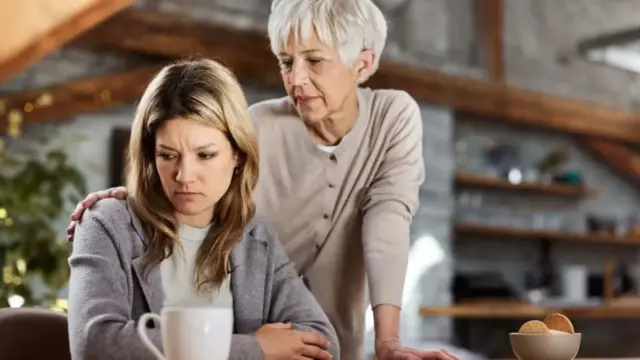
Despite its importance, this subject frequently remains obscured by cultural silences, making it difficult to discuss openly. Natural physiological shifts within the body, the profound grief accompanying the loss of a long-term partner, or years spent consumed by demanding caregiving responsibilities can leave individuals wondering where intimacy fits into this new chapter of their lives.
Health advocates emphasize that there is ample room to explore these complex questions entirely at one’s own pace, guided by personal curiosity and a deep respect for individual needs rather than societal expectations.
Define Intimacy for Yourself
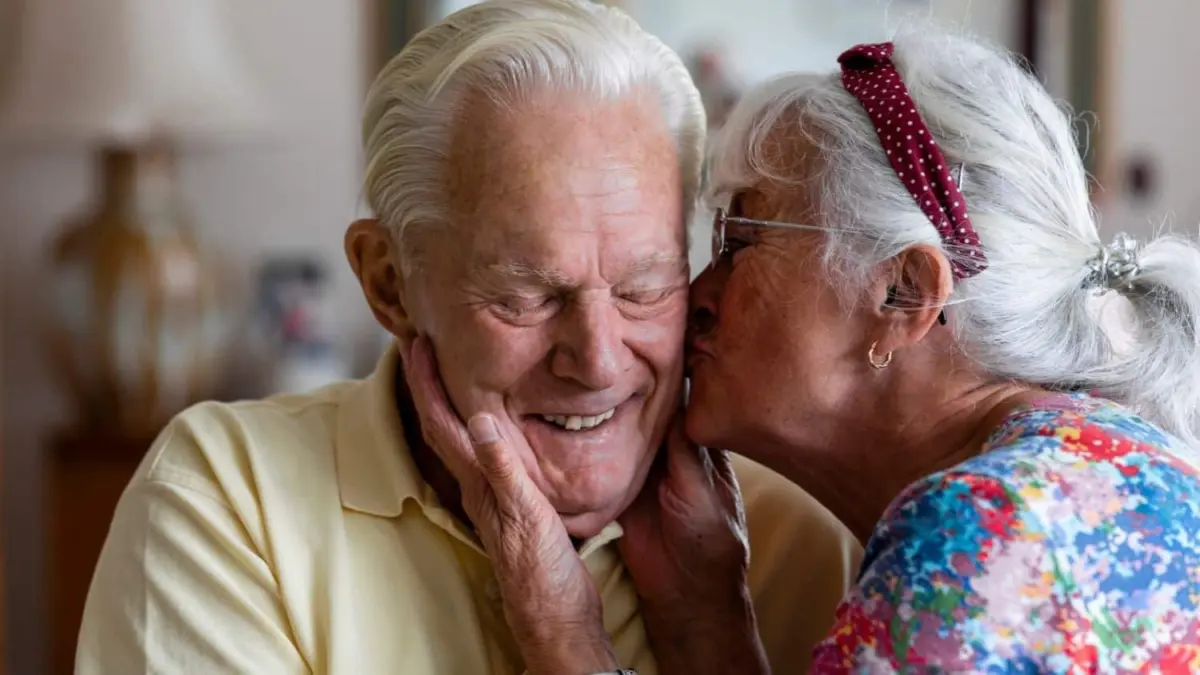
Intimacy manifests in wonderfully diverse ways that extend far beyond traditional definitions. For some, it can mean holding hands, sharing a tender kiss, engaging in deep and private conversation, or simply enjoying the comfort of affectionate touch. Meanwhile, sexual expression may encompass intercourse, self-pleasure, or other intimate experiences that an individual finds comfortable, meaningful, and emotionally satisfying.
The National Institute on Aging consistently encourages older adults to recognize that sexuality and intimacy can take many different forms as we age, stressing that there is no single pattern or timeline that anyone must follow.
For those who share their lives with a partner, navigating these changing dynamics often begins with open communication. Expressing personal desires doesn’t have to be complicated; a simple, honest statement such as expressing a wish for more quiet time spent in close physical proximity can successfully open a useful and validating conversation. Experts advise partners to listen actively to one another, making conscious space for preferences and boundaries that may have evolved over the years.
Let Comfort Guide You
Physical changes are an inevitable part of the aging process, and the years following menopause bring distinct biological shifts. Lower estrogen levels can lead to vaginal dryness and noticeable reductions in tissue elasticity. Because these physiological symptoms can render sexual activity uncomfortable or even painful, medical professionals stress that they deserve direct attention rather than silent endurance.
According to guidance from The Menopause Society, specialized lubricants are highly effective at reducing friction during sexual activity, while vaginal moisturizers can be applied regularly to help manage ongoing, baseline dryness. Individuals are generally advised to seek water-based or silicone-based lubricants and to select products carefully to avoid skin irritation.
When persistent pain, unexplained bleeding, or troublesome dryness occurs, it should always prompt a direct conversation with a qualified healthcare professional. Depending on an individual’s unique medical history, targeted treatments such as low-dose vaginal estrogen may be appropriate and beneficial. Medical authorities caution that self-stimulation alone should not be relied upon as a standalone treatment for menopause-related tissue changes.
Furthermore, adapting to these physical realities involves giving the body adequate time for arousal, experimenting with alternative positions that protect sensitive or sore joints, and maintaining the boundary of stopping immediately if something hurts. For those entering relationships with a new partner, health discussions must also include the use of condoms and routine testing for sexually transmitted infections, as menopause does not eliminate that health risk.
Include Pleasure Without a Partner
Being single does not close the door on sexual expression or personal fulfillment. Masturbation is increasingly recognized by medical bodies as a comfortable, private, and healthy way to discover what feels good as the physical body continues to change. The American College of Obstetricians and Gynecologists explicitly includes masturbation among the valid options for exploring sexual pleasure later in life.
Individuals can utilize gentle touch and appropriate lubrication to enhance comfort. Those who choose to incorporate a vibrator are advised to follow manufacturer cleaning instructions meticulously and to utilize settings that feel entirely comfortable and safe. Medical experts note that physical penetration is entirely optional; experiencing sexual pleasure does not require it.
Imagination and fantasy can also remain a rich part of the personal experience. Experts reassure older adults that they do not need to judge themselves for enjoying private fantasies. Conversely, individuals are equally free to decline sexual activity entirely if it holds no personal interest for them, emphasizing that personal boundaries and preferences always deserve absolute respect.
Understand the Connection with Healthy Aging
Contemporary research offers compelling reasons to take sexuality seriously as an integrated part of overall health and well-being. A notable 2019 study examining older adults in England found that both regular sexual activity and emotional closeness during sexual activity were strongly associated with a greater enjoyment of life.
At the same time, researchers urge caution when interpreting these findings, noting that a statistical association does not definitively establish that sexual activity directly causes better health or adds years to a person’s life. It is entirely plausible that inherently healthier individuals simply find it easier to remain sexually active as they age, and the overall quality of a relationship plays a profound role. Therefore, experts warn against overstated claims or promises suggesting that sex or masturbation can single-handedly prevent cognitive decline, strengthen the immune system, or guarantee biological longevity.
Nevertheless, a satisfying intimate life retains immense value in its own right. Feeling emotionally connected, experiencing physical pleasure, and retaining the ability to openly discuss personal needs remain worthwhile and enriching components of daily living.
Take One Comfortable Step
For individuals who desire a more active intimate life, experts suggest starting with small, manageable steps. This might involve arranging uninterrupted, quality time with a partner, consulting a clinician about lingering physical discomfort, or simply spending a quiet moment exploring what feels pleasant and reassuring to one’s own body.
If an individual notices that their personal desire has shifted in a way that causes distress, medical professionals recommend evaluating whether underlying factors—such as new medications, underlying illnesses, chronic stress, or unresolved relationship concerns—might be contributing to the change. At the same time, foundational health practices, including regular physical movement, adequate sleep, and maintaining supportive social relationships, remain essential.
Ultimately, healthy aging leaves ample room for affection and sexuality, treating them as personal choices rather than strict obligations. The overarching aim remains simple: cultivating a life that feels genuinely comfortable, respected, and fulfilling to the individual.
As conversations surrounding aging continue to evolve, many older adults are finding new ways to voice their needs. Has your understanding of intimacy changed after 60, and what helps you feel comfortable discussing your preferences?