
To cut through this fog of confusion, experts are increasingly emphasizing the need for a structured framework to navigate physical training during midlife. As women transition through this life stage, physiological shifts—chiefly driven by the fluctuation and eventual decline of estrogen—begin to impact vital aspects of health, including muscle mass, cardiovascular performance, bone mineral density, metabolic recovery, insulin resistance, and overall body composition.
Fortunately, extensive research indicates that these biological changes are not insurmountable. They can be actively managed and mitigated through targeted, structured interventions involving strength, endurance, and impact training. Delving into the specifics of these disciplines reveals the precise components required to support long-term health and vitality.
Strength Training
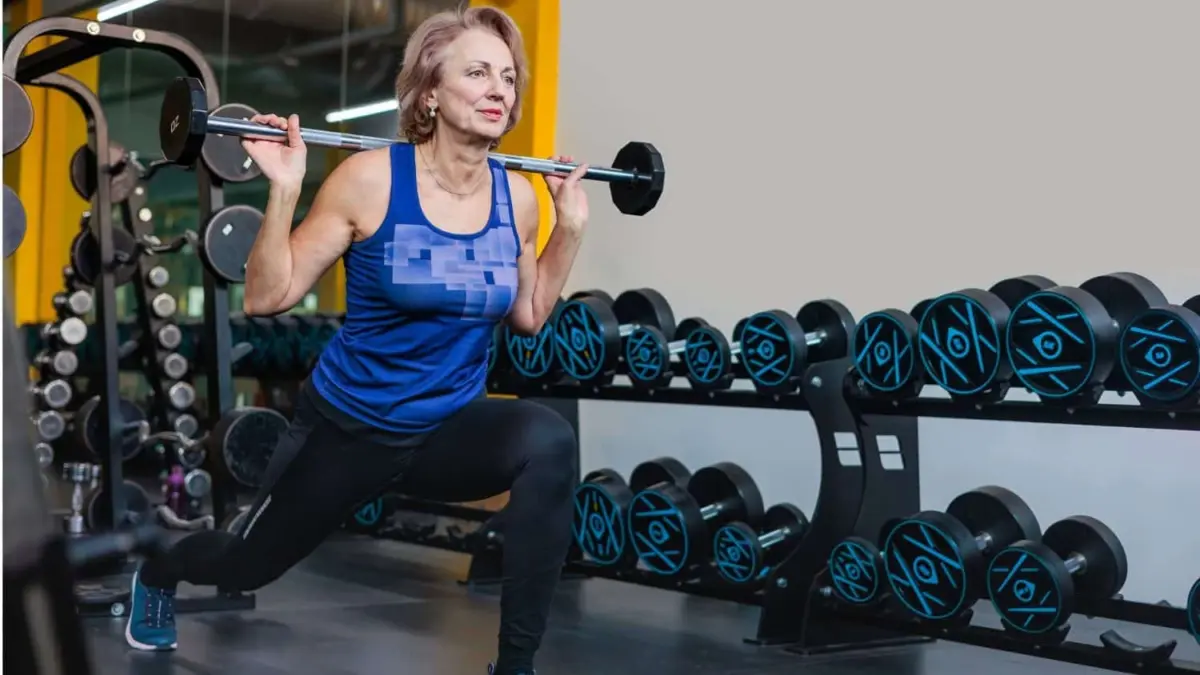
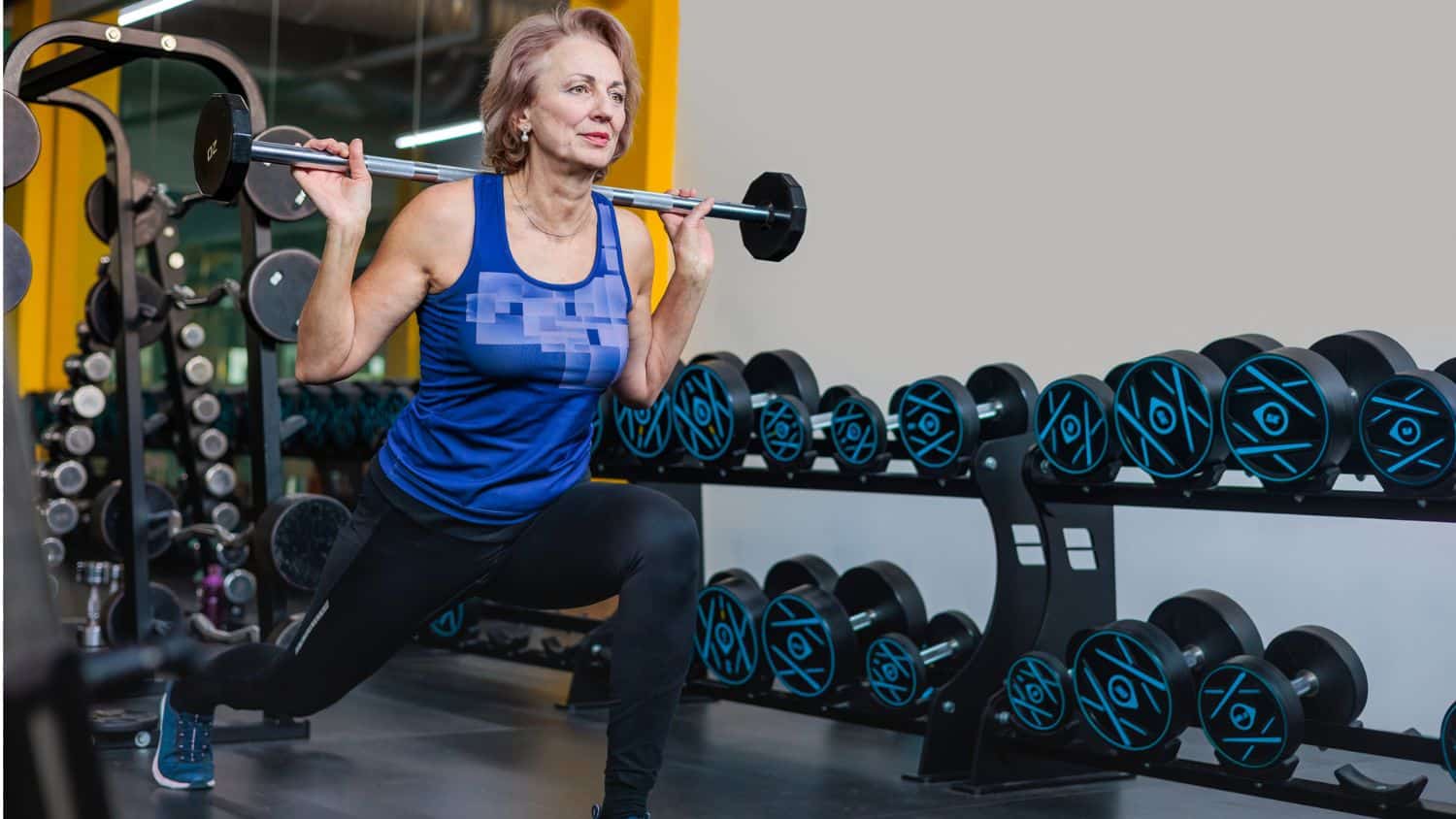
Strength training has emerged as a non-essential-sounding concept that is, in reality, entirely non-negotiable for protecting and building muscle mass during midlife. The physiological preservation of muscle tissue requires a deliberate approach, most commonly achieved through a routine of three strength training sessions per week. These sessions should be anchored by the fundamental principle of progressive overload, which involves gradually increasing repetitions, adjusting sets, utilizing heavier loads, or modifying the tempo of movements as strength improves.
A balanced weekly schedule typically divides these sessions into two upper-body workouts and one lower-body workout. The upper-body days can be effectively split into routines focusing on the chest, triceps, and shoulders, followed by a separate session dedicated to the back and biceps. Lower-body days concentrate on major muscle groups in the legs, while core work is consistently integrated into every single session.
Crucially, engaging in effective strength training does not necessitate a commercial gym membership. These routines can be executed successfully at home utilizing basic equipment such as dumbbells and resistance bands. For women aiming specifically to stimulate muscle growth—a process scientifically termed hypertrophy training—the selection of weight is critical. The chosen load must be heavy enough to render the final repetitions of a set challenging, typically aiming for a range where a movement can be performed eight to twelve times, with the tenth repetition feeling remarkably difficult. If a set feels excessively manageable, it serves as an indicator that the weight should be increased.
While alternative training protocols exist—such as those utilizing fewer repetitions with heavier weights to build raw strength, or higher repetitions with lighter weights to enhance muscular endurance—hypertrophy training remains the most straightforward and recommended protocol for individuals establishing a new routine. Fundamental movement patterns form the backbone of these sessions, including hinge patterns such as deadlifts and kettlebell swings, alongside squats, rows, and presses.
Endurance Training
Cardiovascular exercise represents another area where considerable confusion persists regarding proper structure and implementation. Common misguidance often leads women to extremes, such as abandoning cardio entirely, limiting workouts solely to high-intensity sprint intervals, or relying exclusively on incline walking. In reality, cardiovascular health requires a nuanced approach designed to manage cortisol levels while simultaneously expanding overall cardiovascular capacity.
Statistics from health organizations underscore the urgency of this domain, noting that cardiovascular disease claims the lives of more women than all forms of cancer combined. Consequently, endurance training is just as imperative for midlife women as strength training. Alongside grip strength, VO2 max serves as a primary indicator of longevity and can be effectively enhanced through interval training, including high-intensity interval training or sprint interval training. However, experts caution that without a solid baseline of foundational endurance, the body cannot safely or efficiently handle high-intensity intervals. This foundational capacity is built primarily through Zone 2 training.
The recommended protocol for cardiovascular development involves three endurance training sessions per week. This structure typically comprises two sessions of Zone 2 training, maintained at a conversational pace for approximately thirty-five to forty-five minutes, complemented by a single interval training session of equivalent total duration, which incorporates necessary warm-up and cool-down periods.
Impact Training
While progressive strength training has long been recognized for its capacity to improve bone density, impact training serves a complementary and equally vital role. Impact exercises send direct mechanical signals to the bones, prompting them to adapt by increasing their mineral density. This physiological mechanism has recently brought the discussion surrounding weighted vests into sharp focus within fitness communities.
Recent clinical research and randomized trials have clarified that weighted vests utilized in isolation do not consistently produce a measurable increase in bone mineral density. Historically, studies demonstrating bone-building benefits from weighted vests also incorporated dynamic impact movements, such as jumping. Therefore, achieving true skeletal adaptation requires actual impact training, which can be introduced initially through brisk walking, running, heel drops, and controlled jumping.
For women in midlife, particularly those over the age of sixty or those entirely new to impact exercises, a cautious and progressive approach is advised. Starting slowly with movements like heel drops—where an individual rises onto their toes and gently drops back down onto their heels—alongside brisk walking allows the skeletal system to adapt safely before advancing to jumping movements once the foundational exercises feel comfortable.
As conversations surrounding women’s health in midlife continue to evolve, establishing clarity around these three core pillars of fitness provides a reliable path forward. By understanding the distinct roles of strength, endurance, and impact training, women are better equipped to navigate their health journeys with confidence, supported by evidence-based practices tailored to their physiological needs.