
For many, these logistical anxieties are handled through institutional planning or reliance on extended family. However, a growing number of older adults are discovering that the most resilient safety net may be forged much closer to home, through intentional community and mutual aid.
A Lucky Friendship with Two Other Women
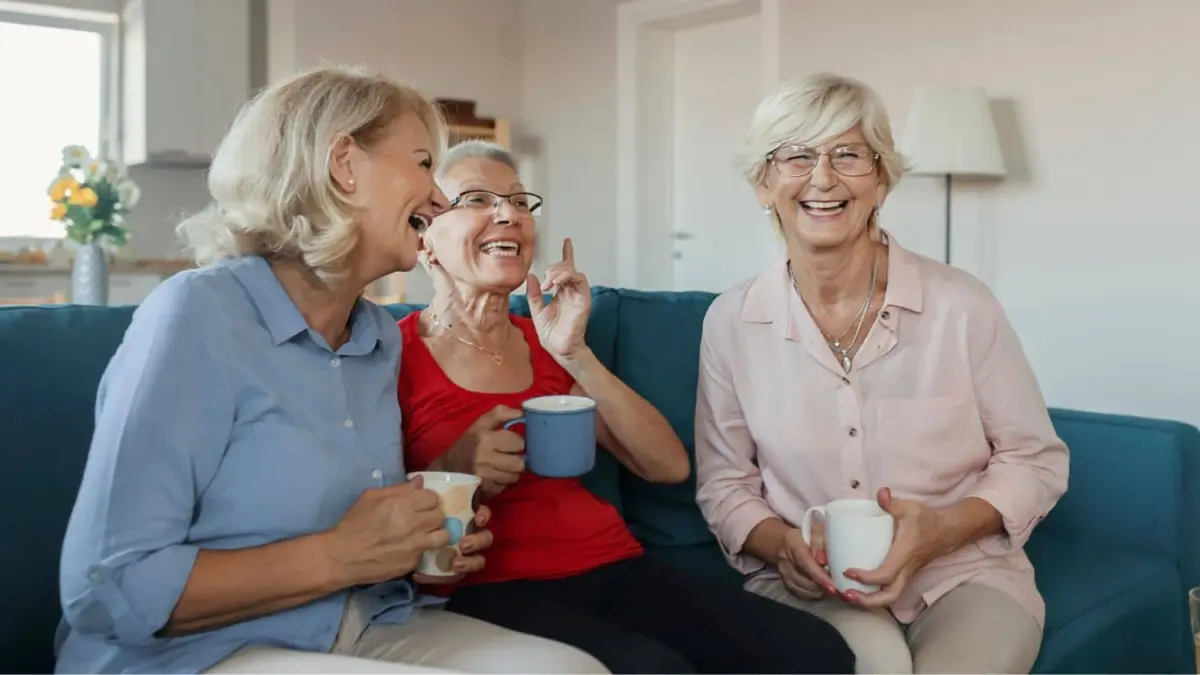
In a newly restored colonial building nestled in the historic heart of Cuenca, Ecuador, three women in their seventies found themselves occupying the same architectural footprint by sheer coincidence. Blake, a widow with a grown child, rents her unit. Emma, who is divorced and lives alone, owns her apartment, as does the author, a perennial single woman who has long valued her autonomy.
None of the three moved into the property with the explicit intention of finding partners for aging in place. They simply discovered a mutual affinity. Described as "thinking friends," their bond was built on substantive and deep conversations. They offer advice only when asked, practice the art of active listening by letting each other talk, and celebrate one another’s successes while showing up reliably when life introduces unexpected challenges.
What began casually soon evolved. Initial gatherings for drinks eventually gave way to regular dinners. Over time, their dialogue grew infinitely more interesting, profound, and personal. Somewhere along the trajectory of their acquaintance, an unlikely friendship transformed into something much more substantial.
Without formal planning or institutional coordination, the trio began constructing a localized support system. It transcended mere companionship over food and drink, evolving into a critical framework of mutual vigilance. Initially, they instituted a routine of checking in every morning and every evening, striving to alleviate feelings of isolation and ensure baseline safety. That rigid schedule proved short-lived. Realizing they were far from isolated, entirely secure, and far too busy living their lives to maintain obligatory twice-daily check-ins, they relaxed the protocol.
Instead, they established a pragmatic three-day rule. If three days pass without communication from a member, a check is automatically triggered. A quick text message or a note in their shared group chat instantly resolves any lingering concern. Help is readily provided if needed, and each woman derives immense comfort from knowing that someone else is paying attention and willing to take action.
We’ve Come a Long Way from Our Early Beginnings
As the bonds between the three women deepened, their informal arrangement evolved into a structured emergency protocol. Each woman holds a spare key to the others’ apartments, supplemented by hidden backup keys stashed in undisclosed locations known only to the trio. Furthermore, they established a dedicated emergency group on their cell phones, incorporating the three friends alongside several other trusted individuals living nearby.
Should an unforeseen crisis occur rendering one of them unable to speak, no complicated explanations are required. A simple, repeated tapping of the designated emergency line on their smartphones signals immediate distress. Everyone in the network understands the signal: someone requires urgent help, and whoever receives the alert first notifies the rest of the group. It is an uncomplicated setup easily replicated on any modern smartphone.
Practical preparation extended to documentation as well. Each woman compiled comprehensive emergency contact sheets and secured them in discreet yet accessible locations, such as behind a kitchen cabinet door or a pantry entry. These laminated references contain vital information, ranging from three local ambulance services and the closest, highest-quality hospitals to direct emergency numbers for 911 and the local police. Also included are primary care physicians, medical proxies, legal counsel, and individuals holding Power of Attorney.
In more private areas of their homes, they maintain a secondary, need-to-know directory detailing important personal figures from their pasts. This ensures that their new friends can seamlessly connect with lifelong friends and estranged or distant family members should a major crisis arise.
Looking further ahead, the trio has even discussed establishing a collective fund. By contributing modest amounts into an interest-bearing account, they hope to secure future care options. Should the day arrive when in-house assistance becomes necessary, they envision renting one of the short-term vacation apartments within their building to house a full-time or part-time nurse and caregiver dedicated to supporting all three women. While they believe other residents in the building might share an interest in the concept, the logistics remain under discussion as their collective vision continues to expand.
Nothing Like an Unexpected Call to Action
Theory and preparation were soon tested by reality, providing a vivid demonstration of how deeply embedded their community had become in their daily lives.
The owner of the apartment Blake rented decided to place the property on the market, suddenly threatening to displace Blake from the building and dissolve the physical proximity that made their support system work.
The crisis was averted through an extraordinary act of solidarity. Emma, who had recently sold an investment property, elected to purchase Blake’s apartment. The acquisition guaranteed that the trio would remain intact and that Blake would always have a secure home among her peers. For the author, the news brought an overwhelming wave of emotion and tears of relief.
While Emma’s gesture was undeniably generous, it served as a concrete manifestation of the philosophy the three women had quietly adopted. It underscored their shared commitment to aging in place, assisting one another whenever possible, planning collaboratively for future vulnerabilities, and remaining steadfast friends through the end of life.
For three women who spent the majority of their lives fiercely guarding their independence, the realization that self-reliance does not require isolation has brought profound comfort. Far from wanting to surrender control over their destinies, they are actively preserving their autonomy—proving that living life on one’s own terms is entirely compatible with accepting a little help from friends.