To help consumers navigate the intricacies of these ubiquitous hot tools, top professional hairstylists and cosmetic chemists have shared critical insights regarding proper hair preparation, heat management, and ongoing maintenance. According to industry experts, even the most advanced and expensive hot tool on the market cannot yield a glorious blowout without a meticulous foundation of prep work.
New York City-based hairstylist Takisha Sturdivant-Drew emphasizes that users must always begin their styling routine with clean, thoroughly detangled, and damp hair treated with a quality leave-in conditioner. When applying the hot tool, Sturdivant-Drew advises starting at the roots and systematically working down to the ends, taking care not to subject the hair to excessive heat or tension. Even though many contemporary blow-dryer brushes boast technologies designed to minimize thermal stress, experts universally recommend incorporating a dedicated heat protectant spray—or a leave-in treatment featuring protective properties—to safeguard both the longevity of the style and the underlying health of the hair fibers.
Customizing technique according to individual hair texture is another vital component of achieving optimal results. For those with naturally straight or wavy hair, building volume is remarkably straightforward. Sturdivant-Drew suggests twisting the dryer in a continuous circular motion as you move through the sections to amplify fullness. Conversely, individuals with curly or coily hair who prefer a sleek, straightened aesthetic must employ a slightly different strategy. She recommends pairing the blow-dryer brush with a secondary smoothing brush held right underneath, or alternatively, following up with a flatiron or brushing out the strands while the heat setting is turned off entirely to eliminate kinks and achieve a polished finish.
Minimizing the inherent risks associated with thermal styling requires careful attention to device settings. Modern blow-dryer brushes typically feature multiple temperature options, allowing users to moderate the thermal output according to their specific hair type and tolerance. Because different textures react uniquely to heat, stylists advise newcomers to closely monitor how their hair responds during initial uses to determine the safest and most effective temperature setting.
Cosmetic chemist Ginger King explains the science behind thermal defense, noting that protective products play a crucial role in mitigating structural harm. According to King, applying a heat protectant formulated with ingredients such as meadowfoam seed oil, light polymers, or silicones creates a microscopic coating over the hair shaft, effectively buffering it against direct thermal stress. Nevertheless, both chemists and stylists agree that the most foolproof method for preventing heat damage is simply avoiding the overuse of styling tools altogether.
When weighing styling options, many consumers wonder whether hair-dryer brushes genuinely surpass traditional dryers in convenience. Professional stylists and frequent shoppers alike consistently vouch for the superior user-friendliness of hybrid brushes, particularly for beginners. Stylist Baker notes that blow-dry brushes enable users to accomplish an impressive home blowout without needing professional training, cutting styling time down by roughly half compared to the traditional two-handed method.
Furthermore, these tools offer a significant ergonomic advantage for individuals experiencing hand or arm pain, weakness, or limited mobility. Because hair-dryer brushes are substantially easier to maneuver and hold, users are far less likely to experience muscular fatigue or require secondary styling sessions with traditional flatirons or curling irons. However, experts issue an important cautionary note regarding moisture levels: users should allow their hair to air-dry to approximately 70 percent, or administer a quick rough-dry with a standard blow-dryer, before employing a styling brush. Applying a heated styling brush to soaking-wet hair invites unnecessary breakage and inhibits the creation of a smooth, frizz-free finish.
Maintaining the operational efficiency and longevity of a hair-dryer brush requires consistent cleaning routines, though exact methods can vary based on the specific design of the barrel, bristles, and housing. Devin Toth, a New York City-based hairstylist, stresses the importance of weekly maintenance, noting that users should regularly clear accumulated dust from the device’s air filter if the model is equipped with one. To clear loose hairs trapped within the bristles, Toth recommends utilizing a traditional styling comb or a dedicated boar-bristle brush cleaner.
Tackling stubborn product residue—such as lingering hairspray, smoothing creams, or pomades—requires a gentle touch. Los Angeles hairstylist Cherin Choi suggests wiping down the bristles with a damp cloth, or applying a small amount of rubbing alcohol to dissolve persistent, sticky buildup that fails to dislodge through wiping alone.
Industry professionals emphasize that routine cleaning is far from a mere cosmetic chore; it is a critical requirement for maintaining peak performance. Atlanta-based hairstylist Tukia Allen warns that unaddressed product and hair accumulation can severely impair a tool’s functionality, preventing it from operating at full capacity. Nashville hairstylist Brian O’Connor echoes this sentiment, adding that a hot tool encumbered by buildup can distribute heat unevenly across the hair shaft, creating localized hot spots that heighten the risk of thermal damage and localized breakage.
To ensure that editorial recommendations remain reliable and comprehensive, beauty publications utilize rigorous testing methodologies tailored specifically to the nuances of hair care. While certain cosmetics and skincare items can be evaluated universally, hair products and tools are frequently designed to address targeted concerns—such as dandruff, brittleness, or specific curl patterns ranging from loose waves to tight 4C coils. A specialized product like purple shampoo, for instance, requires evaluation across appropriate hair colors to yield meaningful conclusions.
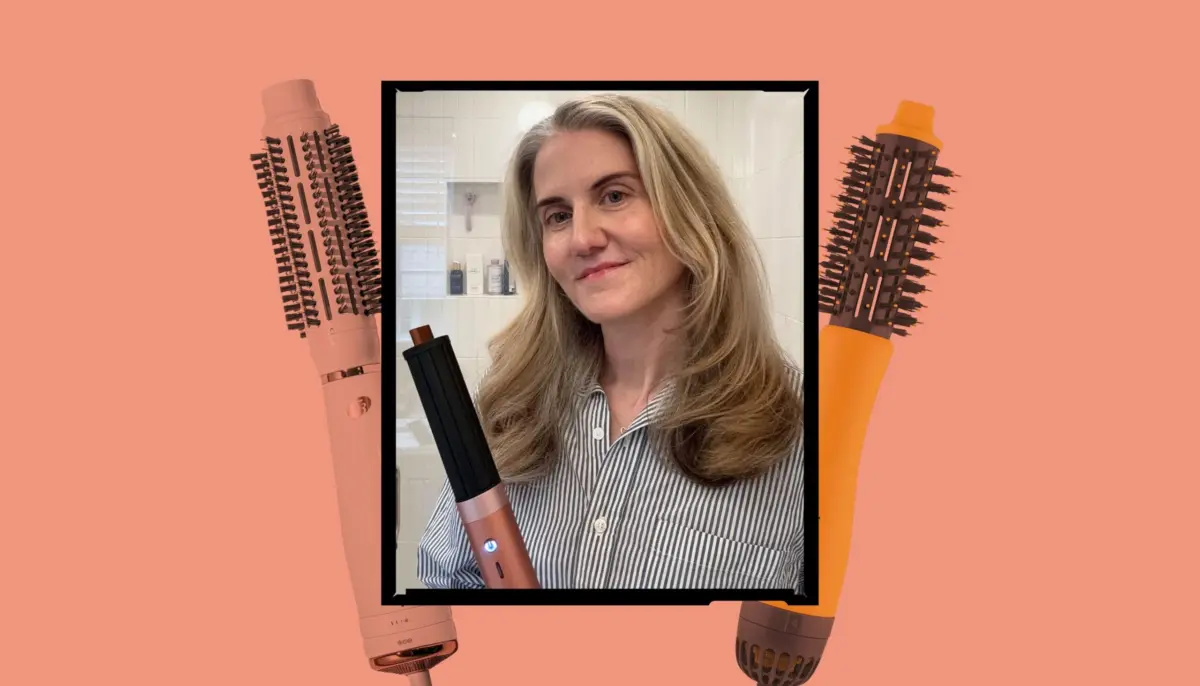
In recent evaluations of the market’s top blow-dryer brushes, testing panels comprised of editors, writers, contributors, and professional stylists assessed various models across four primary criteria: efficacy, versatility, ease of use, and overall value. By incorporating diverse perspectives spanning various ages, skin tones, hair textures, and personal backgrounds, editorial teams strive to deliver transparent, thoroughly vetted recommendations designed to serve a wide spectrum of beauty consumers.