
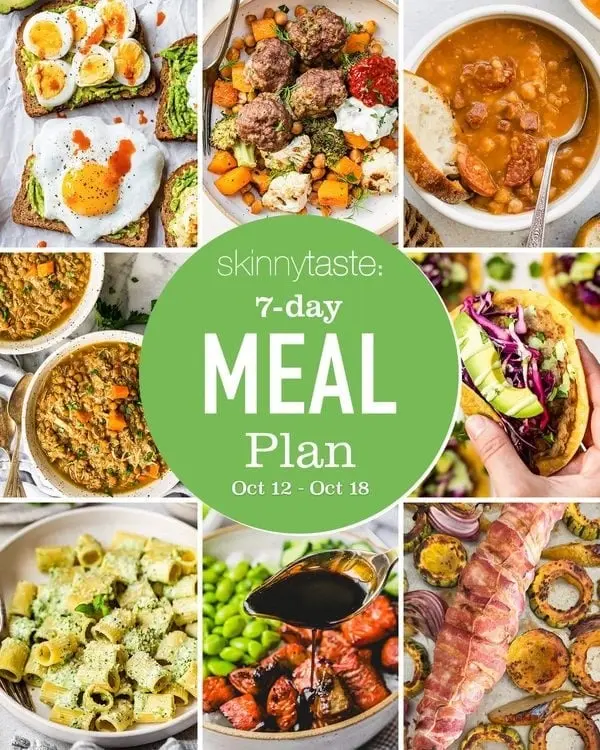
The newly released weekly plan emphasizes fall-inspired dishes, featuring pumpkin as a cornerstone ingredient alongside nutrient-dense grains, lean proteins, and strategic leftovers. Complete with macro calculations, Weight Watchers points, and an organized master grocery shopping list, the schedule provides a structured framework while maintaining adaptability for individualized dietary requirements.
Harnessing the Nutritional Power and Seasonal Appeal of Pumpkin
The highlight of the mid-October menu guide centers on the culinary and health benefits of pumpkin, a staple ingredient that offers significant nutritional advantages during the fall season. Pumpkin serves as a powerful source of essential nutrients, including beta-carotene, vitamin A, potassium, dietary fiber, and a wide array of antioxidants. These components contribute to immune support, digestive health, and overall wellness, making the squash an ideal basis for nutrient-dense autumn meals.
To showcase the versatility of pumpkin across different meal types, the feature highlights a variety of culinary applications ranging from savory main courses to sweet treats. The seasonal menu incorporates rich dishes such as Pumpkin Sage Soup and a hearty Beef Stew served over pumpkin. For lighter options and entertaining, the recommendations extend to a festive Pumpkin Pie Dip—designed to be presented inside a hollowed-out small pumpkin—and a Low-Fat Pumpkin Bread topped with pepitas, which offers a nutrient-rich choice for breakfast or afternoon snacking.
By integrating seasonal ingredients like pumpkin, butternut squash, and apples, the meal plan demonstrates how seasonal produce can elevate flavor profiles while simultaneously providing high nutritional value at reasonable price points.
Flexible Caloric Baselines and Tailored Nutrition
A defining element of the weekly meal structure is its emphasis on flexibility rather than rigid calorie restrictions. Recognizing that individual nutritional demands vary according to age, weight, activity level, and specific health objectives, the guidance recommends an average baseline target of approximately 1,500 calories per day for women, while encouraging participants to tailor their intake accordingly.
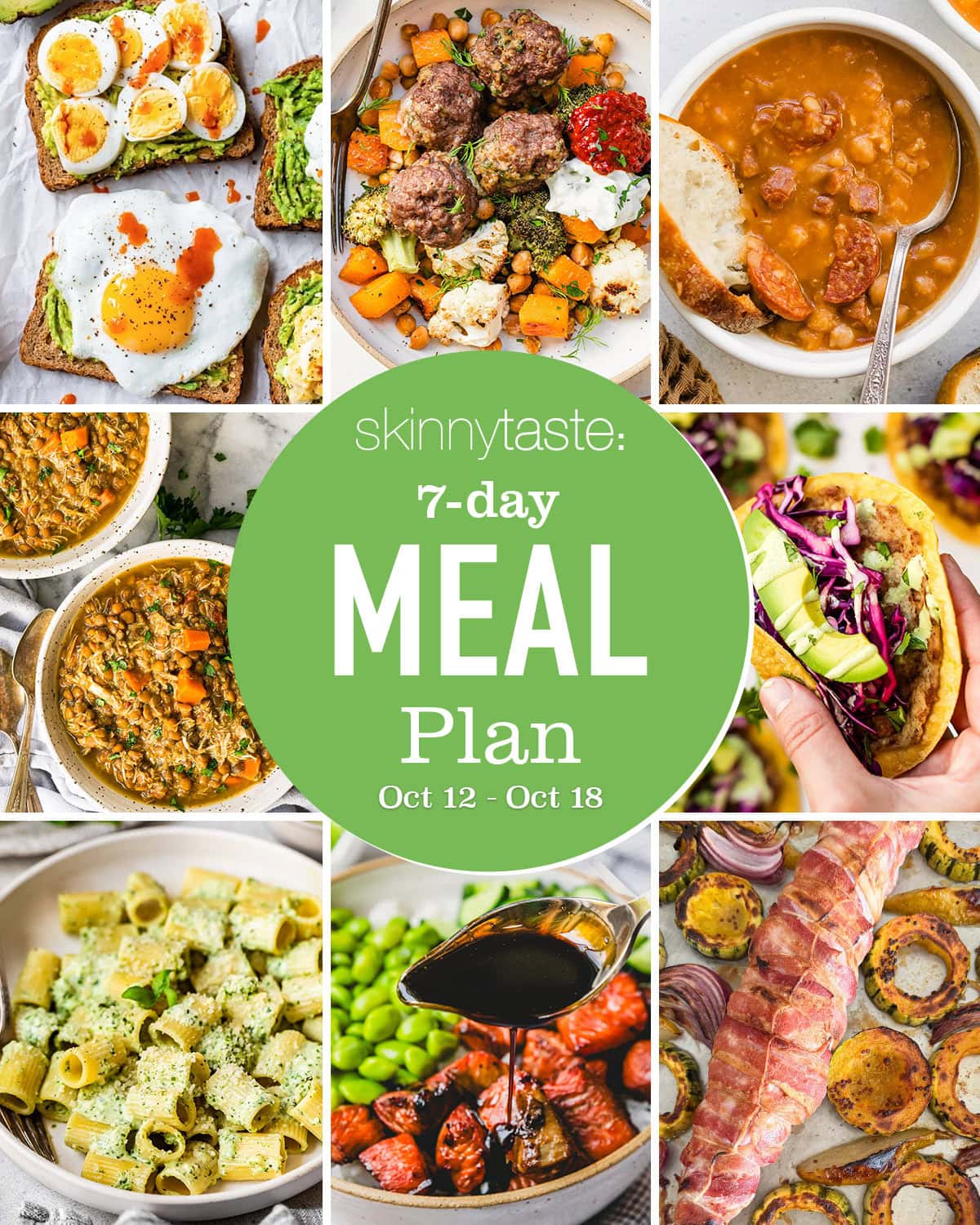
To help users calculate their specific daily requirements, the platform directs readers to external resources such as the USDA MyPlate Plan calculator. The baseline caloric figures calculated within the daily schedules leave intentional room—referred to as "wiggle room"—to accommodate supplemental foods throughout the day. This allowance accounts for items such as morning coffee, daily snacks, fresh fruit, beverages, desserts, or an evening glass of wine, ensuring that the regimen remains sustainable and adaptable to real-life routines.
The structural design of the meal plan also balances individual daily schedules with family mealtime needs. From Monday through Friday, breakfasts and lunches are formulated to serve a single individual, catering to work routines and quick daytime preparation. Conversely, all evening dinners and the entirety of the weekend meal schedules are proportioned to serve a family of four. Additionally, several dinner recipes are purposefully engineered to yield extra portions, providing built-in lunches for subsequent days to reduce cooking frequency and minimize food waste.
Comprehensive Day-by-Day Menu Breakdown
The seven-day schedule balances lean proteins, whole grains, and nutrient-dense vegetables, maintaining an average baseline calorie range between 1,100 and 1,230 calories per day prior to personal additions.
Monday
The workweek begins with a breakfast of Avocado Toast paired with a sunny-side-up egg. Lunch features a double portion of Cranberry Chicken Salad served on crisp apple slices, offering a refreshing combination of protein and seasonal fruit. For dinner, the family portion includes Creamy Pesto Pasta enriched with cottage cheese for added protein, served alongside side portions of Parmesan Zucchini. The base menu for Monday yields approximately 1,116 calories.
Tuesday
Breakfast introduces an Air Fryer Breakfast Banana Split, delivering a warm, fruit-centric start to the morning. Lunch utilizes a remaining portion of the Cranberry Chicken Salad on apple slices. The evening dinner shifts to a Mexican-inspired theme featuring Chicken Smash Tacos served with a Creamy Jalapeño Sauce, accompanied by a side of Cilantro Lime Cauliflower Rice to keep carbohydrates balanced. Tuesday’s daily menu totals roughly 1,232 base calories.
Wednesday
Midweek nutrition focuses on high-protein sources, beginning with a High Protein Zucchini Omelet tailored for one person. Midday dining relies once more on the convenient Cranberry Chicken Salad apple slice combination. Dinner transitions to a hearty, plant-forward meal with an Instant Pot Spanish Garbanzo Stew, designed to provide multiple servings for the family and subsequent meals. Wednesday’s total base calorie count stands at 1,125 calories.

Thursday
Thursday’s schedule emphasizes efficient prep by repurposing previously prepared meals. Breakfast repeats the popular Air Fryer Breakfast Banana Split, while lunch utilizes leftover portions of the Instant Pot Spanish Garbanzo Stew cooked the evening before. Dinner features a roasted, fall-inspired meal consisting of Sheet Pan Meatballs cooked together with chickpeas, cauliflower, and butternut squash. The total baseline intake for Thursday is approximately 1,179 calories.
Friday
The weekday menu concludes by returning to Avocado Toast with an egg for breakfast. Lunch again makes practical use of the remaining Instant Pot Spanish Garbanzo Stew. Friday night’s family dinner consists of a double batch of Teriyaki Salmon Bowls, offering omega-3 fatty acids and rich flavor to close out the workweek. Friday’s schedule calculates to a baseline of 1,123 calories.
Saturday
The weekend menu shifts entirely to family-style dining. Saturday morning starts with batch-baked Pumpkin Pancake Muffins, incorporating the signature fall ingredient into a portable breakfast. Lunch consists of a batch of Slow Cooker Chicken and Lentil Soup, providing high fiber and protein. To allow for social flexibility, Saturday dinner is designated for dining out, resulting in a pre-dinner daily baseline total of 594 calories, leaving substantial caloric room for restaurant meals.
Sunday
Sunday morning begins with a warm family meal of Savory Steel Cut Oats. Midday dining reuses the leftover Slow Cooker Chicken and Lentil Soup prepared on Saturday. The week concludes with an elegant Sunday dinner featuring Bacon-Wrapped Pork Tenderloin served alongside Raw Shredded Brussels Sprouts dressed with lemon and olive oil. Sunday’s structured menu totals approximately 1,104 base calories.
Budget Considerations and Strategic Meal Planning Tools
The release of the new meal guide comes at a time when consumers continue to face significant financial pressure at the grocery store. High food prices have forced many households to adjust their purchasing habits, scale back spending, and seek out creative cooking methods to stretch their household budgets.
The publication emphasizes that structured meal planning remains one of the single most effective strategies for maintaining healthy nutritional habits while controlling grocery expenses
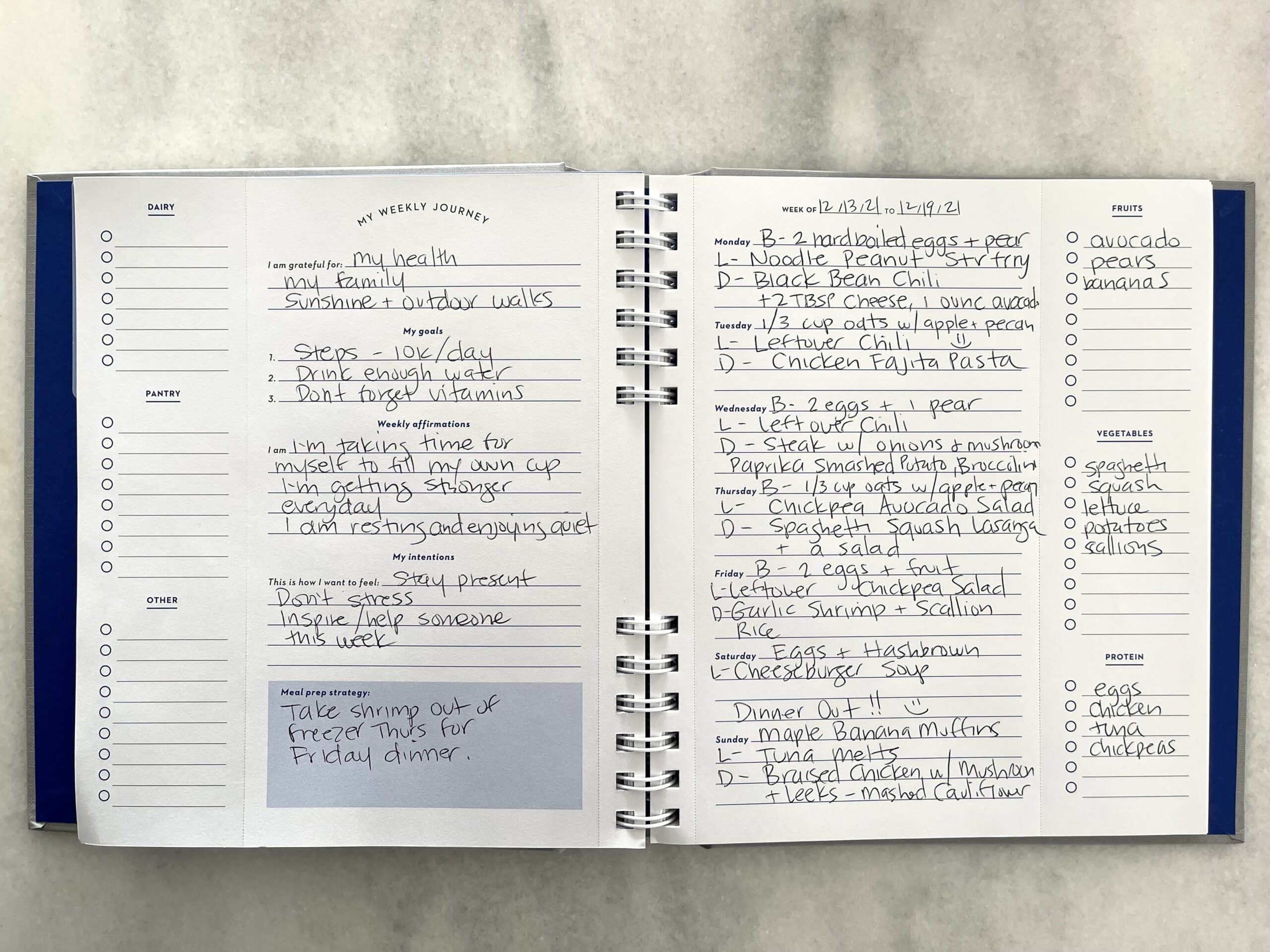
. By adhering to a predefined plan supported by an exact grocery list, shoppers can avoid impulse purchases, reduce unnecessary restaurant spending, and eliminate food waste by using ingredients across multiple meals throughout the week.
For consumers seeking additional budget-conscious options, the platform offers access to further five-day economical meal plans through a partnership with Relish+, which provides a 14-day free trial for users exploring expanded recipe databases.
To support long-term organization, Skinnytaste also offers physical planning resources, including the Ultimate Skinnytaste Meal Planner. The 52-week spiral-bound workbook features weekly planning grids designed to be torn out and displayed on refrigerators, alongside a dedicated 12-week structured meal plan, 30 specific recipes—including 15 exclusive dishes—and tear-out grocery checklists. The planner incorporates mental wellness elements as well, dedicating space for weekly gratitude, positive affirmations, and intentional goal setting.
Furthermore, digital engagement remains a core component of the program. Readers are encouraged to participate in the active Skinnytaste Facebook Community, a peer group where members share recipe photographs, preparation modifications, and practical cooking ideas. A dedicated email subscription service is also available to ensure users receive future weekly meal plans directly, supporting consistent, long-term health and budgeting efforts.