In a deeply reflective narrative on personal well-being, author and visual storyteller Oleksandra Fomichova explores how early conditioning shapes our relationship with stress, why common evening routines sabotage mental health, and how gentle self-compassion can restore true balance. Drawing from her lived experiences and literary works—including Under My Skin and Empath Diaries—Fomichova offers a candid look at breaking free from toxic coping cycles to create genuine internal safety.
The Contrast of Two Worlds: Childhood Lessons in Emotional Survival
Fomichova’s approach to stress regulation stems from a childhood spent navigating two radically different environments. Growing up, she felt as though she existed between two contrasting realms that fundamentally shaped her understanding of emotional health.
The first was her parents’ home, an environment she describes as an "ice castle." On the surface, everything was pristine, orderly, and beautifully arranged, appearing exactly as societal standards dictated. However, beneath the polished exterior lay a cold and rigid discipline. Her mother rarely permitted her to pursue activities driven by genuine desire, expecting her instead to focus strictly on obligations. Fomichova recalls ending many evenings exhausted, frustrated, or quietly holding back tears. Whenever she expressed discontent, her mother’s response was unyielding: “You have to endure it. That’s how everyone lives.”
In sharp contrast stood her grandmother’s world—a sanctuary defined by warmth, creative freedom, and emotional ease. Her grandmother’s home was rarely immaculately tidy because it was constantly alive with creative projects. Whether she was baking, sewing, planting flowers, or experimenting with a new recipe simply for the joy of it, her actions were guided by inspiration rather than obligation. She cooked food she genuinely enjoyed, never forced Fomichova to eat against her will, and possessed a deep fondness for animals.
On warm summer nights, her grandmother loved sleeping outside in the garden under the stars and frequently invited her granddaughter to join her—an experience Fomichova’s mother never permitted. Though her grandmother was not perfect, she imparted a profound lesson that Fomichova’s nervous system never forgot: the vital importance of balance.
She demonstrated that life does not require forcing oneself through every obstacle, as certain aspects of human existence flourish only when approached with passion rather than duty. Crucially, she modeled the principle that while a day may be demanding, home should never be an extension of that strain. Simple comforts—a warm bath, nourishing food, a cozy blanket, and early rest—could offer profound healing.
Building upon these early realizations, Fomichova identifies five ubiquitous habits that quietly aggravate stress after a hard day, along with the intentional alternatives necessary for true emotional recovery.
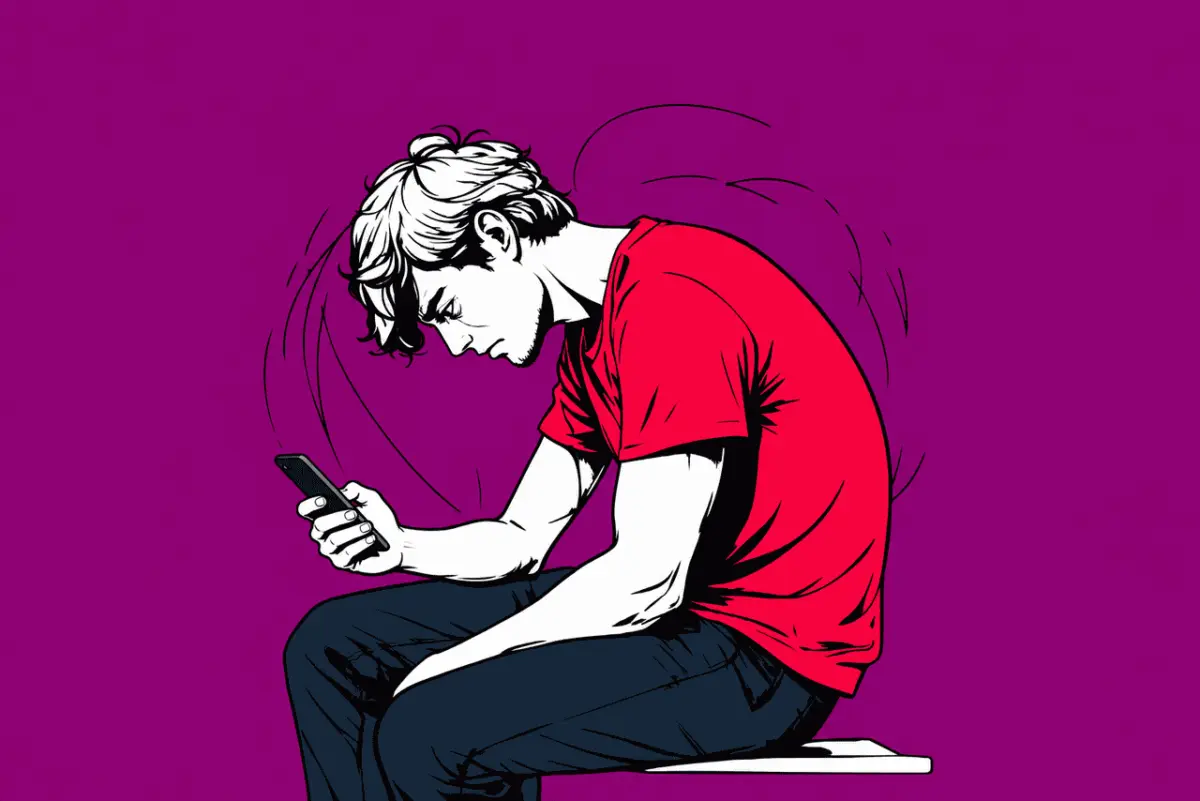
1. Replacing Mindless Scrolling with Quiet Rituals
When energy reserves are depleted, picking up a smartphone feels like an innocent way to unwind. However, what begins as a few minutes on social media quickly spiraling into hours leaves the mind even more overwhelmed.
Fomichova notes that the brain often seeks digital distraction because slowing down forces a person to confront how emotionally exhausted they truly are. Furthermore, social media algorithms rarely deliver content that brings genuine peace. Instead, they flood the mind with intrusive recommendations, external opinions, and unwanted noise.
To protect the nervous system from endless overstimulation, Fomichova advocates for rituals that quiet the mind rather than fill it:
- Spending ten minutes in complete silence without digital devices.
- Preparing and savoring a comforting cup of tea.
- Pausing to watch the sky slowly change colors during a sunset, ideally alongside a loved one.
- Sitting quietly beside an open window or taking time to be near water.
- Immersing oneself in a warm bath or shower.
While Fomichova currently lives in an apartment without a private garden like her grandmother’s, she finds solace in a small green space near her residence. Choosing to step away from social platforms like Instagram yields far more genuine creative inspiration than browsing curated feeds ever could.
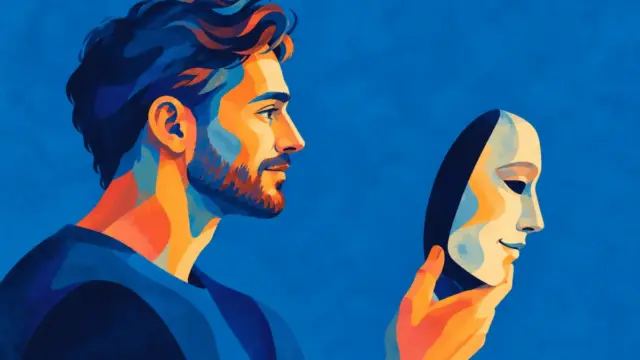
2. Unmasking Emotions and Allowing Vulnerability
Many individuals learn early in life to wear emotional masks, routinely declaring "I’m fine" even when experiencing deep distress. Rationalizing hardship with phrases like "It wasn’t that bad" can become a subtle way of expressing a belief that one does not deserve better, while perpetually promising to deal with emotional pain "tomorrow" allows unaddressed feelings to accumulate.
Fomichova warns that suppressed emotions do not disappear over time; they linger in the body and eventually resurface as persistent anxiety, irritability, chronic fatigue, or emotional numbness. Real recovery begins with the courage to simply acknowledge reality and state: "Today was hard."
Reflecting on her own upbringing, Fomichova notes that her mother viewed maintaining an illusion of perfection as a standard obligation, expecting her to smile regardless of her inner state. Breaking that pattern in adulthood required a deliberate choice to drop the facade. Today, Fomichova allows herself to cry when needed and extends that same emotional freedom to her daughter, teaching her that acknowledging feelings is a mark of strength rather than weakness.

3. Viewing Stress as Vital Information, Not Personal Failure
Society frequently frames stress as evidence of personal inadequacy or lack of resilience. People routinely criticize themselves for feeling overwhelmed rather than examining the underlying triggers behind their condition.
Fomichova emphasizes that stress is valuable information. It serves as a sign signal that a person has taken on too much responsibility, urgently requires rest, or has allowed personal boundaries to erode. Furthermore, stressful days are often precipitated by external factors beyond individual control, such as other people ignoring boundaries or creating unfair pressure.
Recalling a lighthearted metaphor from her childhood, Fomichova shares that her grandmother used to joke that suppressed emotions were like tiny worms. "If you keep them trapped inside," she would laugh, "they’ll start nibbling at you from within."
Learning from that perspective, Fomichova refrains from harboring trapped emotions or carrying previous burdens into new days. By allowing herself to fully feel and release difficult emotions, she treats every morning like a fresh, clean sheet of paper.
4. Deconstructing the Myth of Having to ‘Earn’ Rest
A pervasive trap in modern work culture is the belief that rest must be earned through relentless effort. People constantly tell themselves they will relax after completing just one more email, one more chore, or one more hour of labor. However, the finish line perpetually recedes as new tasks emerge.
Rest is a fundamental biological necessity, not a reward to be granted only after complete exhaustion. The human brain cannot recover if it is constantly waiting for permission to slow down. Prioritizing one’s well-being is an essential component of long-term health.
Fomichova admits to having lived in a state of perpetual hustle, initially mistaking constant busyness for meaningful productivity. Over time, however, she realized that non-stop exertion produced automatic habits that consumed hours without yielding fulfilling results. Rushing blinds people to their actual trajectory, driven by hidden fears of falling behind, missing opportunities, or being outpaced by others.
When Fomichova restored balance between creation and recovery, her health and creativity transformed. She observed a distinct shift in her work from mere forced output to vibrant, authentic expression. She stopped producing content solely to satisfy external expectations or online algorithms, allowing her creative voice to breathe naturally.
5. Distinguishing Instant Relief from Genuine Recovery
When emotional reserves are spent, quick comfort mechanisms—such as unhealthy food, compulsive shopping, alcohol, or binge-watching television—become highly tempting. While enjoying these pleasures is not inherently wrong, relying on them as primary coping mechanisms prevents actual healing.
Genuine recovery is often far less dramatic, relying on quiet, sustainable practices:
- Engaging in meaningful, authentic conversations.
- Taking peaceful walks in nature.
- Practicing gentle physical movement.
- Listening to music, reading, or journaling.
- Securing eight hours of uninterrupted sleep.
Rather than offering a fleeting escape, these practices promote deep healing by acknowledging pain with patience and understanding, slowly allowing internal wounds to mend.
Becoming Your Own Safe Haven
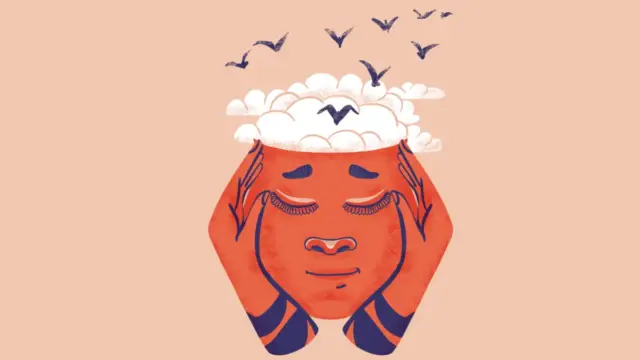
Ultimately, the biggest misconception surrounding stress is the belief that experiencing it represents a failure of character. True recovery is not about suppressing challenging emotions or forcing artificial positivity; it is about creating enough internal safety to experience feelings without being overcome by them.
To cultivate self-compassion, Fomichova recommends a simple perspective shift: imagine the exhausted adult self as a young child who has endured a difficult day. Instead of responding with harsh demands or reprimands, one would offer warmth, a soothing drink, a soft blanket, and a safe place to rest. Adult well-being requires that same level of gentleness.
Oleksandra Fomichova continues to explore themes of self-worth, emotional boundaries, authenticity, and personal growth through her writing and visual storytelling. As the author of Under My Skin and Empath Diaries, her work focuses on the transformative process of stepping away from external performance to live authentically.
While the world continuously demands higher speed and greater productivity, true healing invites a different approach: slowing down, listening internally, and recognizing that individual worth is never defined by daily output. Sometimes, the most resilient choice a person can make is simply permitting themselves to rest.