
According to comprehensive traffic data recently analyzed and released by the Scottish cycling charity Cycling Scotland, urban cycling across the nation’s largest cities has reached unprecedented heights. The figures, derived from a nationwide 48-hour traffic survey conducted in mid-May, captured a dramatic surge in everyday commuter cycling. Across urban Scotland, bicycle journeys totaled 67,000 during the two-day monitoring period, marking a significant 25% increase compared to the same timeframe the previous year.
The most striking revelation from the data emerged from Leith Walk, one of Edinburgh’s longest and most vibrant streets, which stretches from the heart of the city toward the historic port district of Leith. Known for its bustling shopping areas, diverse community, and newly implemented transport infrastructure, Leith Walk recorded a historic shift between 8:00 a.m. and 9:00 a.m. in May, when the number of people traveling on bicycles surpassed the number of motorists for the first time on record.
Transportation analysts attribute a substantial portion of this remarkable uptick to the overwhelming popularity of Edinburgh’s new e-bike rental scheme. Since its official launch last September, the electric bicycle program has captured the imagination of residents and commuters alike, facilitating a staggering 1.46 million trips. By lowering the physical barriers to cycling—such as Edinburgh’s famous and often daunting hills—the e-bike initiative has transformed casual riders and skeptical motorists into daily transit cyclists.
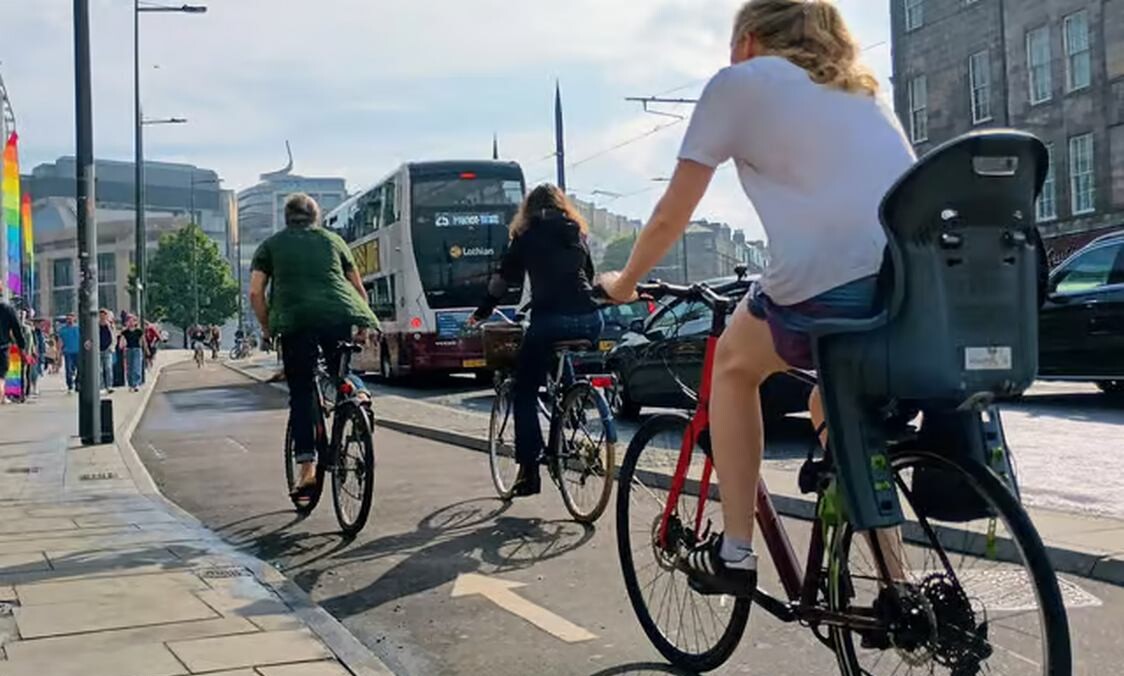
The momentum, however, is not confined to the Scottish capital. Glasgow has also experienced a massive renaissance in active travel, with multiple major roadways registering higher bicycle traffic volumes than ever before. Routes such as Clyde Street, Garscube Road, and Victoria Road have become vital arteries for the city’s growing cycling community. On Victoria Road alone, bicycles accounted for a remarkable 16% of all recorded traffic, highlighting how dedicated infrastructure is fundamentally altering travel behaviors in Scotland’s industrial heart.
Cabinet Secretary for Economy, Tourism and Transport Stephen Flynn welcomed the findings, emphasizing that the data validates ongoing government investments in active travel networks.
"I am pleased to see Cycling Scotland’s latest figures on cycle lane use in Edinburgh and Glasgow," Flynn said in a statement. "The record levels of use, particularly on Glasgow’s South City Way and Edinburgh’s City Centre West-East Link, demonstrate that the infrastructure we are providing is helping more people than ever travel by bike for everyday journeys."
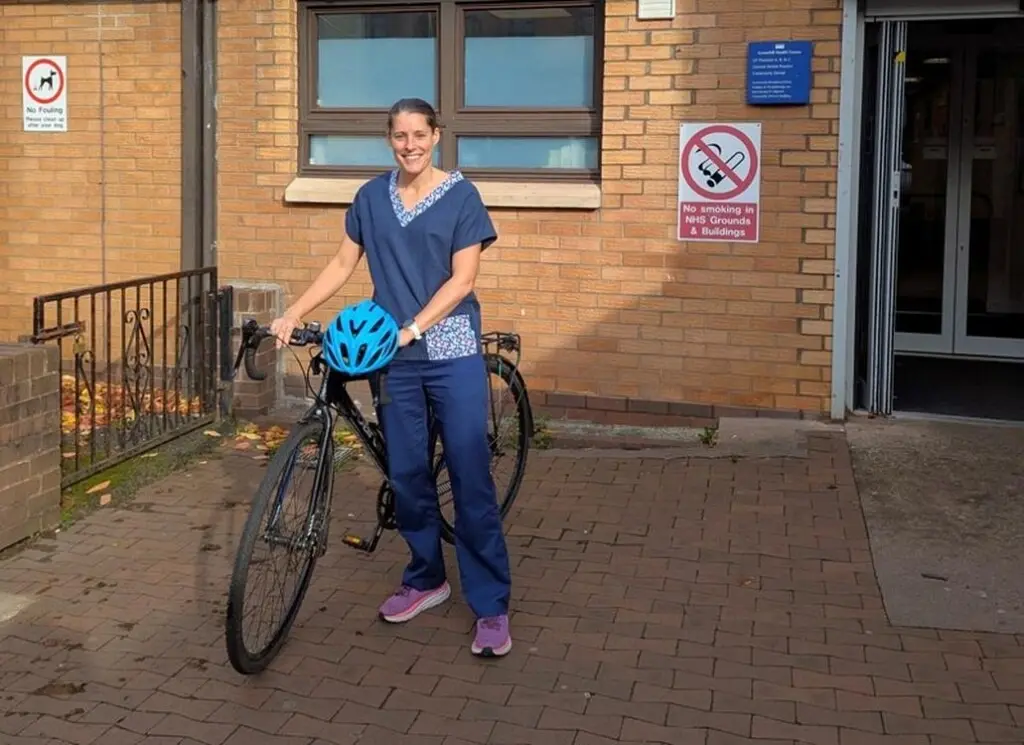
The tangible benefits of these protected cycling corridors extend far beyond statistical traffic milestones, profoundly impacting the daily lives of local professionals. Among them is Kristy Milton-Moir, a National Health Service (NHS) health visitor based in Glasgow. Her demanding professional role requires her to travel across the city to visit families and monitor the development and well-being of young infants. Since the implementation of segregated bike lanes, Milton-Moir has transitioned her work travel to two wheels, finding that cycling offers both professional efficiency and personal well-being.
"I’ve found that cycling is much quicker than driving, so that’s cut a massive proportion of time from my visits," Milton-Moir explained. "It gives you the headspace you need and allows me time to reflect and think about how best I can support the families on my caseload."
Beyond the time savings, she notes the psychological relief that comes with dedicated infrastructure. Navigating urban environments can often be stressful for motorists and cyclists alike, but the physical separation provided by modern cycle lanes has created a secure environment for everyday riders.
"Seeing all the people cycling on the cycle lane is amazing," she added. "I feel so much safer on the cycle lane where I know that that area is for people on bikes, and there are no cars."
The success of these initial corridors has reinforced the Scottish government’s commitment to sustainable urban mobility. Secretary Flynn revealed that authorities currently have an additional $280 million allocated toward various infrastructure and active travel projects in development across the country. With early indicators showing that protected lanes and e-bike availability are directly driving the modal shift away from private automobiles, transport planners hope to build upon this momentum in the coming years to further reduce urban congestion and carbon emissions.