
That historical parallel resonates deeply with figures like early retirement advocate and financial commentator Pete Adeny—known widely as Mr. Money Mustache—whose early career was supercharged by the dot-com boom before the ensuing crash nearly derailed his livelihood and citizenship application. Addressing these cyclical market anxieties, Adeny recently debuted a presentation at Camp FI Midwest and prepared an updated version for the upcoming Bogleheads conference. Drawing on over two decades of retirement experience, financial commentators and long-term investors are increasingly confronting a fundamental question: Will the current AI bubble ruin our retirement, or is the pervasive fear surrounding it merely a symptom of human psychology rather than actual economic peril?

Will the AI Bubble Ruin our Retirement?
Reflecting on more than two decades of retirement, Adeny recalls a telling conversation with a friend who asked how anyone could remain comfortable and sleep at night given the state of the world. At the time—which was actually twenty years ago in 2006—the list of global worries felt equally catastrophic. Back then, observers fixated on corrupt or dangerous political leaders, ongoing Middle Eastern conflicts, ballooning national debt, and rising inflation. The stock market was similarly viewed as dangerously overvalued, though the anxiety stemmed from the housing bubble rather than an AI mania. Furthermore, widespread panic centered on the outsourcing of jobs to India and China, alongside fierce debates over "Peak Oil" and the impending depletion of fossil fuels.

Looking back, the subsequent reality defied the worst-case fears. While the world did experience the Great Financial Crisis—the largest market crash since the Great Depression, driven by irrational exuberance in housing prices and complex financial leverage—the broader trajectory of the stock market tells a different story. In the grand scheme of long-term investing, historical downturns such as the 2008 crash and the 2020 pandemic shock appear as minor fluctuations compared to decades of sustained growth. A hypothetical investment made during those turbulent years would have expanded significantly over the subsequent two decades.

Simultaneously, global standards of living improved markedly. Over a twenty-year span, the proportion of people living in extreme poverty dropped dramatically, and global infant mortality rates were halved. Clean energy transitioned from a niche concept to a dominant economic force, driven by a massive collapse in the cost of solar panels, while electric vehicle adoption surged globally. These developments highlight a historical pattern: human anxiety consistently focuses on immediate, uncertain futures, while long-term progress quietly marches forward.

This historical resilience raises a critical question: Is the current era genuinely different? Skeptics point to towering national debt, the unprecedented scale of the AI boom, and theoretical existential risks posed by superintelligence. However, financial analysis often overlooks a fundamental economic principle—true prosperity does not originate from abstract financial systems or stock market tickers, which merely represent numerical values tracked on computers. Instead, prosperity stems directly from productivity.

Prosperity Comes From Productivity and Human Adaptability
The core lesson of long-term economic stability is that capitalism is inherently volatile, characterized by choppy waters and wild cyclical swings. Beneath the surface fluctuations, however, real people perform tangible work and develop genuine innovations. The concept of an "economy" is simply another human invention; if a financial system experiences a severe correction because market participants dislike prevailing asset valuations, society can—and historically does—readjust the metrics and return to productive labor.

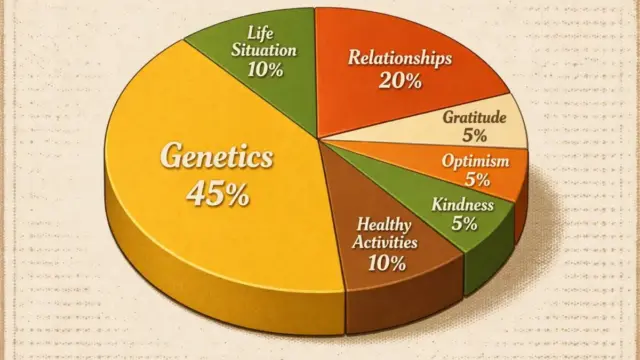
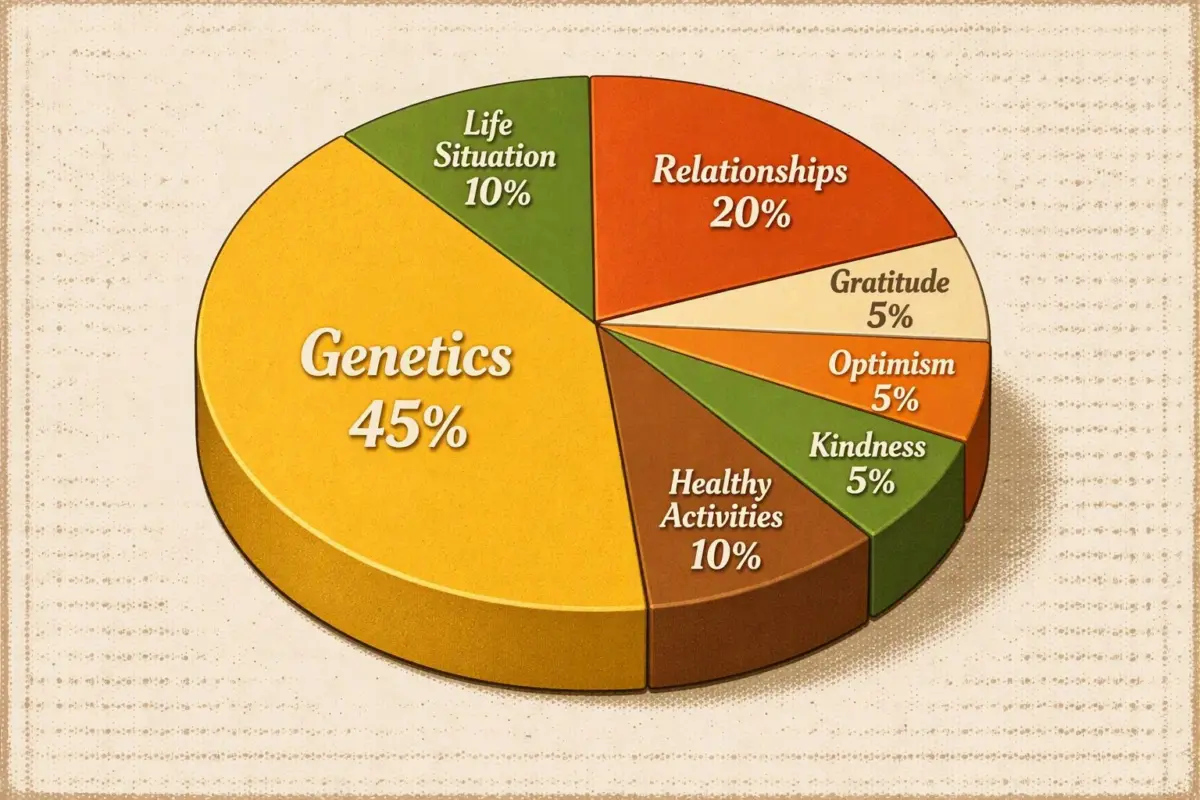
Humanity retains every productivity-boosting tool ever invented. Standard of living, economic growth, and the viability of early retirement all rely on high productivity rather than speculative market sentiment. Yet, even economic prosperity has limits when it comes to human satisfaction. Beyond a certain baseline standard of living achieved decades ago in developed nations, human happiness decouples from material wealth. Psychological research indicates that overall life satisfaction is largely influenced by non-financial factors, including genetics, close interpersonal relationships, lifelong optimism, and engagement in healthy physical activities.

Despite these established realities, many long-term investors remain paralyzed by fear regarding an unknown future. This persistent dread is rooted in human evolutionary biology. Humans evolved as danger-detection machines designed to protect themselves from predators, disease, and scarcity. When modern society successfully mitigates those fundamental threats, the human brain does not simply turn off its anxiety; instead, it moves the goalposts. Once physical survival and financial security are achieved, anxiety pivots toward social status, tax strategies, regulatory compliance, and managing complex inheritance structures.

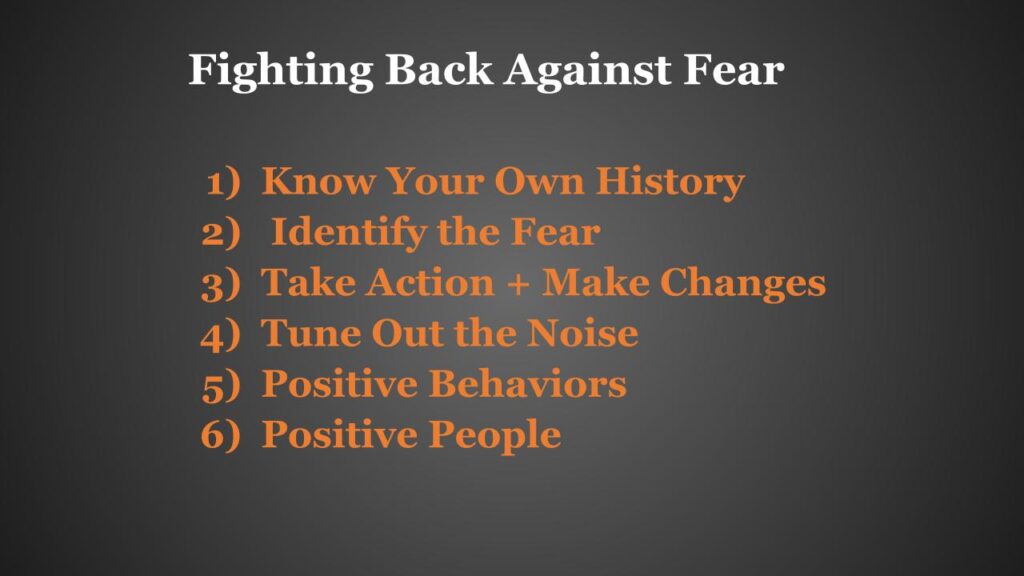
Combating this pervasive fear requires self-awareness and an understanding of personal history. Childhood environments, family attitudes toward scarcity, and past trauma often shape adult financial anxieties, causing individuals to react to ghosts of the past rather than objective realities of the present. Identifying specific fears by examining worst-case scenarios reveals that even catastrophic financial outcomes are rarely as devastating as anticipated. Taking proactive measures transforms the unfamiliar into the familiar, fostering resilience and adaptability—traits that render uncertainty far less intimidating.

Viewing Technological Shifts Through the Lens of Experimentation
To counter modern anxiety, financial commentators suggest curating mental diets by tuning out sensationalized daily news cycles, which disproportionately amplify alarming narratives. Instead, focusing on positive behaviors, physical health, outdoor engagement, and a community of optimistic, productive peers helps align human biology with its natural environment. Adopting a mindset that treats life events as experiments—whether changing careers, adjusting living arrangements, or navigating early retirement—shifts the perspective from apprehension to curiosity.
This experimental framework applies directly to the current Artificial Intelligence boom. Rather than succumbing to doom-scrolling and fear over technological displacement, understanding the underlying mechanics of AI reveals its potential as a powerful productivity tool. AI functions essentially as a cognitive productivity enhancer, boosting efficiency across industries in a manner comparable to historical technological leaps like the internet or mobile computing.

While technological revolutions inevitably disrupt existing labor markets—displacing entry-level administrative and driving roles—they simultaneously reduce costs and catalyze the creation of entirely new industries. Historically, the economic rewards of such advancements tend to concentrate among capital owners and shareholders, reinforcing the importance of broad market participation. Ultimately, Artificial Intelligence represents another technological transition, offering individuals a choice: to view innovation with paralyzing fear, or to leverage it as a catalyst for continuous learning, personal growth, and adaptability.