
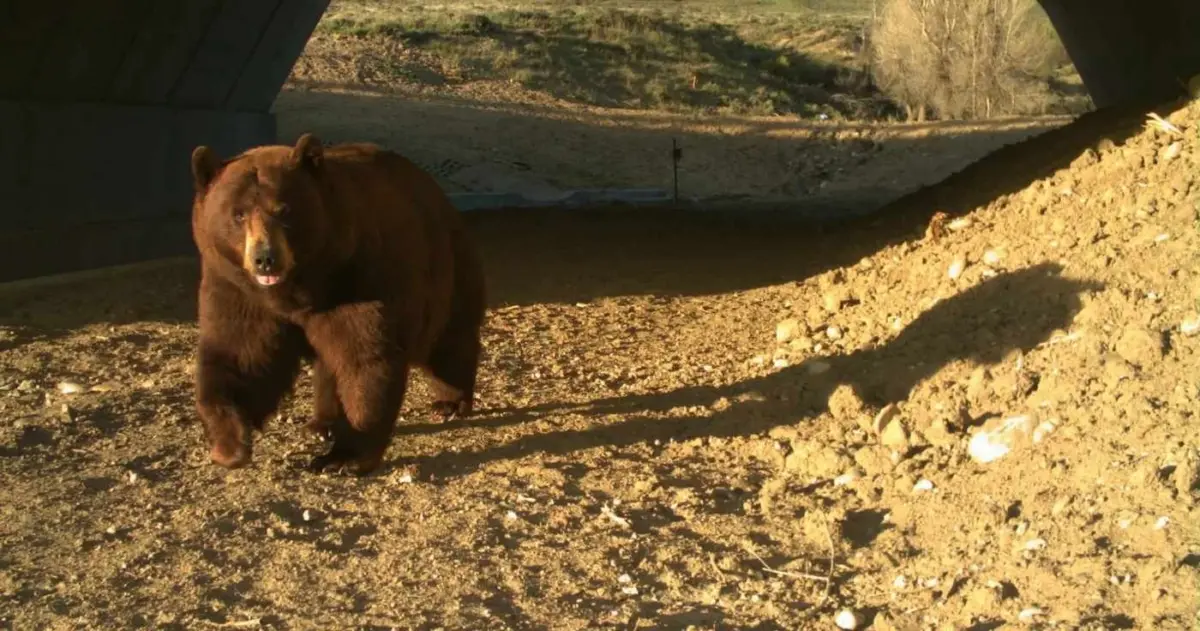
The overpass, which opened in December, was designed to provide a safe, natural crossing point for a wide variety of native fauna, including bears, elk, moose, and deer. Measuring 200 feet wide and 209 feet long, the structure covers an impressive 41,800 square feet, or approximately 3,900 square meters. This immense scale makes it the single largest bridge structure dedicated to wildlife in North America, and places it among the largest installations of its kind anywhere in the world.
The engineering marvel relies on more than just the bridge deck itself. The comprehensive project includes five distinct wildlife underpass tunnels built to accommodate smaller or more timid animals that might hesitate to use an open overpass. Additionally, thousands of yards of specialized fencing have been installed along the highway to safely funnel creatures away from fast-moving traffic and toward the designated crossing points.
Before the construction of the overpass, state wildlife and transportation officials estimated that a dedicated crossing system could reduce animal-vehicle collisions by roughly 90%. With ten months of operational data now analyzed, the actual reduction has reached 91%, exceeding expectations by one percentage point.
Bridget O’Rourke, a spokesperson for Colorado Parks and Wildlife, expressed enthusiasm over the milestone in an interview with the Colorado Sun. She noted that the combination of overpasses, underpasses, and strategic fencing has provided a reliable, safe path across major roadways, proving statistically that the mitigation strategy is a success.
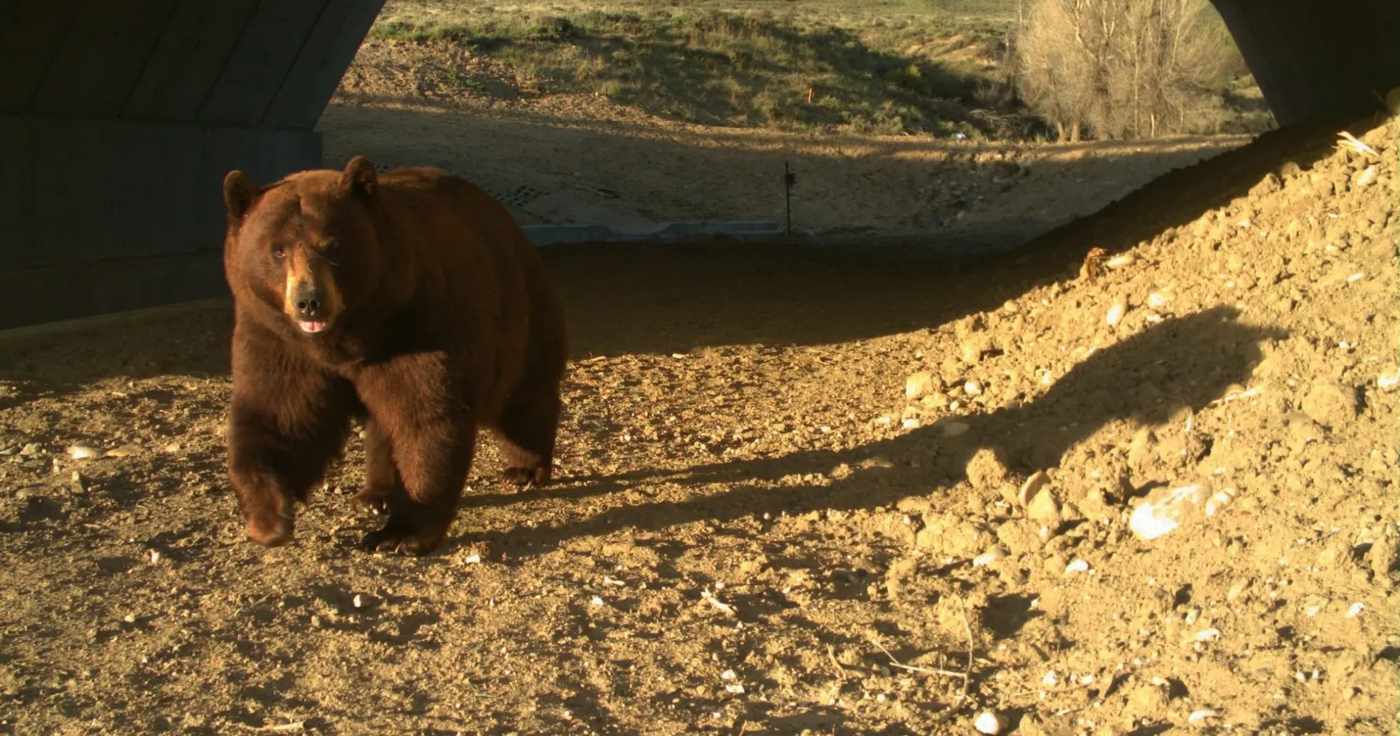
Beyond the major charismatic megafauna like elk and bears, the overpass has proven beneficial for a diverse array of species. Smaller and more vulnerable animals, including pronghorn antelope, northern leopard frogs, and rabbits, are also utilizing the crossing infrastructure. O’Rourke described this broad spectrum of wildlife usage as a huge plus for local ecosystems.
Pronghorn antelope, in particular, represent a significant success story for the project. By nature, pronghorn are migratory animals whose traditional movement patterns have been severely disrupted by human development. Interstate 25 had served as an impenetrable barrier to their biological compasses for decades. Following the completion of the overpass, a pronghorn was captured on video crossing the structure, marking the first recorded instance of the species navigating across this section of the highway in 30 years.
For the human population traveling through the area, the dramatic drop in wildlife-vehicle collisions has brought immediate relief. Prior to the installation of the overpass, the Larkspur-Monument corridor averaged roughly one collision involving an animal per day. These incidents frequently resulted in lethal outcomes for the wildlife, severe trauma or vehicle damage for drivers, and costly emergency responses. Traffic delays along the corridor have fallen by 9% as a result of fewer highway safety closures required to clear accidents involving shattered vehicles, blood, and fur.
The measurable success of the Larkspur overpass appears to be driving a broader expansion of wildlife crossing initiatives across the state. Transportation and wildlife officials are currently scouting six additional locations for similar installations throughout Colorado. Among these planned projects is the state’s first wildlife overpass specifically designed to accommodate Rocky Mountain bighorn sheep.
According to reports from the Colorado Sun, the planned locations for future wildlife crossings include the westbound lanes of Interstate 70 at East Vail Pass between Vail and Copper Mountain, a site on Interstate 25 just north of the New Mexico state border, a location on US 160 east of Cortez in southwestern Colorado, a crossing over Colorado 40 west of Craig, and another near US 287 south of the Wyoming border.