
These concerns are hardly new to long-term market participants. Financial commentators and early retirement advocates who navigated the speculative mania of the early 2000s find themselves frequently fielding questions about the current investment cycle. Recently addressing audiences at events like Camp FI Midwest and preparing for upcoming discussions at the Bogleheads conference, veteran financial observers have sought to contextualize today’s anxieties by looking back at how previous generations of worriers fared against seemingly insurmountable economic threats.

Will the AI Bubble Ruin Our Retirement?
Reflecting on more than two decades of retirement, financial commentators often encounter a recurring question from anxious friends and followers: how can anyone remain comfortable and sleep peacefully at night given the state of the world? A glance at contemporary news feeds reveals no shortage of alarming headlines, from volatile geopolitical tensions involving major global leaders and persistent inflation to towering national debts and active military conflicts. Yet, history suggests that the specific objects of our anxiety change far more rapidly than the underlying stability of a well-managed financial life.

Comparing the prevailing anxieties of 2006 with those of the present day highlights a striking parallel. Two decades ago, society wrestled with different geopolitical tensions, wars in the Middle East, escalating national debt, and widespread fears over an overvalued housing market. At the time, the dominant economic fear was not artificial intelligence displacing white-collar labor, but rather the outsourcing of American jobs to developing economies like India and China. There were even intense debates regarding "peak oil," with many convinced that rising fossil fuel demand coupled with dwindling supplies would spell doom for modern civilization.

Instead, the subsequent twenty years delivered unexpected trajectories. While the world did experience the Great Financial Crisis—a severe downturn sparked by housing market irrationality and excessive financial leverage—the broader historical view reveals a remarkable capacity for recovery. A significant long-term investment in the stock market weathering both the 2008 crash and the 2020 pandemic downturn still managed to yield substantial growth over the span of two decades.

Simultaneously, global socioeconomic indicators improved dramatically. Extreme poverty rates saw a sharp decline, infant mortality rates were cut in half, and technological shifts catalyzed the rise of clean energy. Solar power generation surged as manufacturing costs plummeted, and electric vehicle adoption expanded significantly across the globe. Looking back at these historical shifts raises a fundamental question for modern investors: whether energy is better spent worrying about an uncertain future or recognizing the underlying resilience of human productivity.

Prosperity Comes from Productivity
Despite fears surrounding the national debt, the scale of the artificial intelligence boom, or speculative market bubbles, financial skeptics frequently overlook a foundational economic principle. True prosperity does not originate within the financial system or the stock market, which ultimately function as numerical reflections of human enterprise. Rather, sustainable economic growth and high standards of living stem directly from productivity.

The architecture of capitalism is inherently volatile, prone to periodic corrections and emotional swings. Beneath the turbulent surface of financial markets, however, real people continue to perform actual work, invent new tools, and solve complex problems. The concept of an economy or a financial system is itself a human construct. When traditional financial systems experience severe distress, societies have repeatedly demonstrated the capacity to recalibrate, restructure, and resume productive labor.

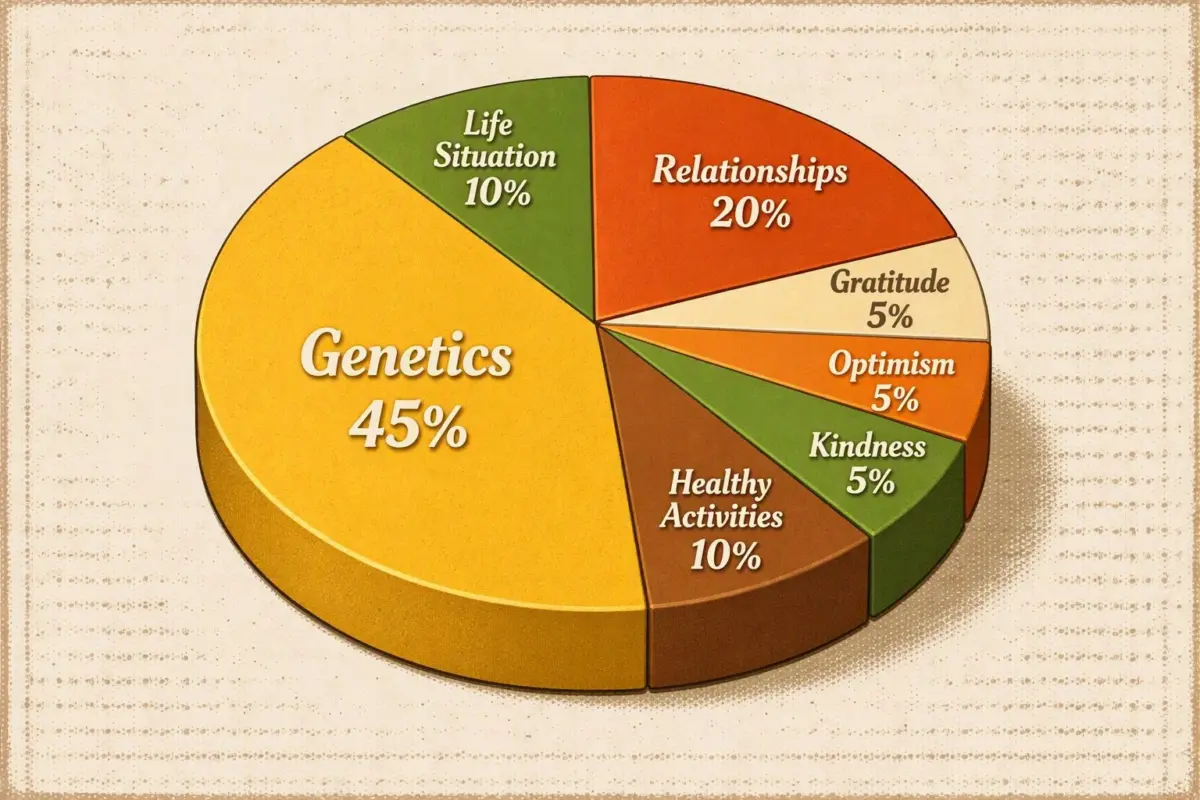
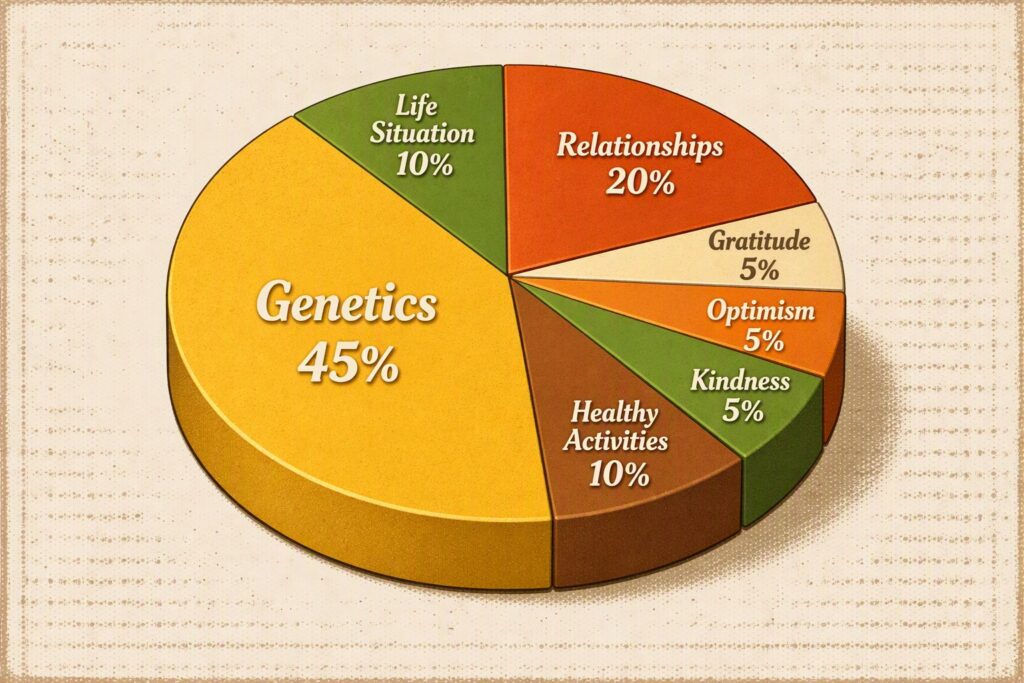
Standard of living and the feasibility of early retirement are intrinsically linked to technological and operational productivity. Furthermore, once basic material requirements and societal standards of living are met, human happiness and fulfillment depend far more on personal choices, community relationships, physical health, and an optimistic philosophy of life than on marginal fluctuations in net worth.
Confronting Fear and Treating Everything as an Experiment
A major hurdle for many individuals, even those who have achieved financial independence, is the persistent presence of psychological fear. Human beings evolved as sophisticated danger-detection machines, a biological trait designed to protect ancestral populations from immediate physical threats. In modern environments devoid of traditional predators and acute physical scarcity, however, this psychological machinery frequently pivots to new targets. Once basic survival needs are met, the human mind moves on to social standing, relative wealth comparisons, and abstract economic worries.

Combatting this cycle requires self-awareness and an understanding of personal history. For many, anxiety regarding scarcity or financial ruin stems from childhood experiences or generational trauma inherited from ancestors who survived severe economic depressions. Recognizing that these emotional responses often reflect past conditioning rather than objective present-day realities allows individuals to address the root causes of their anxiety rather than simply reacting to alarming news cycles.
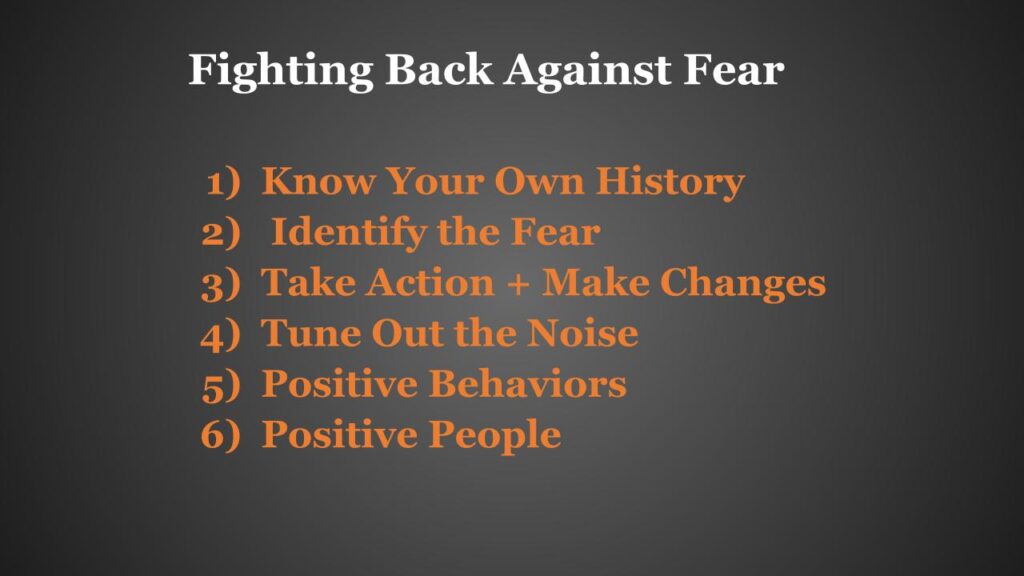
Taking deliberate action remains one of the most effective antidotes to fear. By engaging directly with unfamiliar challenges, individuals build resilience and adaptability. Tuning out sensationalized media diets and focusing instead on positive behaviors—such as physical activity, outdoor engagement, continuous learning, and surrounding oneself with optimistic, productive peers—helps align modern lifestyles with fundamental human needs.

Adopting a mindset where "everything is an experiment" provides a constructive framework for confronting major life transitions, whether changing careers, relocating, or entering retirement. This experimental approach applies directly to the current artificial intelligence landscape, which many view not as an existential threat, but as a profound technological evolution.

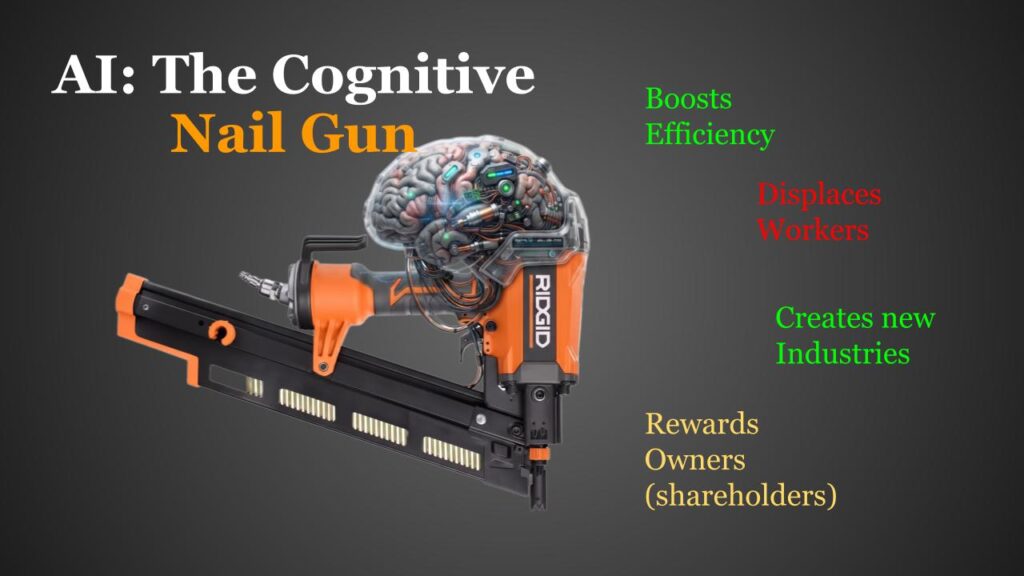
Rather than succumbing to doom-scrolling and speculative panic, examining artificial intelligence through the lens of history reveals its potential as a powerful cognitive tool. Much like previous technological revolutions—ranging from industrial machinery to the internet and smartphones—AI promises to dramatically enhance human efficiency and productivity. While such shifts inevitably displace certain traditional roles and concentrate rewards among innovators and shareholders, they simultaneously lower service costs and catalyze entirely new industries.
Artificial intelligence, much like any other major economic shift, presents an opportunity for informed decision-making rather than reflexive fear. By understanding the psychological mechanics of anxiety, focusing on productivity rather than speculative noise, and embracing change as an ongoing experiment, individuals can navigate uncertain futures with clarity and resilience.