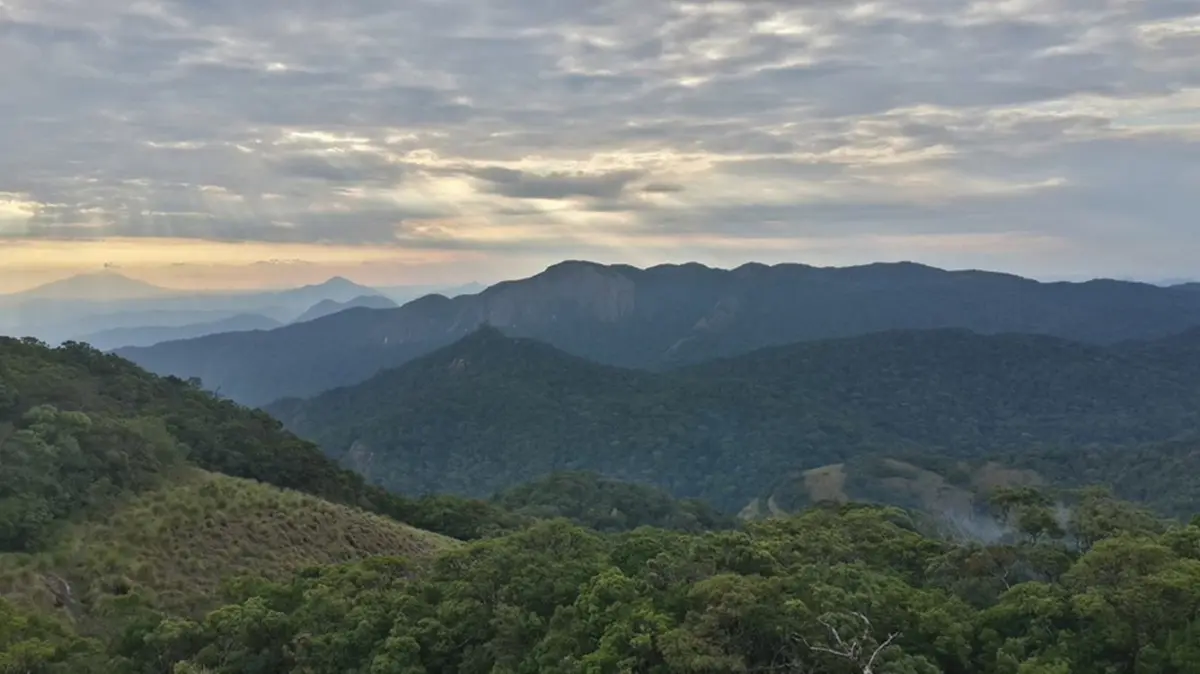
Mount Mabu and its surrounding isolated mountain chain slopes are characterized by remarkably high rates of endemism—a biological term describing species that are found exclusively in that specific geographic region and virtually nowhere else. For decades, scientists and conservationists have marveled at the sheer volume of unique life forms sheltered within this dense, lush canopy.
According to reports from Mongabay, news of the decree was brought to light via researchers whose extensive work on Mount Mabu has spanned over two decades. Expeditions to the region have consistently uncovered multiple species entirely new to science, ranging from the distinct Mount Mabu forest viper to a vast array of invertebrates, with butterflies standing out as the most prominent residents of the ecosystem.
Mount Mabu and the neighboring Mount Namuli together play host to at least 200 different species of butterflies, creating an airborne tapestry of biodiversity that captured global attention more than a decade ago. In 2013, renowned naturalist Sir David Attenborough presented the area for the BBC, vividly describing it as the "butterfly forest." The poetic moniker quickly captured the public imagination and has stuck ever since, cementing the mountain’s status as a global conservation priority.
Julian Bayliss, a prominent researcher whose dedicated exploration trips have dramatically expanded scientific understanding of the species inhabiting Mount Mabu, highlighted the extraordinary scale of the habitat. In 2014, Bayliss described the mountains and their associated butterfly forests as possibly the largest continuous block of medium-altitude forest type anywhere in southern Africa. At the time, he and his colleagues pondered what actionable steps could possibly be taken to secure and protect such immense natural riches from future degradation. Now, more than a decade later, those questions have been answered by the stroke of a government pen.
For decades, Mozambique has presented a tremendous and complex challenge for international and domestic conservationists alike. As Good News Network has previously reported, the nation’s history was heavily scarred by one of Africa’s longest post-colonial civil wars. Combined with subsequent years of unchecked poaching and resource extraction, the conflict and its aftermath rendered many of the country’s once-abundant national parks and wild spaces entirely void of native wildlife.
Today, however, the political landscape has shifted dramatically. Now stable and firmly at peace, the nation is actively working to rebuild its wildlife populations and restore its natural heritage. Yet, conservation experts emphasize that while restoring depleted populations is vital, nothing compares to the proactive strategy of protecting pristine, intact ecosystems before they face severe threats or require intensive human intervention to rebuild.
The government decree, which was officially issued by the Ministry of Agriculture, Environment, and Fisheries, explicitly describes the newly formed reserve as being dedicated to the protection, conservation, and sustainable use of natural resources by local communities. Rather than imposing a top-down restriction that ignores the human element of the landscape, the framework emphasizes community stewardship, ensuring that the people who live alongside the forest play a central role in its defense.
A comprehensive community management plan is currently in the works to guide the day-to-day operations of the conservation area. However, the outlook for the region remains overwhelmingly positive. According to reports from Mongabay, the mountain chain is treated with deep reverence by local communities, who view the lush forests as sacred spaces. This cultural connection provides a powerful, organic safeguard against destructive activities, aligning traditional respect for the land with modern legal conservation frameworks.
The establishment of the Mount Mabu Community Conservation Area is part of a broader, encouraging trend across Mozambique. A considerable number of protected spaces have been successfully established since the end of the devastating civil war, signaling a profound national commitment to environmental restoration. Today, the country’s official conservation authority notes that an impressive 25 percent of the national territory is preserved in some capacity. These protected lands vary widely in their scope and management style, ranging from sustainable-use zones that support local livelihoods to total, strict preservation of untouched wilderness areas.
As the community management plan takes shape and the legal protections of the August 24 decree take full effect, the future of the Mount Mabu "butterfly forest" looks brighter than ever. By blending scientific discovery, government action, and deep-rooted community reverence, Mozambique is securing a vital piece of southern Africa’s natural history for generations to come.